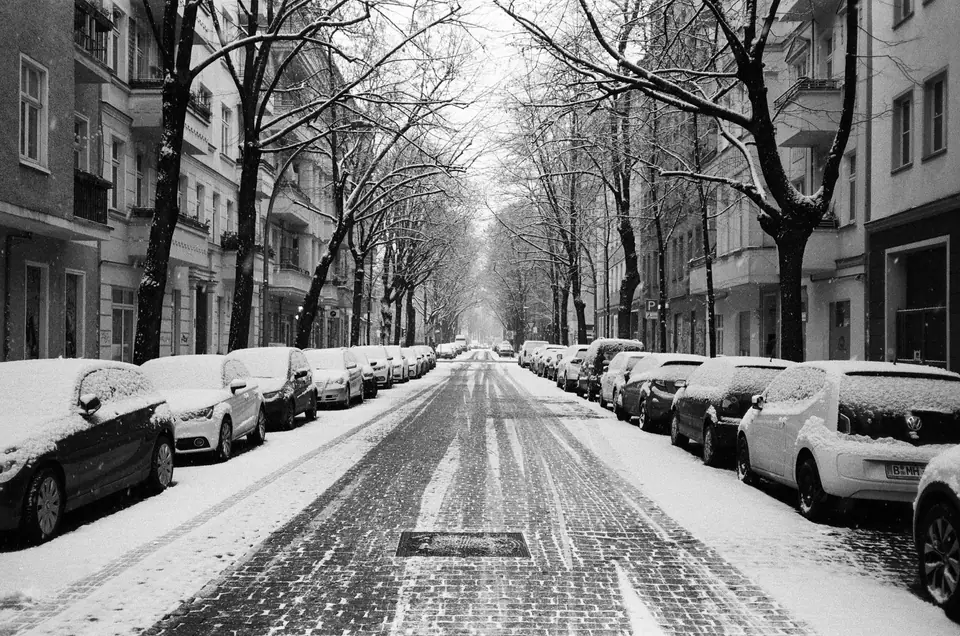
What to Wear in Berlin: Seasonal Packing and Dress Codes
Pack the right wardrobe for Berlin with our seasonal packing guide, footwear recommendations for urban walking, and club door etiquette.
Berlin dresses down compared to other major European capitals. Neat jeans, sturdy trainers, and a functional jacket will carry you into almost every restaurant, theatre, and bar across the city. Locals gravitate towards dark, understated tones, with black remaining the default staple across neighbourhoods like Kreuzberg and Friedrichshain. The primary challenge when packing is not meeting strict social fashion requirements, but staying comfortable while walking great distances across varied urban terrain.
Berlin covers a vast area along the banks of the Spree river, which flows westward into the Havel in the borough of Spandau. Visitors often underestimate how many kilometres they will cover on foot between transit stops. Because the urban layout combines wide boulevards with centuries of historic paving, your clothing and footwear choices need to balance weather resistance with physical practicality.
Seasonal Weather Averages and Layering Guidelines
Berlin experiences a temperate continental climate with noticeable shifts between seasons. Summer brings warm days with occasional intense downpours, while winter delivers sub-zero chills and raw, grey winds. Layering gives you the flexibility to adapt between cold streets and heavily heated trains.
| Season | Key Climate Metrics | Primary Clothing Focus | Essential Gear |
|---|---|---|---|
| Winter (Dec to Feb) | Highs 4.1°C to 6.4°C, lows -0.6°C to 1.3°C | Insulating base layers, windproof shell, fleece mid-layers | Thick-soled boots, wool beanie, thermal socks, warm scarf |
| Spring (Mar to May) | Highs 9.5°C to 19.2°C, lows 1.4°C to 9.4°C | Breathable cottons, light wool knitwear, midweight jacket | Water-resistant outer coat, compact travel umbrella, daypack |
| Summer (Jun to Aug) | Highs 24.2°C to 25.5°C, lows 14.1°C to 15.8°C | Linen shirts, cotton tees, shorts, light evening layer | UV sunglasses, broad sun hat, reusable water bottle |
| Autumn (Sep to Nov) | Highs 8.5°C to 20.9°C, lows 3.4°C to 11.9°C | Transition layers, heavy denim, water-resistant outerwear | Sturdy walking trainers, windproof jacket, light gloves |
Footwear for Cobblestones and Long Walks
Footwear is the single most important element of your Berlin packing list. Wide pavements line districts like Kurfürstendamm and City West, but historic streets are heavily paved with uneven granite setts and historic cobblestones. Exploring Museum Island or the courtyards around Hackescher Markt requires thick, supportive soles.
Thin ballet flats, soft sandals, and high heels will twist your ankles or wear through rapidly on historic street stones. In winter, pavements can become slick with slush or black ice as temperatures dip below freezing, with January recording an average low of -0.6°C. Choose waterproof boots with aggressive rubber tread patterns. In warmer months, broken-in lifestyle trainers or supportive walking shoes provide the cushioning required for ten-kilometre days.
Dressing for Spring and Autumn Shifts
Spring and autumn present unpredictable conditions. April sees an average high of 14°C and a low of 4.4°C across 8.6 wet days, meaning a bright morning can turn brisk and damp within an hour. October drops to an average high of 14.6°C and a low of 8°C, with precipitation climbing to 56 mm across 11 wet days. November grows colder still, averaging a high of 8.5°C and a low of 3.4°C.
- Bring two or three breathable base layers, such as merino wool tops or quality cotton tees.
- Pack a midweight jumper or fleece that fits comfortably beneath an outer shell.
- Carry a windproof, water-resistant jacket to deflect gusty conditions on open expanses like Tempelhofer Feld.
- Keep a warm scarf and light gloves in your bag for early morning transit connections.
- Use a secure day bag with zipped compartments, keeping in mind that major museums conduct bag checks at entry points.
Summer Sun and Lake Swimming Essentials
Summer in Berlin is pleasantly warm, yet it records the highest monthly rainfall of the year. June brings 71 mm of precipitation over 10.1 wet days, while July records 65 mm. August is the warmest month on average, reaching a high of 25.5°C and a low of 15.8°C. High temperatures can climb higher during midsummer heat spikes, and air conditioning is not universal in standard residential buildings or small shops.
Pack light natural fabrics like linen and loose cotton to remain comfortable during midday heat. Carry a reusable water bottle to stay hydrated, as municipal tap water is clean and safe to drink. Berliners make regular excursions to open-air bathing spots and inner-city waterways, so pack a swimming costume and a lightweight pack towel. Keep a light jacket or overshirt handy for outdoor dining once the sun sets along the Spree.
Winter Protection and Indoor Cloakrooms
Winter demands heavy protection against biting winds and moisture. December records 51 mm of precipitation across 12.3 rain days, and January sees 57 mm across 13.6 days. While heavy snowfall is not constant, the damp chill penetrates uninsulated clothing quickly.
A knee-length, insulated winter coat with a wind-blocking shell is the best defence against prolonged outdoor exposure. Pair this with thermal bottoms beneath your trousers on days spent touring outdoor sites. Berlin public buildings, transport hubs, and galleries maintain strong internal heating. You will overheat quickly if your warmth depends on a single heavy sweater rather than removable layers. Cultural institutions provide staffed cloakrooms and secure lockers, allowing you to shed bulky coats easily before browsing collections.
Nightlife Etiquette and Memorial Dress Codes
Berlin nightlife is famous for an unpretentious, individualistic approach. High-end clubbing stereotypes such as collared business shirts, polished dress shoes, pointed heels, and flashy brand logos will often lead to refusal at world-renowned electronic music venues. Bouncers look for patrons who fit the room and plan to dance comfortably for hours.
For an evening out, choose casual, utilitarian garments in dark or monochrome tones. Plain black t-shirts, dark denim, and worn-in dark trainers are universally accepted. Bring a light layer to stay warm while waiting outside in venue queues, as door screening moves deliberately. Check our dedicated Berlin nightlife guide for detailed advice on club door etiquette and music venues.
When visiting solemn locations such as the Memorial to the Murdered Jews of Europe or the Soviet War Memorial in Tiergarten, respectful conduct dictates your clothing choice. Standard everyday casual wear is perfectly acceptable, but clothing bearing inflammatory slogans, gym sportswear, or carnival fancy dress should remain at your hotel.
Weather by month
Berlin is warmest in August, with average highs around 26°C, and coldest in January, when nights drop to about -1°C. June is the wettest month by rainfall (71 mm), with rain on about 10 days. For mild weather with fewer rainy days, aim for May, August and September.
| Month | Low | Range | High | Rain | Rainy days |
|---|---|---|---|---|---|
| Jan | -1°C | 4°C | 57 mm | 14 d | |
| Feb | 0°C | 6°C | 48 mm | 11 d | |
| Mar | 1°C | 10°C | 45 mm | 12 d | |
| Apr | 4°C | 14°C | 33 mm | 9 d | |
| May | 9°C | 19°C | 42 mm | 8 d | |
| Jun | 14°C | 24°C | 71 mm | 10 d | |
| Jul | 15°C | 25°C | 65 mm | 11 d | |
| Aug | 16°C | 26°C | 47 mm | 9 d | |
| Sep | 12°C | 21°C | 40 mm | 8 d | |
| Oct | 8°C | 15°C | 56 mm | 11 d | |
| Nov | 3°C | 9°C | 49 mm | 11 d | |
| Dec | 1°C | 6°C | 51 mm | 12 d |
Averages of daily values from 2015 to 2024. Rainy days are days with at least 1 mm of rain. Source: Open-Meteo · Compare destinations by month.
Where it is
- 1Berlin
- Berlin Brandenburg Airport (BER) · about 19 km from Berlin in a straight line
- Directions in Google Maps
Stations and taxi ranks: OpenStreetMap. Airports: OurAirports. Distances are in a straight line.
Traveller tips
Real advice from people who have been to Berlin. Every tip is read by our team before it goes live.
No tips yet. Been here? Yours could be the first.
Thank you! Your tip will appear here after a quick review.
More in Berlin
Continue exploring Berlin with related neighbourhood, food, and planning guides