Ibiza
Ibiza balances fortified Renaissance ramparts, Punic burial sites, and protected meadows of marine seagrass with secluded coastal coves and sunset headlands.
Quick decisions
How many days?
Allow four to five days to balance the fortified upper town, sheltered northern swimming coves, and evening harbourside seafood dinners at an unhurried pace.
Where should I stay?
Base yourself in Ibiza Town for car-free bus connections, or choose Santa Eularia for quiet seafront promenades and family-friendly swimming bays.
Do I need a car?
Town bases connect reliably by public bus, though hiring a vehicle helps you reach isolated rocky coves across the rugged northern coast.
Best for
Travellers who value ancient Mediterranean stone fortifications, clear turquoise waters over protected marine seagrass, and open-air seaside dining.
Before you go
Pack sturdy walking shoes with strong rubber grip, as the polished limestone ramps of the citadel become surprisingly slick under dry afternoon heat.
Getting around
Rely on public buses between principal settlements, seasonal passenger ferries for coastal hops, and licensed harbour taxis for late returns after dark.
Continue your trip
Catch a scheduled morning ferry from the central harbour across to Formentera for a day cycling along flat coastal tracks and shallow white-sand beaches.
Overview
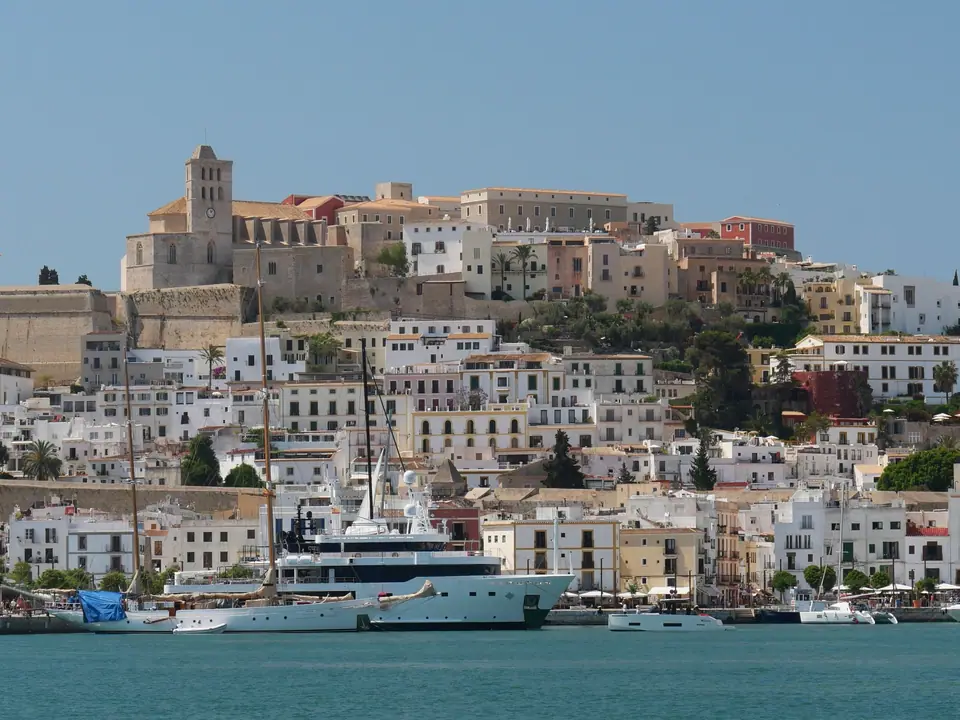
Ibiza spans forty kilometres of varied Balearic terrain, where pine-covered hills slope down towards clear Mediterranean waters. The capital harbour anchors the southern coastline, framed by medieval ramparts that rise steeply above whitewashed fishing quarters and active ferry docks.
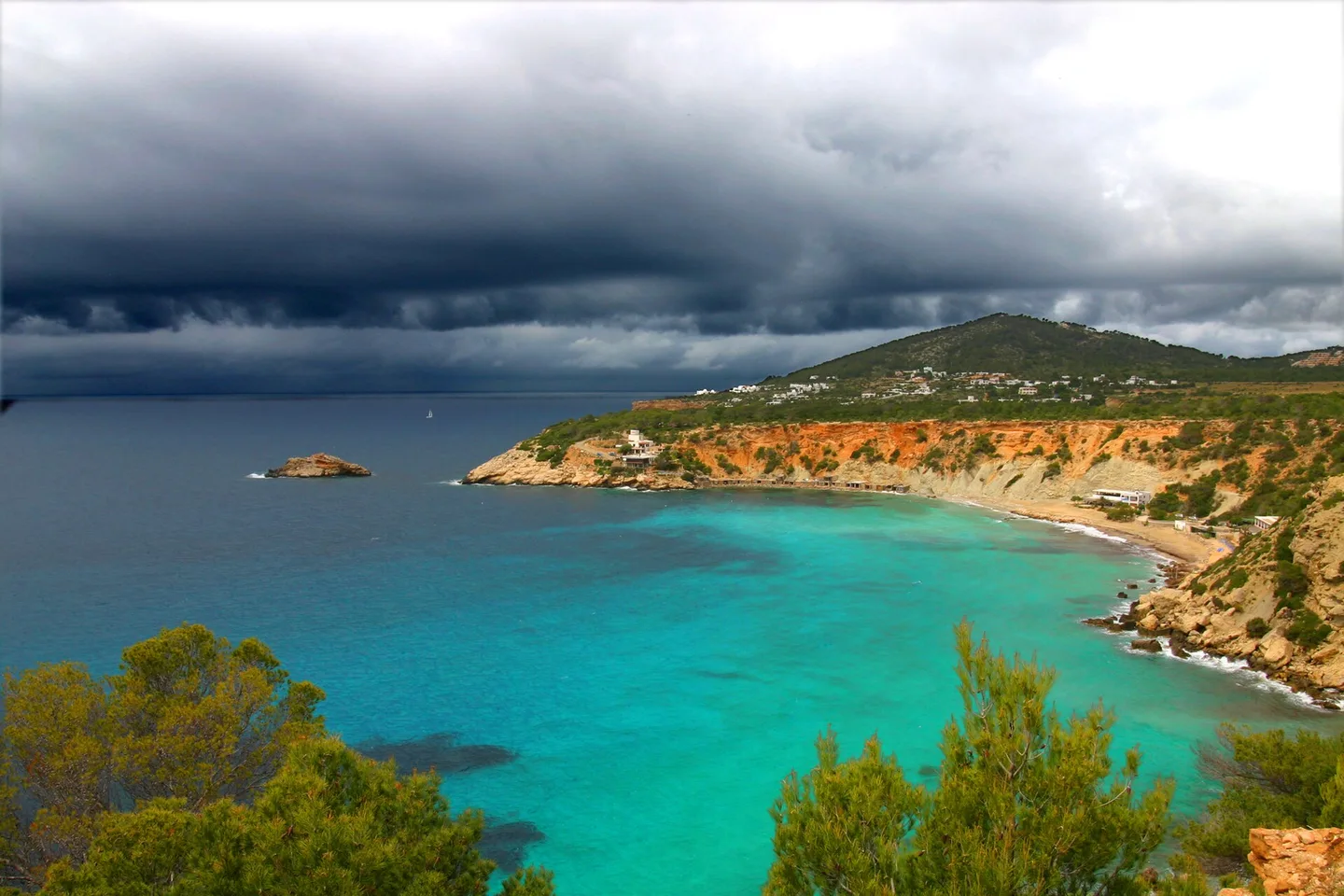
Beyond the historic harbour settlement, the island unfolds into peaceful farmland, rural stone hamlets, and sheltered sandy inlets. Protective marine seagrass meadows encircle the coast, filtering the sea into brilliant turquoise shallows that contrast with dark sandstone cliffs and fragrant juniper groves.
Summer brings long, arid days across the coastline, with average high temperatures reaching 30.6°C during July and August. Rainfall drops to minimal levels in midsummer, averaging just 2 millimetres in July across about 1 wet day. Spring and autumn offer milder hiking conditions, with April recording highs of 19.3°C and October reaching pleasant daytime marks of 23.9°C.
Getting there
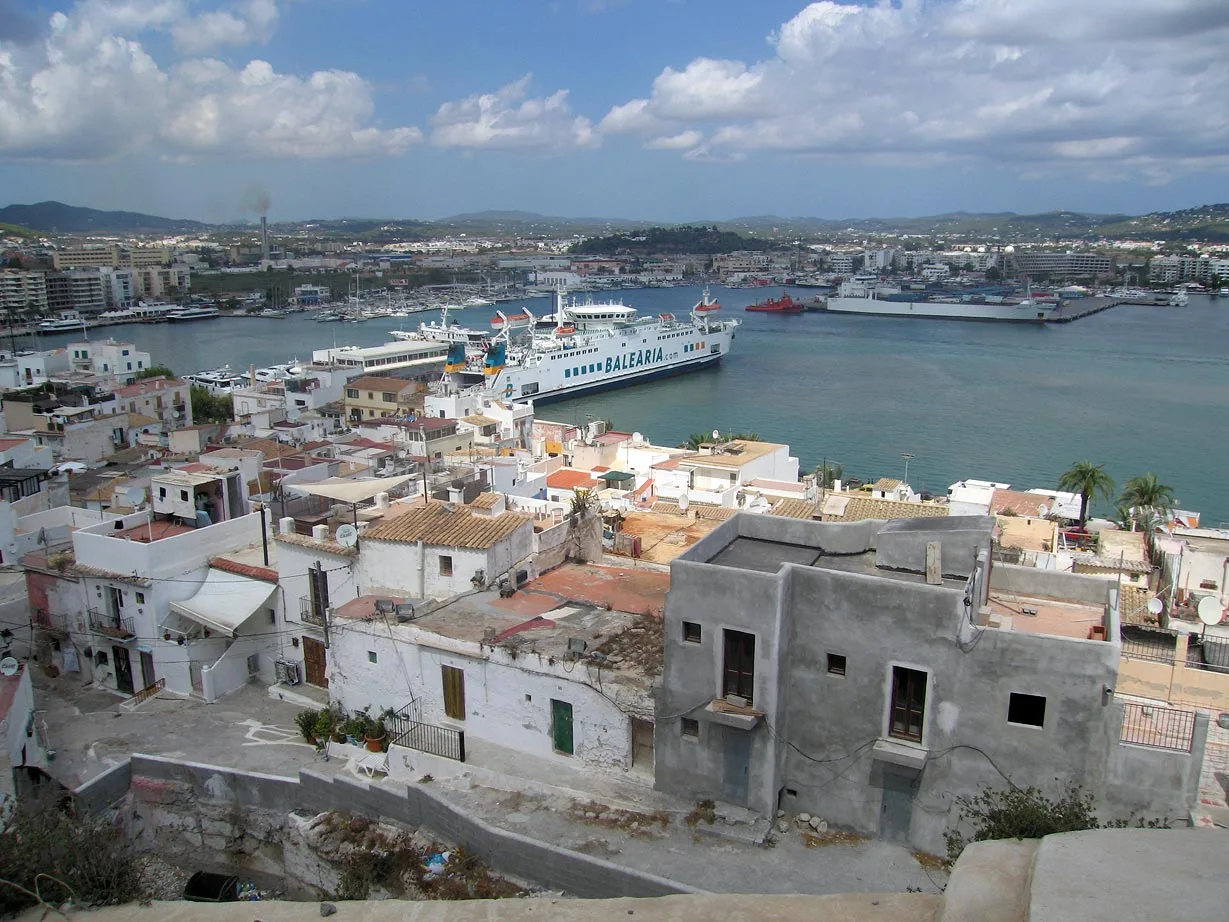
Arriving passengers land at the southern island airport, where dedicated L10 buses run straight to the central Eivissa bus station and AERO summer coaches reach Sant Antoni and Santa Eularia. Scheduled ferries link the main commercial port with Barcelona, Denia, Valencia, Mallorca and Formentera across the Balearic Sea.
Main island highways join the principal coastal towns on smooth tarmac, while rural detours narrow into unlit stone lanes behind stone terrace walls. Read our airport bus and ferry arrival details before booking a small hire vehicle or crossing from the mainland.
Municipal buses keep dependable routes running between Eivissa, Sant Antoni and Santa Eularia throughout the day, though northern village schedules thin out considerably. Licensed white taxis wait outside the arrivals hall and port quays, running on regulated regional metres with printed tariff sheets inside.
Where to stay
Ibiza Town suits car-free visitors seeking medieval rampart walks, lower marina bistros and frequent bus departures steps from harbourside guest houses. Staying in the old fishing district keeps museums, ferry quays and pedestrian alleys within an effortless walk.
Families and quieter travellers often settle in Santa Eularia on the eastern shore, valued for its wide sandy town bay and flat palm-lined promenade. Our eastern cove and coastal base comparison breaks down parking friction, hill climbs and bus coverage across every zone.
Rural farmsteads converted into boutique country inns dot the red-soil farmland around Santa Gertrudis in the interior. These quiet stone houses offer shaded fig gardens and quick road hops toward northern pine coves, far from late-night southern beach venues.
Things to do
Begin in cool morning air along the sixteenth-century Renaissance bastions of Dalt Vila, climbing through the stone Portal de ses Taules toward the cathedral plaza. From the upper bastion parapets, sweeping views stretch across red terracotta roofs and whitewashed lower harbour streets toward Formentera.
Continue down shaded cobbled lanes to the Puig des Molins necropolis, where roughly three thousand Phoenician and Punic rock-cut tombs sit beneath olive trees. Pair a self-paced citadel bastion walk with island archaeological sites and sheltered swimming bays to balance coast and heritage.
Across the southwest shore, limestone cliffs frame the dramatic offshore islet of Es Vedra and nearby turquoise swimming coves such as Cala d'Hort and Cala Comte. Coastal salt pans at Ses Salines catch late afternoon light beside pine-backed dunes and migratory wetland ponds.
Food and drink
Island cooking centres on morning boat landings, led by bullit de peix. Kitchens simmer firm rockfish with saffron potatoes, then cook rice in the remaining fish broth. Seafront chiringuitos and timber tables by small coves serve these two-course platters straight from open gas burners.
End meals with flaó, a traditional cheesecake baked with wild garden mint and fresh sheep curd, or flaky spiral ensaïmada dusted in icing sugar. Inland wine estates across the central plain bottle crisp white and pale rosé wines suited to warm coastal lunches.
Stone villages inland feature family kitchens grilling slow-roasted island lamb, crisp pepper salads and cured sobrassada sausages seasoned with sweet paprika. Tables shaded by spreading carob and fig trees give unhurried access to Ibiza's rural agricultural pantry.
Culture
Centuries of Mediterranean seafaring and Phoenician trade shaped rural island customs, where quiet whitewashed church squares keep a steady pace away from seasonal beach clubs. Visitors stepping inside historic parish chapels should dress modestly with covered shoulders and knees.

Strict Balearic marine protections shield shallow sand dunes and ancient Posidonia oceanica seagrass meadows, outlawing boat anchors above sensitive seabed beds. Build a five-day island circuit around morning coastal nature trails and unhurried harbour evenings.
Traditional folk dances known as ball pages still enliven patron saint festivals on dusty village squares beneath warm afternoon sun. Performers circle to wooden flutes and castanets, wearing layered linen skirts and heirloom gold empreendades necklaces.
Official prices and opening hours
- ALSA Ibiza Airport Bus (AERO3 and AERO2)Official site ↗
- Dalt Vila Renaissance Bastions and WalkwaysOfficial site ↗
- Museu d'Art Contemporani d'Eivissa (MACE)Official site ↗
- Puig des Molins Monographic Museum and Punic NecropolisOfficial site ↗
Weather by month
Ibiza is warmest in July, with average highs around 31°C, and coldest in January, when nights drop to about 10°C. September is the wettest month by rainfall (60 mm), with rain on about 7 days. For mild weather with fewer rainy days, aim for May.
| Month | Low | Range | High | Rain | Rainy days |
|---|---|---|---|---|---|
| Jan | 10°C | 15°C | 38 mm | 5 d | |
| Feb | 10°C | 16°C | 24 mm | 4 d | |
| Mar | 12°C | 17°C | 39 mm | 7 d | |
| Apr | 13°C | 19°C | 39 mm | 6 d | |
| May | 16°C | 23°C | 20 mm | 4 d | |
| Jun | 20°C | 27°C | 11 mm | 2 d | |
| Jul | 23°C | 31°C | 2 mm | 1 d | |
| Aug | 24°C | 31°C | 18 mm | 2 d | |
| Sep | 22°C | 27°C | 60 mm | 7 d | |
| Oct | 18°C | 24°C | 51 mm | 6 d | |
| Nov | 15°C | 19°C | 49 mm | 6 d | |
| Dec | 12°C | 17°C | 25 mm | 4 d |
Averages of daily values from 2015 to 2024. Rainy days are days with at least 1 mm of rain. Source: Open-Meteo · Compare destinations by month.
Ibiza on the map
Every place we cover in Ibiza. Tap a category or pin to explore.
In-depth Ibiza guides
Browse the guides grouped by topic: sights, neighbourhoods, food, transport, day trips and trip planning.
Sights, Landmarks & Parks
Key monuments, viewpoints, museums and nature trails.
 Ibiza Highlights: Dalt Vila Forts, Coastal Sights and Offshore IsletsIbiza balances UNESCO Renaissance bastions, ancient burial grounds, tranquil nature parks, and turquoise waters across a compact island.
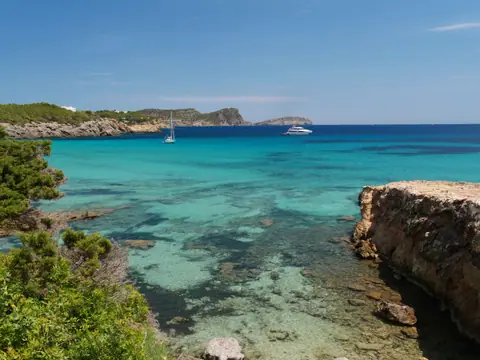 Ibiza Beach Guide: West Sunset Coves, South Dunes and North BaysWe map Ibiza coastal shores across turquoise western coves, protected southern nature dunes, and secluded northern rocky swimming bays.
Neighbourhoods & Where to Stay
Districts, historic quarters and the best bases for your stay.
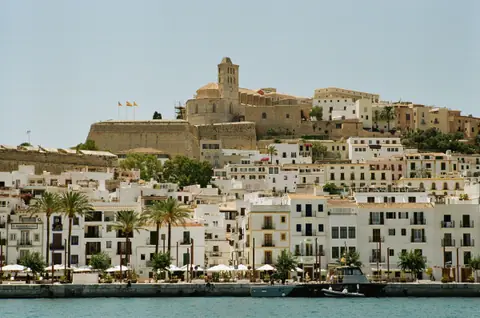 Dalt Vila: Renaissance Bastions, Stone Gates, and Ancient TombsRising steeply above the harbour, the Renaissance ramparts of Dalt Vila protect ancient streets, dramatic stone bastions, and coastal lookouts.
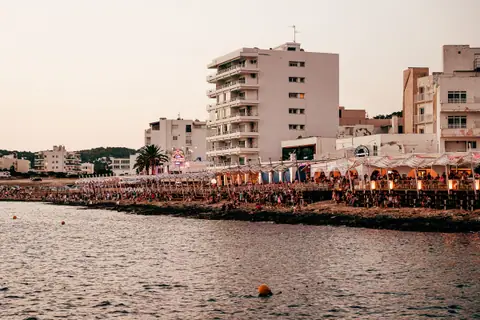 Ibiza Nightlife Guide: Club Districts, Sunset Bars and Late TransportIbiza nightlife spreads across separate coastal towns and rural motorways rather than concentrating along one single walkable strip.
 Where to Stay in Ibiza: Town Bases, Family Resorts and Northern VillagesChoosing the correct base on Ibiza shapes your daily transport routes, evening dining atmosphere, and overall night rest.
Getting Around & Arrival
Airport transfers, public transit, passes and driving rules.
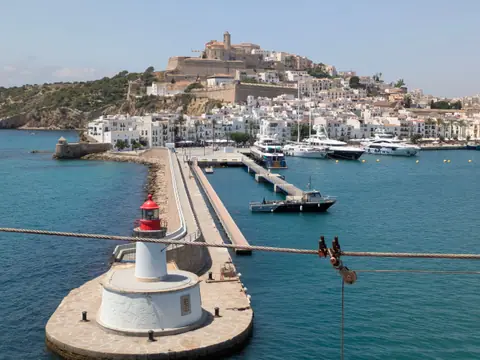
Trip Planning & Itineraries
When to visit, what to pack and day-by-day routes.
 Ibiza Orientation: South Coast, Sunset West, East Coast and NorthIbiza spans four distinct quarters, pairing fortified southern harbours with western sunset coves, family beaches, and peaceful northern hills.
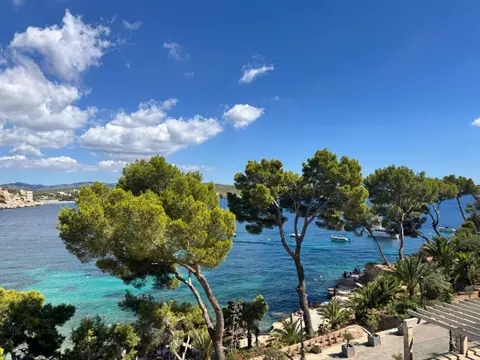 When to Visit Ibiza: Clear Swimming Waters, Spring Walks, and Quiet BastionsIbiza shifts from calm almond blossom valleys in early spring to warm swimming coves and quiet autumn ramparts.
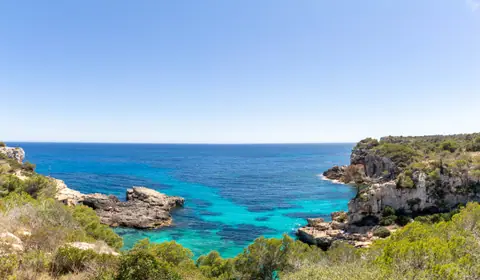 What to Wear in Ibiza: Cobble Shoes, Cove Sandals and Evening LayersPacking for the island demands grippy rubber soles for slick limestone alleys, protective water shoes for coves, and crisp evening layers.
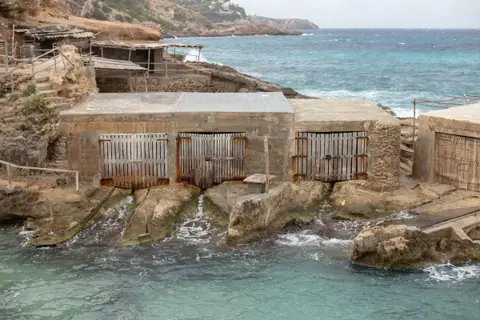 Ibiza in Five Days: Old Town Bastions, Formentera and Scenic CoastlinesWe arrange five balanced days exploring maritime ramparts, clear southern waters, and forested northern coves without rushing.
Need your embassy or consulate in Spain? See embassies and consulates in Spain.
Reviews
Log in to write a review.
No reviews yet.