Ibiza Orientation: South Coast, Sunset West, East Coast and North
Ibiza spans four distinct quarters, pairing fortified southern harbours with western sunset coves, family beaches, and peaceful northern hills.
Southern Fortress and Salt Marsh Coasts
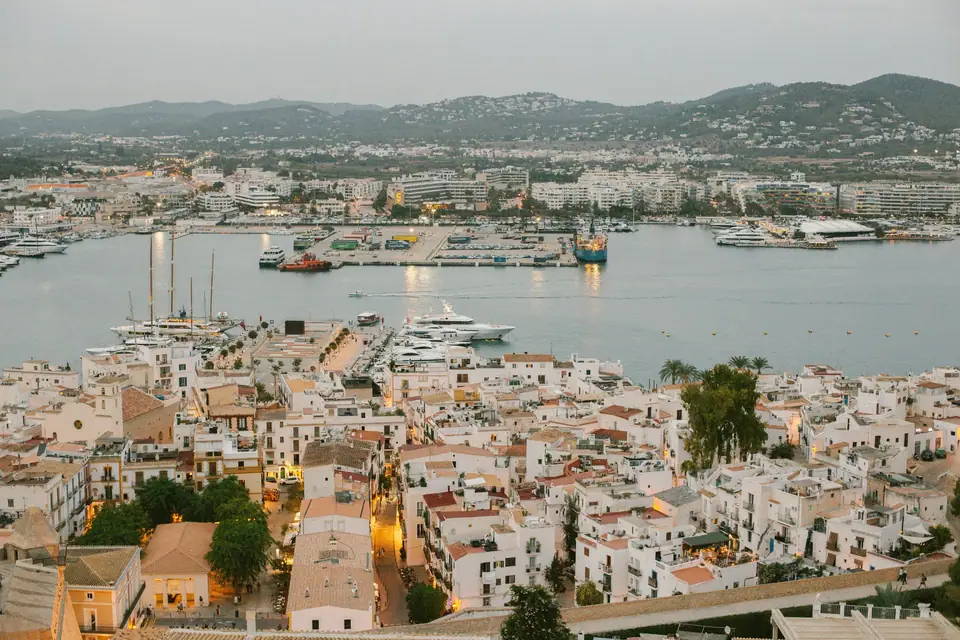
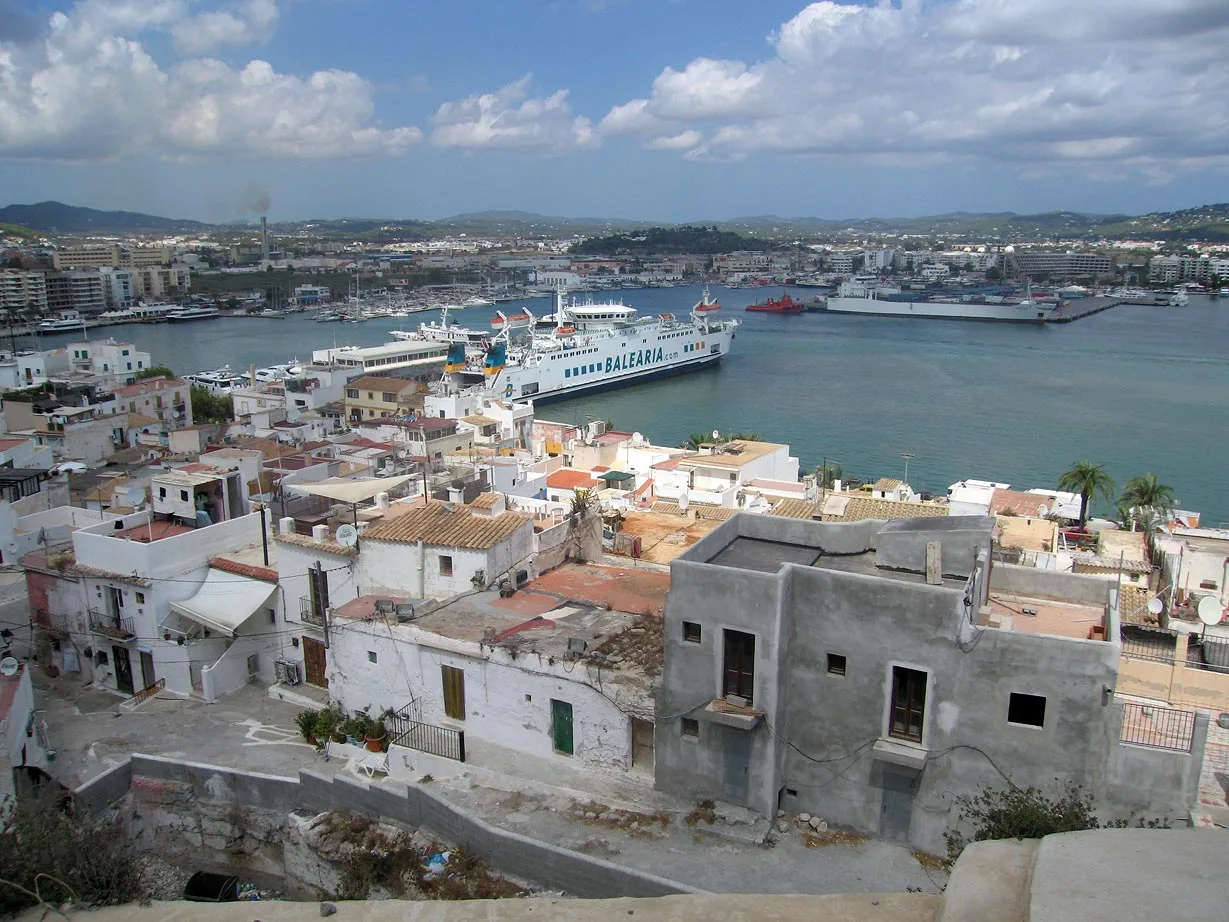
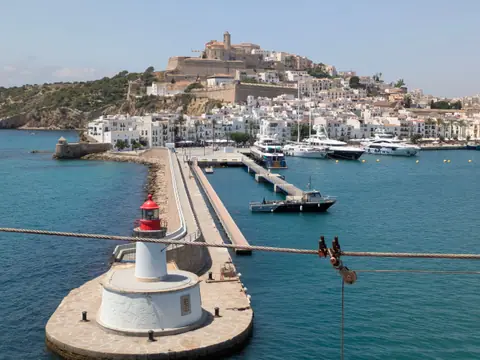
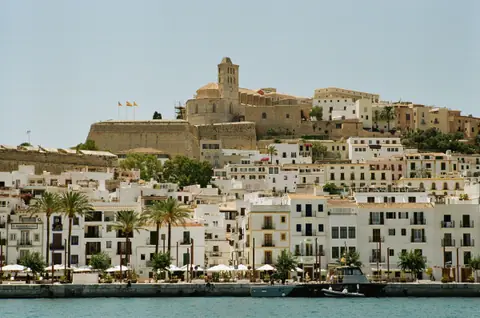
Ibiza measures roughly forty kilometres from north to south, yet its various shorelines present markedly different characters. Arriving visitors immediately observe how the landscape changes between rocky cliffs, open beaches, and sheltered anchorages. The southern littoral centres on the capital, where the Renaissance bastions of Dalt Vila rise high above the harbour moorings. Cobbled alleys twist upwards past whitewashed courtyard houses towards the stone battlements, giving expansive views across the Mediterranean towards Formentera. Below the castle slopes, modern marinas, dockside cafes, and traditional tapas bars cluster along maritime promenades. Fishing craft share the inner harbour channels with visiting sailboats, creating an active maritime atmosphere throughout the year.
A short distance further south, the landscape changes into the ancient salt flats of Ses Salines. Shallow evaporating pans reflect changing sky tones throughout the day, bordered by pine woodlands and sweeping sand dunes. Natural wetland reserves here attract migratory water birds, including flamingos feeding along the brackish shallow lagoons. Beachside footpaths connect open coves with wooden boardwalks that shelter delicate coastal shrubs and fragile coastal flora. Visitors seeking historic quarters and evening dining find this southern coastline exceptionally practical, with immediate access to island lodging bases near the main port.
Western Coves and Sunset Headlands
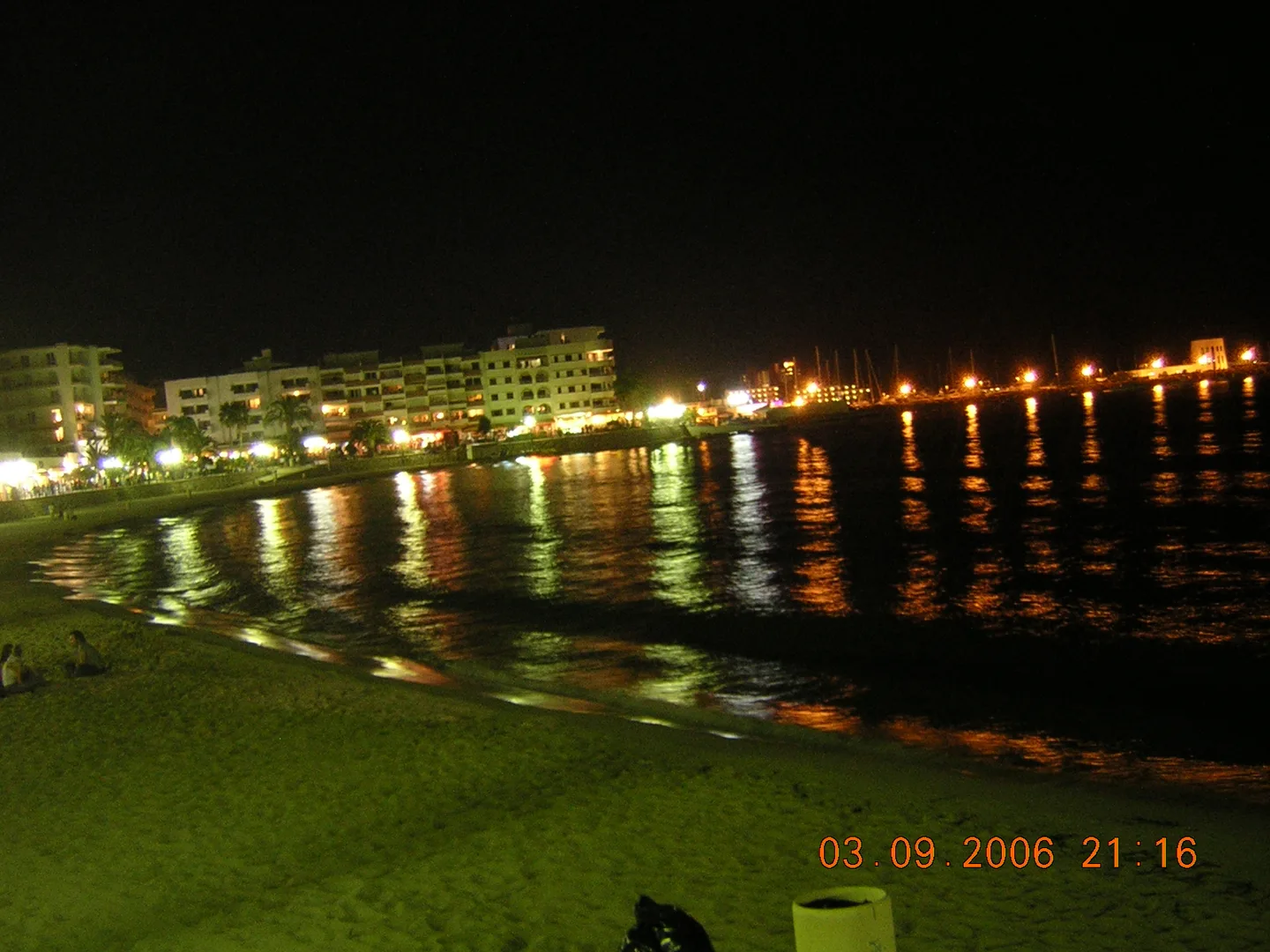
The western flank of the island curls around deep sea inlets and rocky bays facing the open evening horizon. Sant Antoni de Portmany anchors this district, fronting a wide natural bay filled with sailing craft, speedboats, and sheltered swimming pontoons. The town is famous for its western sunset promenades, where crowds gather on flat stone terraces as daylight dips below the sea. Music drifts across coastal paths, while nearby boat operators offer evening trips out towards rocky islets and uninhabited offshore reefs.
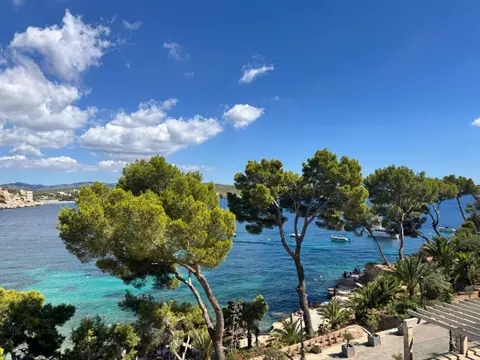
Beyond the main town strip, the western coast breaks into small pine-fringed coves with clear turquoise water and coarse golden sand. These steep inlets protect swimmers from southerly winds, though shoreline space fills quickly around midday during peak summer. Wooden boat slipways with weathered tin roofs lean against the cliff bases, offering shady spots beside fishermen sheds. Stepping along the coastal tracks exposes dramatic views over red clay cliffs and green maritime pine forests. Excursions to these rocky shelves benefit from exploring coastal swimming spots to select between wide sandbars and quiet snorkelling ledges.
Eastern Family Havens and Northern Valleys
Moving across to the eastern seaboard reveals a relaxed rhythm suited to families and long seaside luncheons. Santa Eularia des Riu serves as the civic anchor, known for its palm-shaded pedestrian promenade, modern marina, and calm sandy town bay. A small river with restored stone bridges trickles down into the Mediterranean, bordered by tranquil garden paths and native reeds. In the surrounding countryside, artisan markets draw visitors on dedicated market days, displaying handmade leather goods, ceramic tiles, and woven baskets under pine canopies. Local musicians often play acoustic instruments under the shade trees, adding a gentle soundtrack to morning market shopping.
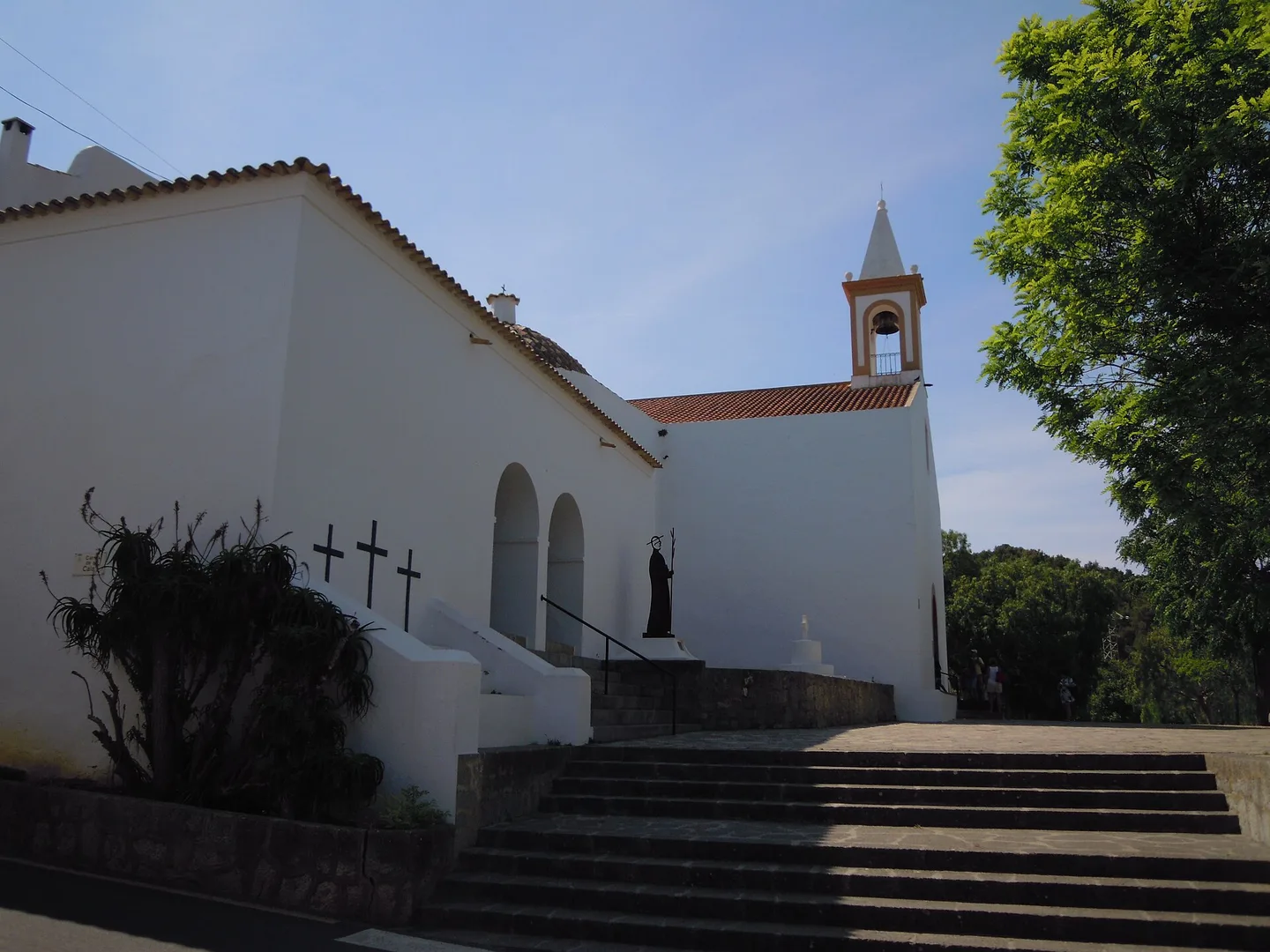
Further up into the interior, rural valleys rise towards the rugged northern cape around Sant Joan de Labritja. Here, terraced hillsides hold olive groves, carob plantings, and almond trees, interspersed with traditional cubic farmhouses called fincas. The roads narrow into single-track asphalt lanes flanked by hand-built drystone walls and wild fig trees. Small rural villages feature quiet parish churches with whitewashed bell gables, surrounded by traditional bakeries and shaded village squares. Life moves at an unhurried pace across these uplands, where agriculture remains tied to seasonal rainfall and small family orchards.
Island Transit, Rental Cars and Local Roads
Travelling between regions requires thoughtful planning based on your planned stops and chosen pace. The main provincial towns connect through dependable public bus routes and seasonal water taxis that link outer harbour beaches. Regular cross-island bus corridors connect the airport directly with central Ibiza Town, Santa Eularia, and Sant Antoni bay. Major transit options across the different quarters include the following practical services:
- Public ALSA bus corridors connect the airport directly with central Ibiza Town and Sant Antoni bay.
- Regular cross-island coaches link the capital with Santa Eularia and regional craft markets.
- Hiring a small rental car remains essential for reaching isolated northern coves and inland olive groves.
- Local water taxis offer scenic shuttle connections between town harbours and nearby swimming bays.
- Licensed taxi ranks operate at the airport terminal, town ferry docks, and principal hotel strips.
Confirming your travel logistics through island arrival routes guarantees a smooth start before collecting hire vehicle keys. Driving on the island is generally uncomplicated, though rural tracks can turn rocky and narrow without advance warning. Parking near crowded western sunset spots or southern beaches demands early morning arrival or patience along dusty perimeter lanes. Hiring a compact car simplifies navigating tight village turns and squeezing into smaller roadside bays.
Traditional Gastronomy and Coastal Flavours
Local gastronomy reflects both coastal fishing catches and hearty farming heritage. Coastal tavernas prepare bullit de peix, a rich fish stew cooked with potatoes, saffron broth, and sweet local rockfish. Kitchens then use the residual seafood broth to cook thin rice called arroz a banda, served alongside thick garlic alioli. Inland kitchens offer sofrit pages, a traditional meat stew prepared with farm poultry, lamb, spiced sausages, and local potatoes. Sweet almond cakes and fragrant herb liqueurs, known as hierbas ibicencas, round out traditional meals across rural farm restaurants.
For dessert, bakeries slice flaó, an ancient pastry tart filled with soft sheep cheese, eggs, and garden spearmint leaves. Local bakeries also produce ensaimadas dusted with powdered sugar, pairing well with morning coffee along shaded village plazas. Balancing days between seaside fish houses, remote hills, and historic bastions reveals the true geographical breadth of the island. Every quarter contributes distinct flavours, scenery, and traditions to your Mediterranean journey.
Official prices and opening hours
- ALSA Ibiza Airport Bus (AERO3 and AERO2)Official site ↗
- Dalt Vila Renaissance Bastions and WalkwaysOfficial site ↗
Where it is
- 1Ibiza
- Ibiza Airport (IBZ) · about 6 km from Ibiza in a straight line
- Directions in Google Maps
Stations and taxi ranks: OpenStreetMap. Airports: OurAirports. Distances are in a straight line.
Traveller tips
Real advice from people who have been to Ibiza. Every tip is read by our team before it goes live.
No tips yet. Been here? Yours could be the first.
Thank you! Your tip will appear here after a quick review.
More in Ibiza
Continue exploring Ibiza with related neighbourhood, food, and planning guides
Arriving in Ibiza: Airport Coaches, Ferries and Getting Around
Ibiza, Spain
When to Visit Ibiza: Clear Swimming Waters, Spring Walks, and Quiet Bastions
Ibiza, Spain
What to Wear in Ibiza: Cobble Shoes, Cove Sandals and Evening Layers
Ibiza, Spain
Dalt Vila: Renaissance Bastions, Stone Gates, and Ancient Tombs
Ibiza, Spain
