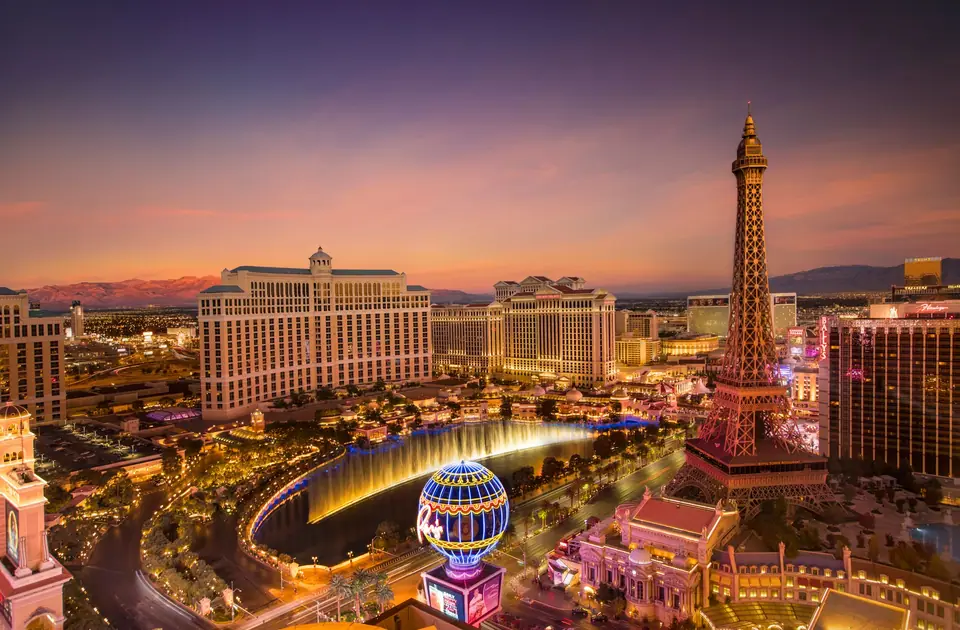
Las Vegas
Las Vegas joins mega-resort avenues, vintage neon streets, and Mojave Desert trails within southern Nevada.
Quick decisions
How many days?
Three days allow unhurried walks across central resort promenades, neon museums, and an afternoon canyon loop along a three-day city and desert plan.
Where should I stay?
Choose central resort avenues for foot access, or pick Downtown along Fremont Street for vintage hotels across Las Vegas neighbourhood bases.
Do I need a car?
Resort areas run easily on buses and the elevated monorail. Hire a car strictly for Red Rock Canyon, Valley of Fire or Hoover Dam.
Best for
Travellers keen on open architectural walks, stage productions, mid-century neon landmarks, and red sandstone desert ridges.
Before you go
Pack light breathable layers and sunscreen. Summer highs hit 40.8°C in July while December nights drop to 3.7°C.
Getting around
Board the RTC Deuce double-decker bus along Las Vegas Boulevard, or ride the eastern monorail bypassing vehicle traffic.
Continue your trip
Pair bright resort avenues with canyon highways on Mojave desert excursions or drive east toward the Grand Canyon.
Overview
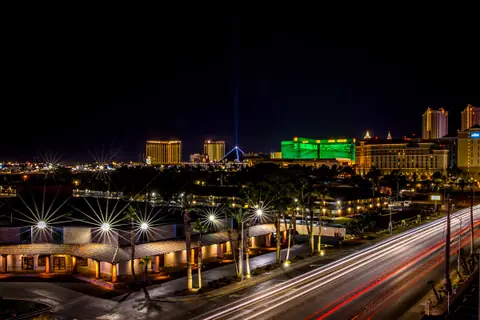
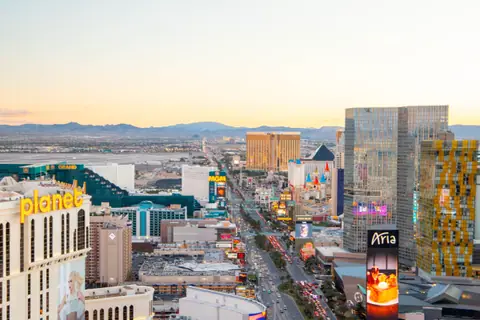
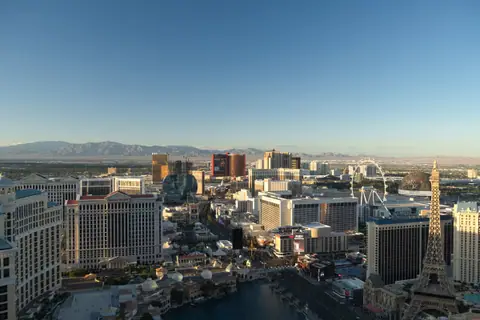
Las Vegas rises from the dry floor of the Mojave Desert, shaped by bright neon marquees, sprawling casino hotels, and rugged limestone peaks encircling the basin. Most visitors stay concentrated along the resort boulevard, where monumental properties stand side by side across overhead pedestrian walkways. Stepping outside the resort strip reveals historic civic avenues, mid-century residential streets, and quiet desert reserves across Clark County. Nearly 2.4 million metropolitan residents anchor broad suburban valleys reaching out toward neighbouring Nevada mountain ridges.
Understanding local boundaries saves substantial foot miles under bright desert skies. The Strip sits just south of city limits in unincorporated Paradise and Winchester, whereas original 1905 streets and the Fremont corridor anchor municipal Downtown northward. Surrounding mountain ridges frame every skyline corridor, bringing cooler desert nights once bright sunlight fades behind the Spring Mountains.
Getting there
Harry Reid International Airport sits roughly ten kilometres south of Downtown beside the southern resorts, making arrival transfers short and direct. RTC buses pick up passengers outside Level Zero at arrivals, linking incoming flights smoothly with the South Strip Transfer station and Fremont Street. Dedicated rideshare parking decks and metered airport taxi ranks operate directly outside baggage halls.
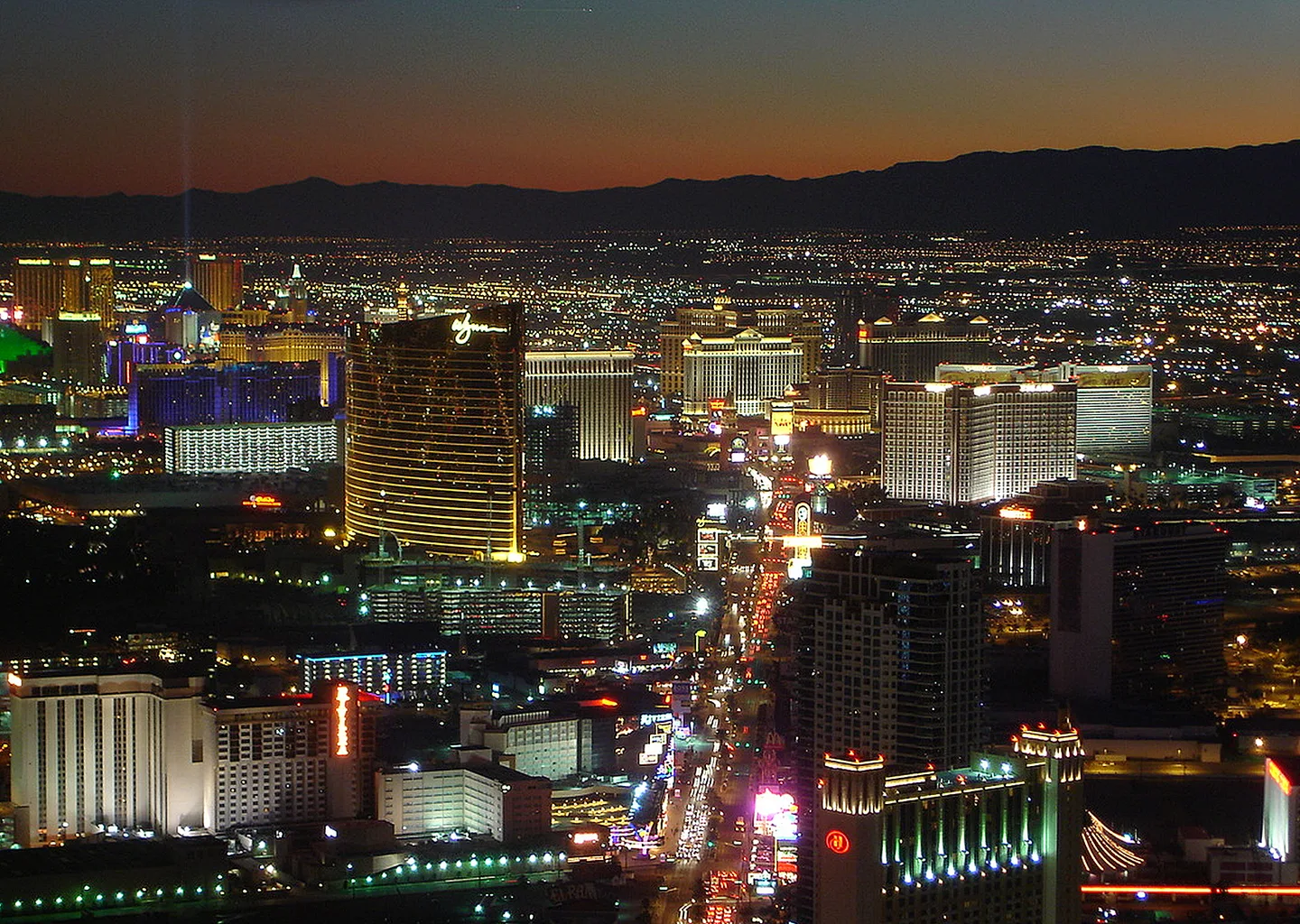
Moving up and down the resort corridor works best by 24-hour RTC Deuce coaches or the east-side elevated monorail between SAHARA and MGM Grand. Neighbouring resorts look deceptive on maps because multi-lane crossings, overhead escalators, and vast lobby floors stretch every walk. Plan airport connections and transfer lines across Las Vegas airport and boulevard transit links before landing.
Where to stay
Choosing a base depends on your walking pace, garage parking budget, and evening plans. Mid-Strip resorts near Flamingo Road keep fountains, gardens, and promenades within easy foot loops, though crossing between lifts and kerb exits takes effort. Northern towers run calmer beside the eastern Monorail station, while South Strip properties sit closest to airport access.
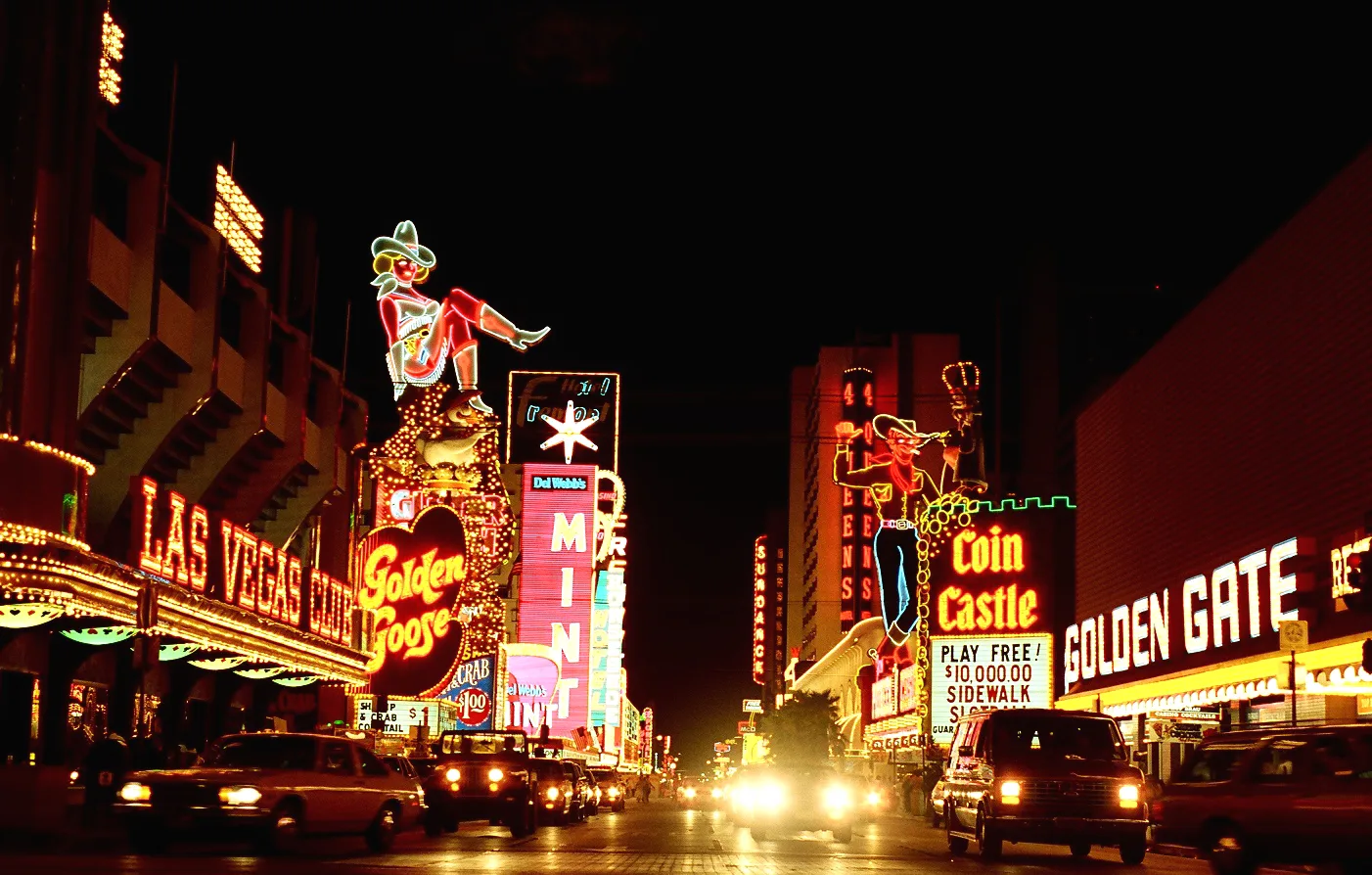
Downtown hotels along Fremont Street offer compact block distances, lower base room rates, and direct bus hops south. Non-gaming towers one block off Las Vegas Boulevard suit visitors wanting calmer lobbies without slot noise. Factor mandatory nightly resort fees and self-parking charges across Strip and Downtown hotel districts before locking bookings.
Things to do
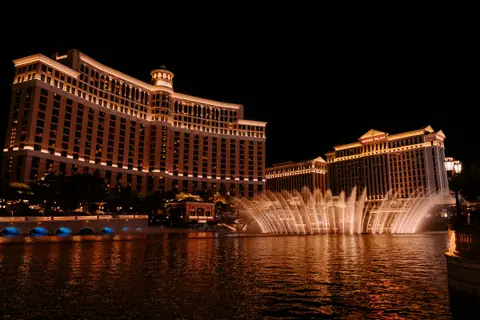
Non-gambling highlights stretch from botanical conservatory gardens and outdoor Strip fountains up to downtown civic landmarks. High-observation cabins and visual domes line the central promenade, while shaded indoor arcades link European-style canals and marble plazas. North in the original town core, the Mob Museum fills the restored former federal courthouse and post office, while the Neon Museum preserves rescued mid-century commercial marquees outdoors.
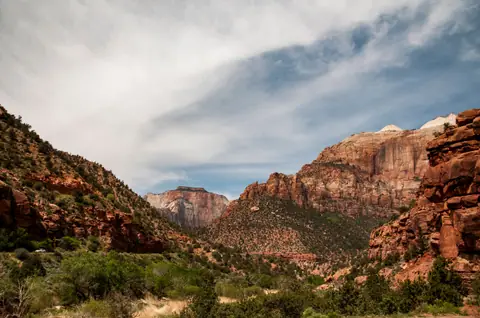
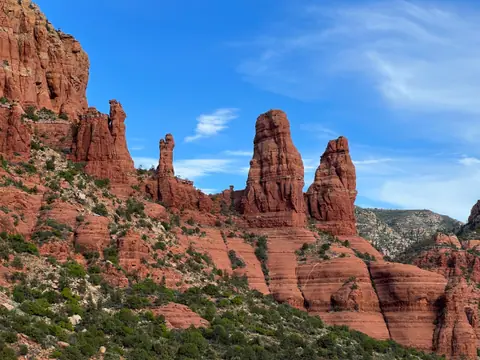
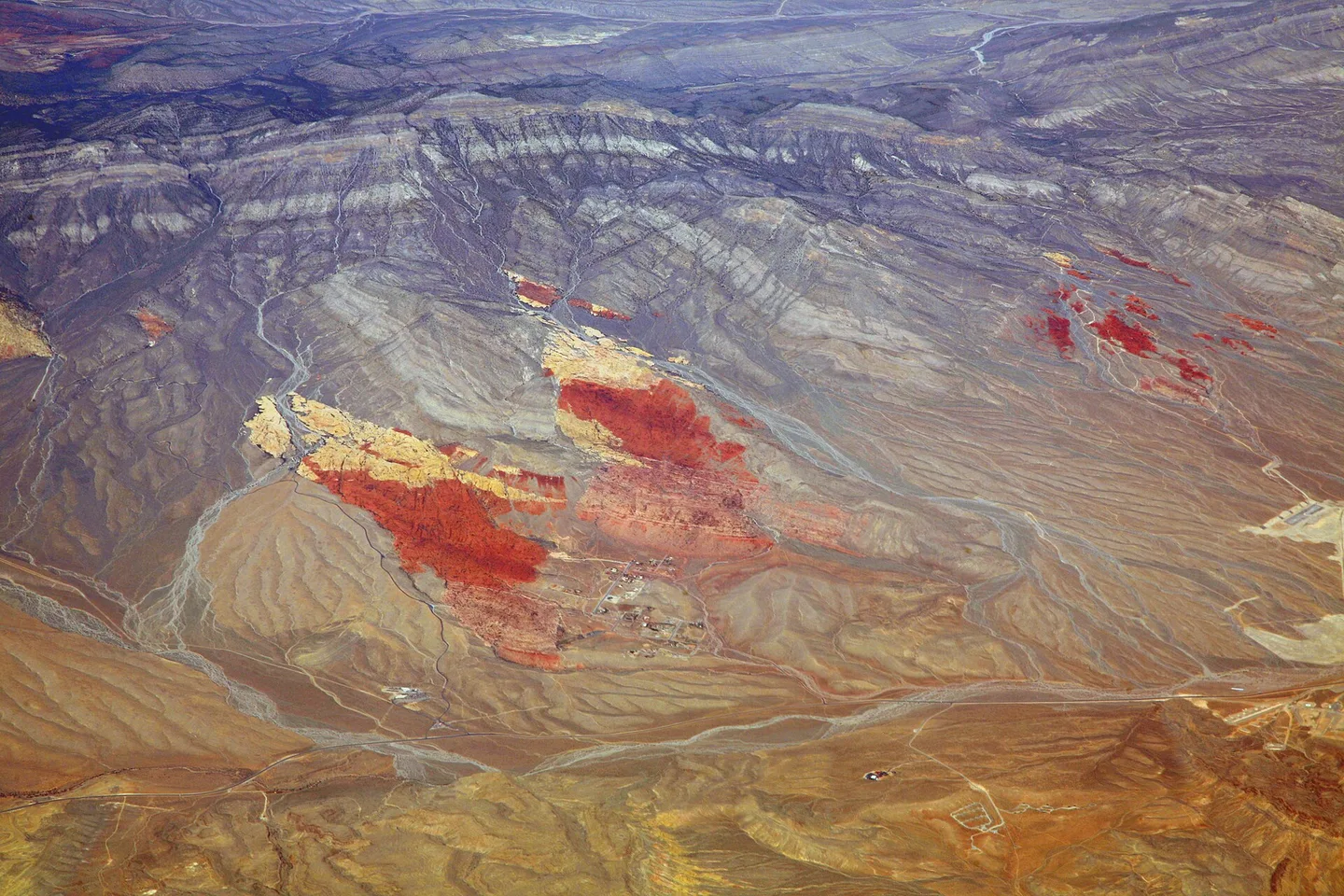
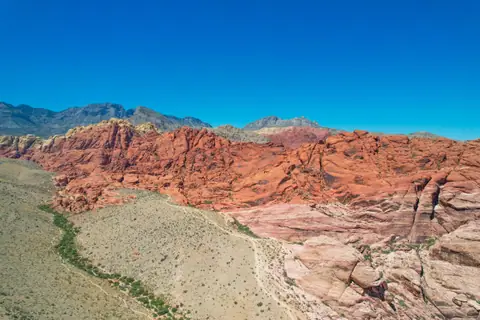
West of Downtown, the Springs Preserve botanical trails and Nevada State Museum chronicle desert water history and early Mojave habitats. Outside the valley grid, Calico red sandstone cliffs rise cleanly inside Red Rock Canyon, while Hoover Dam spans Black Canyon roughly thirty miles southeast. Trace pedestrian overpasses using our Strip walking route alongside non-casino city landmarks.
Food and drink
Dining across the valley stretches well beyond historic casino buffet halls. Prominent chefs oversee wood-fired steakhouses, fresh seafood counters, and French patisseries inside major resort corridors along the boulevard. Casual counter spots along pedestrian promenades sit beside formal multi-course tasting dining rooms serving fresh coastal fish and wood-grilled meats.
Downtown blocks around Fremont East and the 18b Arts District offer a grounded contrast away from hotel towers. Independent roasters, neighbourhood taquerias, brick-oven pizza kitchens, and small local craft breweries fill converted mid-century industrial storefronts along Main Street. Neighbourhood cafes give visitors calm breakfast and lunch stops without navigating crowded casino floors.
Culture
Las Vegas customs reflect both mid-century desert boom history and modern hospitality norms. Casual clothes suit gaming lobbies by day, while upscale dining rooms expect smart trousers and closed shoes. Patrons must carry valid photo identification at all times to satisfy Nevada's strictly enforced 21-plus age rules around gaming zones and bar counters. Tipping valet staff, bartenders, taxi drivers, and dining room servers remains standard practice across every resort and downtown venue.
Desert weather shapes daily schedules across the entire year, climbing to 40.8°C average July highs with just 8 millimetres of summer rain before cooling toward 14.3°C January highs. Carry drinking water outdoors and wear high-grip walking trainers over heated pavement crossings. Schedule Red Rock Canyon or Hoover Dam outings early in the morning before fierce midday sun peaks across open sandstone trails. Pack adaptable layers using our desert footwear and heavy indoor air-conditioning clothing advice.
Official prices and opening hours
- RTC The Deuce (Strip & Downtown Bus)Official site ↗
- Las Vegas Monorail (SAHARA to MGM Grand)Official site ↗
- Fountains of BellagioOfficial site ↗
- Red Rock Canyon 13-Mile Scenic DriveOfficial site ↗
- Hoover Dam & Mike O’Callaghan–Pat Tillman BridgeOfficial site ↗
Weather by month
Las Vegas is warmest in July, with average highs around 41°C, and coldest in December, when nights drop to about 4°C. January is the wettest month by rainfall (23 mm), with rain on about 4 days. For mild weather with fewer rainy days, aim for April and November.
| Month | Low | Range | High | Rain | Rainy days |
|---|---|---|---|---|---|
| Jan | 4°C | 14°C | 23 mm | 4 d | |
| Feb | 5°C | 17°C | 16 mm | 3 d | |
| Mar | 9°C | 21°C | 15 mm | 4 d | |
| Apr | 14°C | 27°C | 5 mm | 2 d | |
| May | 18°C | 31°C | 5 mm | 1 d | |
| Jun | 24°C | 38°C | 2 mm | 0 d | |
| Jul | 28°C | 41°C | 8 mm | 2 d | |
| Aug | 26°C | 39°C | 13 mm | 2 d | |
| Sep | 22°C | 35°C | 9 mm | 1 d | |
| Oct | 15°C | 28°C | 6 mm | 2 d | |
| Nov | 8°C | 20°C | 9 mm | 1 d | |
| Dec | 4°C | 14°C | 13 mm | 2 d |
Averages of daily values from 2015 to 2024. Rainy days are days with at least 1 mm of rain. Source: Open-Meteo · Compare destinations by month.
Las Vegas on the map
Every place we cover in Las Vegas. Tap a category or pin to explore.
In-depth Las Vegas guides
Browse the guides grouped by topic: sights, neighbourhoods, food, transport, day trips and trip planning.
Sights, Landmarks & Parks
Key monuments, viewpoints, museums and nature trails.
Neighbourhoods & Where to Stay
Districts, historic quarters and the best bases for your stay.
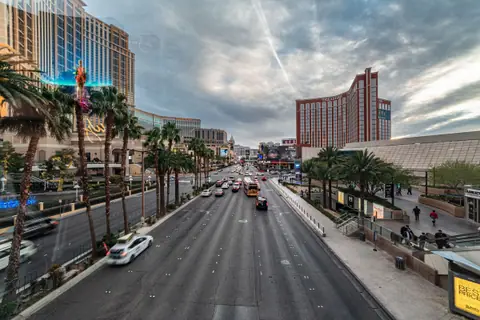 Las Vegas Strip Walking Route: Bridges, Trams, and Shaded CasinosWalking the Las Vegas Strip requires navigating multi-lane junctions, elevated pedestrian bridges, and connecting free resort trams across major casino properties.
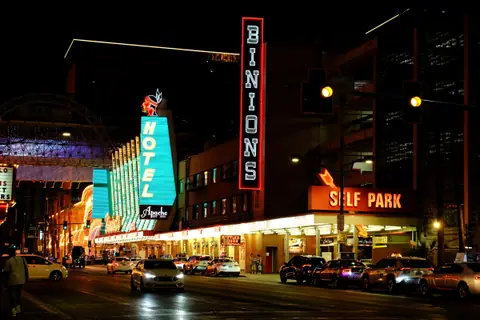 Downtown Las Vegas: Fremont Street and the Arts DistrictDowntown Las Vegas preserves the original 1905 town grid across pedestrian neon canopies, historic museums and Arts District studios.
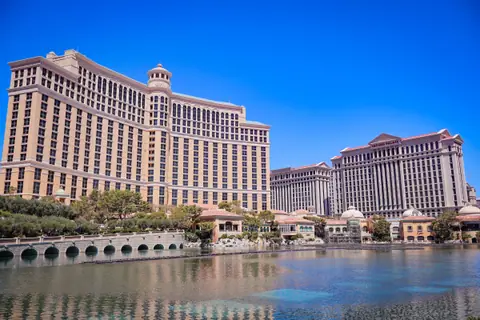 Where to Stay in Las Vegas: Strip and Downtown BasesCentral boulevard resorts, quieter southern quarters, and northern casino towers help travellers choose the ideal accommodation base.
Getting Around & Arrival
Airport transfers, public transit, passes and driving rules.
Day Trips & Excursions
Easy half-day and full-day trips from the city.
Trip Planning & Itineraries
When to visit, what to pack and day-by-day routes.
 Las Vegas: Practical Logistics and City LayoutUnderstanding the surprising scale and two distinct municipal districts makes exploring Las Vegas far smoother on arrival.
 When to Visit Las Vegas for Desert Trails and Cool NightsChoosing the ideal season in Las Vegas depends on balancing mild desert temperatures with midday outdoor excursions and resort pool hours.
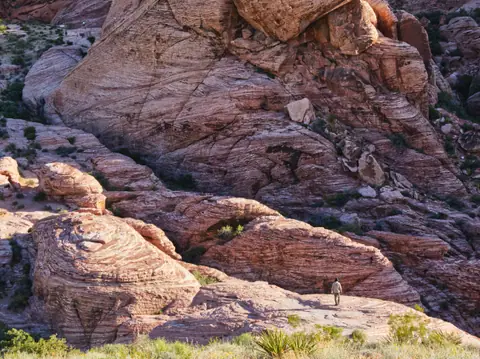 What to Wear in Las Vegas: Packing for Chilled Casinos, Strip Walks, and Desert HeatPacking for Las Vegas requires balancing fierce Mojave desert heat outdoors with heavily air-conditioned resorts, long walkways, and strict evening dress codes.
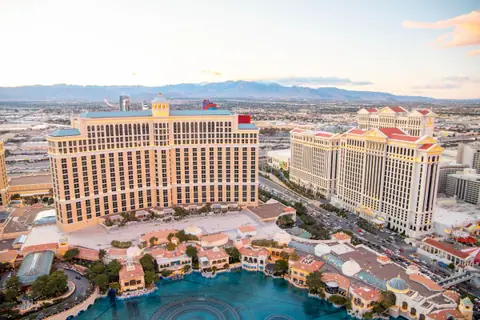 Las Vegas in Three Days: Strip, Desert, and DowntownWe balance neon spectacles on the Strip with Red Rock Canyon sandstone, historic downtown venues, and local desert gardens over three complete days.
Upcoming events in and near Las Vegas
Concerts, festivals and tours with their own guide on JourneyCities. Check dates with the organiser before you book.
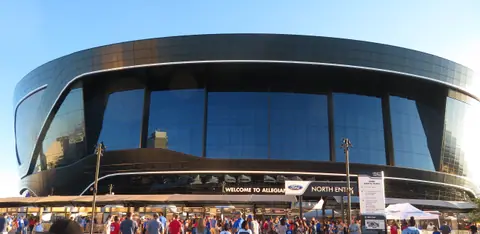 U2 at Allegiant Stadium Las Vegas 2027: Date, Trams & Tickets9 October 2027 · Allegiant Stadium, Las Vegas
 When We Were Young 2027 at Las Vegas Festival Grounds16 October 2027 · Las Vegas Festival Grounds, Las Vegas
 P.NK at Sphere Las Vegas: Residency Dates and Planning Details29 September to 30 October 2027 · Sphere, Las Vegas
 Rush at Sphere Las Vegas 2027: Residency Dates, Monorail Access and Tickets21 May 2027 to 26 June 2027 · Sphere, Las Vegas
 Foreigner at Venetian Theatre, Las VegasMarch 10, 12, 13, 17, 19 and 20, 2027 · Venetian Theatre, Las Vegas
 Metallica: Life Burns Faster Residency at Sphere, Las VegasOct 2026 - 13 Mar 2027
Need your embassy or consulate in United States? See embassies and consulates in United States.
Reviews
Log in to write a review.
No reviews yet.