Where to Stay in Las Vegas: Strip and Downtown Bases
Central boulevard resorts, quieter southern quarters, and northern casino towers help travellers choose the ideal accommodation base.
Finding the right district along the Las Vegas boulevard shapes your daily walking pace, dining choices, and transit routines. First-time visitors generally gravitate towards central casino resorts, while regular travellers often prefer quieter perimeter zones or northern glass towers. Understanding distances linking major pedestrian crossings helps you avoid exhausting mid-afternoon walks under intense desert heat. Pick a base matching your primary plans, whether you focus on arena shows, dining halls, or boulevard walks.
Centre Strip Base from Flamingo Road to Spring Mountain Road
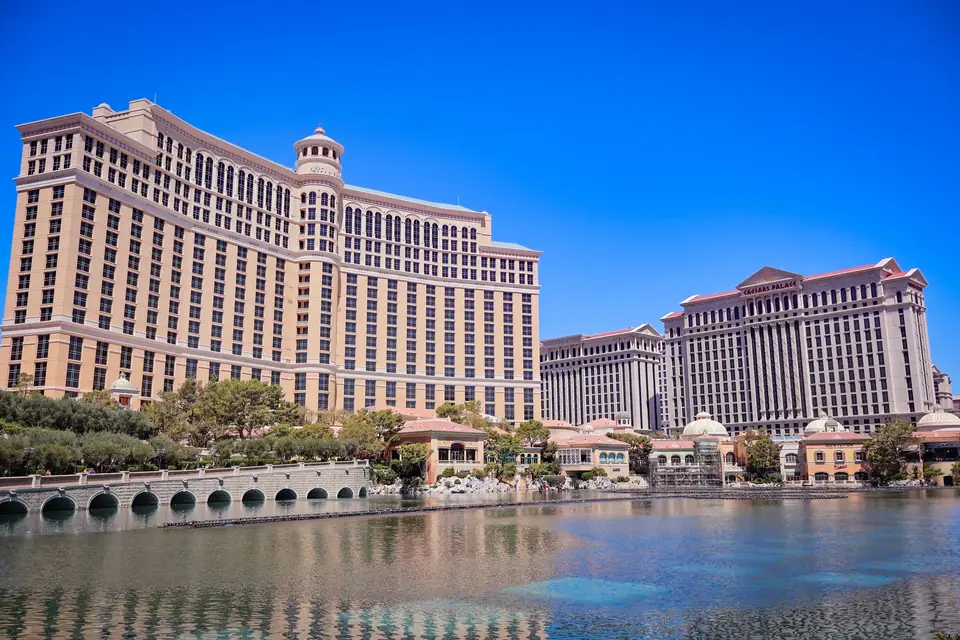
The Centre Strip corridor along Las Vegas Boulevard South near Flamingo Road and Spring Mountain Road stays most accessible for pedestrians. Staying in this central pocket places you close to Bellagio, Caesars Palace, The LINQ, Flamingo, and The Venetian. Elevated skywalks span busy junctions so walkers move across opposing pavements without waiting for street signals. Short foot hops across adjacent properties keep midday room breaks effortless.
Because this stretch concentrates famous casino lobbies and fountains, street crowds stay lively day and night. Guests step straight out toward promenades, outdoor fountains, and varied dining patios. When mapping daily plans with curated Las Vegas activities, staying mid-strip trims long commutes back after evening events.
Dining options along the Centre Strip span casual grab-and-go spots to upscale multi-course venues. Navigating this central cluster on foot lets you explore multiple properties before returning quickly to your room. Mid-strip bases give you direct access to frequent bus routes running north and south along the boulevard. For active sightseers who prefer minimal transit delays, this core section serves as a practical jumping-off point.
South Strip Resorts near Airport Links and Arenas
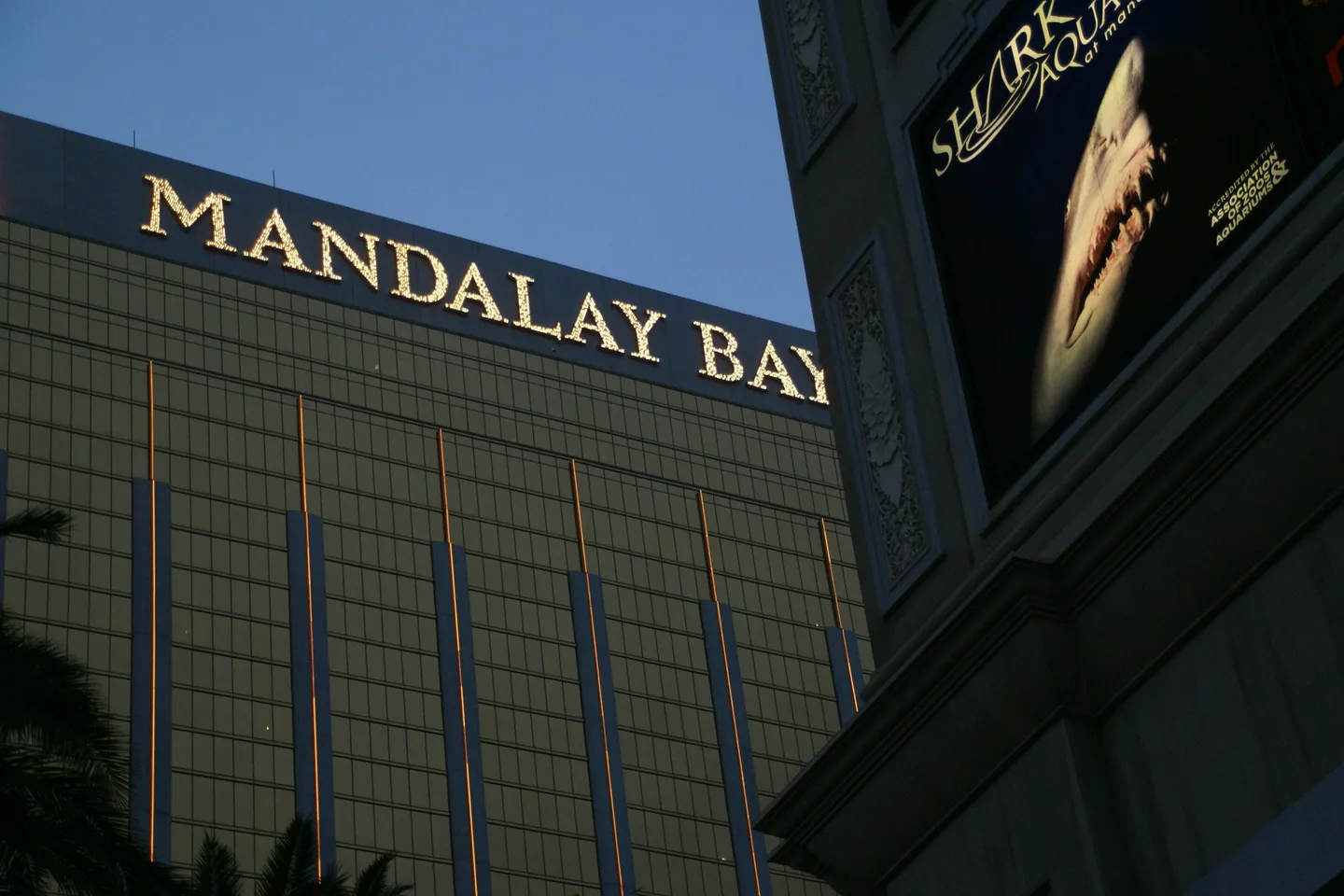
The South Strip extends from Tropicana Avenue down towards Mandalay Bay, offering a self-contained environment with expansive resort grounds. This southern district sits closest to Harry Reid International Airport, keeping transfer times short after landing. Sports supporters and concert attendees benefit from immediate proximity to T-Mobile Arena and Allegiant Stadium. An elevated complimentary tram links Mandalay Bay, Luxor, and Excalibur, letting you bypass pavement crowds entirely across three connected properties.
Atmospheres in this southern section change south of Sunset Road, where open sky and quieter boundaries prevail. The casino complexes here feature immense footprint sizes, expansive pool decks, and extensive conference centres. Walking north towards the central core requires considerable effort, so ride public transit or cars beyond Tropicana Avenue. Packing light clothing and supportive shoes from our guide on desert packing and indoor air-conditioning layers keeps longer southern promenade walks pleasant.
Resorts in this southern quarter frequently offer self-contained amenities that make leaving the grounds optional. Massive pool decks, varied buffet halls, and casual lounges keep meals and dining options under one roof. Guests attending trade fairs or weekend sports tournaments value the swift access to highway exits and airport roads. Reduced pavement congestion makes southern blocks calmer for families and larger tour groups.
North Strip Towers and Monorail Terminus Connections
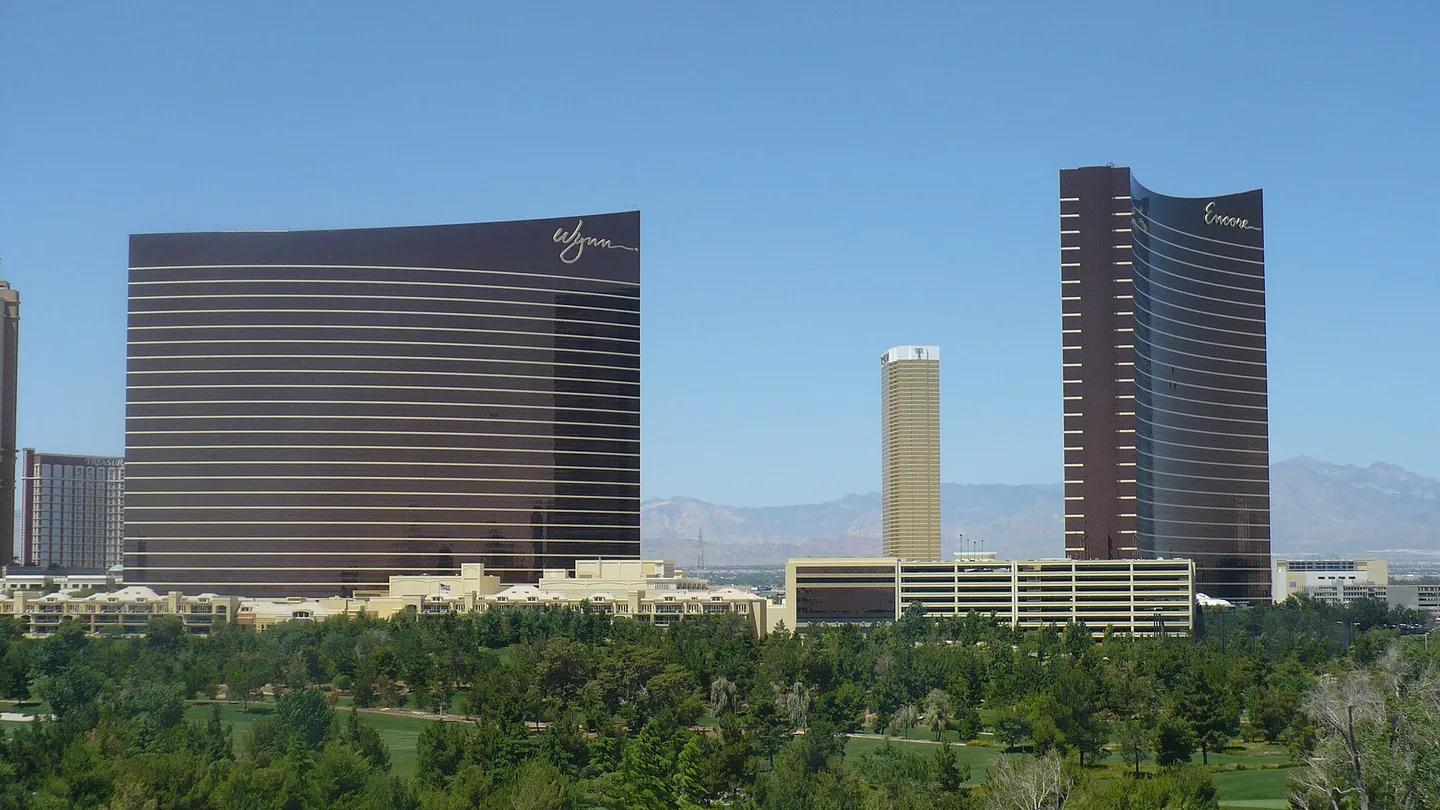
The North Strip features modern glass towers, including Wynn, Encore, Resorts World, and Fontainebleau, alongside established landmarks like Sahara. The pedestrian environment feels notably different here, defined by wider boulevard pavements, longer spans linking properties, and sleek architecture. Interior walkways within newer resorts house fine dining rooms, upscale shopping arcades, and quiet spas. Travellers seeking calm retreats away from dense mid-strip crowds often prefer these northern towers.
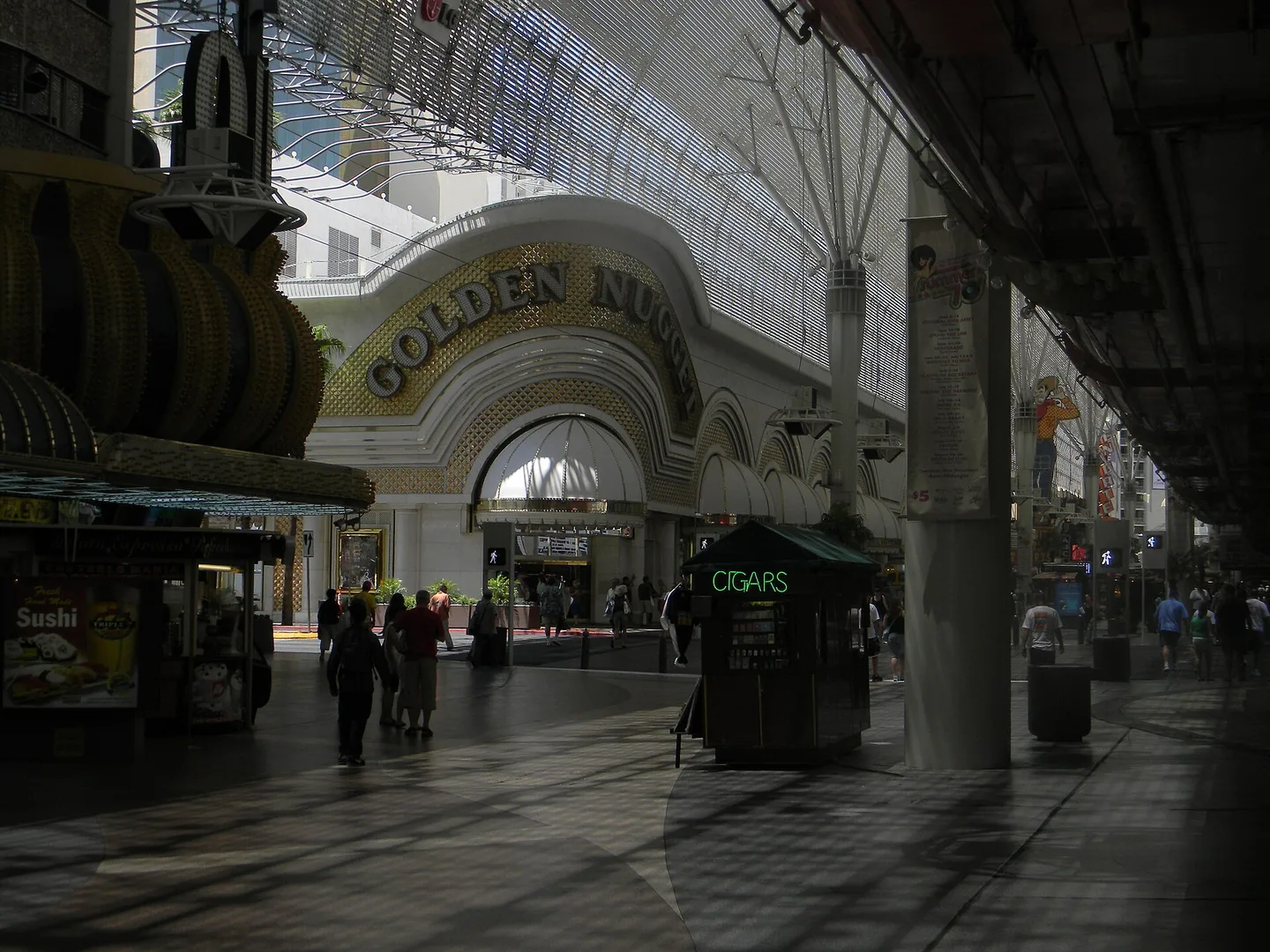
Moving south from this northern sector stays simple thanks to the Las Vegas Monorail station at Sahara. Boarding the monorail carries passengers along the eastern side of the boulevard without sitting in roadway traffic. Scheduled bus routes along Las Vegas Boulevard also join northern lobbies with downtown Fremont Street and central venues. Wider avenues create a calmer evening ambience for extended stays and relaxed dinners.
The northern boulevard corridor features broad pavements that make walking less cramped during peak evening hours. Although individual towers sit farther apart, ride-hailing pick-up bays and rail stops make departures quick and reliable. Many guests choose this district for its refined atmosphere and striking modern architecture. Staying here leaves you in quieter surroundings while keeping swift rail access down to downtown and mid-Strip hubs.
Choosing the Right Neighbourhood for Your Itinerary
Selecting your accommodation base depends on how you plan to travel across the city and your daily walking appetite. Each district brings distinct trade-offs in transit convenience, street noise, and property footprints. Review the neighbourhood comparison table below before locking reservations.
| Neighbourhood | Primary Character | Transit Advantages | Best For |
|---|---|---|---|
| Centre Strip | Dense, energetic pedestrian core | Elevated skywalks, central bus stops | First-time visitors and walkers |
| South Strip | Expansive resort grounds near venues | Complimentary property tram, short airport hop | Arena events and relaxed pool stays |
| North Strip | Modern glass towers and wide avenues | Monorail terminus, bus connections | Luxury dining and quieter retreats |
Factor in the physical scale of individual resorts when choosing hotel locations. Long casino floors, lift banks, and skybridges add substantial steps to every trip regardless of chosen quarter.
- Centre Strip minimises street transit for visitors wanting immediate foot access to fountains and central promenades.
- South Strip offers quick airport transfers plus covered tram links connecting three adjacent properties.
- North Strip pairs spacious modern towers with direct elevated rail runs south toward central hubs.
Official prices and opening hours
- RTC The Deuce (Strip & Downtown Bus)Official site ↗
- Las Vegas Monorail (SAHARA to MGM Grand)Official site ↗
Where it is
- 1Las Vegas
- Harry Reid International Airport (LAS) · about 10 km from Las Vegas in a straight line
- Directions in Google Maps
Stations and taxi ranks: OpenStreetMap. Airports: OurAirports. Distances are in a straight line.
Traveller tips
Real advice from people who have been to Las Vegas. Every tip is read by our team before it goes live.
No tips yet. Been here? Yours could be the first.
Thank you! Your tip will appear here after a quick review.
More in Las Vegas
Continue exploring Las Vegas with related neighbourhood, food, and planning guides
Las Vegas: Practical Logistics and City Layout
Las Vegas, United States
Las Vegas Beyond the Casino Tables: Essential Sights and Heritage
Las Vegas, United States
Arriving in Las Vegas: Airport Transfers, Transit and Road Approaches
Las Vegas, United States
When to Visit Las Vegas for Desert Trails and Cool Nights
Las Vegas, United States
