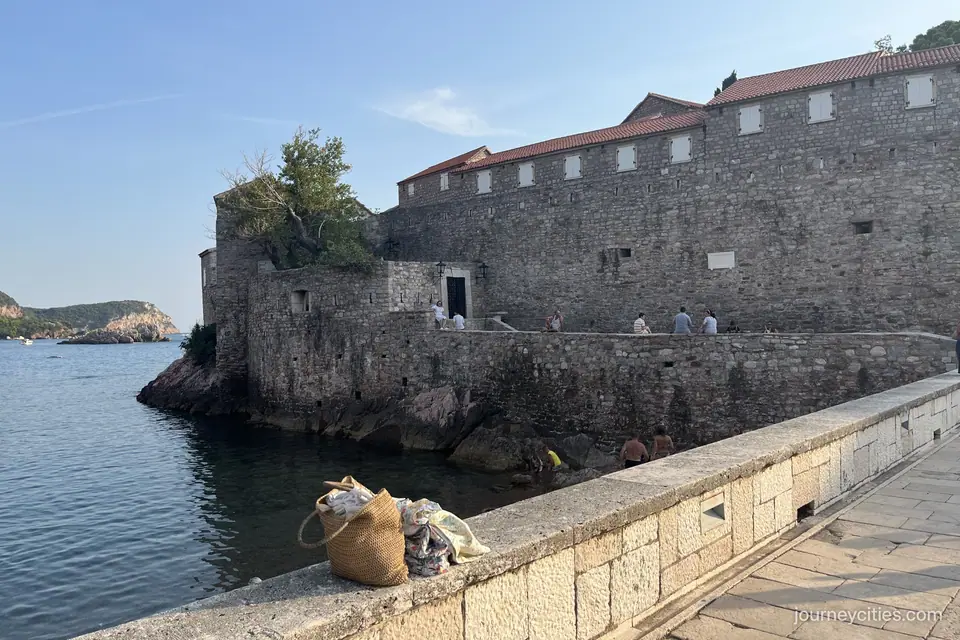
Photo: JourneyCities
What to Wear in Montenegro: Packing for Coast, Limestone, and Sacred Sites
A complete British English packing and dress code guide for Montenegro, detailing footwear for slick limestone, church etiquette, beach regulations, and seasonal weather.
Packing for a journey across the Montenegrin littoral requires balancing marine heat, steep terrain, and strict local decorum. Coastal settlements present smooth stone thoroughfares, exposed fortress ascents, and historic religious sites that enforce modest presentation. Understanding regional climate shifts and terrain variations guarantees comfort from the edge of the Adriatic to high mountain passes.
Footwear for Polished Limestone and Pebble Shores
Footwear decisions dictate daily comfort across the coastal towns. The pedestrian lanes of Kotor Old Town consist of centuries-old limestone polished smooth by foot traffic. These stones become remarkably slick underfoot, even during dry weather. Soles with textured rubber or lugged grip prevent slips on these surfaces. Travellers ascending the hillside fortifications above town face roughly 1,350 uneven, weathered stone steps exposed to intense sun. Rigid trainers or supportive walking sandals with secure heel straps are essential for tackling this incline safely.
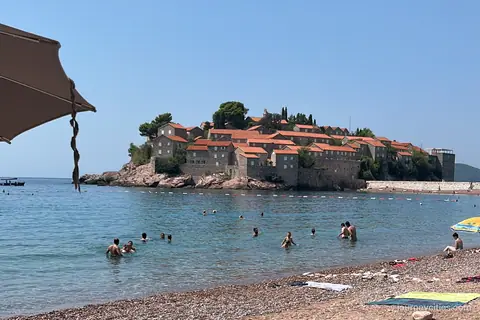
Along the Riviera, beach compositions vary between fine shingle and coarse aggregate. The shoreline near Sveti Stefan features coarse, pinkish gravel that proves abrasive under unprotected feet. Inexpensive neoprene water shoes protect against sharp submerged stones and prevent discomfort while wading. Pack one pair of sturdy walking trainers, one pair of grippy sandals, water shoes for coastal days, and a clean leather shoe for evenings.
Summer Sun Protection and Coastal Street Etiquette
High summer along the Adriatic brings fierce midday heat and cloudless skies. July records average daytime highs of 30.4°C and lows of 23.5°C, with only 5 wet days across the month. August records average highs of 30.5°C with lows of 23.7°C across 7 wet days. Stone walls and open boat decks provide minimal shade, making UV defence vital.
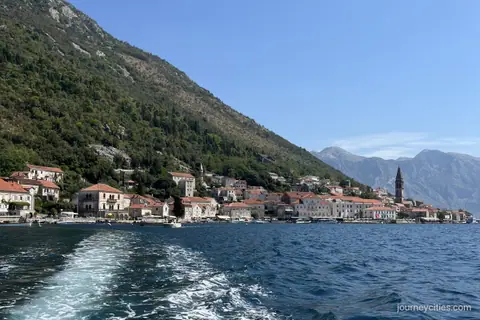
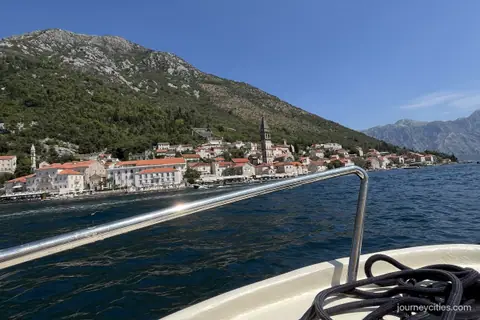
Wide-brimmed sun hats, UV-blocking sunglasses, and broad-spectrum sunscreen are mandatory items. Lightweight natural textiles such as linen and unbleached cotton allow airflow while protecting vulnerable skin. When planning maritime excursions out to Perast and Our Lady of the Rocks, bring an airy, long-sleeved overshirt to shield shoulders from sun reflecting off the water.
Municipal authorities in seaside municipalities, including Budva, strictly enforce public modesty codes. Walking through historic town centres, commercial boulevards, or away from the sand in exposed swimwear is prohibited by local ordinances. Violating these rules can result in spot fines from municipal patrols. Keep a light button-up shirt, linen tunic, or substantial cover-up in your day bag before leaving the water to walk into town.
Modesty Codes for Orthodox Monasteries and Historic Churches
Montenegro possesses deep religious heritage, from historic maritime chapels to monastic centres such as Cetinje, historically associated with the Metropolitan of Montenegro and the Littoral. Active places of worship mandate respectful, modest attire for entry. Guards or parish staff will refuse admission to visitors wearing revealing clothing.
Both men and women must cover their shoulders and knees before entering Saint Tryphon Cathedral in Kotor, the island sanctuary of Our Lady of the Rocks, or any rural monastery. Sleeveless tops, tank tops, low-cut shirts, and short shorts are strictly prohibited inside sacred precincts. Carrying a lightweight scarf or folded cotton wrap in your day pack allows you to cover bare shoulders or wrap around shorts instantly. Men should wear trousers or longer tailored shorts that fall past the kneecap when visiting sacred sites.
Seasonal Weather Realities and Regional Packing Matrix
Montenegrin climate patterns change dramatically between the dry midsummer months and the saturated winter season. November represents the wettest period of the year, averaging 373 mm of precipitation across 14 rain days. January remains cool on the coast, with average daily highs of 11°C and lows of 5.1°C across 13 wet days. Reviewing the seasonal patterns outlined in our Best Time to Visit Montenegro guide assists in selecting optimal fabrics.
Elevation changes also demand strategic planning. Mountain elevations above the coast experience rapid temperature drops compared to sea level. Even in warm summer months, higher ridges require an insulating mid-layer once coastal breezes disappear. Packing a waterproof shell and packable fleece ensures preparedness across varying altitudes.
| Season | Key Climate Metrics | Daytime Outfit Strategy | Essential Outerwear and Accessories |
|---|---|---|---|
| Summer (June to August) | Highs of 27.0°C to 30.5°C; 45 mm to 82 mm rain | Breathable linen shirts, loose cotton shorts, swimsuits with town cover-ups | UV sunglasses, wide-brimmed sun hat, water shoes, light evening layer |
| Autumn (September to November) | Highs of 17.1°C to 25.6°C; up to 373 mm rain | Layered cotton tops, tailored trousers, durable walking shoes | Windproof rain jacket, sturdy umbrella, warm fleece for higher elevations |
| Winter (December to February) | Highs of 11.0°C to 13.1°C; 222 mm to 277 mm rain | Thermal base layers, wool sweaters, heavier denim or twill trousers | Waterproof overcoat, insulated rain boots with grip, warm scarf and gloves |
| Spring (March to May) | Highs of 14.6°C to 22.1°C; 148 mm to 235 mm rain | Adaptable mid-weight shirts, convertible walking trousers, trainers | Packable waterproof jacket, light scarf for wind and church visits |
Evening Attire and Dining Expectations
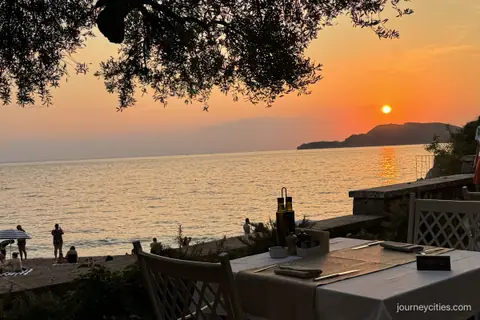
Coastal dining culture leans casual yet refined. Beachwear is unwelcome in standard evening restaurants, wine bars, and terrace tavernas. During warm summer evenings, men typically wear lightweight chinos or tailored linen shorts paired with a short-sleeved collar shirt. Women generally opt for linen trousers, sundresses, or relaxed maxi skirts.
Footwear for evening strolls should remain practical. Cobbled streets and slick flagstones make high stilettos hazardous; flat leather sandals, espadrilles, or clean fashion trainers represent standard, practical choices. If you plan a tailored route following our Montenegro 4-Day Itinerary, carry an extra layer for seaside tables, where marine drafts pick up rapidly after sunset.
Core Packing Checklist for Montenegrin Travel
Organising your luggage efficiently ensures smooth transitions between mountain roads, historic towns, and island ferries. The following core items should form the baseline of your luggage:
- Rubber-soled trainers or trail shoes with high-traction tread for limestone pathways and stone fortifications
- Neoprene water shoes to protect feet against coarse pebbles and rocky shorelines
- A lightweight cotton scarf or shawl stored in your daily tote for church and monastery dress compliance
- High-protection sunscreen, polarized sunglasses, and a crushable sun hat for unshaded coastal walks
- A breathable linen tunic, shirt, or dress to comply with town public clothing laws away from the beach
- A packable, seam-sealed waterproof rain shell for coastal downpours, particularly between October and April
- A compact, refillable water bottle for staying hydrated during long historical walking tours
- One smarter evening outfit suitable for open-air harbourfront dining
By pairing technical footwear with sun protection and culturally considerate layers, you will travel comfortably across every coastal and historical environment in Montenegro.
Weather by month
Montenegro is warmest in August, with average highs around 31°C, and coldest in January, when nights drop to about 5°C. November is the wettest month by rainfall (373 mm), with rain on about 14 days. For mild weather with fewer rainy days, aim for June, September and October.
| Month | Low | Range | High | Rain | Rainy days |
|---|---|---|---|---|---|
| Jan | 5°C | 11°C | 244 mm | 13 d | |
| Feb | 7°C | 13°C | 222 mm | 12 d | |
| Mar | 8°C | 15°C | 235 mm | 14 d | |
| Apr | 11°C | 18°C | 148 mm | 12 d | |
| May | 16°C | 22°C | 172 mm | 14 d | |
| Jun | 21°C | 27°C | 82 mm | 9 d | |
| Jul | 24°C | 30°C | 45 mm | 5 d | |
| Aug | 24°C | 31°C | 68 mm | 7 d | |
| Sep | 20°C | 26°C | 175 mm | 11 d | |
| Oct | 15°C | 21°C | 225 mm | 11 d | |
| Nov | 12°C | 17°C | 373 mm | 14 d | |
| Dec | 7°C | 13°C | 277 mm | 12 d |
Averages of daily values from 2015 to 2024. Rainy days are days with at least 1 mm of rain. Source: Open-Meteo · Compare destinations by month.
Where it is
- 1Montenegro
- Tirana International Airport Mother Teresa (TIA) · about 129 km from Montenegro in a straight line
- Directions in Google Maps
Stations and taxi ranks: OpenStreetMap. Airports: OurAirports. Distances are in a straight line.
Traveller tips
Real advice from people who have been to Montenegro. Every tip is read by our team before it goes live.
No tips yet. Been here? Yours could be the first.
Thank you! Your tip will appear here after a quick review.
More in Montenegro
Continue exploring Montenegro with related neighbourhood, food, and planning guides