3 Days in Panama City: Canal Locks, Casco Antiguo, Rainforest and San Blas
Plan three balanced days in Panama City covering the Miraflores Locks, Casco Antiguo, Metropolitan Natural Park, Panama Viejo and island excursions.
Three well planned days in Panama City allow you to experience the interoceanic waterway, wander seventeenth century colonial quarters, encounter rainforest wildlife, and venture out to Caribbean coral cays or island beaches. Navigating the capital requires understanding regional transit patterns, as afternoon rain showers and tropical humidity dictate the flow of each day.
Day 1: Miraflores Locks, Biomuseo and Casco Antiguo
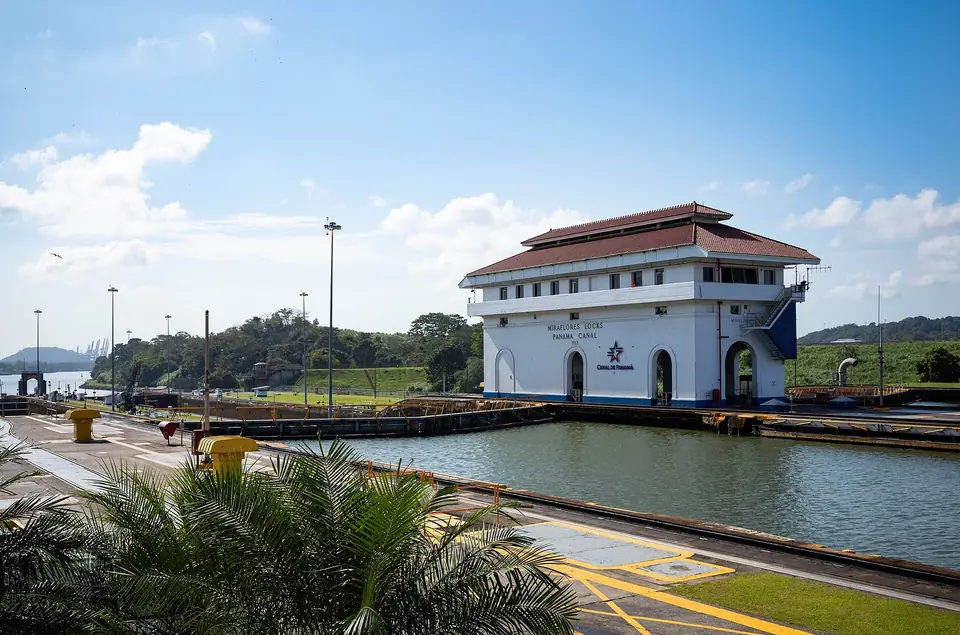
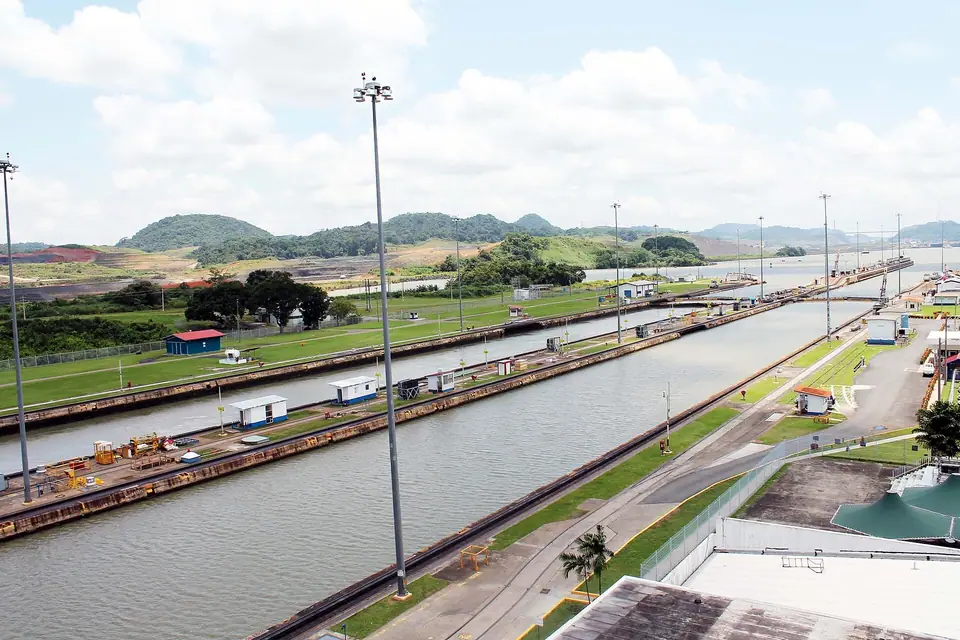
Begin early at the Pacific entrance of the interoceanic canal. Vessel convoys move through the locks in directional windows, making early morning the ideal period to witness massive container ships and bulk carriers lower or rise between oceanic levels. At the Miraflores Visitor Center, observation decks provide direct sightlines over the dual lock chambers. You can inspect the electric towing locomotives and watch the large-format 3D IMAX presentation on the waterway engineering history before midmorning crowds build up.
From the locks, take a short drive south to the breakwater causeway jutting into the Bay of Panama. The Amador Causeway connects four small islands with spoil rock excavated during original canal construction. Stop at Frank Gehry's Biomuseo to explore eight narrative galleries explaining how the emergence of the Isthmus of Panama joined two continents and divided an ocean, altering global ocean currents. After touring the exhibits, enjoy lunch overlooking passing vessels near the Bridge of the Americas.
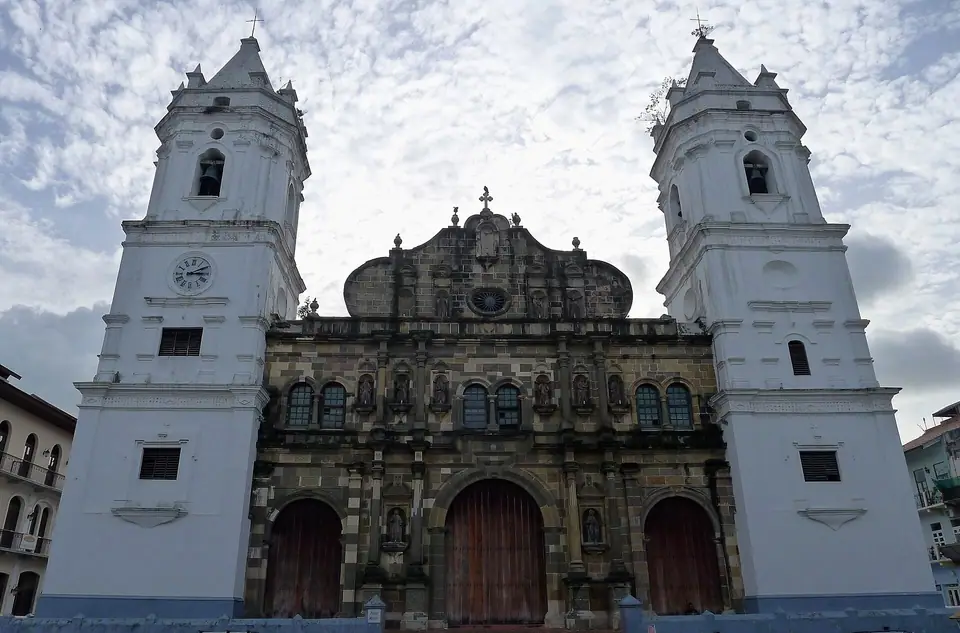
Dedicate the late afternoon and evening to Casco Antiguo, the historic district founded in 1673. Stroll between Plaza Mayor, Plaza Herrera, Plaza Bolivar, and Plaza de Francia. Inspect the weathered stone arc of the Arco Chato, stand before the Baroque Golden Altar inside the Church of San Jose, and visit the Museo del Canal. As darkness falls, ascend to an open-air rooftop terrace overlooking the Pacific skyline.
Day 2: Metropolitan Park Wildlife, Panama Viejo Ruins and Cinta Costera
Tropical fauna is most active during the first two hours of daylight. Start at dawn along the nature trails of Metropolitan Natural Park, an expansive tract of dry tropical forest situated directly within municipal boundaries. Climb the Mono Titi trail to the Cerro Cedro lookout at 150 metres above sea level. This vantage point rewards you with clear views over the canal basin and downtown high-rises. Along the forest paths, look for Geoffroy's tamarins, brown-throated three-toed sloths, and keel-billed toucans feeding in the canopy.
By midmorning, travel eastward along the coastline to the foundational settlement at Panama Viejo. Established by Pedrarias Davila in 1519, this Pacific city handled Incan silver shipments for over a century before pirate Henry Morgan attacked and destroyed it in 1671. Climb the thirty-metre Cathedral Tower for panoramic vistas over surviving stone foundations, convent walls, and modern skyscrapers. The on-site museum displays pre-Columbian pottery and colonial relics recovered during archaeological digs.
Conclude your second afternoon by cooling off with an iced Geisha coffee in modern Bella Vista before strolling the Cinta Costera waterfront promenade. Join local walkers and cyclists along the shoreline as breezes sweep off the bay. End the route at the Mercado de Mariscos, where outdoor stalls serve fresh corvina and shrimp ceviche marinated in lime juice, onions, and habanero peppers.
Day 3: Gatun Lake Jungle Expeditions or Caribbean Offshore Cays
Your third day offers two distinct geographic routes depending on whether you prefer freshwater jungle waterways or offshore marine reserves. The freshwater option takes you north toward Gamboa to board a small boat across Gatun Lake. You navigate past industrial cargo ships to reach secluded coves around Monkey Island, where white-faced capuchins, howler monkeys, and snail kites populate the shoreline. Combine this water journey with a guided walk down Pipeline Road in Soberania National Park, one of Central America's premier birdwatching corridors.
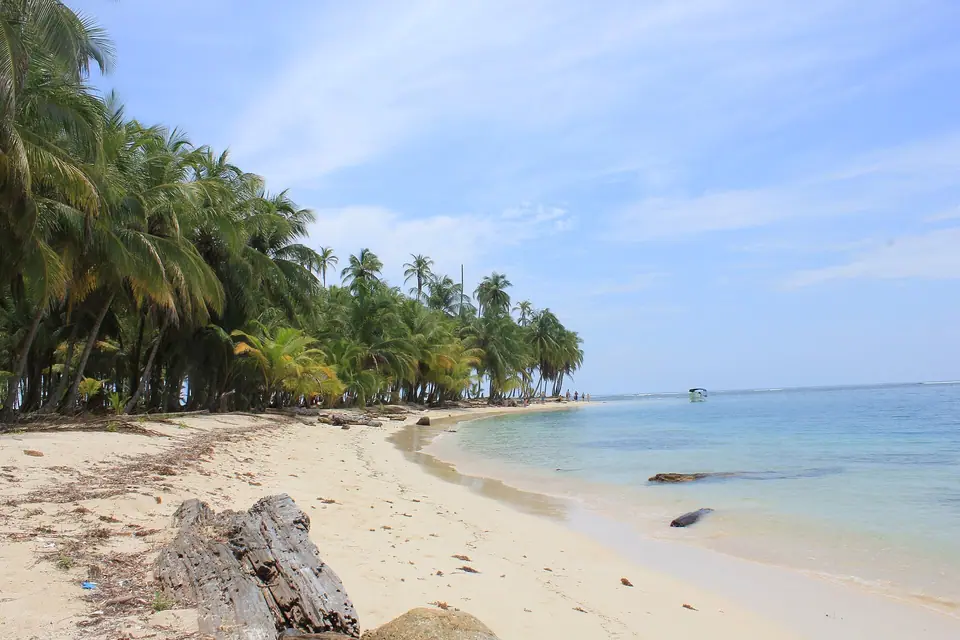
Alternatively, embark on a day trip to the autonomous indigenous comarca of Guna Yala across the San Blas archipelago. This journey requires an early morning four-wheel-drive crossing over the continental divide, followed by a wooden motorized launch to uninhabited coral cays ringed by calm turquoise waters. If you prefer a shorter maritime trip without mountain driving, take the thirty-minute passenger ferry from Amador out to Taboga Island. Known as the Island of Flowers, Taboga features quiet pedestrian lanes, historic village churches, and tranquil swimming beaches.
Logistical Overview for Three Days
The following schedule balances transit times, thermal exposure, and regional geography to ensure comfortable transitions across the capital.
| Day | Primary Focus | Key Waypoints | Recommended Afternoon Break |
|---|---|---|---|
| Day 1 | Canal Engineering and Colonial History | Miraflores Locks, Biomuseo, Casco Antiguo plazas | Biomuseo air-conditioned halls and Amador waterfront dining |
| Day 2 | Urban Wildlife and 1519 Archaeology | Metropolitan Park, Panama Viejo, Cinta Costera | Panama Viejo museum gallery and specialty coffee houses |
| Day 3 | Watershed Forest or Offshore Islands | Gatun Lake and Pipeline Road OR San Blas coral cays | Covered boat canopy or shaded island palm groves |
Practical Timing and Climate Strategy
Panama City maintains warm tropical temperatures throughout the year. Daytime highs consistently hover between 29°C and 32°C, while nighttime lows remain at 22°C to 24°C across all months. The dry summer season, known locally as verano, runs from January through April, bringing brisk trade winds and minimal rainfall. The green season spans May through December, marked by heavier precipitation peaks in October and November when wet days reach twenty per month.
Because tropical downpours typically arrive in the mid-afternoon during the green season, plan outdoor activities for early mornings. Reserve midday hours for indoor museum galleries, transit, and long lunches. Pack breathable clothing, dependable rain shells, sturdy walking shoes for stone ruins, and mineral sunscreen for exposed boat crossings.
Where it is
- 1Panama City
- Tocumen International Airport (PTY) · about 18 km from Panama City in a straight line
- Directions in Google Maps
Stations and taxi ranks: OpenStreetMap. Airports: OurAirports. Distances are in a straight line.
Traveller tips
Real advice from people who have been to Panama City. Every tip is read by our team before it goes live.
No tips yet. Been here? Yours could be the first.
Thank you! Your tip will appear here after a quick review.
More in Panama City
Continue exploring Panama City with related neighbourhood, food, and planning guides
Panama City: Districts, Orientation and Practical Logistics
Panama City, Panama
Best Things to Do in Panama City: Canal Locks, Casco Antiguo and Rainforests
Panama City, Panama
Arriving in Panama City: Tocumen Airport, Metro Line 2 and Albrook
Panama City, Panama
Best Time to Visit Panama City: Dry Verano Trade Winds, Green Season and Whale Months
Panama City, Panama
