Photo: RB Photo · CC BY 2.0
What to Wear in Panama City: Tropical Fabrics, Rainforest Footwear and Rooftop Style
Navigate 32-degree coastal humidity, chilly indoor metro trains, muddy rainforest trails, and historic church dress codes with our verified Panama City packing blueprint.
Dressing comfortably in Panama City requires balancing two distinct thermal realities within minutes of each other. Outdoor daytime temperatures consistently reach 30 to 32 degrees with relative humidity between 70 and 85 percent, while metro trains, shopping malls, and colonial museum galleries run aggressive air-conditioning at 19 to 20 degrees.
Breathable City Fabrics and the Essential Indoor Layer Rule
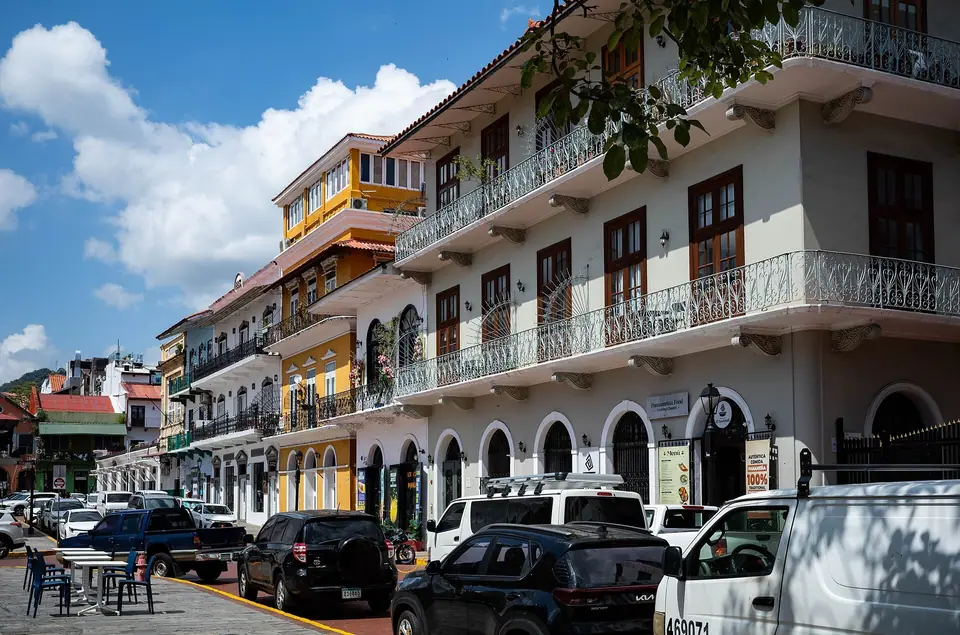
Navigating the historic quarter of Casco Antiguo, the open grounds of Panamá Viejo, and coastal observation decks demands loose natural textiles. Pure linen, open-weave cotton, and technical shirts designed for tropical moisture wicking allow body heat to disperse efficiently. Dark synthetic shirts trap perspiration against the skin and dry slowly in maritime humidity, making lightweight pale textiles the superior choice.
We advise carrying a compact second layer inside your daypack at all times. Transitioning from the humid waterfront into the icy Panama Metro or the Biomuseo produces an immediate chill. A light linen overshirt, unlined cotton cardigan, or compact pashmina provides instant comfort indoors without taking up valuable luggage space.
Sun protection remains non-negotiable across the Isthmus. UV radiation remains intense year-round, even under overcast skies in the wet season. Pair wide-brimmed headwear with UV400 sunglasses and broad-spectrum sunscreen. Panama produces its own heritage straw hat, known as the Sombrero Pintao. Recognised by UNESCO as Intangible Cultural Heritage of Panama in 2017, artisans weave it by hand in Coclé province from junca, bellota, and pita plant fibres. This traditional accessory differs from the misnamed Panama hat, which originated in Ecuador and earned its global title during the construction of the waterway.
Footwear Demands for Rainforest Trails and Uneven Cobblestones
Footwear choices dictate your physical comfort across varied urban and jungle terrains. Exploring the outdoor ruins of Panamá Viejo involves stepping over cracked masonry, uneven turf, and exposed volcanic foundation stones. Casco Antiguo features centuries-old brick footpaths, canted kerbs, and slick basalt paving that punish thin sandals and high heels.
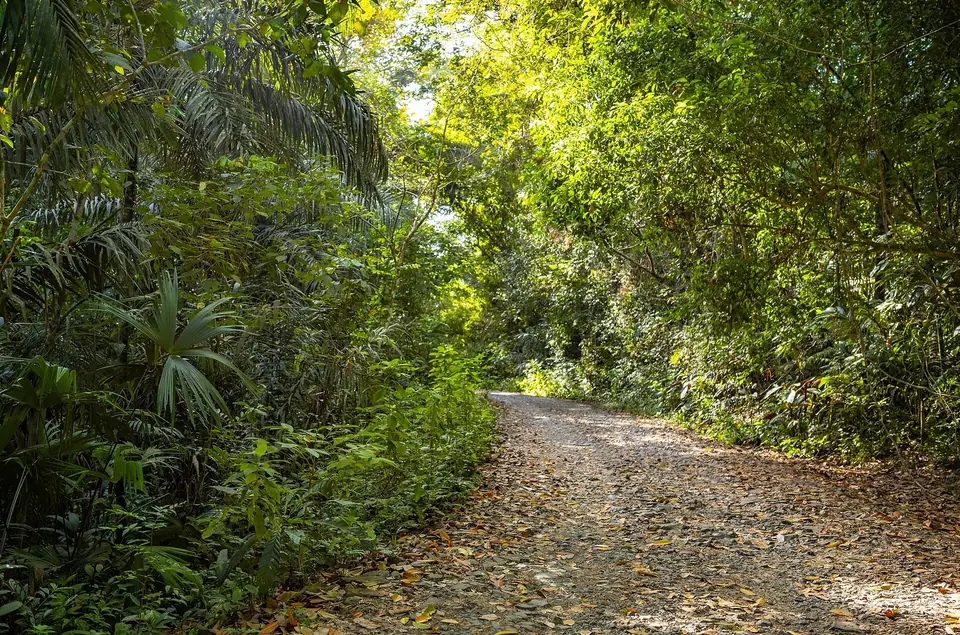
Venturing into the secondary canopies of Metropolitan Natural Park and Soberanía National Park requires sturdy closed-toe trail shoes with deep lugged traction. Exposed tree roots, loose gravel, and clay inclines turn slick after heavy afternoon downpours. Park rangers recommend wearing breathable long socks and light trousers treated with insect repellent to protect against biting midges and ticks along Pipeline Road.
| Setting and Activity | Recommended Upper and Lower Wear | Required Footwear | Essential Pack Item |
|---|---|---|---|
| Casco Antiguo and Panamá Viejo Sightseeing | Linen short-sleeve shirt, breathable cotton shorts or midi skirt | Cushioned walking sneakers or supportive flat sandals | UV-blocking sunglasses and broad-brimmed hat |
| Museums, Metro and Canal Visitor Centres | Breathable base shirt with light linen overshirt or cotton knit layer | Closed-toe casual walking shoes or clean trainers | Compact tote for indoor layers |
| Rainforest Hikes (Metropolitan and Soberanía) | Moisture-wicking technical shirt and quick-dry synthetic trousers | Closed-toe trail runners or hiking shoes with lugged soles | DEET or picaridin insect repellent |
| Casco Antiguo Rooftops and Upscale Dining | Collared button-down shirt, tailored chinos or smart lightweight dress | Leather loafers, clean dress shoes, or elegant flat sandals | Small umbrella for sudden rain |
Active Church Protocols and Upscale Evening Dress Codes
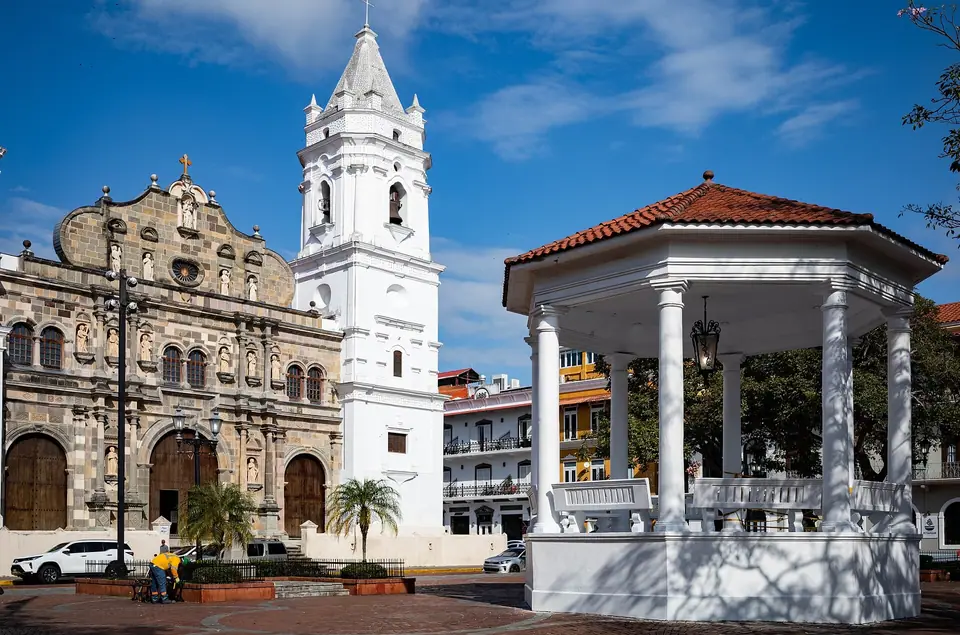
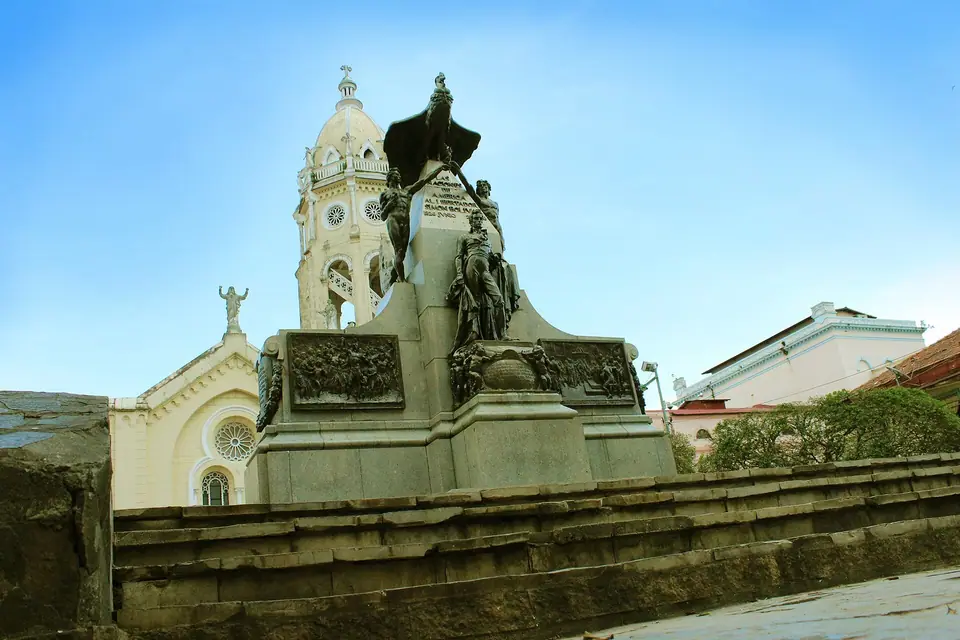
Active colonial sanctuaries across San Felipe, including the Metropolitan Cathedral Basilica, San José, La Merced, and San Francisco de Asís, enforce traditional dress etiquette. Custodians request that visitors cover shoulders and knees before entering nave areas. Sleeveless tank tops, revealing gym wear, and cut-off beach shorts are unsuitable for sacred spaces. Carrying a lightweight scarf allows you to cover bare shoulders quickly before stepping inside.
As night falls, social venues in Casco Antiguo, Bella Vista, and Obarrio adopt smart-casual presentation. Rooftop lounges overlooking the illuminated bay and chef-driven dining rooms expect guests to transition away from daytime exploration attire. Men should wear collared linen or cotton shirts paired with long trousers and closed-toe leather shoes or smart fashion trainers. Women typically choose breezy maxi dresses, tailored jumpsuits, or smart linen trousers. Beach flip-flops, athletic singlets, and damp daywear are routinely refused entry at popular evening establishments.
Seasonal Adjustments for Dry Verano and Green Season Rains
Packing strategies should reflect the distinct climate patterns recorded across the year. The dry season, known locally as verano, runs from January to April. During these months, daytime highs regularly reach 31 to 32 degrees with as little as 14 millimetres of rainfall in February over two wet days. Strong northeast trade winds provide refreshing coastal ventilation, but the dry air and relentless sunshine increase hydration and sun protection needs.
The green season spans from May to December, with precipitation peaking between September and November. October and November record roughly 140 millimetres of monthly rainfall spread across 20 wet days. Tropical downpours tend to arrive in heavy afternoon deluges rather than lasting all day. Heavy rubber raincoats prove suffocating in 30-degree ambient temperatures. Instead, pack a pocket-sized, wind-resistant umbrella and a fast-drying, ultra-light packable shell. Storing smartphones, passports, and cameras in water-resistant dry bags inside your daypack ensures your valuable electronics survive unexpected torrential showers while walking between colonial squares.
Weather by month
Panama City is warmest in February, with average highs around 32°C, and coldest in January, when nights drop to about 22°C. October is the wettest month by rainfall (140 mm), with rain on about 20 days.
| Month | Low | Range | High | Rain | Rainy days |
|---|---|---|---|---|---|
| Jan | 22°C | 31°C | 28 mm | 4 d | |
| Feb | 22°C | 32°C | 14 mm | 2 d | |
| Mar | 23°C | 32°C | 21 mm | 3 d | |
| Apr | 24°C | 32°C | 49 mm | 7 d | |
| May | 24°C | 31°C | 119 mm | 17 d | |
| Jun | 24°C | 30°C | 126 mm | 18 d | |
| Jul | 24°C | 30°C | 112 mm | 16 d | |
| Aug | 24°C | 30°C | 119 mm | 17 d | |
| Sep | 23°C | 30°C | 126 mm | 18 d | |
| Oct | 23°C | 29°C | 140 mm | 20 d | |
| Nov | 23°C | 29°C | 140 mm | 20 d | |
| Dec | 22°C | 30°C | 77 mm | 11 d |
Averages of daily values from 2015 to 2024. Rainy days are days with at least 1 mm of rain. Source: Open-Meteo · Compare destinations by month.
Where it is
- 1Panama City
- Tocumen International Airport (PTY) · about 18 km from Panama City in a straight line
- Directions in Google Maps
Stations and taxi ranks: OpenStreetMap. Airports: OurAirports. Distances are in a straight line.
Traveller tips
Real advice from people who have been to Panama City. Every tip is read by our team before it goes live.
No tips yet. Been here? Yours could be the first.
Thank you! Your tip will appear here after a quick review.
More in Panama City
Continue exploring Panama City with related neighbourhood, food, and planning guides
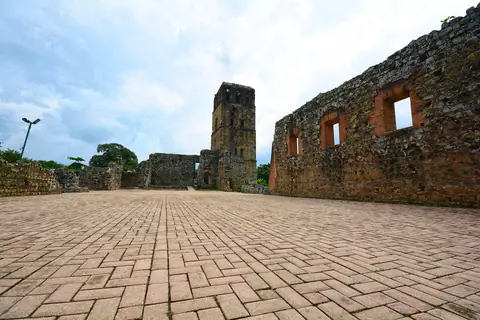
Panamá Viejo (1519 Ruins), Frank Gehry's Biomuseo & Amador Causeway Guide
Panama City, Panama
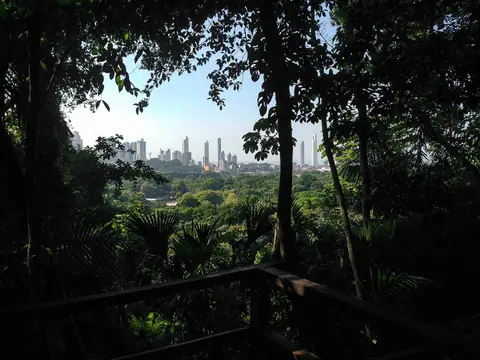
Metropolitan Natural Park, Soberanía National Park and Gatun Lake Guide
Panama City, Panama
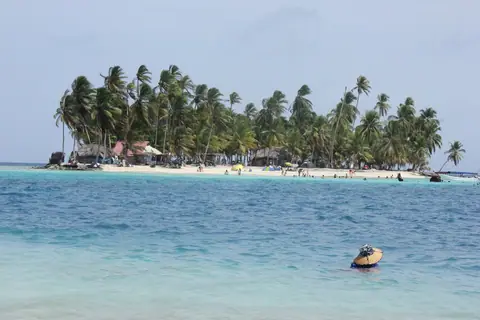
San Blas Islands (Guna Yala), Taboga Island & Contadora (Pearl Islands) Day Trips
Panama City, Panama
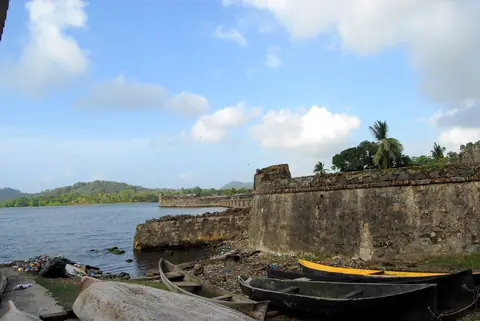
Portobelo Caribbean Forts, Fort San Lorenzo & Panama Canal Railway Day Trip
Panama City, Panama
