How to Get to Punta del Este: Flights, Long-Distance Coaches and River Ferries
Compare transport routes to Punta del Este: flights to Laguna del Sauce or Montevideo, COT and COPSA intercity coaches, and fast river catamarans.
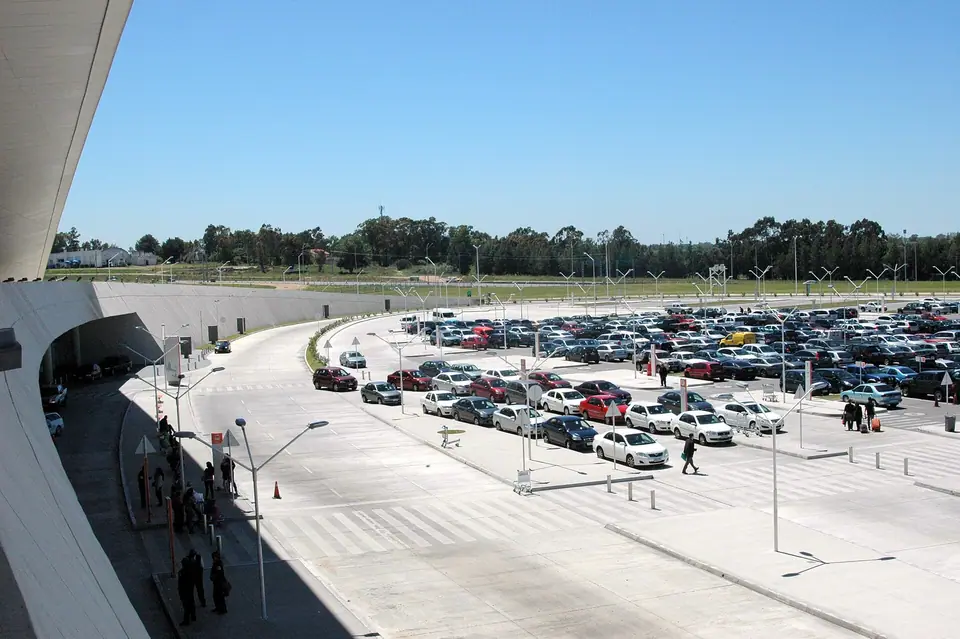
Reaching Punta del Este is straightforward due to its position on the southern Atlantic coast of Uruguay, roughly 130 kilometres east of central Montevideo. The resort peninsula connects directly to neighbouring Latin American hubs via two commercial passenger airports, modern divided highways, and high-speed passenger ferries that cross the wide mouth of the Río de la Plata. Understanding which transit hub matches your arrival point will save hours of transfer time.
International travellers typically choose between direct seasonal flights landing in Laguna del Sauce, intercontinental routes arriving at Carrasco International Airport outside Montevideo, or maritime crossings from Buenos Aires. Each approach leads toward the iconic coastal avenues of the resort, placing visitors within easy reach of the Punta del Este travel guide coastal transit points.
Arriving by Air: Laguna del Sauce (PDP) Versus Montevideo Carrasco (MVD)
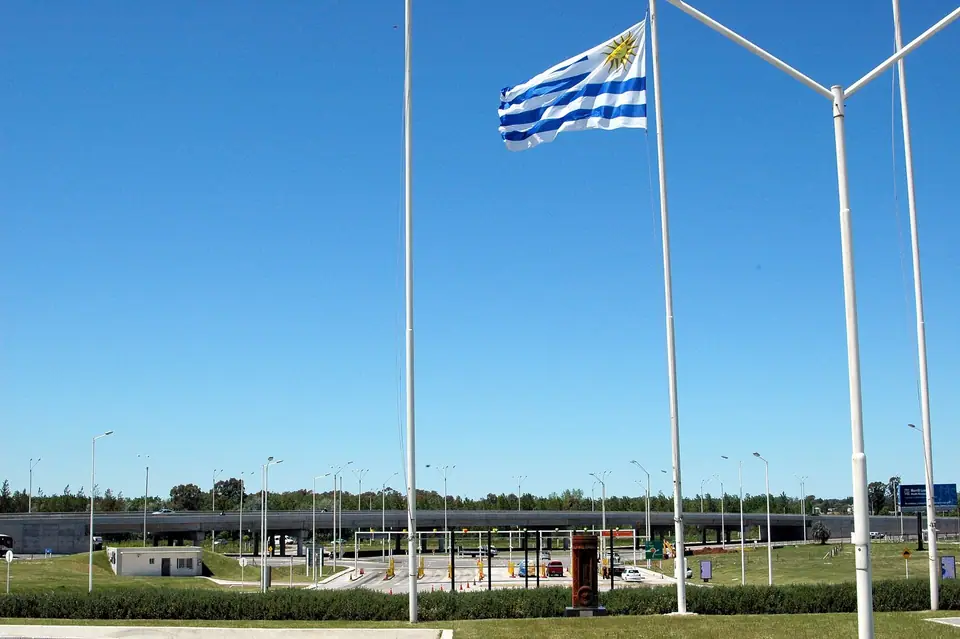
Capitán de Corbeta Carlos A. Curbelo International Airport, known by the IATA code PDP, is situated at Laguna del Sauce. This dedicated airfield lies approximately 20 kilometres west of the central peninsula, placing arriving passengers roughly twenty minutes from downtown hotels by car or remise service. The terminal handles direct regional flights from Buenos Aires Aeroparque and São Paulo Guarulhos. On-site car rental desks, registered airport taxis, and pre-booked transfers operate during scheduled passenger flight arrivals. Because schedules shift across seasons, travellers should check current timetables with operating airlines.
Carrasco International Airport, designated by the code MVD, represents Uruguay's premier intercontinental gateway. The airport sits 115 kilometres west of Punta del Este, located on the eastern perimeter of Montevideo directly along Ruta Interbalnearia. This strategic location allows incoming passengers to continue eastward without entering Montevideo urban street congestion. Intercity coach operators maintain regular curbside departures from the arrivals zone, carrying passengers directly to the resort peninsula in approximately one hour and forty-five minutes to two hours.
Deciding between these two airports depends primarily on your origin city. Passengers flying from Europe or North America routinely land at Carrasco, whereas regional travellers departing from Argentina or Brazil often secure direct scheduled connections straight into Laguna del Sauce.
Coaches from Montevideo: Terminal Tres Cruces and Airport Transfers
Long-distance coach transport in Uruguay is punctual, comfortable, and frequent. The primary bus lines servicing the Atlantic corridor are COT and COPSA. Both companies operate modern, air-conditioned coaches equipped with luggage compartments below the passenger deck. Coaches depart every 30 to 60 minutes throughout the day from Terminal Tres Cruces, the central bus station in downtown Montevideo.
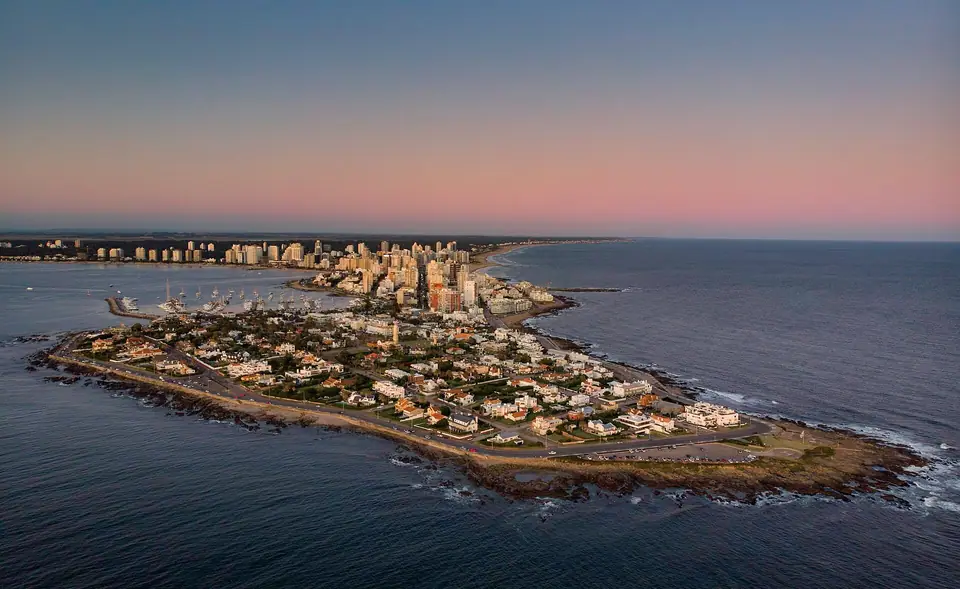
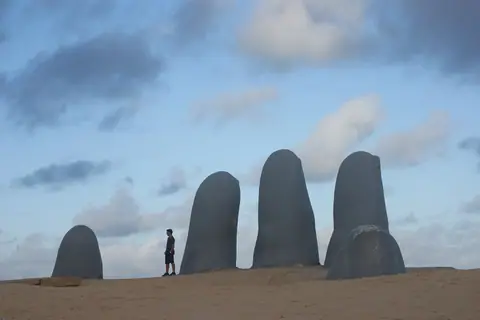
The coach route follows Ruta Interbalnearia along the coast, stopping at Carrasco International Airport before proceeding east through Piriápolis, past the turnoff for Punta Ballena, Casapueblo and Arboretum Lussich, and along the sheltered waters of Playa Mansa. The final stop is Terminal de Ómnibus de Punta del Este, positioned right at Parada 1 on the ocean side near the famous hand sculpture detailed in our Playa Brava, La Mano and Peninsula harbour walk guide.
Passengers boarding at Carrasco International Airport do not need to journey into central Montevideo. You can board the passing COT or COPSA coaches directly outside the ground-floor airport arrivals platform. During peak summer weeks, booking coach tickets in advance on official company websites is recommended to secure preferred departure times.
River Catamarans and Ferry Connections from Buenos Aires
Travellers based in Buenos Aires frequently cross the Río de la Plata by fast river catamarans before completing their journey to Punta del Este by road. Two primary companies, Buquebus and Colonia Express, manage combined maritime and bus tickets that connect the two countries efficiently.
The fastest sea-and-land combination pairs a direct high-speed ferry from Puerto Madero in Buenos Aires to the port of Montevideo with an executive coach connection. The boat journey across the river takes between two and three hours depending on the specific vessel, followed immediately by a dedicated two-hour bus transfer from the port terminal straight to Punta del Este. The entire door-to-door transit generally requires under six hours, including border control formalities.
An alternative route crosses from Buenos Aires to the historic town of Colonia del Sacramento by high-speed catamaran in approximately one hour and fifteen minutes. From Colonia, coordinated long-distance coaches drive east across southern Uruguay via national routes, reaching Punta del Este in approximately four to five hours. This itinerary suits visitors who wish to combine colonial sightseeing with a seaside stay.
Comparing Arrival Options to Punta del Este
The following table outlines the practical characteristics of each primary transit corridor connecting regional and international hubs to the resort peninsula:
| Transit Route | Starting Point | Primary Operators | Arrival Terminal |
|---|---|---|---|
| Direct Regional Flight | Buenos Aires (AEP) or São Paulo (GRU) | Commercial Airlines | Laguna del Sauce Airport (PDP) |
| Intercontinental Flight & Coach | International Origins via MVD | COT, COPSA Coaches | Terminal Punta del Este (Parada 1) |
| Central Montevideo Coach | Terminal Tres Cruces | COT, COPSA Coaches | Terminal Punta del Este (Parada 1) |
| Fast Ferry & Direct Bus | Buenos Aires (Puerto Madero) | Buquebus, Colonia Express | Terminal Punta del Este (Parada 1) |
Driving via Ruta Interbalnearia and Atlantic Coastal Corridors
Driving to Punta del Este offers exceptional flexibility, particularly if you plan to explore the coastal hamlets of La Barra, Manantiales, and José Ignacio. From Carrasco Airport or central Montevideo, motorists take Ruta Interbalnearia (IB), a well-maintained multi-lane highway running parallel to the shoreline. The road features electronic toll gantries that register vehicles automatically, allowing rental car agencies to charge toll fees directly to customer accounts.
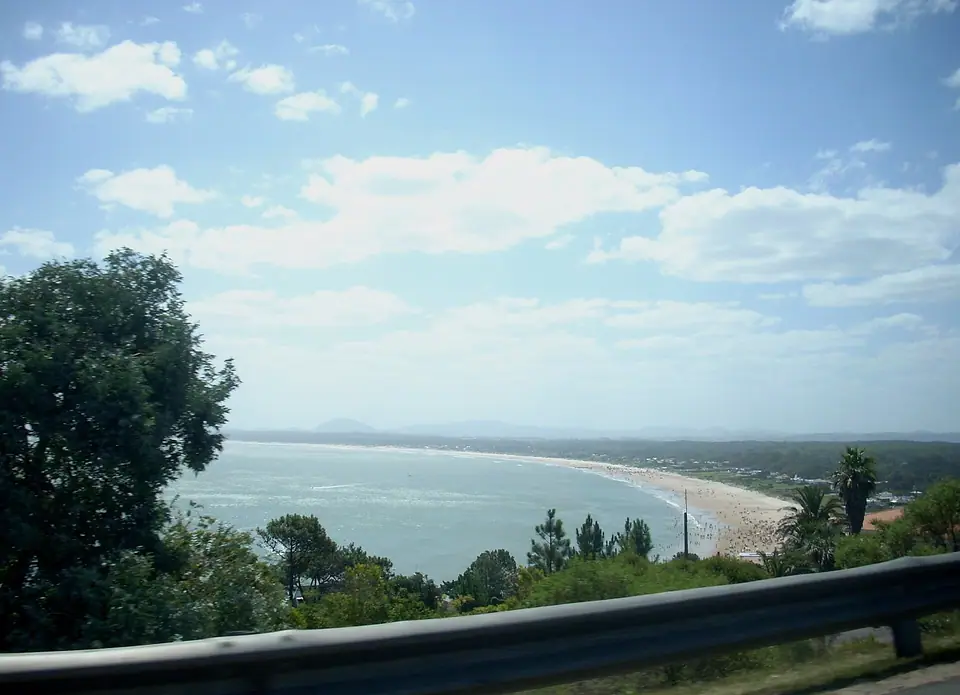
The drive passes through rolling hills and coastal pine forests before reaching the landmark headland of Punta Ballena. From there, the highway sweeps downhill along the bay of Playa Mansa, offering sweeping views of Isla Gorriti. Driving during daylight is uncomplicated thanks to clear signage and well-lit intersections. For drivers heading further east, crossing the undulating bridges of La Barra provides access to the outer Atlantic beaches and fishing villages.
Seasonal Weather Considerations for Road and Sea Travel
Coastal weather along the Atlantic can affect transport schedules, particularly maritime ferry crossings and small aircraft operations. Between December and February, daytime highs average 24°C to 25°C with night lows around 17°C to 18°C and roughly five to six wet days per month, ensuring consistent highway conditions and dependable ferry sailings.
During winter months such as June and July, daytime temperatures drop to 14°C or 15°C, with overnight lows dipping to 8°C or 9°C across six rainy days. Atlantic gales and dense morning river fog can occasionally delay ferry services departing Buenos Aires or cause rough sea crossings. Checking maritime forecasts before departure guarantees a smoother journey into Punta del Este.
Where it is
- 1Punta del Este
- Carrasco General Cesáreo L. Berisso International Airport (MVD) · about 99 km from Punta del Este in a straight line
- Directions in Google Maps
Stations and taxi ranks: OpenStreetMap. Airports: OurAirports. Distances are in a straight line.
Traveller tips
Real advice from people who have been to Punta del Este. Every tip is read by our team before it goes live.
No tips yet. Been here? Yours could be the first.
Thank you! Your tip will appear here after a quick review.
More in Punta del Este
Continue exploring Punta del Este with related neighbourhood, food, and planning guides

What to Eat in Punta del Este: Birthplace of the Chivito, Seafood, Parrillada & Garzón Tannat
Punta del Este, Uruguay
Museo Ralli and Colonial San Fernando de Maldonado Art Circuit
Punta del Este, Uruguay
Punta del Este: Mansa vs Brava, Paradas and Coastal Geography
Punta del Este, Uruguay
Things to Do in Punta del Este: La Mano, Casapueblo and Offshore Islands
Punta del Este, Uruguay
