Where to Stay in Punta del Este: Best Districts, Beaches and Coastal Villages
Select the ideal base in Punta del Este, comparing the car-free harbour walk of La Península, family-friendly Playa Mansa, leafy Beverly Hills, and Atlantic surf villages.
Choosing where to base yourself along this iconic Uruguayan coast depends on your preferred transport, your tolerance for summer crowds, and your ocean habits. The department of Maldonado spans very different micro-neighbourhoods. You can step directly onto maritime pavements in the heart of the town, settle into pine-shaded gardens facing tranquil bay waters, or book a rural inn east of the bridges.
La Península and Puerto de la Candelaria: Car-Free Convenience
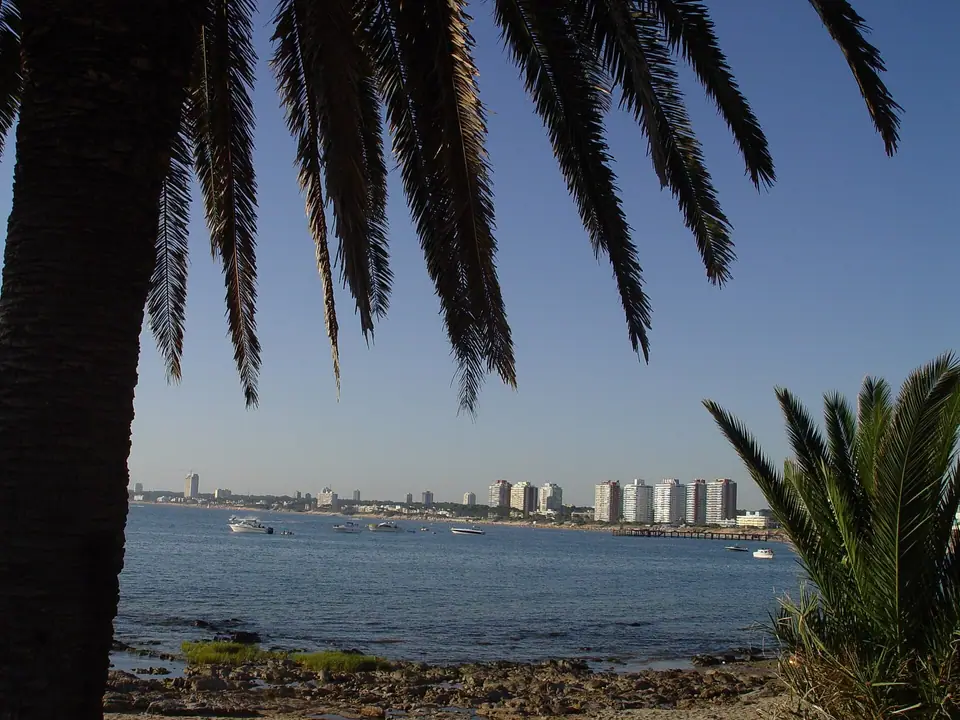
La Península forms the historic and commercial anchor of the resort. Stretching south from Parada 1 past Avenida Gorlero down to the 1860 Lighthouse, this slender headland is the only district where you can manage an entire stay on foot. You can step outside your hotel to reach the gentle waters of Playa Mansa for a morning swim, and walk five blocks east to watch Atlantic rollers crash against Playa Brava and the landmark hand sculpture.
The western rim borders Puerto de la Candelaria, where passenger tenders depart for Isla Gorriti. Choosing accommodation around the marina places you within footsteps of fresh fish counters, sailing charters, and seafood taverns. Avenida Gorlero and Calle 20 supply supermarkets, banks, and boutiques within easy reach. The primary trade-off is urban density. Street parking is tight throughout January, vehicle traffic crawls along the one-way avenues, and evening pedestrian crowds linger well past midnight.
Playa Mansa and Aidy Grill: Sheltered Bays and Residential Calm
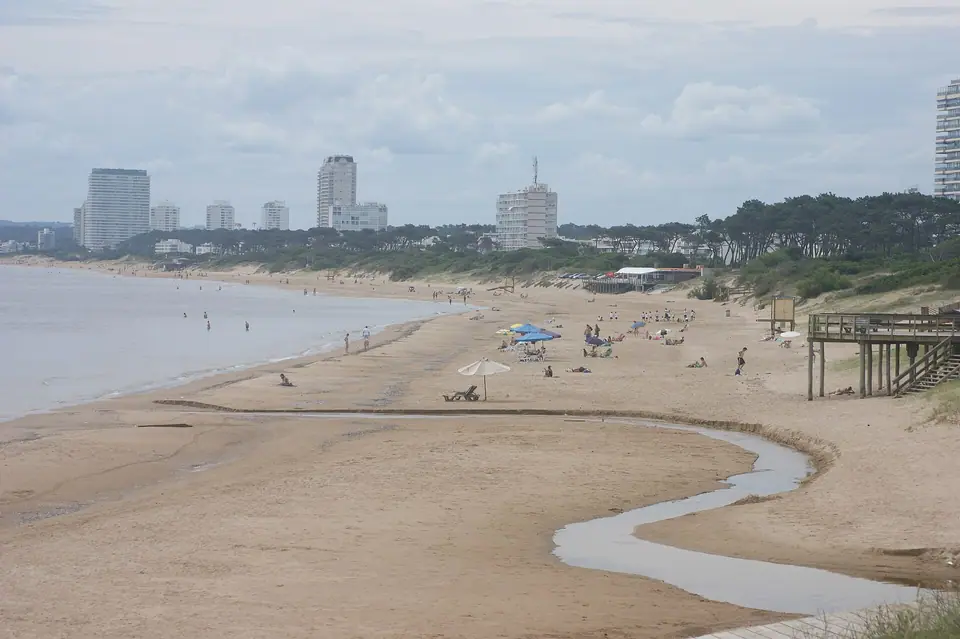
West of the peninsula, Playa Mansa extends along the protected arc of the bay from Parada 1 out to Parada 24 and beyond. Because Isla Gorriti and Punta Ballena block the heavy Southern Ocean swells, these shallows remain tranquil. Families with young children and travellers seeking calm swimming water gravitate to the beachfront apartment towers and low-rise hotels lining Rambla Claudio Williman.
Directly inland from the bay lie leafy residential quarters such as Aidy Grill and San Rafael. These neighbourhoods feature detached brick chalets and modern apartment blocks set under dense maritime pine canopies. The air smells of pine resin and salt water, and ambient street noise drops sharply compared to the commercial peninsula. You will need to walk ten to twenty minutes or hire a car to reach large supermarkets, but the reward is peaceful nights and unobstructed sunset vistas over the bay.
Beverly Hills and Cantegril: Forest Estates and Museum Grounds
Travellers seeking quiet parkland and private grounds often look inland towards Beverly Hills and Cantegril. Located behind San Rafael and stretching toward Maldonado city, these zones feature spacious estates, broad grass verges, and tall eucalyptus trees. The area is home to the sculpture gardens of Museo Ralli, which showcases contemporary Latin American art.
Staying in Beverly Hills requires private vehicle transport. Public bus routes run along the distant coastal ramblas, meaning taxis or rental cars are necessary for dinners, grocery shopping, and beach runs. The setting suits visitors who value total residential silence, gated privacy, and garden swimming pools over immediate ocean access. It remains popular with extended families renting detached villas for long summer stays.
La Barra and Manantiales: Surfing Breaks and Route 10 Culture
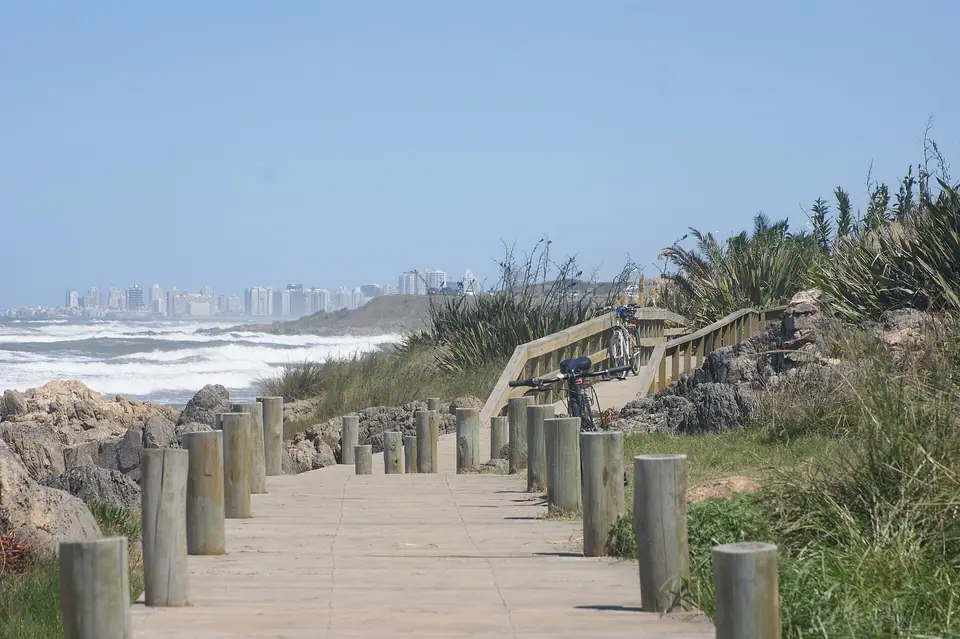
Crossing east over the twin undulating concrete bridges engineered by Leonel Viera brings you into La Barra and neighboring Manantiales. These former fishing outposts transformed into design-led coastal villages strung along Ruta 10. The atmosphere here leans casual and creative, with open-air cafes, contemporary galleries, and surf shops set behind sandy roads.
Lodging here ranges from converted fisherman cottages to architectural bed and breakfasts set among the dunes. The beaches, including Posta del Cangrejo and Bikini Beach, face the open South Atlantic, providing consistent surf breaks and offshore winds. Base yourself here if you plan to visit the monumental sculpture park at MACA (Museo de Arte Contemporáneo Atchugarry). Be prepared for severe traffic gridlock over the Viera bridges during peak holiday afternoons, making independent travel west toward the peninsula slow between late afternoon and sunset.
José Ignacio: Rural Isolation and Windswept Luxury
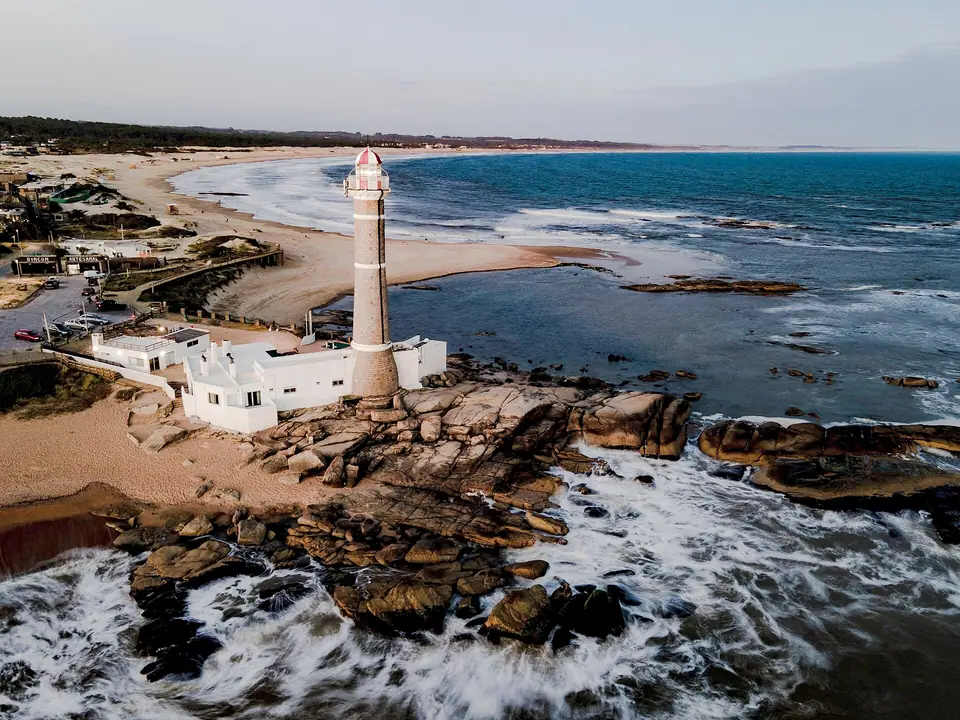
Positioned roughly thirty kilometres northeast of the peninsula, José Ignacio is a compact coastal village that guards its unpaved, windswept character. The village occupies a small rocky headland capped by an 1877 brick lighthouse, dividing the wild surf of Playa Brava from the calmer shallows of Playa Mansa de José Ignacio. Municipal zoning bans high-rise towers and neon signage, preserving low-slung timber architecture and native coastal scrub.
Accommodation consists of boutique design hotels, converted oceanfront ranches, and minimalist rental homes. José Ignacio caters to travellers who prioritise seclusion, farm-to-table dining, and quiet lagoon excursions near Laguna Garzón and its circular lagoon bridge. Having your own car is essential for staying out here. Fuel stations, hospital facilities, and major shopping complexes are situated back in Maldonado and Punta del Este.
District Comparison for Finding Your Base
| District | Beach Environment | Transport Requirement | Atmosphere and Setting |
|---|---|---|---|
| La Península and Puerto | Bay water west, ocean surf east | Foot travel and local buses | Urban maritime core, walkable dining |
| Playa Mansa and Aidy Grill | Wave-free swimming bay | Foot, cycle, or short taxi | Pine forests, family chalets, sunsets |
| Beverly Hills | Inland garden estates | Private car or taxi essential | Quiet residential villas, museum parks |
| La Barra and Manantiales | Atlantic surf breaks and dunes | Car or bus for peninsula trips | Bohemian surf village, design cafes |
| José Ignacio | Exposed Atlantic beaches and lagoons | Private rental car essential | Unpaved lanes, luxury retreats, quiet |
Practical Seasonal Considerations for Selecting Accommodation
Your choice of neighbourhood should account for dramatic seasonal shifts along the coast. During peak austral summer in January, average daytime temperatures reach 25°C with overnight lows of 18°C. Peninsula streets and Route 10 fill with cars, making walking-distance lodgings highly advantageous for avoiding gridlock.
By autumn, between March and May, highs moderate to 24°C down to 18°C, rainfall averages 42 millimetres across six wet days per month, and village crowds thin out completely. Many seasonal restaurants and small boutique inns in José Ignacio and La Barra shutter their doors between late autumn and early spring. If you visit outside the summer peak, booking in La Península or along the central stretches of Playa Mansa guarantees year-round municipal services, open markets, and reliable public transit connections.
Where it is
- 1Punta del Este
- Carrasco General Cesáreo L. Berisso International Airport (MVD) · about 99 km from Punta del Este in a straight line
- Directions in Google Maps
Stations and taxi ranks: OpenStreetMap. Airports: OurAirports. Distances are in a straight line.
Traveller tips
Real advice from people who have been to Punta del Este. Every tip is read by our team before it goes live.
No tips yet. Been here? Yours could be the first.
Thank you! Your tip will appear here after a quick review.
More in Punta del Este
Continue exploring Punta del Este with related neighbourhood, food, and planning guides
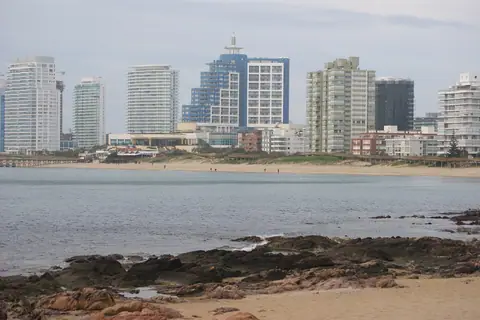
Best Time to Visit Punta del Este: Austral Summer, Autumn Harvest and Whale Seasons
Punta del Este, Uruguay
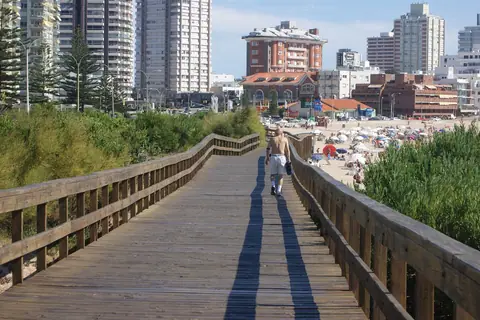
What to Wear in Punta del Este: Seasonal Packing and Atlantic Breeze Guide
Punta del Este, Uruguay
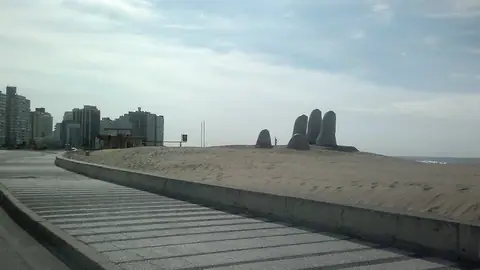
3-Day Punta del Este Itinerary: La Península, Casapueblo, MACA and José Ignacio
Punta del Este, Uruguay
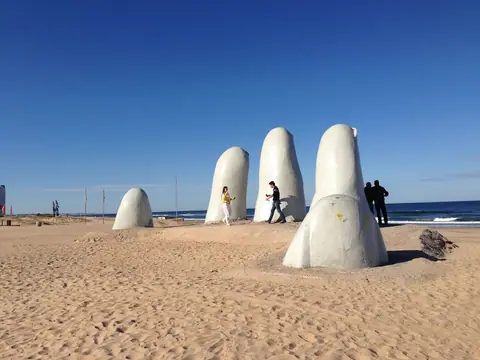
Playa Brava, La Mano (Los Dedos), 1860 Lighthouse & Peninsula Harbour Walk
Punta del Este, Uruguay
