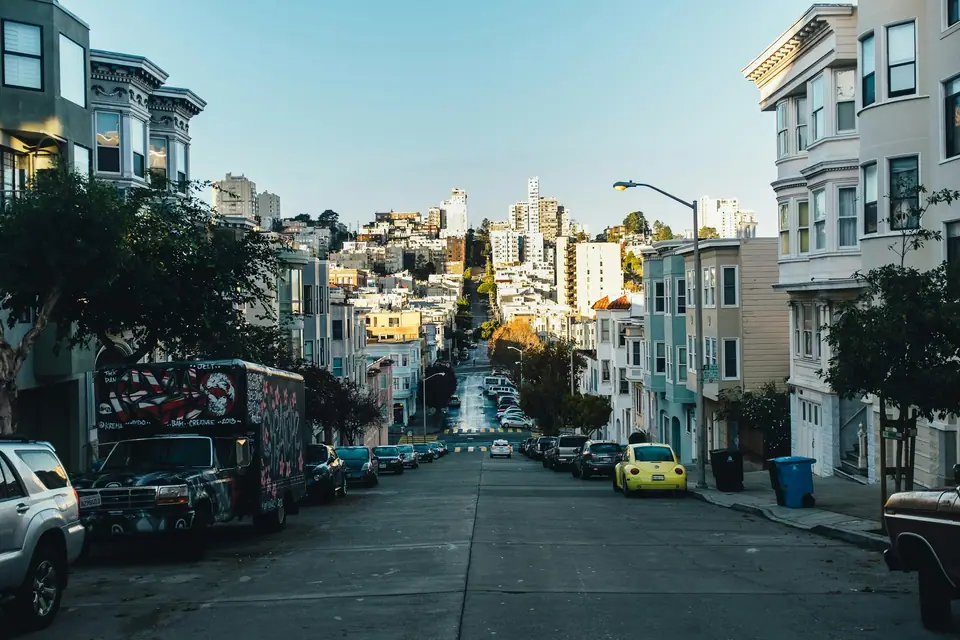
Photo by Ashim D’Silva on Unsplash
What to Wear in San Francisco
Layers for cool summers, rain gear for winter, a windproof jacket for the bridge and ferries, and shoes for the hills, based on NOAA averages.
Short answer: pack layers in every season. A T-shirt, a warm mid-layer and a windproof jacket cover most days. Add a waterproof jacket from November to March, when most of the rain falls, and wear comfortable shoes with good grip for the hills, the cable cars and the cliff trails.
Why layers matter
San Francisco's averages are narrow, but the day-to-day feel is not. NOAA's 1991 to 2020 normals for downtown show highs between about 14°C (57.8°F) in January and about 21°C (70.2°F) in September. July's average high is about 19°C (66.3°F), cooler than many visitors expect. San Francisco Travel adds that neighbourhoods a few blocks apart can feel about ten degrees Fahrenheit apart, and that fog is most noticeable in summer.
The Mission is often sunnier than the rest of the city. Within the same afternoon you may want a T-shirt in one district and a jacket in another. Clothes that you can take off and carry solve that problem. Our best time to visit guide has the full figures.
Summer: dress for cool
From June to August, pack as if for a mild spring rather than a hot summer.
- A light windproof jacket for the bridge and the ferries.
- A fleece or wool jumper as a mid-layer.
- Long trousers or jeans for evenings by the water.
- T-shirts for sunnier hours in the Mission or the parks.
- Sunglasses and sunscreen for when the sky clears.
Autumn: the warmest months
September and October bring the warmest averages of the year, with highs near 21°C and lows near 12°C to 13°C. Days can feel warm, but evenings cool down fast. Pack light layers, a jacket for after dark, and a hat and sunscreen for the bridge and Lands End. Rain is rare, though it starts to return in late October and November.
Winter: rain and mild cold
January averages a high of about 14°C and a low of about 8°C, with about 112 mm of rain. February is almost as wet. Bring a waterproof jacket with a hood, a warm layer underneath and shoes that cope with wet pavements. A compact umbrella helps downtown, although wind on the waterfront and the bridge can make one hard to use.
Spring: changeable
April averages a high of about 17°C and a low of about 10°C. Rain eases through the season, but showers still pass through. Pack layers, a light waterproof jacket and a scarf for windy viewpoints such as Battery Spencer, which sits almost 500 feet above the bay.
Clothes for the bridge and the ferries
The Golden Gate Bridge's towers rise 746 feet above the water, and its sidewalks are exposed to wind from the ocean. The ferries to Sausalito, Angel Island and Alcatraz cross open water. In each case, zip up a windproof jacket and bring a hat or scarf. Bikes share the sidewalks on the bridge, so avoid long loose scarves or straps that can catch.
Shoes for hills and trails
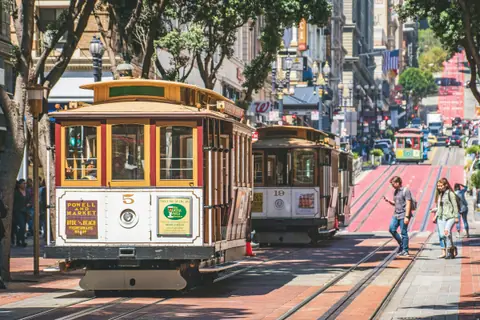
San Francisco is a city of steep streets and stairs. Coit Tower sits on Telegraph Hill, reached by stairs from the streets below, and the cable cars climb steep grades between downtown and the waterfront. Wear flat, comfortable shoes with good grip. On the Lands End trail, which runs along rocky cliffs, and on Angel Island's hiking trails, trainers with a solid sole or light hiking shoes are wiser.
On the cable cars, keep both hands free to hold on, especially if you ride on the outside steps. A small backpack is easier than a shoulder bag.
Muir Woods and Yosemite
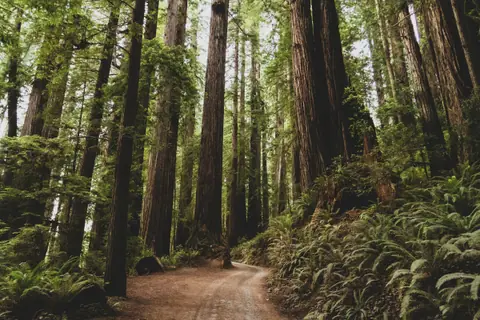
Muir Woods protects coast redwoods along Redwood Creek, under a tall forest canopy. Pack a warm layer, and do not count on phone signal there. Yosemite lies much further inland, so check its own forecast before you go and pack for warmer days and colder nights than in the city. Our day trips guide covers both.
What to carry each day
- Your passport, which the UK government advises visitors to carry.
- A contactless card, phone wallet or Clipper card for transit.
- A windproof jacket, even on a sunny morning.
- Water and a snack for longer walks.
- A phone with offline maps, plus a power bank.
Leave nothing visible in a parked car. The UK advice warns that gangs target cars that look like tourists' cars, so carry your bag with you rather than leaving it on the seat.
Style and dress codes
Dress is relaxed across the city. Smart jeans and a jacket work almost everywhere, from museums to most restaurants. If you plan a smart dinner, check the restaurant's own guidance when you book.
A quick packing list by season
- December to February: waterproof jacket, warm mid-layer, water-resistant shoes.
- March to May: light waterproof, layers, scarf for viewpoints.
- June to August: windproof jacket, fleece, long trousers, sunscreen.
- September to November: light layers, a jacket for evenings, a hat for the sun.
Our three-day route shows how much walking each day involves, so you can plan your shoes and layers around it.
Clothes for an Alcatraz trip
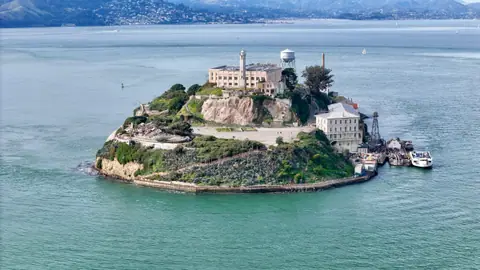
The ferry to Alcatraz crosses open water, and the deck is exposed to wind in every season. On the island, a steep path climbs from the dock to the cellhouse, so wear shoes with grip. Plan on a couple of hours on the island, and bring water and a snack, because the bookstore sells dry snacks and nothing more.
Rain gear in detail
San Francisco Travel names December to February as the wettest months, with roughly 4 to 5 inches of rain a month, and notes that rain returns in late October and November. A hooded waterproof jacket works better than an umbrella on windy days. Pack shoes that handle wet sidewalks and hills, as the city's tourism office advises.
Evenings out
Evenings cool quickly, even after a warm afternoon, and wind off the water makes the waterfront feel colder. If you plan dinner in North Beach or the Mission and a walk afterwards, bring the jacket you wore in the morning rather than leaving it at the hotel. A light scarf takes up little space in a bag.
Weather by month
San Francisco is warmest in September, with average highs around 21°C, and coldest in January, when nights drop to about 8°C. December is the wettest month by rainfall (129 mm), with rain on about 10 days. For mild weather with fewer rainy days, aim for May, June, July, August, September and October.
| Month | Low | Range | High | Rain | Rainy days |
|---|---|---|---|---|---|
| Jan | 8°C | 14°C | 124 mm | 11 d | |
| Feb | 8°C | 15°C | 89 mm | 8 d | |
| Mar | 9°C | 15°C | 94 mm | 10 d | |
| Apr | 10°C | 16°C | 34 mm | 5 d | |
| May | 11°C | 17°C | 17 mm | 2 d | |
| Jun | 13°C | 19°C | 1 mm | 0 d | |
| Jul | 13°C | 19°C | 1 mm | 0 d | |
| Aug | 14°C | 20°C | 1 mm | 0 d | |
| Sep | 14°C | 21°C | 3 mm | 1 d | |
| Oct | 13°C | 21°C | 29 mm | 3 d | |
| Nov | 10°C | 16°C | 59 mm | 7 d | |
| Dec | 8°C | 14°C | 129 mm | 10 d |
Averages of daily values from 2015 to 2024. Rainy days are days with at least 1 mm of rain. Source: Open-Meteo · Compare destinations by month.
Where it is
- 1San Francisco
- San Francisco International Airport (SFO) · about 18 km from San Francisco in a straight line
- Directions in Google Maps
Stations and taxi ranks: OpenStreetMap. Airports: OurAirports. Distances are in a straight line.
Traveller tips
Real advice from people who have been to San Francisco. Every tip is read by our team before it goes live.
No tips yet. Been here? Yours could be the first.
Thank you! Your tip will appear here after a quick review.
More in San Francisco
Continue exploring San Francisco with related neighbourhood, food, and planning guides