Where to Stay in Sucre: Colonial Mansions, La Recoleta and Quiet Quarters
A complete neighbourhood guide to choosing accommodation in Sucre, from restored seventeenth-century colonial courtyard casonas to panoramic hillside retreats.
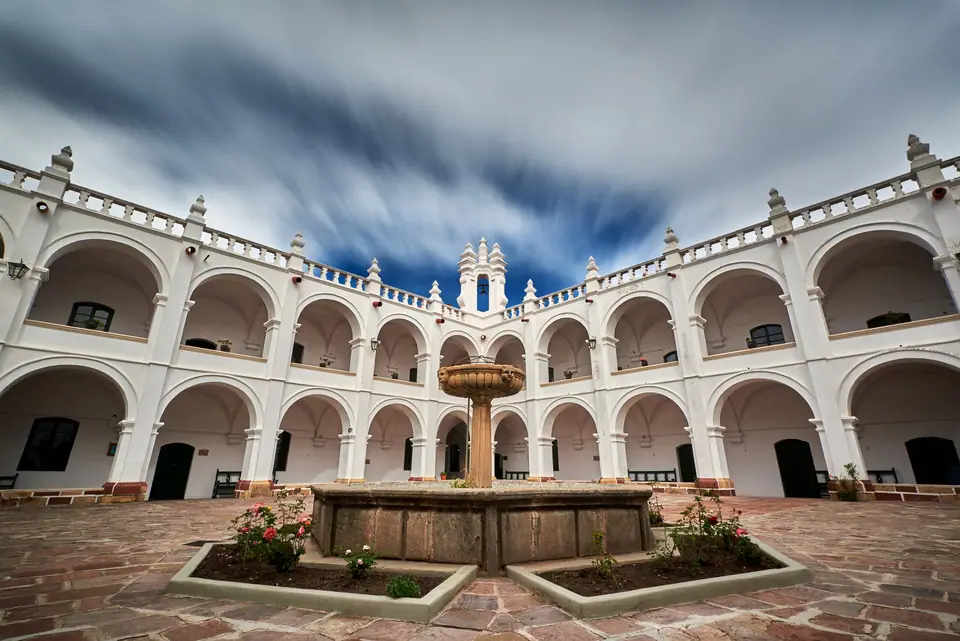
Thanks to rigorous preservation laws safeguarding its UNESCO World Heritage boundary, Sucre delivers some of the most atmospheric heritage lodging in the South American highlands. Modern concrete high-rises are absent from the historic centre. Instead, visitors reside inside authentic seventeenth-, eighteenth-, and nineteenth-century patrician townhouses known locally as casonas. These properties feature double-tiered stone arcades, whitewashed adobe facades, and quiet interior courtyards planted with orange trees and geraniums.
UNESCO Historic Centre: Restored Courtyard Mansions Near Plaza 25 de Mayo
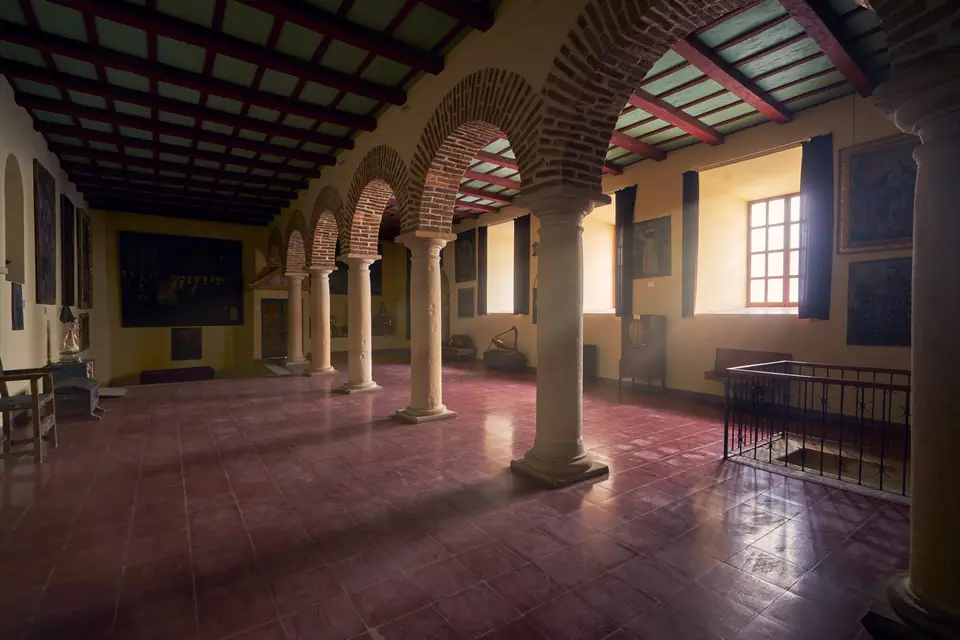
Positioning your base within a four-block radius of the main square provides optimal convenience for exploring on foot. The grid surrounding Plaza 25 de Mayo along Calle Nicolás Ortiz, Calle Dalence, Calle Audiencia, Calle Bolívar, Calle España, and Calle Calvo accommodates the greatest concentration of converted aristocratic residences.
During the colonial silver boom, wealthy mine owners travelled down from frigid Potosí to establish winter residences in the temperate valley of Chuquisaca. Builders erected these estates with thick sun-dried adobe bricks, hefty cedar roof timbers, and paved interior courtyards. These broad structural walls insulate guestrooms from street traffic, creating quiet sanctuaries behind heavy wooden portals.
Staying in the central district allows you to walk to essential landmarks within five to ten minutes. You can collect a morning snack of empanadas, examine the rooftop views from the Oratorio de San Felipe de Neri, or procure fresh fruit upstairs at the central market. Transport links are equally straightforward. Organised excursion vehicles departing for the dinosaur trackways at Cal Orck'o or the rural textile settlements around Maragua crater pick up passengers directly from central addresses.
La Recoleta and Upper Guereo: Hillside Vistas and Mountain Serenity
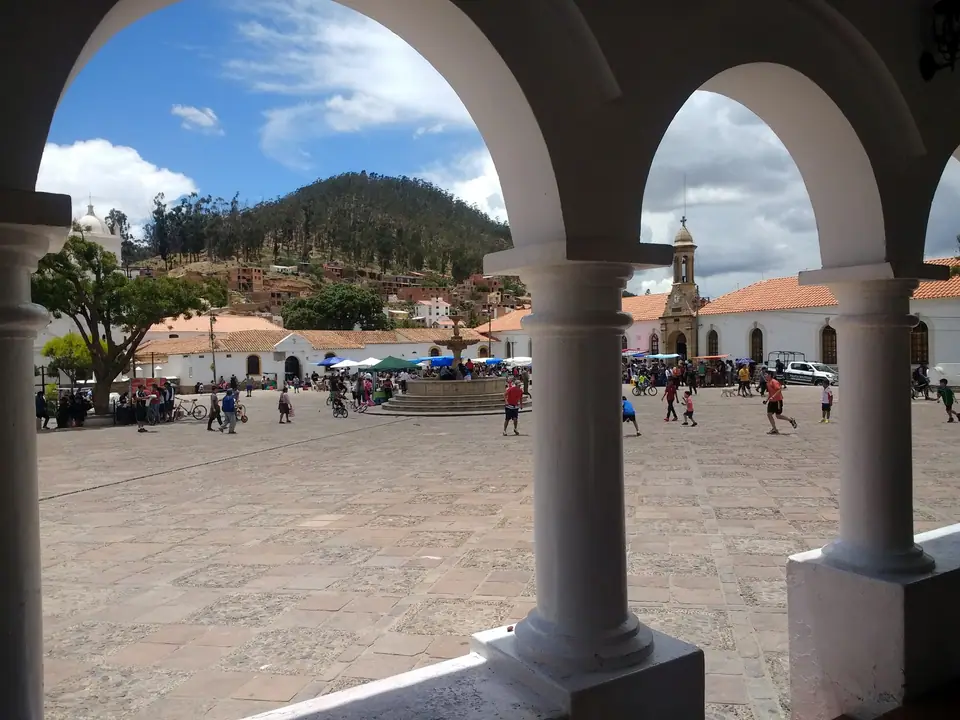
Rising southeast from the cathedral plaza toward the base of Cerro Churuquella, the neighbourhood of La Recoleta offers a quieter residential atmosphere. The quarter centres around the 1601 Franciscan monastery and its expansive public mirador. Accommodation here consists primarily of boutique guesthouses, private serviced apartments, and long-stay properties catering to language students.
The primary advantage of staying on the Recoleta slope is the sweeping view across Sucre. From private balconies and shared terrace gardens, guests look directly over red clay-tiled rooftops, whitewashed church belfries, and surrounding arid peaks. Streets here remain largely free of heavy bus traffic, resulting in peaceful evenings.
The terrain requires consideration before booking. Reaching the monastery square from the central plaza involves climbing a continuous incline along Calle Polanco or Calle Dalence. Walking downhill takes roughly ten minutes, while ascending at Sucre's elevation of nearly 2,800 metres demands steady physical effort. Travellers carrying heavy luggage or those who prefer step-free walking routes usually hire local street taxis for the return ascent.
Parque Simón Bolívar and San Roque: Green Spaces and Residential Calm
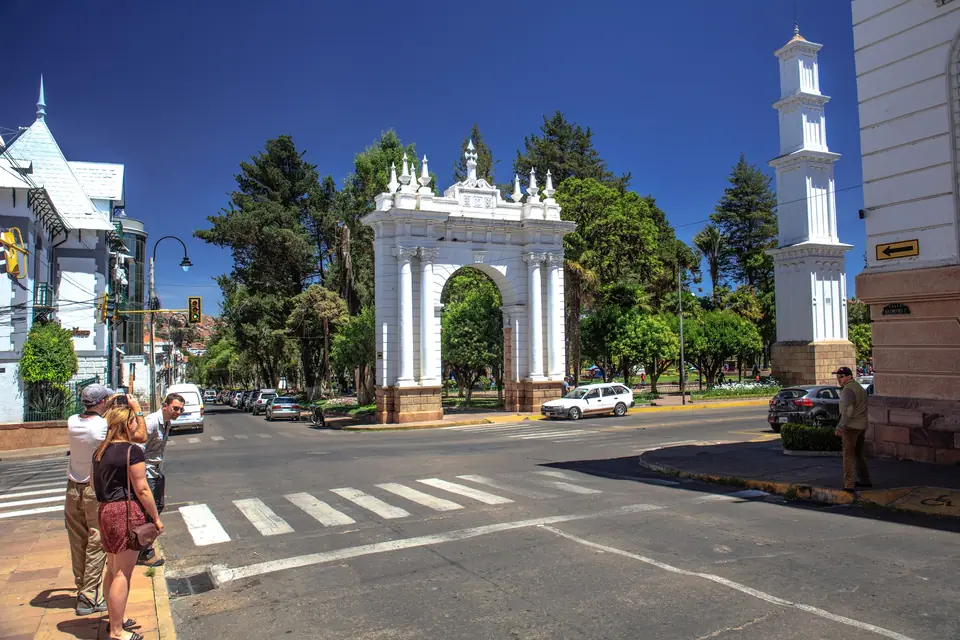
North of the historic core, the blocks surrounding Parque Simón Bolívar and the Supreme Court of Bolivia present an alternative neighbourhood character. This district features broader streets, neoclassical civic institutions, and leafy park promenades framed by tall palm trees and ornamental gardens.
Properties in this sector range from modern private apartments to modest guesthouses. The area is flat and walkable, appealing to families seeking open recreational grounds for children. Morning joggers frequent the park pathways, and local street stalls sell fresh fruit juices along the avenue. The walk to the central square takes ten to fifteen minutes, offering an easy escape from midday commercial activity.
West of the central square lies the working-class quarter of San Roque. Known for its traditional bakeries and independent language schools, San Roque offers practical accommodation for visitors planning extended stays. The neighbourhood remains unpretentious, with small grocery shops and community eateries serving the daily needs of permanent residents.
Selecting the Right Base for Your Itinerary
Sucre remains one of the safest and most pleasant urban centres in Bolivia, but selecting the ideal base depends on personal physical mobility, desired night-time noise levels, and your daily schedule.
| Neighbourhood | Typical Property Style | Walking Profile to Plaza | Best Suited For |
|---|---|---|---|
| Casco Histórico (Plaza 25 de Mayo) | Colonial casonas with stone arcades and central patios | Immediate (under 5 minutes flat) | First-time visitors, short stays, museum access |
| La Recoleta and Upper Guereo | Boutique guesthouses and converted terraced homes | 10 to 15 minutes (steep hill climb on return) | Photographers, scenic retreats, long-term writers |
| Parque Bolívar and Supreme Court | Mid-range modern hotels and serviced apartments | 10 to 15 minutes (level walk) | Families, business travellers, park access |
| San Roque Quarter | Independent guesthouses and modest hostels | 6 to 10 minutes (gentle incline) | Budget travellers, language students, quiet stays |
Room Selection and High-Altitude Temperature Control
Sucre enjoys mild daytime sunshine throughout the year, with maximum temperatures consistently reaching 20°C to 23°C. Night-time conditions require thoughtful preparation. Between May and August, evening low temperatures drop to between 4°C and 6°C. Because historic colonial buildings were built without central heating ducts, adobe walls store daytime coolness and can feel brisk once the sun sets.
When selecting a room inside a heritage property, request a chamber that opens onto an upper courtyard corridor rather than an enclosed ground-floor chamber. Upper-level rooms receive direct southern hemisphere sunlight during the morning hours, helping natural interior warmth accumulate across the floorboards.
Enquire whether your chosen hotel provides portable electric oil radiators, gas heaters, or extra woollen blankets for winter nights. During the wet months between December and February, monthly rainfall totals range from 91 to 105 millimetres. Paved courtyard stones can become slick when wet, making non-slip footwear advisable inside heritage properties with uncovered patio walkways.
Plumbing across older residential blocks relies on electric heating elements inside shower heads or local gas boiler cylinders. If reliable hot water is important for early-morning tours, verify your accommodation details prior to arrival. Packing a fleece pullover ensures full comfort while enjoying breakfast in open-air courtyard galleries.
Where it is
- 1Sucre
- Alcantarí International Airport (SRE) · about 25 km from Sucre in a straight line
- Directions in Google Maps
Stations and taxi ranks: OpenStreetMap. Airports: OurAirports. Distances are in a straight line.
Traveller tips
Real advice from people who have been to Sucre. Every tip is read by our team before it goes live.
No tips yet. Been here? Yours could be the first.
Thank you! Your tip will appear here after a quick review.
More in Sucre
Continue exploring Sucre with related neighbourhood, food, and planning guides
Best Time to Visit Sucre: Seasons, Mountain Climate and Cultural Festivals
Sucre, Bolivia
3 Days in Sucre Itinerary: UNESCO White City, Cal Orck'o & Maragua or Tarabuco
Sucre, Bolivia
What to Eat in Sucre: Chorizos Chuquisaqueños, Mondongo, Salteñas & Chocolates
Sucre, Bolivia
Plaza 25 de Mayo, Casa de la Libertad & Metropolitan Cathedral Guide
Sucre, Bolivia
