What to Eat in Valparaíso: Chorrillana Porteña, Caldillo de Congrio and Coastal Seafood
Taste essential Valparaíso dishes from hearty chorrillana platters and Neruda's caldillo de congrio to fresh Pacific seafood across portside markets and coastal hills.
Shaped by the cold waters of the Humboldt Current and generations of dockworkers, sailors, and immigrants, Valparaíso possesses one of the most distinctive culinary identities in South America. The cooking here reflects two contrasting worlds. Down along the docks and commercial flats, port taverns serve hearty communal platters engineered to satisfy working appetites. Meanwhile, the open Pacific provides an exceptional variety of fish and shellfish that arrive fresh daily at local landing coves. Exploring these coastal flavours is an indispensable element of discovering Valparaíso.
La Chorrillana Porteña and Bohème Tavern Culture
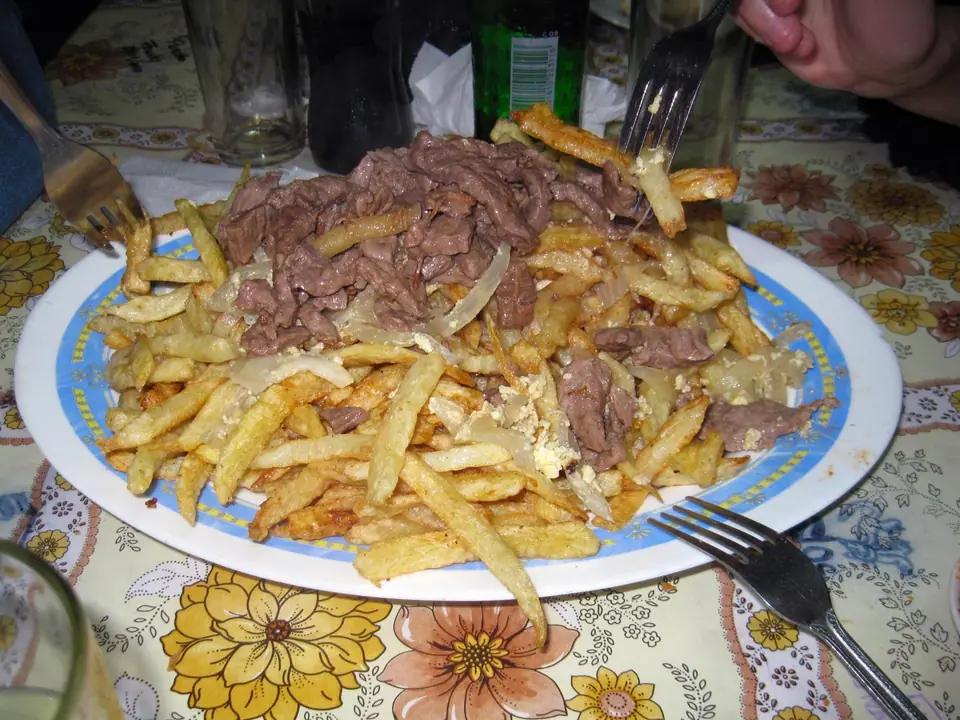
No dish embodies the nocturnal spirit of Valparaíso more completely than the chorrillana porteña. Invented in the city's bohemian quarters during the late twentieth century, this monumental platter was created as social fuel for students and workers gathering after dark. Its spiritual home remains the eccentric, memorabilia-filled tavern J. Cruz M., tucked away down a passage off Calle Condell 1466.
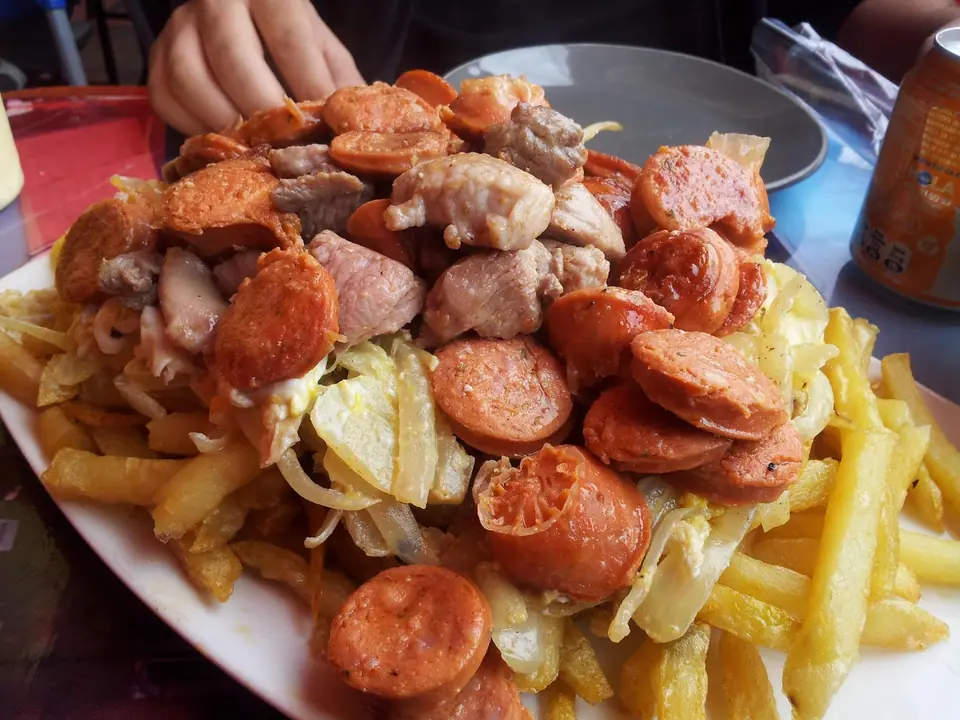
A genuine chorrillana begins with a generous mound of freshly fried, thick-cut potatoes. Cooks top the warm chips with slow-cooked sweet onions, tender ribbons of sautéed beef loin, and either scrambled eggs or fried eggs with runny yolks. It is eaten communally from the platter, using wooden toothpicks or simple forks while sharing cold draft beer or a pitcher of borgoña, a chilled blend of red wine and fresh strawberries. Many diners follow this shared feast with a walk across Cerro Alegre and Cerro Concepción to take in night views over the bay.
Caldillo de Congrio and Pablo Neruda's Favourite Seafood
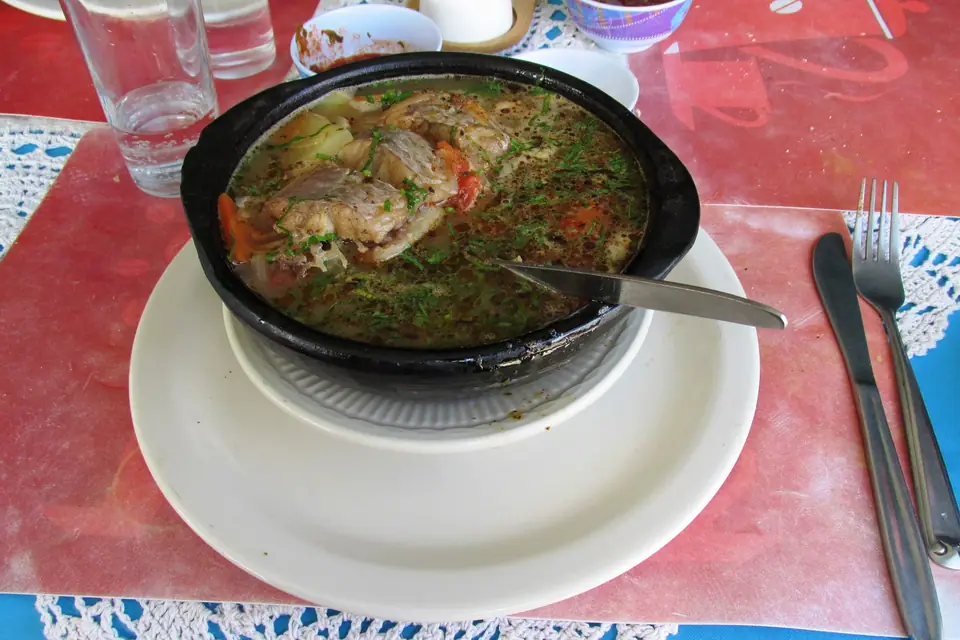
Chile's cold Pacific waters yield the pink conger eel, known scientifically as Genyporus blacodes. This firm, snowy-fleshed fish stars in the legendary caldillo de congrio. The dish gained literary fame through poet Pablo Neruda, who celebrated it in his celebrated verses titled Oda al Caldillo de Congrio, describing the rosy sea creature rising from stormy waters into an aromatic earthen bowl.
Cooks simmer the fish medallions in a rich stock made from eel heads, white wine, onions, garlic, ripe tomatoes, and potatoes. Fresh coriander leaves are stirred in just before presentation, occasionally rounded off with a touch of heavy cream. Served piping hot inside a heavy round clay dish (called a paila marina), the broth retains heat right down to the final spoonful. Neruda regularly entertained literary guests with this stew at his clifftop sanctuary, which travellers can explore using the La Sebastiana house and Cerro Bellavista guide.
Machas a la Parmesana and Coastal Shellfish Specialities
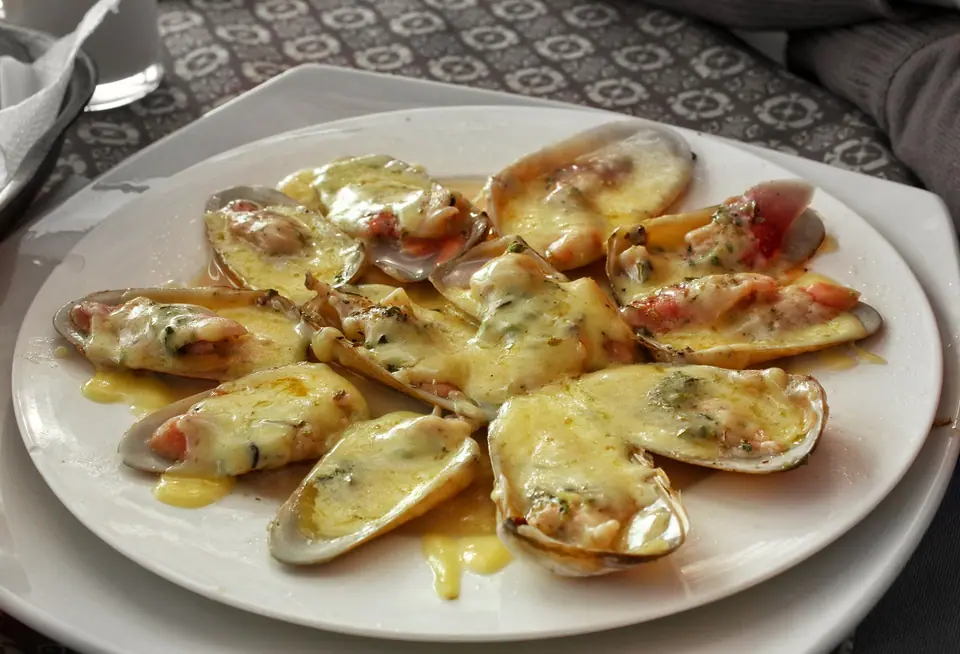
Chilean razor clams, known locally as machas (Mesodesma donacium), are native to the surf zones of the central coast. In the 1950s, an Italian immigrant named Edoardo Melotti introduced an enduring coastal classic just north of Valparaíso in Viña del Mar: machas a la parmesana. The recipe remains simple yet decadent. Cooks arrange freshly shucked pink clams on their half shells, dot them with dairy butter, sprinkle dry white wine, and coat them heavily in grated Parmesan cheese before placing them under an intense broiler until golden and bubbling.
The coastal strip stretching north towards Concón offers further maritime delights, most notably deep-fried empanadas de mariscos. These crisp pastries arrive packed with chopped razor clams, small mussels, or tender baby squid combined with melted cheese. To balance rich fried shellfish, local tables always feature pebre, a sharp condiment of minced tomatoes, spicy green chilli peppers, fresh coriander, garlic, and vinegar.
Portside Cocinerías and Fresh Market Dining
To experience authentic everyday dining in the lower town, head to the second level of the historic market building covered in our Mercado El Cardonal and Caleta Portales guide. Beneath the ironwork arches, family-run cocinerías prepare lunchtime dishes for local shopkeepers and produce vendors. A staple order is pescado frito, consisting of a whole fresh fillet of Chilean hake (merluza) or pomfret (reineta) dipped in a light batter and fried until crisp.
Vendors serve this golden fish with ensalada a la chilena, a refreshing salad of thinly sliced sweet onions and peeled tomatoes seasoned with oil and coriander. Caleta Portales, located further east along the shoreline, allows visitors to watch artisanal fishing boats unload their catch directly onto concrete docks before stepping into casual waterside eateries for steamed shellfish bowls.
Valparaíso Dining Profiles at a Glance
| Dish or Drink | Key Ingredients | Cultural Setting | Local Pairing |
|---|---|---|---|
| Chorrillana Porteña | Fried potatoes, sautéed beef, caramelised onions, eggs | Late-night bohemian taverns around Calle Condell | Pitcher of borgoña or cold lager |
| Caldillo de Congrio | Pink conger eel, tomatoes, garlic, potatoes, white wine | Traditional sit-down restaurants and port cocinerías | Crisp Sauvignon Blanc from Casablanca |
| Machas a la Parmesana | Razor clams on half-shell, butter, white wine, Parmesan | Seaside terraces in Viña del Mar and Concón | Chilled coastal Chardonnay |
| Pescado Frito con Ensalada | Battered fried hake or reineta, sliced tomato, onion | Upper galleries of Mercado El Cardonal and fishing caletas | Mineral water or draft pale beer |
| Empanadas de Mariscos | Wheat pastry, mixed shellfish, melted cheese | Casual coastal bakeries and Concón fry-shacks | Fresh fruit juice or dry white wine |
Seasonal Planning for Porteño Dining
Valparaíso enjoys an exceptionally dry Mediterranean climate during summer, though the cold ocean current moderates temperatures throughout the year. Between December and February, daytime highs average 20.8°C to 21.6°C with zero rainfall and zero wet days. These warm conditions make summer ideal for outdoor terrace dining on hillside lookouts, accompanied by chilled white wines from the neighbouring valleys.
During midwinter in June and July, daytime maximums drop to 14.9°C or 15.3°C, while night temperatures hover around 8.2°C to 8.7°C with 49 millimetres of monthly rainfall across roughly 7 wet days. Winter provides the finest backdrop for hot broths like caldillo de congrio, savoured inside steamy coastal dining rooms while Pacific squalls roll over the breakwater. Shoulder months such as April (high 18.5°C, 14 millimetres of rain) and October (high 17.8°C, 14 millimetres of rain) offer quiet dining rooms and pleasant midday walking temperatures across the city's historic stairways.
Where it is
- 1Valparaíso
- Comodoro Arturo Merino Benítez International Airport (SCL) · about 86 km from Valparaíso in a straight line
- Directions in Google Maps
Stations and taxi ranks: OpenStreetMap. Airports: OurAirports. Distances are in a straight line.
Traveller tips
Real advice from people who have been to Valparaíso. Every tip is read by our team before it goes live.
No tips yet. Been here? Yours could be the first.
Thank you! Your tip will appear here after a quick review.
More in Valparaíso
Continue exploring Valparaíso with related neighbourhood, food, and planning guides
Best Time to Visit Valparaíso: Coastal Climate, Festivals and Seasonal Planning
Valparaíso, Chile
Where to Stay in Valparaíso: Best Hillside Quarters and Coastal Districts
Valparaíso, Chile
3 Days in Valparaíso Itinerary: UNESCO Hills, Neruda, Viña del Mar & Casablanca
Valparaíso, Chile
Cerro Alegre and Cerro Concepción Guide: Street Art, Paseos and Mansions
Valparaíso, Chile
