What to Wear in Auckland: UV Sun Protection, Maritime Rain Shells and Biosecurity Rules
Pack for Auckland with our comprehensive guide covering extreme southern UV levels, maritime layering strategies, volcanic scoria footwear, and MPI biosecurity rules.
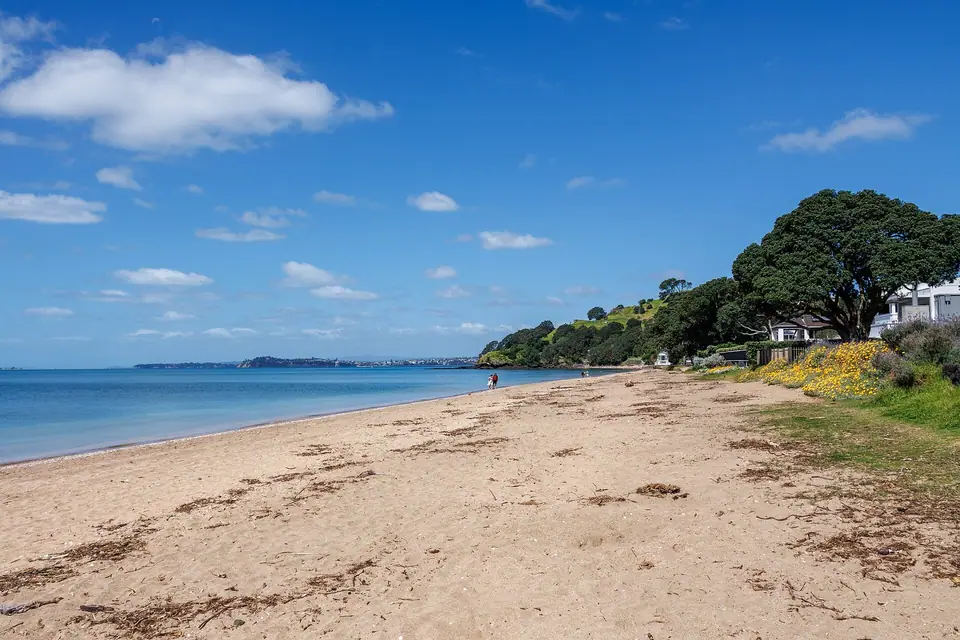
Packing for Auckland requires preparing for distinct environmental conditions that regularly catch international travellers off guard. The city sits on a narrow volcanic isthmus between the Tasman Sea and the Pacific Ocean. Because oceanic weather fronts move across the land within minutes, daily forecasts shift rapidly across all four seasons. Travellers must plan for intense southern hemisphere solar radiation, unexpected maritime squalls, rugged volcanic ground, and strict national biosecurity mandates governing outdoor footwear.
Extreme Southern Hemisphere UV Protection Across the Isthmus
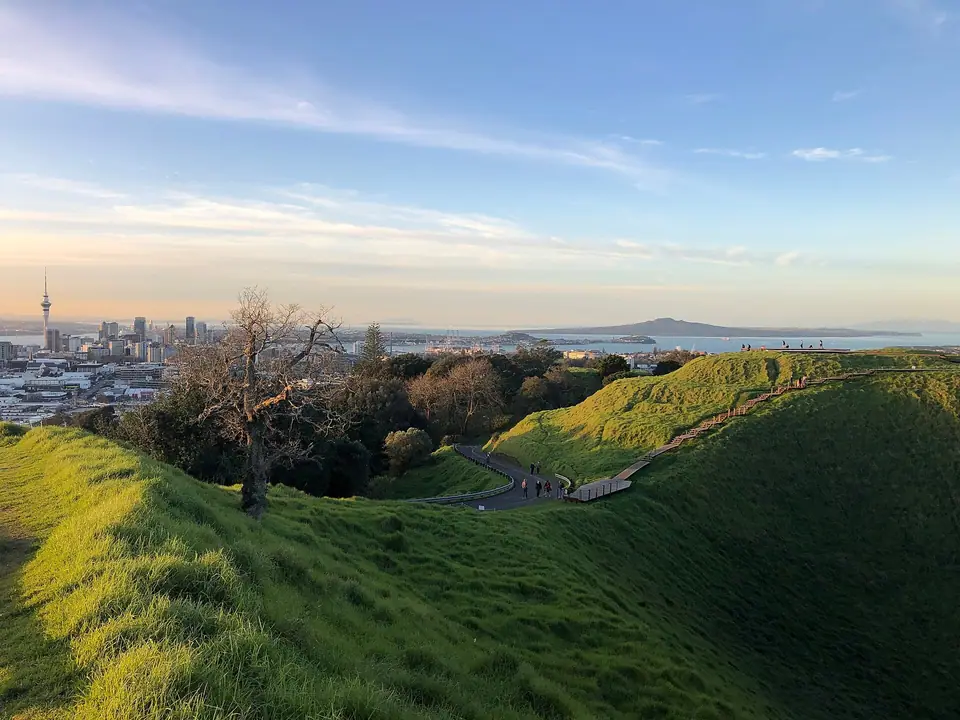
Solar radiation in New Zealand is far more aggressive than at equivalent latitudes in Europe or North America. Due to cleaner southern oceanic air, lower particulate pollution, and an elliptical orbit bringing the southern hemisphere closer to the sun in summer, local solar energy is fierce. Between September and April, Auckland's UV Index regularly hits 11 to 13, classified internationally as Extreme. Unprotected skin can sustain painful burns in under fifteen minutes. This risk occurs even during breezy, overcast afternoons when thermometer readings hover around a modest 22°C.
Sun protection is not optional beachwear; it is essential daily urban gear. We advise carrying a wide-brimmed sun hat or bucket hat with a secure chin strap for gusty ferry journeys across the Waitemata Harbour. Wraparound sunglasses rated UV400 shield your eyes from high surface glare bouncing off open water. Apply broad-spectrum SPF 50+ sunscreen every morning, and keep a travel tube inside your daypack to reapply after coastal walks or vineyard lunches.
Maritime Layering for Unpredictable Coastal Weather
Aucklanders frequently describe their local climate as four seasons in one day. An offshore squall can sweep over the Waitakere Ranges, drench downtown streets for twenty minutes, and clear out to blue skies immediately afterwards. Heavy winter overcoats are impractical for this humid marine environment. Instead, a technical layering system offers the best flexibility across changing harbour microclimates.
Build your daily outfit with a breathable base layer made of lightweight merino wool or fast-drying technical synthetics. Merino wool excels in New Zealand because it regulates body temperature across shifting weather while resisting natural odours. Add a mid-weight fleece or knit jumper for chilly ferry decks and exposed volcanic summits. Most critically, pack a dedicated waterproof and windproof shell jacket featuring taped seams and an adjustable hood. Stash this shell inside your daypack before exploring coastal routes or catching local ferries.
Evening dining across Viaduct Harbour, Britomart and Wynyard Quarter leans towards smart-casual dressing. Auckland restaurants rarely enforce formal dress codes. Clean dark denim, tailored trousers, collared shirts, and stylish flats or leather trainers fit comfortably into the city's finest dining rooms.
Volcanic Terrain and Protective Footwear Requirements
Footwear choice depends heavily on your daily itinerary. Casual city sightseeing and vineyard tasting tours on Waiheke Island are well suited to supportive walking shoes, cushioned trainers, or leather sandals. However, exploring regional parks and volcanic cones introduces rougher terrain.
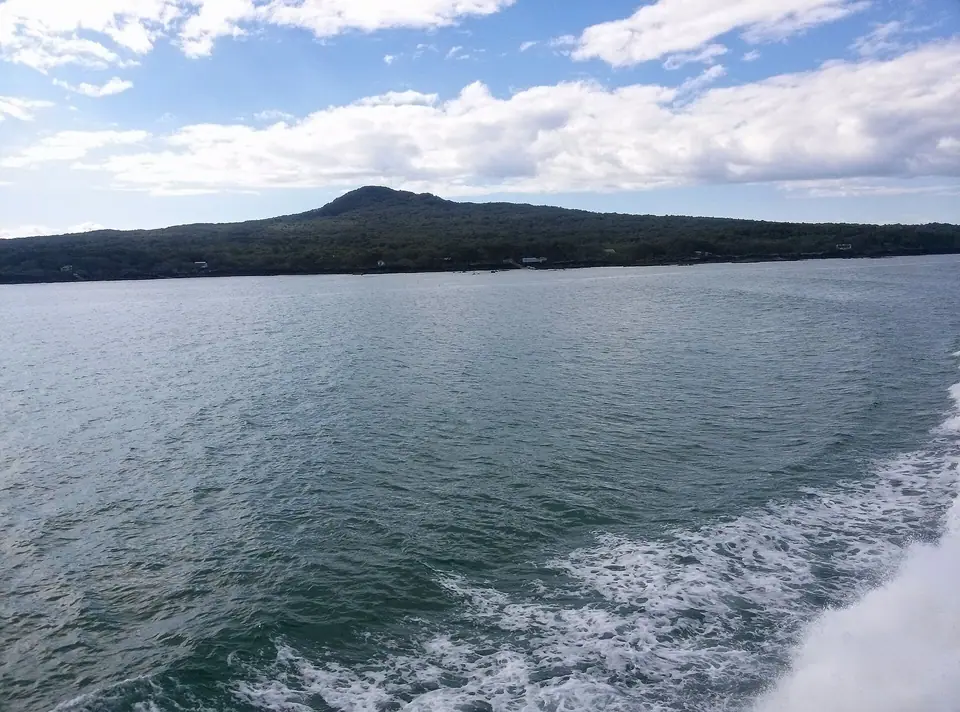
Auckland features more than fifty volcanic features across its urban landscape. Walking the grassy crater rims at Maungawhau Mount Eden or One Tree Hill involves steep paved slopes and timber steps where comfortable trainers are ideal. By contrast, day walks on Rangitoto Island require serious, closed-toe footwear. The hiking paths wind over raw, jagged basalt scoria lava rock known as a'a. These sharp volcanic stones quickly shred flimsy sandals, thin canvas plimsolls, and open flip-flops, which locals call jandals. Pack sturdy trail running shoes or light hiking boots with rigid soles and protective rubber toe bumpers to navigate scoria tracks safely.
Auckland Footwear and Outerwear Selection Matrix
| Setting or Excursion | Essential Footwear | Primary Upper Layer | Weather Priority |
|---|---|---|---|
| City Centre and Dining Precincts | Cushioned walking trainers or leather shoes | Breathable cotton or merino base with light knit | Smart-casual comfort and pavement cushioning |
| Waitemata Ferry Crossings and Islands | Closed-toe deck shoes or supportive trainers | Windproof and waterproof breathable outer shell | Harbour spray deflection and wind chill defense |
| Rangitoto Island Volcanic Hike | Sturdy trail running shoes or hiking boots | Breathable long-sleeve sun shirt with spare fleece | Scoria rock protection and full solar shielding |
| West Coast Beaches and Rainforests | Grippy hiking shoes plus beach sandals | Packable waterproof jacket over merino mid-layer | Rain squalls, sand comfort, and mud traction |
Auckland Airport MPI Biosecurity and Kauri Dieback Rules
New Zealand maintains some of the world's most rigorous biosecurity controls to protect its isolated agricultural sector and native ecosystems. The Ministry for Primary Industries monitors all inbound passenger arrivals at Auckland Airport. Every international traveller must complete the New Zealand Traveller Declaration before entry. You must declare all used outdoor sporting equipment, camping gear, and hiking boots.
Before you pack your bags at home, thoroughly scrub all dirt, dried mud, plant seeds, and organic matter from the treads of your walking boots and trail shoes. At Auckland Airport, biosecurity officers inspect shoe treads at dedicated inspection stations. If inspectors find traces of soil or plant material, your footwear will be sent for biosecurity cleaning on arrival. While this standard service is provided free of charge, failing to declare dirty outdoor gear can trigger severe delays or an instant infringement fine of four hundred New Zealand dollars.
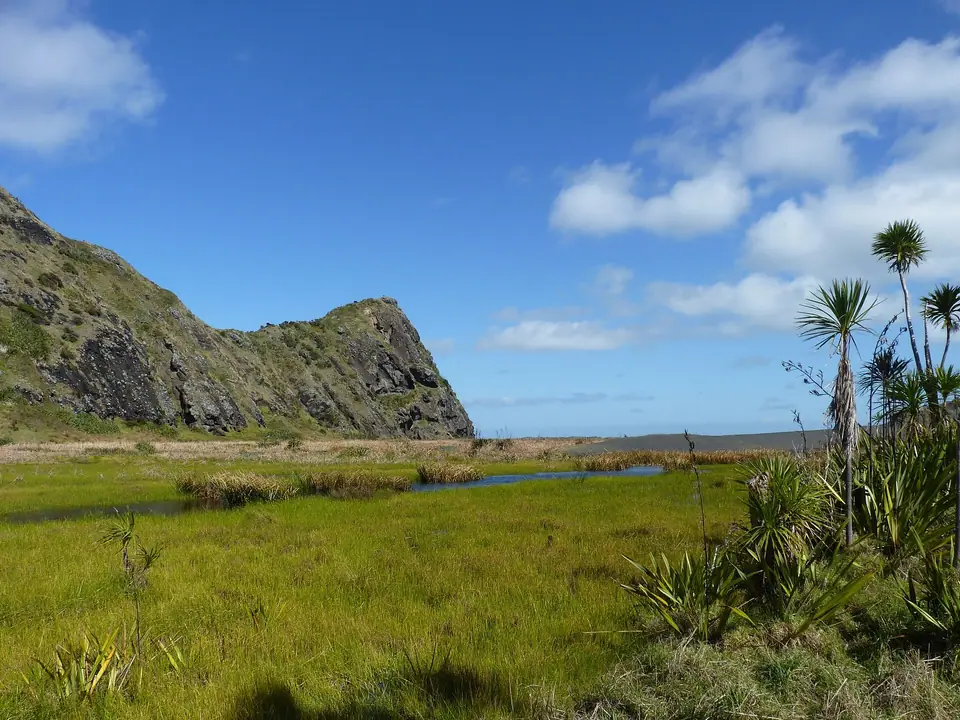
Biosecurity responsibilities continue after passing through international arrivals. When exploring the native forests of Piha, Lion Rock and the Waitakere Ranges, visitors must protect ancient native kauri trees from kauri dieback disease. This fatal microscopic soil pathogen spreads easily through tiny quantities of dirt carried on boots. Local park authorities install mandatory hygiene wash stations at every forest trailhead. Hikers must scrub all visible soil off their shoe soles using the provided mechanical brushes, step onto the pedal-activated disinfectant sprayers, and remain strictly on raised timber boardwalks throughout their trek.
Seasonal Packing Adjustments for Auckland
Summer runs from December through February, bringing average daytime highs of 22°C to 24°C and overnight lows around 15°C to 16°C. Rain occurs on seven to nine days each month. Pack light linen shirts, quick-dry shorts, and beach swimwear, but never omit your waterproof shell jacket. Autumn brings cooling temperatures, with daytime averages falling from 23°C in March to 17°C by May, when monthly rainfall climbs to 84 millimetres across twelve wet days. Medium layers become essential as mornings grow brisk.
Winter spans June to August, producing daytime highs of 14°C to 15°C and overnight lows between 7°C and 8°C. July and August are the wettest months, recording roughly 105 millimetres of rain across fifteen wet days each. Pack thermal merino base layers, windproof fleece tops, and a robust waterproof coat. Spring brings warming weather from September to November, with daytime highs lifting from 16°C to 20°C and rainfall tapering down. Because spring weather shifts dramatically between sea breezes and sudden rain, a flexible layering wardrobe ensures complete comfort across the city.
Weather by month
Auckland is warmest in January, with average highs around 24°C, and coldest in July, when nights drop to about 7°C. July is the wettest month by rainfall (105 mm), with rain on about 15 days. For mild weather with fewer rainy days, aim for January, February, March, April, November and December.
| Month | Low | Range | High | Rain | Rainy days |
|---|---|---|---|---|---|
| Jan | 16°C | 24°C | 56 mm | 8 d | |
| Feb | 16°C | 24°C | 49 mm | 7 d | |
| Mar | 15°C | 23°C | 63 mm | 9 d | |
| Apr | 12°C | 20°C | 70 mm | 10 d | |
| May | 10°C | 17°C | 84 mm | 12 d | |
| Jun | 8°C | 15°C | 98 mm | 14 d | |
| Jul | 7°C | 14°C | 105 mm | 15 d | |
| Aug | 8°C | 15°C | 105 mm | 15 d | |
| Sep | 9°C | 16°C | 91 mm | 13 d | |
| Oct | 11°C | 18°C | 77 mm | 11 d | |
| Nov | 12°C | 20°C | 70 mm | 10 d | |
| Dec | 15°C | 22°C | 63 mm | 9 d |
Averages of daily values from 2015 to 2024. Rainy days are days with at least 1 mm of rain. Source: Open-Meteo · Compare destinations by month.
Where it is
- 1Auckland
- Auckland International Airport (AKL) · about 18 km from Auckland in a straight line
- Directions in Google Maps
Stations and taxi ranks: OpenStreetMap. Airports: OurAirports. Distances are in a straight line.
Traveller tips
Real advice from people who have been to Auckland. Every tip is read by our team before it goes live.
No tips yet. Been here? Yours could be the first.
Thank you! Your tip will appear here after a quick review.
More in Auckland
Continue exploring Auckland with related neighbourhood, food, and planning guides
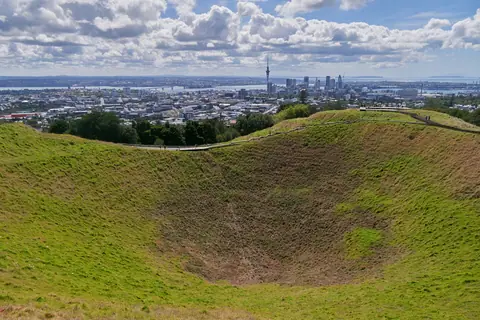
Auckland Volcanic Cones: Maungawhau, One Tree Hill, and Devonport Headlands
Auckland, New Zealand

Waiheke Island Day Trip from Auckland: Ferry Crossings, Vineyards, and Coastal Walks
Auckland, New Zealand
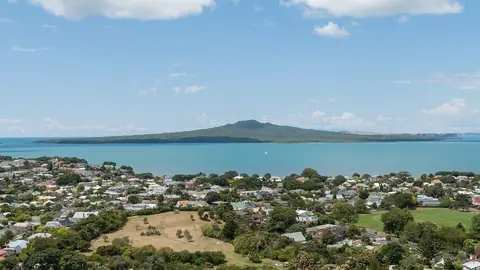
Rangitoto Island Volcano Summit Hike, Lava Caves and Hauraki Gulf Marine Park Guide
Auckland, New Zealand
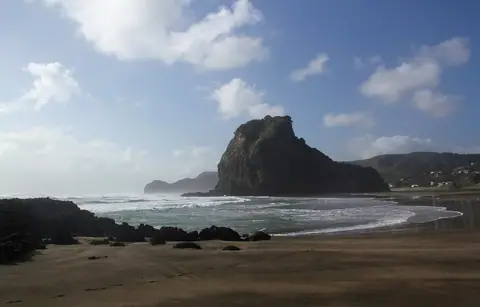
West Coast Wild Beaches: Piha, Waitākere Ranges and Muriwai Gannet Colony
Auckland, New Zealand
