How to Get to Bariloche: Airport Transfers, Long Distance Buses, Tren Patagónico and Cruce Andino
Arrive in San Carlos de Bariloche with ease using our breakdown of flights to BRC airport, local SUBE bus routes, Ruta 40 overland transport, and scenic Andean crossings.
San Carlos de Bariloche serves as the primary transport gateway for the northern Patagonian Lake District in Río Negro Province. Positioned between the arid eastern steppe and glacial Andean waterways, the city connects to Argentine population centres and neighbouring Chile through commercial air services, long-distance coach networks, a weekly rail service across the plateau, and passenger vessels traversing Lago Nahuel Huapi.
Teniente Luis Candelaria International Airport (BRC) Flight Connections
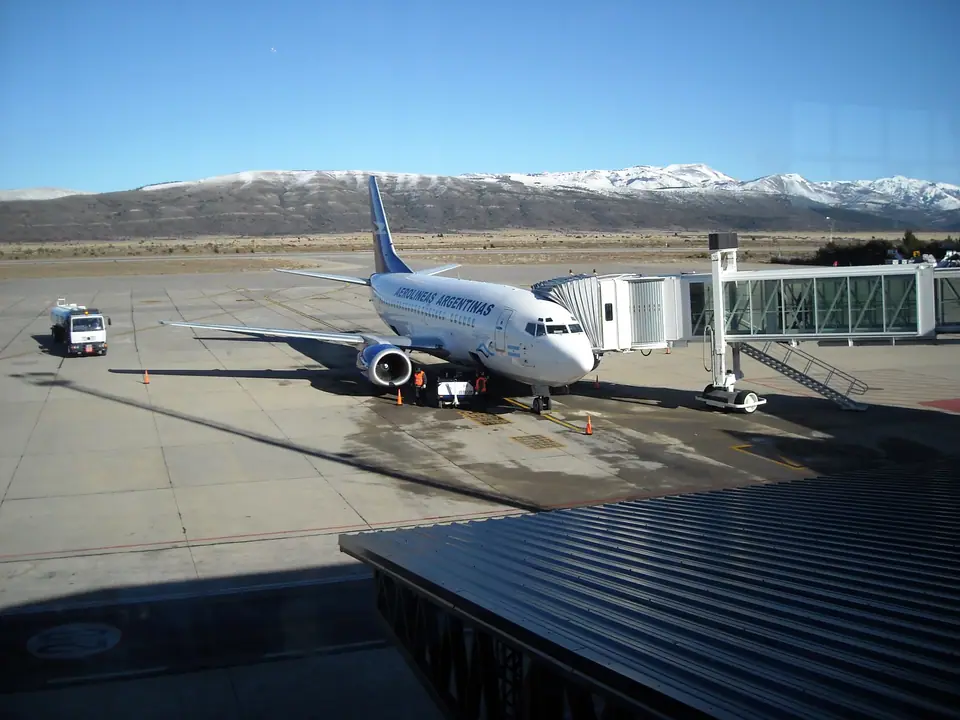
Teniente Luis Candelaria International Airport sits fourteen kilometres east of the civic core on the open Patagonian steppe. Domestic carriers operate daily direct services connecting Bariloche with both Aeroparque Jorge Newbery and Ezeiza International Airport in Buenos Aires. Flight durations average two hours and fifteen minutes. Year-round non-stop services link the city with regional hubs including Córdoba, Mendoza, Rosario, and El Calafate.
International passenger traffic expands during the winter ski months. Airlines add seasonal non-stop flights from São Paulo Guarulhos and Santiago de Chile to accommodate snow sports enthusiasts heading towards the mountain lifts. Because departure frequencies and baggage allowances shift with passenger demand, verify active schedules directly with operating airlines before booking connections.
Airport Ground Transport and Municipal SUBE Bus Connections
Ground transport from the terminal complex into central Bariloche operates via three primary modes. Municipal Mi Bus Line 72 departs the airport forecourt and runs west to the central coach terminal and the historic Centro Cívico, Cathedral of Nahuel Huapi and Calle Mitre district. Public buses do not accept cash. Passengers must tap a national SUBE smart card upon boarding.
Taxis and registered private remise cars queue directly outside the arrivals hall exit. Travellers continuing past the civic centre towards hotel corridors along Avenida Bustillo or western trailheads should establish destination addresses with drivers before departure. Shared shuttle vans offer drop-offs at selected downtown hotels. Travellers heading straight to lakeside resorts can review property placements through our Where to Stay in Bariloche guide to choose the most direct transfer option.
Bariloche Arrival Routes and Transport Comparisons
| Transport Mode | Departure Origin | Arrival Point | Primary Route Infrastructure |
|---|---|---|---|
| Commercial Jet Flight | Buenos Aires, Córdoba, Mendoza, El Calafate | Bariloche Airport (BRC) | National and regional air corridors |
| Long-Distance Coach | Buenos Aires, Neuquén, Puerto Madryn | Terminal de Ómnibus de Bariloche | Ruta Nacional 237 and Ruta Nacional 40 |
| Passenger Rail | Viedma (Atlantic Coast) | Bariloche Railway Station | Tren Patagónico broad-gauge line |
| Overland Regional Bus | El Bolsón, Villa La Angostura, San Martín | Terminal de Ómnibus de Bariloche | Paved Ruta Nacional 40 mountain corridor |
| International Lake Traverse | Puerto Varas and Petrohué (Chile) | Puerto Pañuelo (Llao Llao) | Cruce Andino boat and bus chain |
Overland Coach Travel and Driving via Ruta Nacional 40
Long-distance buses arrive at the Terminal de Ómnibus de Bariloche, situated three kilometres east of the city centre near the railway tracks. Sleeper coaches connect Bariloche with major provincial cities across central Argentina. Long-distance journeys from Buenos Aires take between twenty and twenty-four hours across the pampa and northern Patagonian tablelands.
Ruta Nacional 40 forms the north-south terrestrial spine of western Argentina. Heading south from Bariloche, the paved highway winds one hundred and twenty kilometres through river valleys to the artisan agricultural town of El Bolsón. Northward, the highway hugs the eastern bays of Lago Nahuel Huapi before branching toward Villa La Angostura and San Martín de los Andes. Motorists exploring northern scenic detours can consult our Route of the Seven Lakes guide for comprehensive driving waypoints.
Tren Patagónico Cross-Steppe Rail Journeys
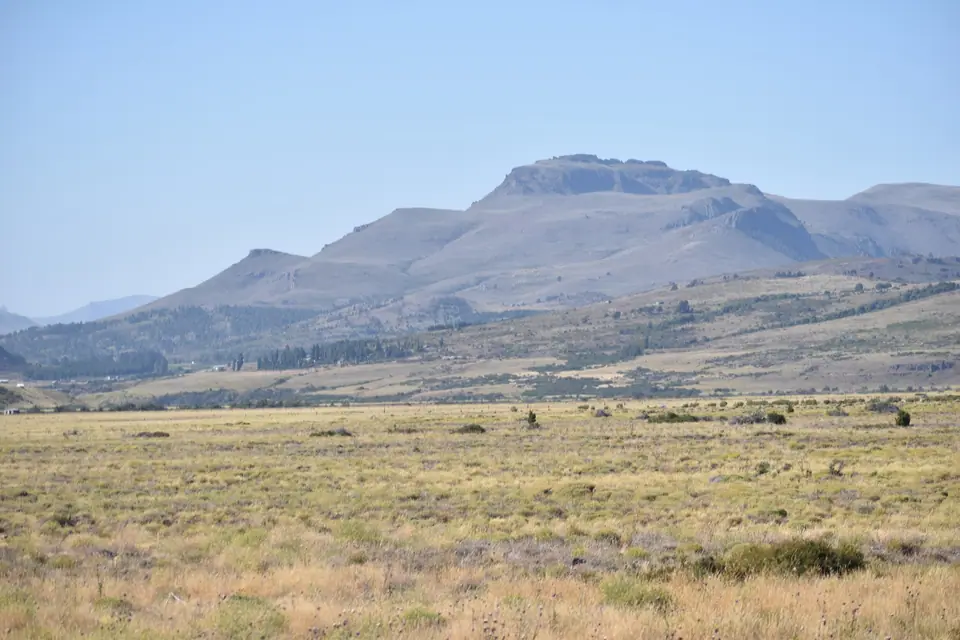
The state-owned Tren Patagónico provides a historic rail link across Río Negro Province. Running once weekly in each direction, the diesel-hauled passenger train crosses eight hundred kilometres of arid plateau between the Atlantic coastal terminus at Viedma and San Carlos de Bariloche. The journey provides an unhurried perspective on isolated sheep farming settlements, sandstone outcrops, and open scrub country before climbing into the Andean foothills.
The train pulls directly into Bariloche Railway Station on the eastern city fringe. Because services operate on a limited weekly departure timetable, passenger tickets often sell out weeks in advance during summer trekking holidays and midwinter ski breaks. Rail travellers should book their tickets through the official railway portal ahead of arrival.
Cruce Andino: International Lake Crossing from Chile
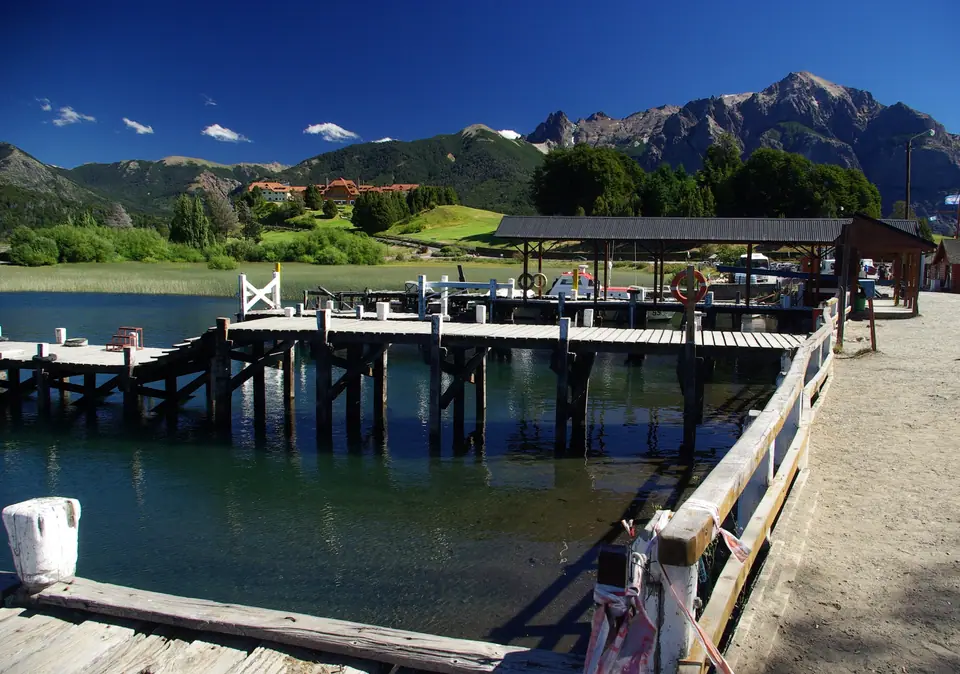
Travellers journeying between Chile and Argentina can cross the continental divide via the historic Cruce Andino. This combined boat and bus route begins in Puerto Varas, traversing Lago Todos los Santos to Peulla, crossing the Pérez Rosales mountain pass, and reaching Lago Frías on the Argentine side. A final catamaran crosses western Lago Nahuel Huapi from Puerto Blest to Puerto Pañuelo, situated twenty-five kilometres west of downtown Bariloche.
Passengers disembarking at Puerto Pañuelo can board Mi Bus Line 20 heading east along Avenida Exequiel Bustillo directly to central hotels. The crossing operates throughout the year, though winter departures face occasional weather adjustments from Andean snow. Travellers crossing international boundaries must complete customs formalities at Chilean and Argentine frontier posts along the mountain transit corridor.
Navigating City Transit: Buses and Weather Considerations
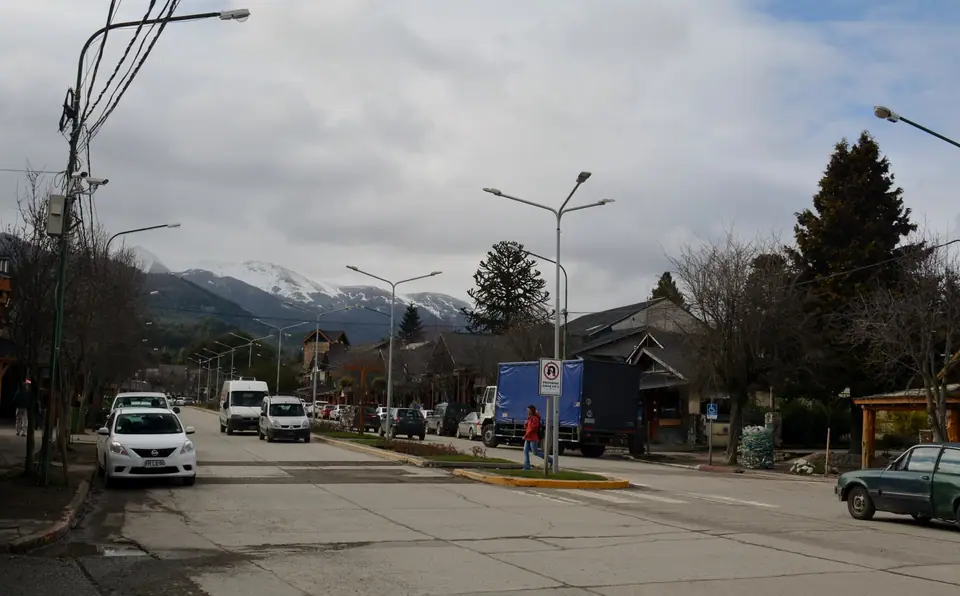
Public transit within Bariloche relies upon municipal bus routes operated by Mi Bus. Key connections include Line 20 running along Avenida Bustillo to Puerto Pañuelo, Line 55 serving the base lifts of Cerro Catedral, and Line 72 linking the airport. Every route requires an active SUBE card, which passengers can purchase and top up at local kiosks and transit offices across the city centre.
Seasonal climate patterns influence regional road transit conditions across the mountain passes. Open-Meteo records show that summer months deliver mild, dry travel conditions, with January recording average highs of 22.6°C and only four wet days. Winter brings colder, damper conditions suitable for snow sports. July averages daytime highs of 6.9°C, overnight lows of -1.2°C, and fourteen wet days that bring substantial snow to higher elevations. Drivers tackling mountain roads between June and September must carry snow chains and review morning road clearance notices before departing.
Where it is
- 1San Carlos de Bariloche
- Teniente Luis Candelaria International Airport (BRC) · about 13 km from San Carlos de Bariloche in a straight line
- Directions in Google Maps
Stations and taxi ranks: OpenStreetMap. Airports: OurAirports. Distances are in a straight line.
Traveller tips
Real advice from people who have been to San Carlos de Bariloche. Every tip is read by our team before it goes live.
No tips yet. Been here? Yours could be the first.
Thank you! Your tip will appear here after a quick review.
More in San Carlos de Bariloche
Continue exploring San Carlos de Bariloche with related neighbourhood, food, and planning guides

Route of the Seven Lakes (Ruta de los Siete Lagos) & Villa La Angostura Guide
San Carlos de Bariloche, Argentina

Patagonian Craft Beer Trail, Playa Bonita and Lakeside Breweries Guide
San Carlos de Bariloche, Argentina
San Carlos de Bariloche: Nahuel Huapi Geography, Los Kilómetros and National Park Navigation
San Carlos de Bariloche, Argentina

12 Best Things to Do in Bariloche: Circuito Chico, Cerro Catedral & Lake Cruises
San Carlos de Bariloche, Argentina
