What to Eat in Bariloche: Patagonian Lamb, Trout, Curanto and Chocolates
Master Bariloche dining with our verified culinary guide covering spit-roasted Patagonian lamb, Andean trout, Swiss fondue, Colonia Suiza curanto, and bean-to-bar chocolates.
Few cities in South America possess a culinary heritage as distinct as San Carlos de Bariloche. Shaped by Mapuche foraging roots, Patagonian estancia open-fire traditions, and waves of Swiss, German, and northern Italian alpine settlers who arrived from 1895 through the late 1940s, the regional cuisine balances rustic open-flame cooking with refined confectionery. Dining here ranges from communal woodland earth pits to timbered tea rooms serving hot berry tortes and rich chocolate.
Patagonian Lamb al Asador and Wild Game Specialities
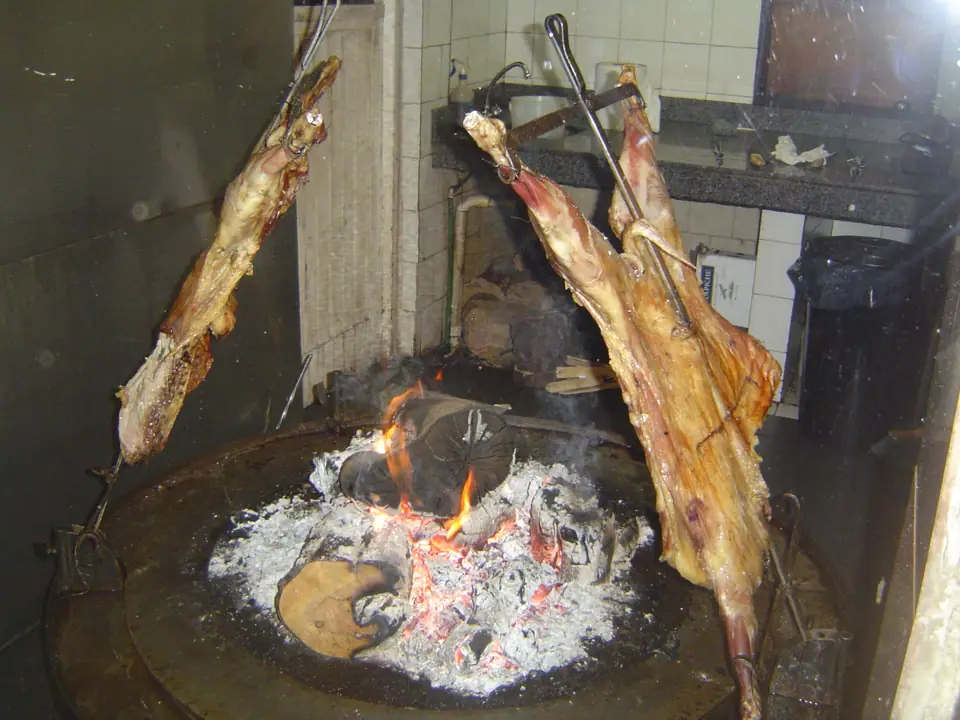
The defining savoury centrepiece of northern Patagonia is cordero patagónico al asador. Reared on the dry grasses and aromatic wild shrubs of the Río Negro steppe, the free-ranging lamb develops lean meat with a delicate herbal profile. Cooks splay the whole carcass across an iron cross, known locally as a la cruz, and anchor it upright facing glowing embers of native lenga or ñire wood. Slow-cooking for several hours renders the fat, crisps the outer skin, and leaves the flesh exceptionally tender.
Central European mountain migrants introduced European hunting preparations to the Andean lake basin. Venison (ciervo) and wild boar (jabalí) feature prominently across regional menus. Chefs braise diced venison into hearty goulash served over handmade spätzle egg dumplings, or slow-simmer the cuts in reductions made from local wild rosehip (rosa mosqueta) and dark maqui berries. Charcuterie boards, known as tablas de ahumados, combine cold-smoked wild boar, peppered venison tenderloin, and cured sheep cheeses.
Andean Lake Trout and Cold-Water Fish
Glacial meltwater descending from the Andes fills Lago Nahuel Huapi, Lago Moreno, and the Alicurá reservoir, maintaining cold, oxygen-rich conditions ideal for cold-water species. Rainbow and brown trout (trucha), along with landlocked salmon, form the backbone of Bariloche fish cookery. Anglers and commercial smokehouses prize these fish for their firm texture and clean flavour.
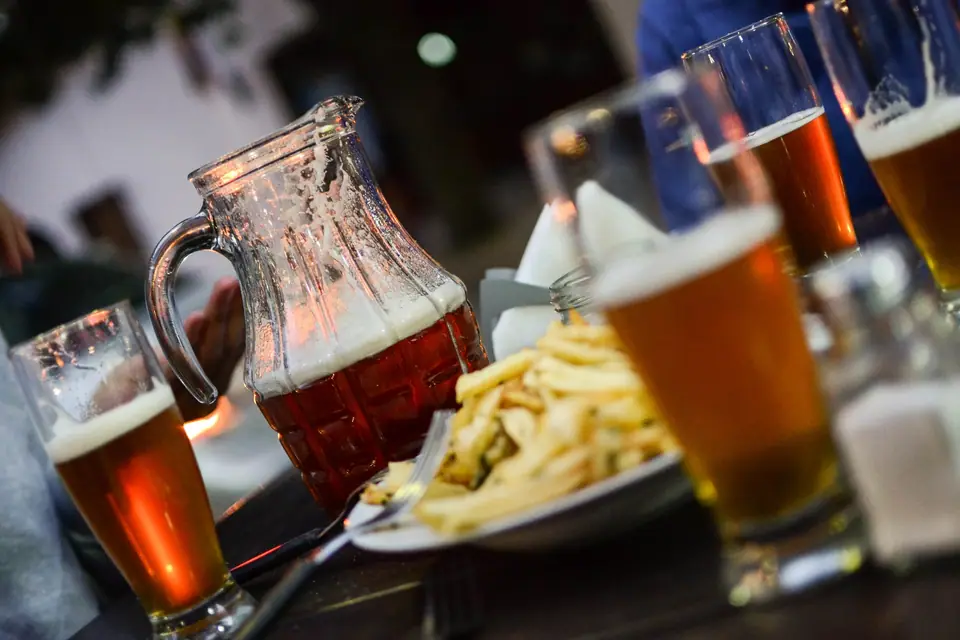
Traditional restaurants prepare trout simply to highlight freshness. Fillets are pan-seared with capers and lemon butter, baked inside delicate puff pastry parcels, or cured over aromatic fruitwood chips. A classic lake fish dinner pairs naturally with a glass of crisp regional white wine or a pint sourced from the Patagonian craft beer trail, which relies on the same pristine mountain snowmelt.
Colonia Suiza Earth-Oven Curanto and Alpine Fondue
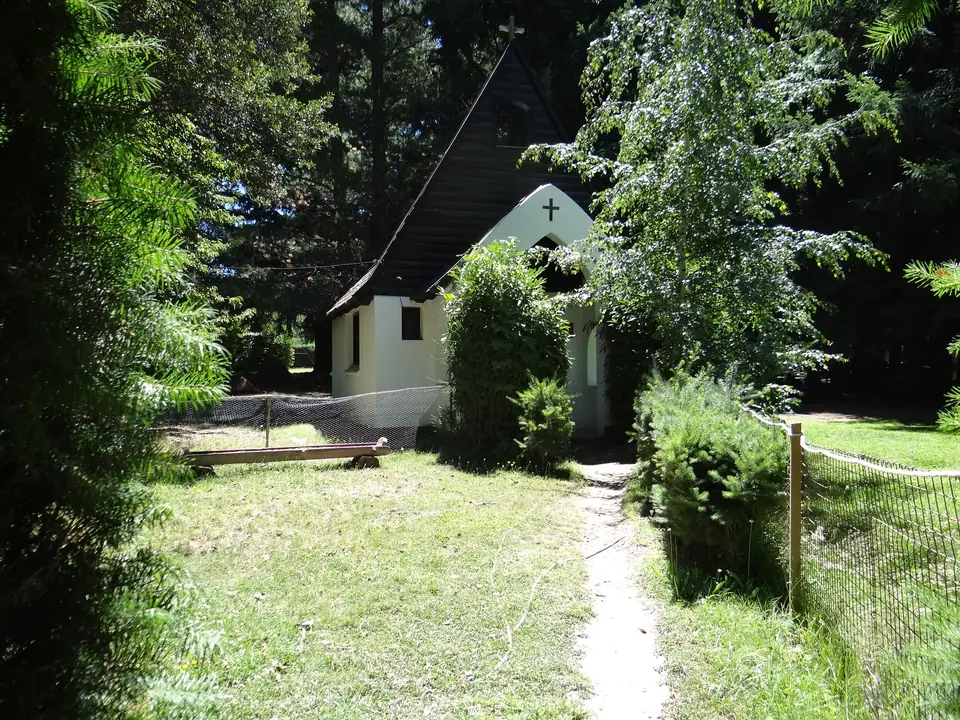
Nineteenth-century immigrants from the Swiss canton of Valais settled the quiet forest pocket of Colonia Suiza, bringing European dairy traditions that endure today. During the cold winter months, dining rooms across town fill with the aroma of Swiss cheese fondue and bubbling raclette, melted over boiled potatoes, cured meats, and crusty bread. Travellers exploring the forested route via the Circuito Chico guide can experience both Swiss heritage and indigenous cooking styles in a single afternoon.
The village is equally renowned for curanto, an earth-oven cooking technique with Araucanian and Chilote origins introduced by the pioneering Goye family in 1895. Every Wednesday and Sunday around midday, cooks dig a pit into the earth and heat volcanic stones over fierce firewood embers. Once glowing hot, the stones are blanketed with giant wild nalca leaves, topped with beef, pork, chicken, spiced sausages, apples, sweet potatoes, and hollowed pumpkins filled with cheese and sweetcorn. Wet hessian sacking covers the food before workers seal the mound under loose soil, pressure-steaming the contents for two hours.
| Culinary Speciality | Primary Cooking Method | Key Native Ingredients | Traditional Serving Style |
|---|---|---|---|
| Cordero al Asador | Spit-roasted on iron cross over lenga embers | Río Negro steppe lamb, coarse salt, herbs | Carved tableside with chimichurri and salad |
| Colonia Suiza Curanto | Earth-oven steaming under volcanic stones | Nalca leaves, squash, local meats, apples | Communal platters uncovered before diners |
| Trucha Patagónica | Pan-seared, smoked, or oven-baked in pastry | Nahuel Huapi trout, lemon, capers, fruitwood | Served as smoked platters or hot fillets |
| Ciervo a la Cazadora | Slow braising in deep copper casseroles | Wild venison, rosa mosqueta, maqui berry | Plated over buttered spätzle dumplings |
Bean-to-Bar Artisan Chocolates of Calle Mitre
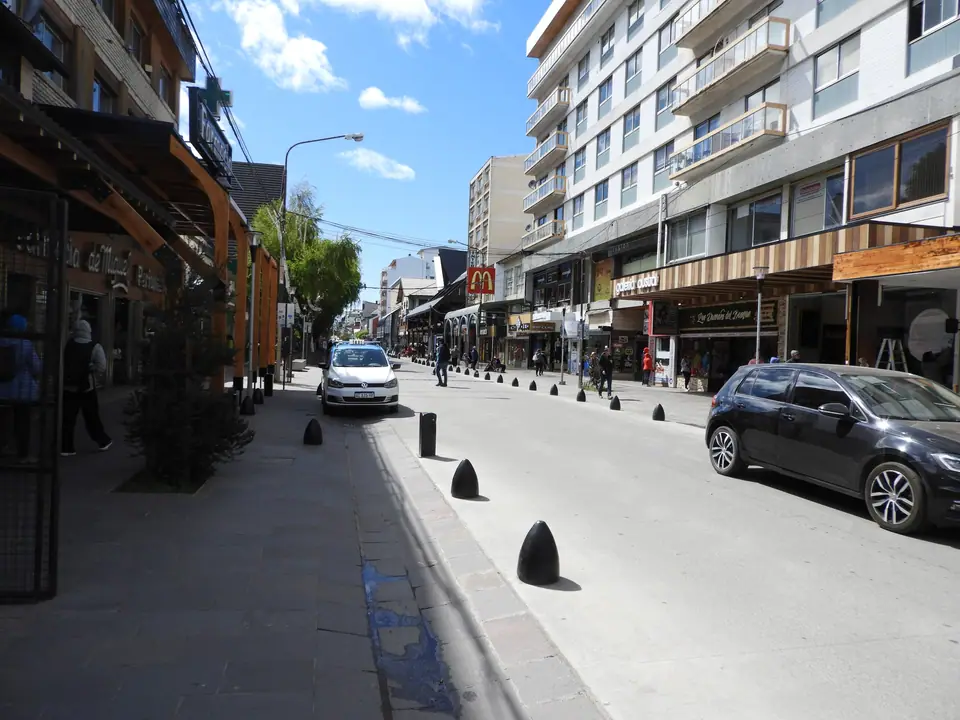
Following the Second World War, Italian master confectioner Aldo Fenoglio arrived from Turin and established Bariloche as the chocolate capital of Argentina. Fenoglio pioneered commercial confectionery production along downtown Calle Bartolomé Mitre, introducing delicate techniques that transformed the pedestrian strip into a celebrated chocolate corridor. Detailed walking routes through this district appear in our Centro Cívico and Calle Mitre chocolate route guide.
Bariloche chocolatiers invented chocolate en rama, an iconic style created by scraping thin ribbons of tempered chocolate across a cool marble slab to form delicate, textured logs of milk, white, and dark chocolate. Modern purveyors continue to expand regional flavours:
- Mamuschka: Known for certified bean-to-bar craftsmanship, blending single-origin roasted beans with regional additions like elderberry jelly, marzipan, and mountain pine nuts.
- Rapa Nui: Created by descendants of the Fenoglio family, this legendary producer crafts Franui, fresh Patagonian raspberries coated in double layers of milk and white chocolate.
- Benroth and Tante Frida: Boutique operations specialising in bitter chocolate bars, spiced truffles, and delicate millefoglie chocolate squares layered with dulce de leche.
- Abuela Goye: Celebrates classic immigrant recipes with handmade fruit-filled chocolates, spiced alfajores, and baked berry pastries.
Seasonal Dining Considerations and Mountain Weather
Bariloche experiences sharp seasonal climate changes that influence both appetite and meal planning. Summer months bring warm, dry days ideal for open-air curanto feasts, with January seeing average highs of 22.6°C and overnight lows of 7°C across four rain days. February remains mild with highs of 22.4°C and lows of 6.5°C.
As autumn arrives in April, afternoon temperatures drop to 14.7°C with 56 millimetres of rainfall, signalling the return of hearty venison stews and steaming mugs of hot chocolate. Midwinter transforms dining routines into comforting indoor rituals. July brings average highs of 6.9°C, night freezes dropping to -1.2°C, and 98 millimetres of precipitation across 14 wet days. August continues the cold spell with highs of 8.6°C and lows of -0.6°C across 13 wet days. These winter conditions make hot cheese fondues and smoky grilled lamb cross roasts especially welcoming after a day in the mountains.
Where it is
- 1San Carlos de Bariloche
- Teniente Luis Candelaria International Airport (BRC) · about 13 km from San Carlos de Bariloche in a straight line
- Directions in Google Maps
Stations and taxi ranks: OpenStreetMap. Airports: OurAirports. Distances are in a straight line.
Traveller tips
Real advice from people who have been to San Carlos de Bariloche. Every tip is read by our team before it goes live.
No tips yet. Been here? Yours could be the first.
Thank you! Your tip will appear here after a quick review.
More in San Carlos de Bariloche
Continue exploring San Carlos de Bariloche with related neighbourhood, food, and planning guides

Best Time to Visit Bariloche: Summer Trekking, Autumn Lengas and Winter Ski Season
San Carlos de Bariloche, Argentina
Where to Stay in Bariloche: Best Areas, Lake Lodges and Mountain Bases
San Carlos de Bariloche, Argentina
3 Days in Bariloche Itinerary: Centro Cívico, Circuito Chico, Cerro Catedral & Lakes
San Carlos de Bariloche, Argentina
Centro Cívico, Cathedral and Calle Mitre Chocolate Route in Bariloche
San Carlos de Bariloche, Argentina
