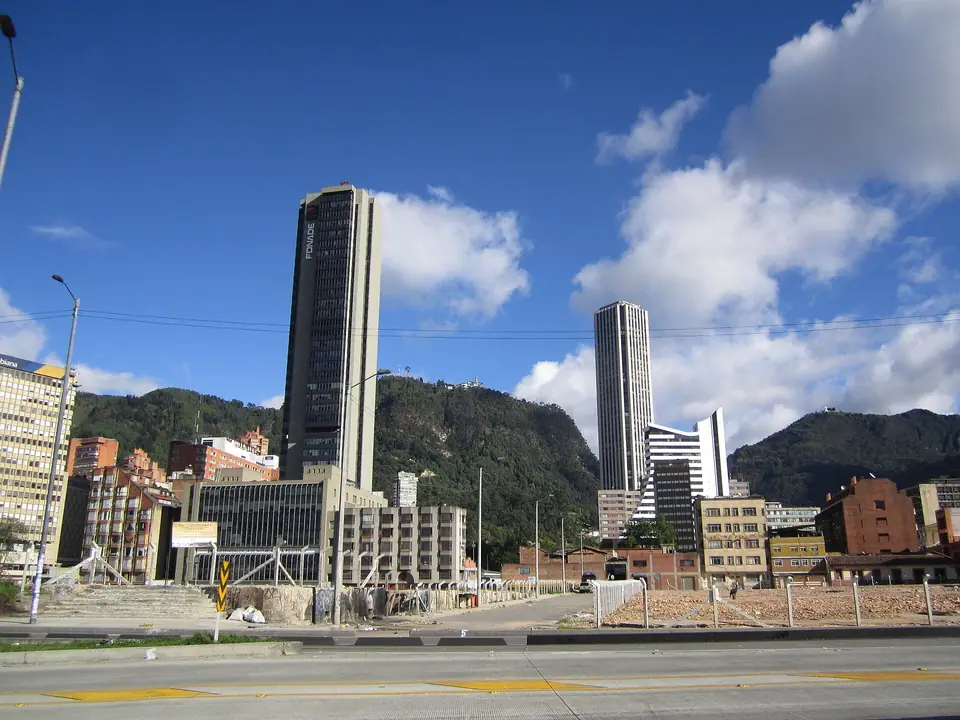
Photo: Felipe Restrepo Acosta
Best Time to Visit Bogotá: Andean Seasons and Monthly Weather
Discover the best time to visit Bogotá using verified Andean climate data. Learn how bimodal rainfall, mountain altitude, and sunny veranos shape your itinerary.
Because Bogotá sits close to the equator at 4°36'N but high in the Eastern Cordillera at 2,640 metres above sea level, the capital experiences a subtropical highland climate. Altitude rather than latitude dictates the thermometer. Instead of four distinct thermal seasons, daytime temperatures remain remarkably steady across all twelve months. Rainfall follows a bimodal Andean cycle featuring two drier periods known locally as veranos and two wetter stretches called inviernos. Travellers planning a comprehensive Bogotá travel guide route need to prepare for both bright mountain sunshine and swift afternoon cloudbursts.
Official Climatological Normals and Highland Temperature Profiles
Climatological normals recorded at El Dorado International Airport show average daytime highs staying between 18.5°C in July and 20.2°C in February. The annual mean maximum sits near 19.4°C. Overnight lows average around 8.3°C across the full calendar, dipping to 6.4°C in January and 7.5°C in December. Thin mountain air allows thermal energy to radiate rapidly into space once darkness falls over the plateau. Annual precipitation totals around 877 millimetres spread across approximately 120 rain days with at least one millimetre of moisture. Relative humidity holds steady near 80 percent throughout the year, so brisk mountain winds can make shade feel substantially colder than open sunshine.
| Month | Average High | Average Low | Precipitation | Rain Days |
|---|---|---|---|---|
| January | 20.1°C | 6.4°C | 35 mm | 5 days |
| April | 19.5°C | 9.6°C | 91 mm | 13 days |
| July | 18.5°C | 8.6°C | 70 mm | 10 days |
| October | 19.4°C | 8.3°C | 84 mm | 12 days |
Clear skies during the early months produce the greatest diurnal variation on the high plateau. You may peel down to a light shirt under mid-morning solar radiation before pulling on a heavy wool sweater after dusk. These swift temperature drops make base layers, breathable fleeces, and windproof outer shells essential items regardless of when you land.
The Primary Dry Window from December to February
The clearest and driest window runs from December through February. January represents the driest month of the calendar year, averaging only 35 millimetres of precipitation across roughly five wet days and delivering almost six hours of daily sunshine. December and February follow close behind with modest rainfall and extended periods of blue skies. Morning visibility during this phase is exceptional across the Sabana de Bogotá.
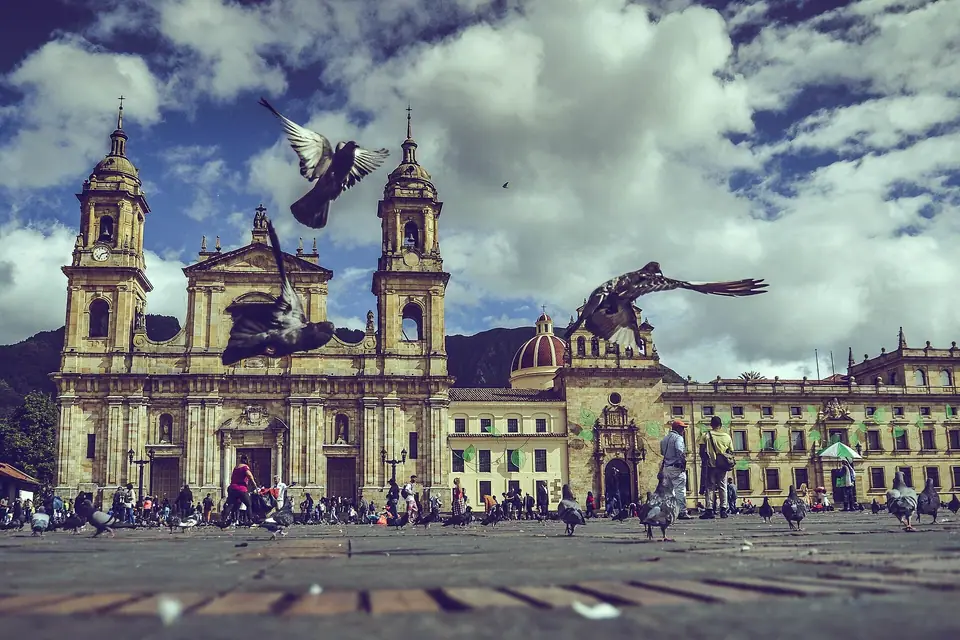
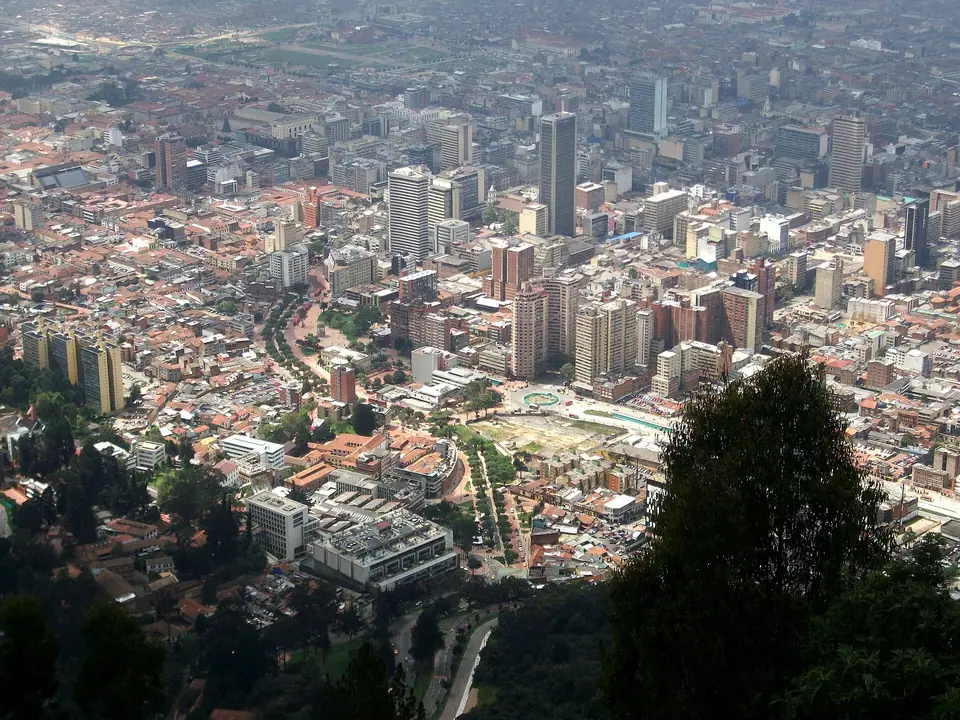
Dry weather creates perfect conditions for ascending the eastern ridges to visit the shrine and viewpoint at Cerro de Monserrate: Funicular, Teleférico, Shrine and Quinta de Bolívar. Looking westward across the sprawling grid of the capital is easiest before midday clouds build up. These months are also ideal for walking between open squares, including the grand civic space of Plaza de Bolívar, Catedral Primada, Capitolio Nacional and Casa de Nariño. Because December and early January coincide with domestic school holidays, major historic sites experience high visitor volumes on weekends. Booking transit and departures in advance prevents unnecessary delays.
The Mid-Year Veranillo from June to August
Bogotá experiences a secondary dry phase from June through August, often referred to as the veranillo. Monthly precipitation levels during this mid-year stretch drop to between 63 and 70 millimetres, spread across nine or ten rain days per month. Average daytime highs hover between 18.5°C and 18.9°C, representing the coolest afternoons on the calendar. Strong, gusty winds sweep across the high plain during July and August, generating brisk walking conditions and dramatic cloud formations along the mountain rim.
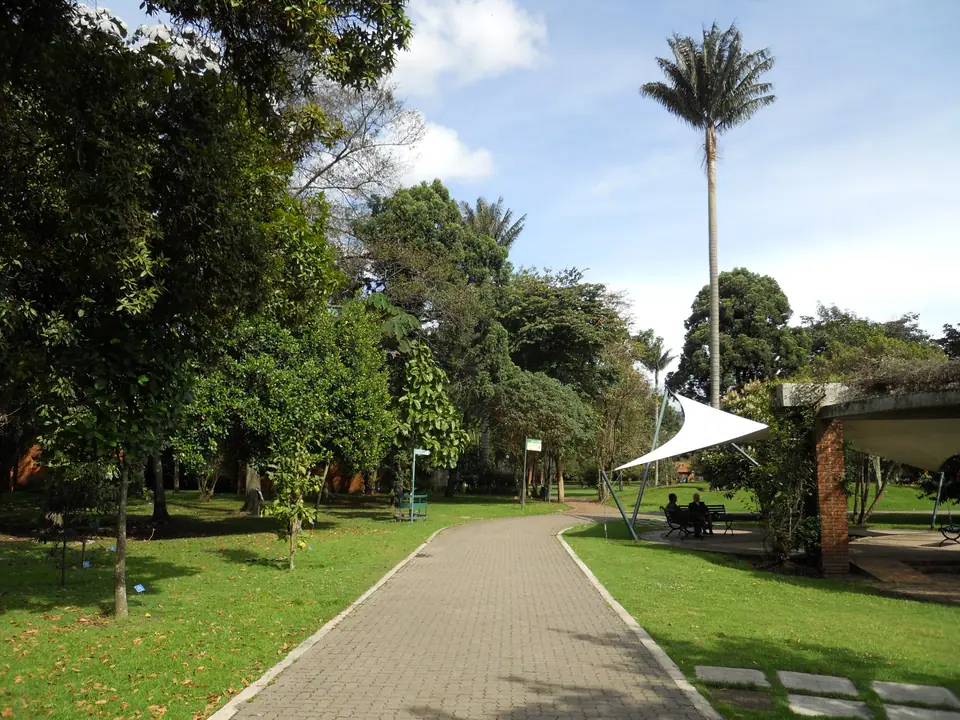
Mornings in this season often start bright and crisp before grey stratus sheets assemble in the afternoon. Travellers can comfortably plan early outdoor excursions, reserving late afternoons for covered exhibitions. This mid-year window is a superb moment to stroll through historic districts or explore the sprawling greenhouse pavilions at Chapinero, Usaquén, Simón Bolívar Park and José Celestino Mutis Botanical Garden. Packing a sturdy windbreaker remains essential because gusty breezes intensify the sensation of highland chill.
Navigating the Wet Seasons of April to May and October to November
The two main rainy seasons develop in April and May, then return in October and November. May records the highest precipitation volume of the year at 98 millimetres across 14 rain days, while April records 91 millimetres over 13 days. The autumn equinoctial period brings 84 millimetres in both October and November, each averaging 12 wet days. Rain in Bogotá rarely falls as unbroken all-day downpours. It typically gathers as heavy, localized afternoon showers that sweep across the valley for two or three hours before clearing.
Adapting your daily schedule to this rhythm is straightforward. Concentrate walking tours and landscape photography between eight in the morning and midday, when skies are clear. After lunch, retreat indoors to admire cultural treasures, such as the pre-Hispanic gold metallurgy inside Museo del Oro: Pre-Columbian Gold, the Muisca Raft and Tumbaga Craft. Alternatively, spend wet afternoons studying art at Museo Botero, Casa de Moneda and the Banco de la República Cultural Block. An umbrella, waterproof walking footwear, and flexible afternoon plans make touring during wet months comfortable.
Highland Packing Strategy and Daily Transit Realities
Navigating the capital requires thoughtful clothing preparation because equatorial UV levels at 2,640 metres are intense even under thin cloud cover. Pack high-factor sunscreen, sunglasses, and a wide-brimmed hat beside your cold-weather garments. Choose layered clothing that you can remove during sunny noon hours and put back on when temperatures sink to single digits after twilight.
Heavy downpours can slow road traffic rapidly across low-lying avenues. If you schedule regional excursions to northern heritage locations, check departure schedules early on rainy afternoons. Keep transit flexibility in mind when booking rides to El Dorado Airport during peak shower hours. By aligning your sightseeing timetable with the bimodal Andean seasons, you can enjoy the capital across every month of the year.
Weather by month
Bogotá is warmest in February, with average highs around 20°C, and coldest in January, when nights drop to about 6°C. May is the wettest month by rainfall (98 mm), with rain on about 14 days. For mild weather with fewer rainy days, aim for January, February, August, September and December.
| Month | Low | Range | High | Rain | Rainy days |
|---|---|---|---|---|---|
| Jan | 6°C | 20°C | 35 mm | 5 d | |
| Feb | 8°C | 20°C | 49 mm | 7 d | |
| Mar | 9°C | 20°C | 77 mm | 11 d | |
| Apr | 10°C | 20°C | 91 mm | 13 d | |
| May | 10°C | 19°C | 98 mm | 14 d | |
| Jun | 9°C | 19°C | 70 mm | 10 d | |
| Jul | 9°C | 19°C | 70 mm | 10 d | |
| Aug | 8°C | 19°C | 63 mm | 9 d | |
| Sep | 8°C | 19°C | 63 mm | 9 d | |
| Oct | 8°C | 19°C | 84 mm | 12 d | |
| Nov | 9°C | 19°C | 84 mm | 12 d | |
| Dec | 8°C | 20°C | 56 mm | 8 d |
Averages of daily values from 2015 to 2024. Rainy days are days with at least 1 mm of rain. Source: Open-Meteo · Compare destinations by month.
Where it is
- 1Bogotá
- El Dorado International Airport (BOG) · about 14 km from Bogotá in a straight line
- Directions in Google Maps
Stations and taxi ranks: OpenStreetMap. Airports: OurAirports. Distances are in a straight line.
Traveller tips
Real advice from people who have been to Bogotá. Every tip is read by our team before it goes live.
No tips yet. Been here? Yours could be the first.
Thank you! Your tip will appear here after a quick review.
More in Bogotá
Continue exploring Bogotá with related neighbourhood, food, and planning guides
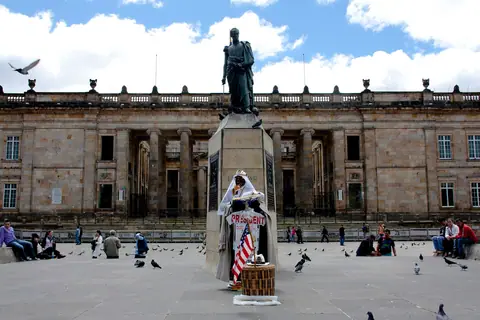
3-Day Bogotá Itinerary: Historic Centre, Gold Museum, Monserrate and Day Trips
Bogotá, Colombia

What to Eat in Bogotá: Ajiaco Santafereño, Chocolate and Market Food
Bogotá, Colombia
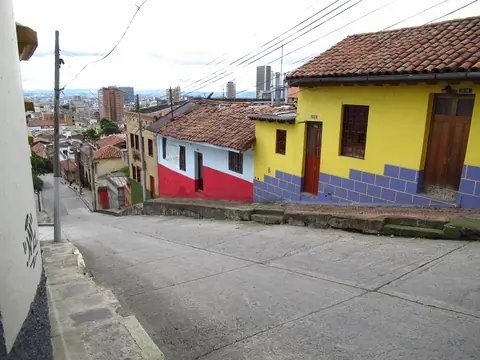
La Candelaria, Chorro de Quevedo and Colonial Streets in Bogotá
Bogotá, Colombia
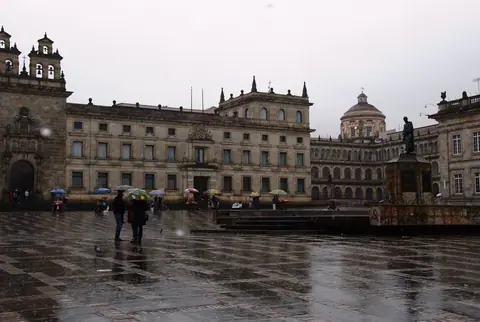
Plaza de Bolívar, Catedral Primada, Capitolio Nacional and Casa de Nariño
Bogotá, Colombia
