Photo: Bernard Gagnon
What to Eat in Bogotá: Ajiaco Santafereño, Chocolate and Market Food
A culinary guide to Bogotá covering iconic ajiaco santafereño, chocolate onces with cheese, tamales bogotanos, and Andean fruit stalls at Paloquemao.
Perched high on the Cundiboyacense plateau, Bogotá cultivates a culinary identity shaped by chilly mountain elevations and the agricultural wealth of Boyacá and Cundinamarca. The cool Andean climate demands hearty, warm sustenance. Native tubers, sun-dried corn, mountain dairy cheeses, and wild aromatic greens form the bedrock of the capital table. Exploring local dining is an essential component when planning a 3-day Bogotá itinerary across historic and modern sectors.
Ajiaco Santafereño and Potato Traditions
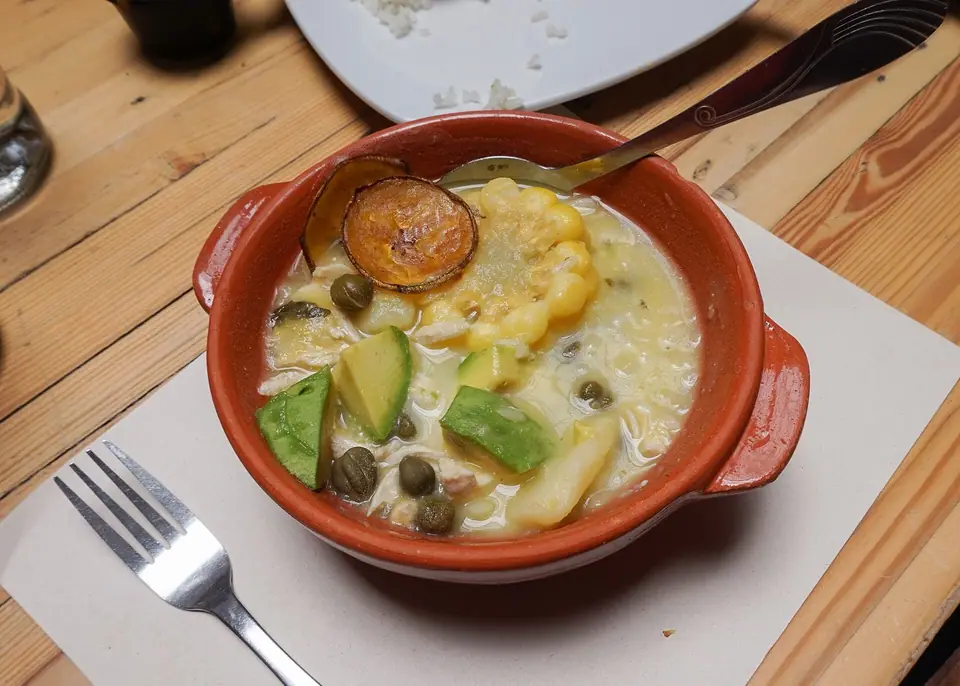
The culinary crest of the savannah is ajiaco santafereño, a thick, restorative soup that displays the botanical diversity of South American potatoes. The broth marries shredded chicken breast, sweetcorn on the cob (mazorca), and three potato varieties. Small yellow papa criolla softens completely to give the broth its rich body and bright golden hue. Starchy papa pastusa softens midway to lend silkiness, while firm papa sabanera holds its shape to deliver bite.
The defining element of ajiaco is the indigenous herb guasca (Galinsoga parviflora), which infuses the stock with an earthy fragrance. Cooks serve the steaming soup in a traditional black chamba clay bowl. Diners receive separate side dishes containing white rice, sliced avocado, heavy dairy cream (crema de leche), and pickled capers (alcaparras). You can adjust the creaminess and briny sharpness to your personal palate.
Highland Morning Broths and Hearty Soups
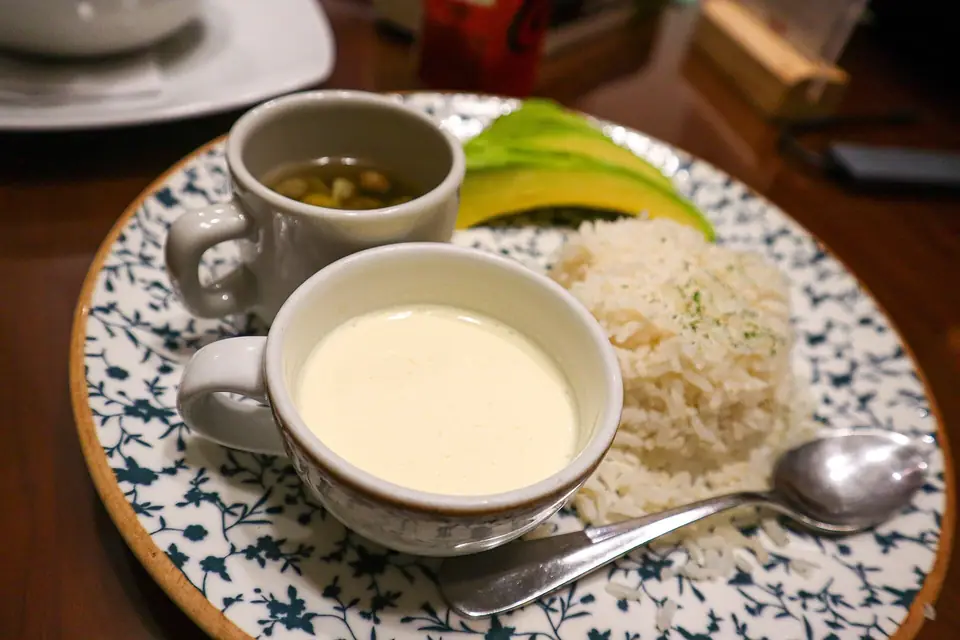
Highland mornings in the savannah often start with changua. This traditional breakfast broth simmers milk, water, and sea salt with whole poached eggs. Ladled into ceramic bowls over chopped scallions and fresh coriander leaves, the hot broth softens pieces of toasted bread placed inside. It provides comforting warmth when dawn temperatures hover between 6.4°C in January and 9.6°C during wet seasonal spells like April and May.
For midday meals, traditional cooks prepare cuchuco de trigo con espinazo. This dense country soup combines cracked wheat or hulled barley with tender pork spine, green peas, broad beans, diced potatoes, and aromatic herbs. It represents rural cooking brought to urban tables, delivering sustained energy on cold, damp afternoons.
Chocolate Santafereño, Onces and Savoury Pastries
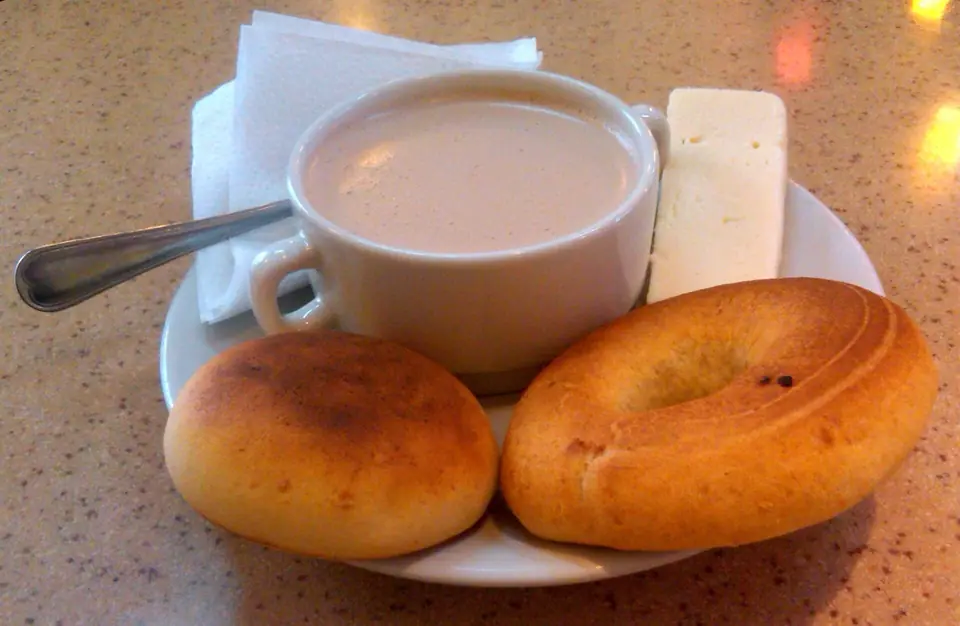
Mid-afternoon tea time in the capital is known as las onces. The centrepiece of this social ritual is chocolate santafereño. Dark table chocolate infused with cinnamon and cloves is heated in an aluminium pitcher (chocolatera) and frothed vigorously using a carved wooden molinillo. The resulting frothy drink is served in wide mugs with a distinct regional custom: diners drop cubes of salted cheese directly into the piping hot beverage.
Double-cream cheese (queso doble crema) or highland farmer cheese (queso campesino) softens into melted ribbons under the cocoa heat. You spoon out the stringy cheese and sip the sweet spiced liquid. Bakeries serve hot chocolate with warm corn breads and savoury bakes. Among the favourites is the almojábana, made with cuajada cheese and pre-cooked cornmeal, beside chewy pandebono made with yucca flour and cheese.
Tamal Bogotano and Steamed Specialities
The tamal bogotano is a classic breakfast and lunch staple. Unlike Mexican or Central American varieties made primarily of corn masa, the Bogotá tamal incorporates seasoned yellow cornmeal, whole yellow peas, and tender cuts of chicken, pork ribs, and pork belly. A round of carrot and aromatic local herbs complete the dense parcel.
Cooks wrap the seasoned mixture tightly in plantain leaves and steam it slowly for hours. The banana leaf imparts a smoky, botanical tea aroma into the grain. When unwrapped at table, the piping hot tamal is savoured with crusty bread rolls, salty butter, and mugs of dark, unrefined cane sugar water (agua de panela) or black drip coffee (tinto).
Paloquemao Market and Tropical Fruit Tasting
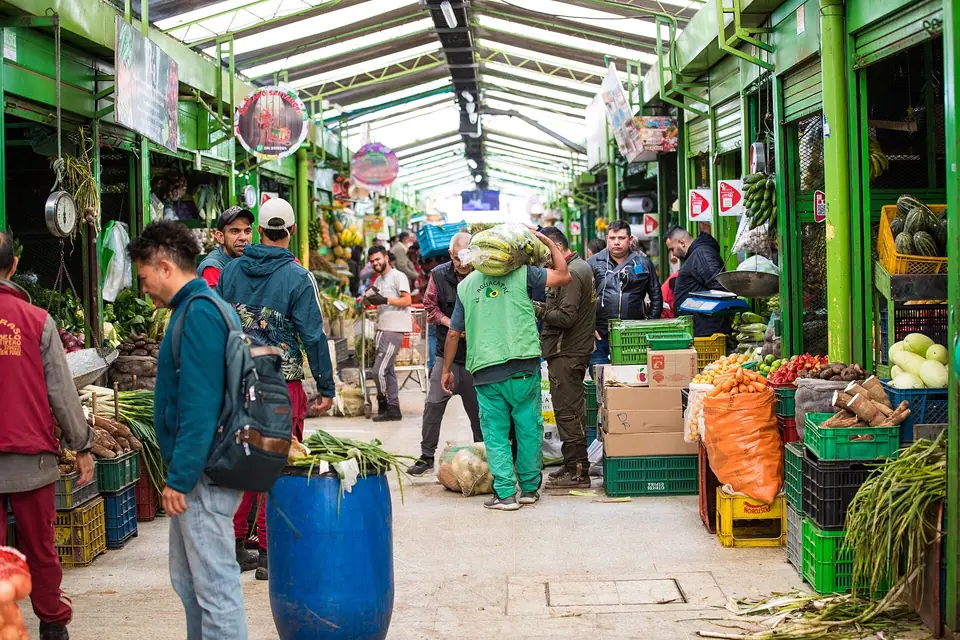
Bogotá acts as a national pantry, collecting produce from sea-level coastal plains and temperate mountain slopes. The supreme destination to experience this bounty is Plaza de Mercado de Paloquemao, located along Avenida Ciudad de Lima (Calle 19). While walking the covered aisles between early morning flower deliveries, visitors discover pyramids of native fruits rarely exported overseas.
Market vendors peel, slice, and juice these fruits to order. You can taste tart lulo (solanum quitoense), with green pulp that balances acidic citrus sweetness. Passion fruit relatives abound, including sweet granadilla with crunchy edible seeds, floral maracuyá, and banana-shaped curuba. Bright orange uchuva (cape gooseberry), rich white pitahaya (yellow dragon fruit), and delicate purple mangostino fill the stalls.
Key Bogotá Dishes at a Glance
| Dish or Drink | Primary Base Ingredients | Service Style and Accompaniments | Best Meal Time |
|---|---|---|---|
| Ajiaco Santafereño | Chicken, three potato varieties, guasca herb, corn on cob | Served in black clay bowl with capers, cream, avocado, rice | Lunch or dinner |
| Changua | Milk, water, poached whole eggs, scallions, coriander | Ladle poured over dry toast or toasted stale bread | Early breakfast |
| Chocolate Santafereño | Dark spiced drinking chocolate, frothing milk or water | Served with fresh cheese cubes, almojábana, pandebono | Afternoon (las onces) |
| Tamal Bogotano | Corn dough, yellow peas, chicken, pork belly, vegetables | Steamed in plantain leaf, served with bread and hot drink | Breakfast or weekend lunch |
| Cuchuco de Trigo | Cracked wheat or barley, pork spine, potatoes, peas | Deep soup bowl served with rice and seasonal salad | Hearty midday lunch |
Culinary Quarters and Regional Dining Zones
Traditional capital cooking thrives throughout the historic centre. When exploring the cobblestone alleys of La Candelaria and Chorro de Quevedo, you will find heritage dining rooms that have served clay pots of ajiaco and foaming chocolate jugs for generations. These establishments maintain family recipes that honour ancient chibcha indigenous customs and colonial Spanish dairy methods.
Northward in Chapinero and the colonial quarter of Usaquén, contemporary Colombian chefs reinvent traditional ingredients using modern culinary techniques. In these districts, covered in our guide to Chapinero and Usaquén dining and parks, you can sample heirloom potatoes, smoked river fish, and coastal reductions prepared beside native Andean crops. The combination of old-world market traditions and modern gastronomy makes Bogotá one of the premier eating capitals in South America.
Where it is
- 1Bogotá
- El Dorado International Airport (BOG) · about 14 km from Bogotá in a straight line
- Directions in Google Maps
Stations and taxi ranks: OpenStreetMap. Airports: OurAirports. Distances are in a straight line.
Traveller tips
Real advice from people who have been to Bogotá. Every tip is read by our team before it goes live.
No tips yet. Been here? Yours could be the first.
Thank you! Your tip will appear here after a quick review.
More in Bogotá
Continue exploring Bogotá with related neighbourhood, food, and planning guides
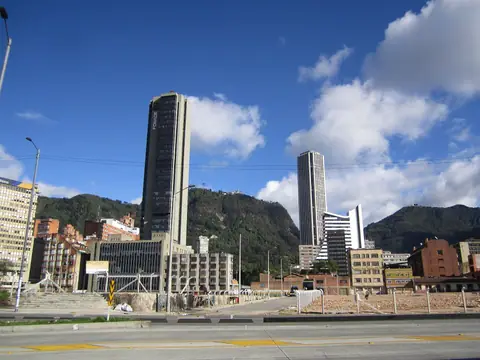
Best Time to Visit Bogotá: Andean Seasons and Monthly Weather
Bogotá, Colombia
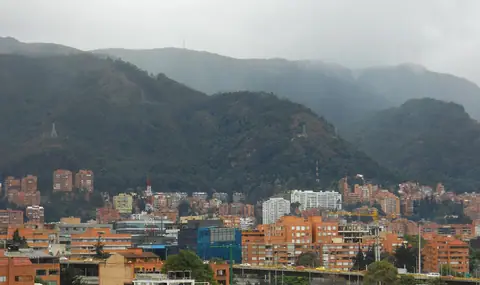
Where to Stay in Bogotá: Best Neighbourhoods and Districts
Bogotá, Colombia
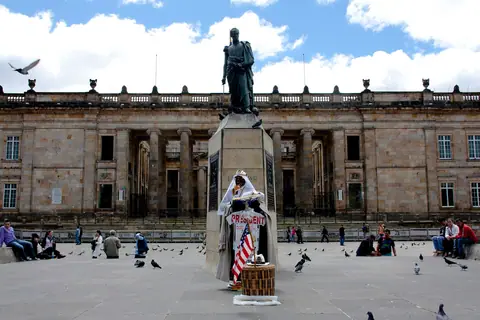
3-Day Bogotá Itinerary: Historic Centre, Gold Museum, Monserrate and Day Trips
Bogotá, Colombia
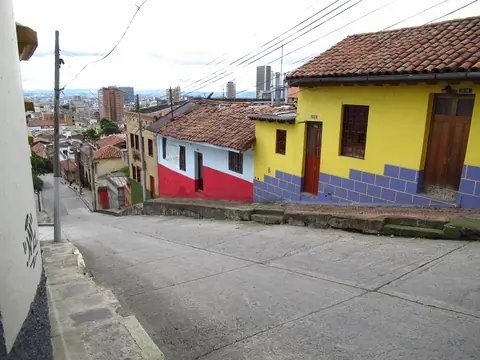
La Candelaria, Chorro de Quevedo and Colonial Streets in Bogotá
Bogotá, Colombia
