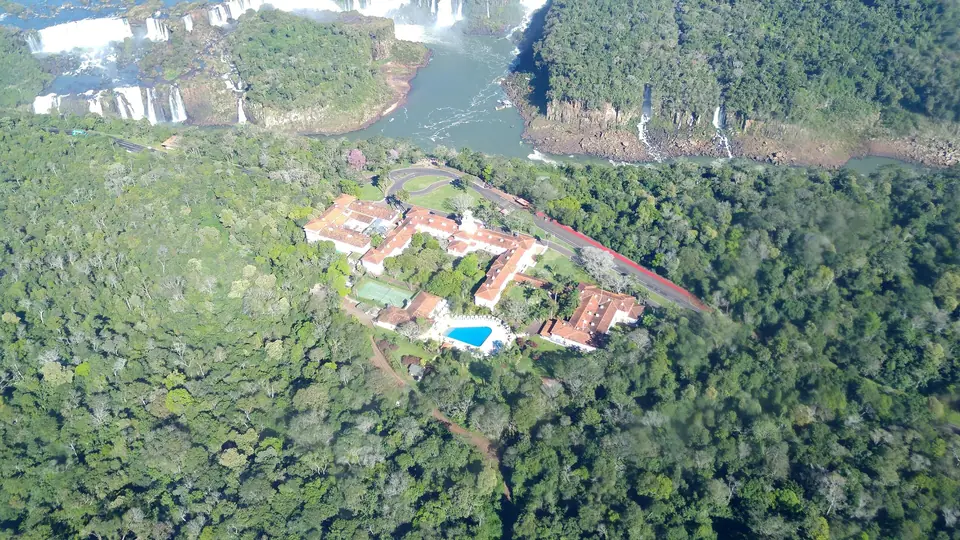
Photo: Gabriel Resende Veiga · CC BY-SA 4.0
Where to Stay in Foz do Iguaçu: National Park, Avenida das Cataratas and Centro
Compare the three lodging bases in Foz do Iguaçu: luxury inside Parque Nacional do Iguaçu, relaxed resort properties along Rodovia BR-469, and connected urban hotels in Centro.
Accommodation in Foz do Iguaçu divides cleanly into three distinct geographic zones along the corridor connecting the urban centre with the waterfalls. Travellers can base themselves directly inside the national park reserve, choose a spacious garden resort along Avenida das Cataratas, or stay in the commercial heart of Centro near international transit routes.
Your choice of base shapes your daily logistics, dining habits, and transit times. Deciding where to lodge depends on your priority between dawn access to waterfall walkways, resort relaxation between excursions, or walkable access to evening dining and regional buses.
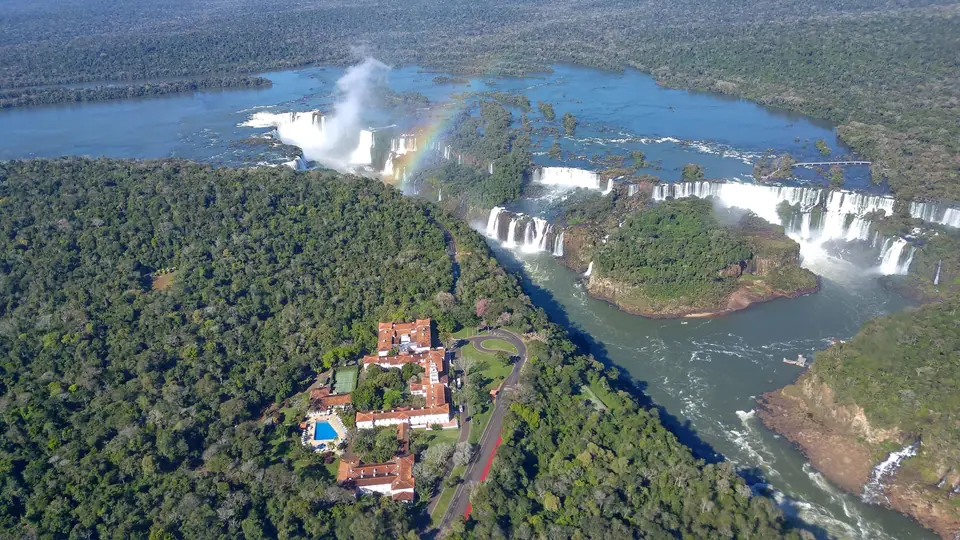
Inside Parque Nacional do Iguaçu: Unrestricted Dawn and Dusk Waterfall Access
Only one lodging property exists on the Brazilian side within the boundary of Parque Nacional do Iguaçu. Hotel das Cataratas, opened in 1958 with distinctive pastel-pink Portuguese colonial architecture, sits directly opposite the waterfall rim. Staying inside the park gates grants a rare operational advantage unavailable to day visitors.
Day ticket holders must enter after morning opening and leave before gates close in the late afternoon. Hotel guests can step onto the 1.5-kilometre waterfall path at dawn and lingering sunset, experiencing the panoramic lookouts in absolute quiet before tour buses arrive. Exploring the walkways early lets you absorb the roaring spray and Atlantic Forest birds without crowds.
The property grounds feature manicured palm gardens, an outdoor heated swimming pool, and fine dining rooms. Planning a full itinerary from here pairs naturally with excursions such as our Iguaçu National Park Brazilian side guide, allowing you to board the Macuco Safari boats or wander down to Garganta do Diabo before peak midday foot traffic forms.
Because the hotel is isolated from urban services, dining takes place primarily on site. Visitors seeking varied nightlife or inexpensive local diners will need taxis or private transfers into town. For photographers and nature enthusiasts, the private morning access remains unmatched across the entire southern continent.
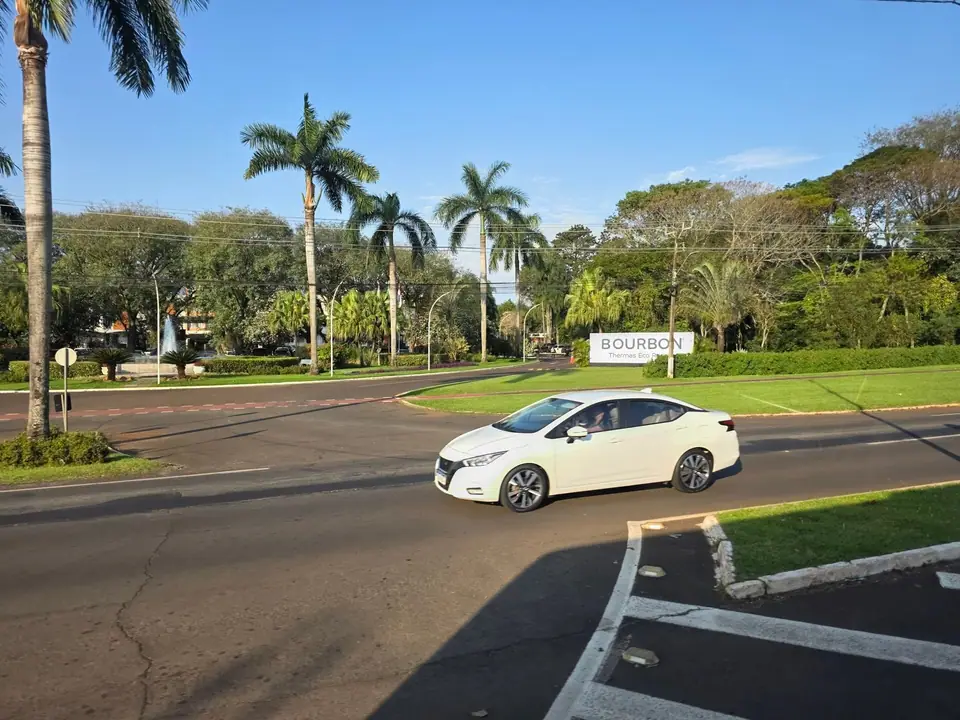
Avenida das Cataratas (Rodovia BR-469): Resort Grounds and Family Leisure
Avenida das Cataratas, formally classified as federal highway Rodovia BR-469, functions as the 15-kilometre green corridor linking the urban edge of Foz do Iguaçu with the park entrance and airport. This landscaped thoroughfare hosts extensive resort properties designed for relaxed multi-day visits.
Hotels along this strip provide expansive physical footprints. Guests enjoy deep swimming pools, tropical gardens, sports courts, and full-service breakfast buffets. Families frequently select this sector because children have space to unwind outdoors after warm mornings walking national park trails.
Strategic positioning is a major advantage of the corridor. Staying here places you minutes away from the lush aviaries detailed in our Parque das Aves Atlantic Forest guide. The location cuts transfer times down significantly when catching flights at Foz do Iguaçu International Airport or visiting the tri-border monument at Marco das Três Fronteiras.
Public Bus 120 runs along Avenida das Cataratas at regular intervals, connecting downtown with the airport and the national park gates. Even without a private hire vehicle, travelling up and down the corridor remains straightforward. Dining outside your resort requires either taking this bus, calling app-based transport, or eating at adjacent steakhouse venues along the road.
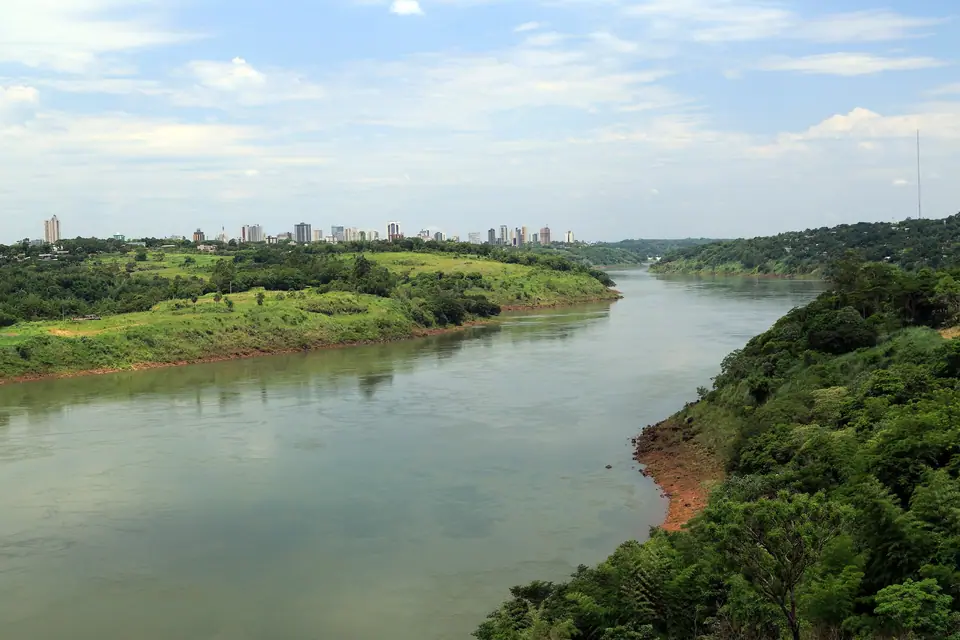
Centro and Avenida Jorge Schimmelpfennig: Transit Hubs and Multicultural Dining
Downtown Foz do Iguaçu, centred around Avenida Brasil and Avenida Jorge Schimmelpfennig, offers practical advantages for independent travellers and budget-conscious visitors. The district functions as a working city with practical commercial services, pharmacy chains, and international banks.
Centro excels in culinary choice. Staying here places you within walking distance of traditional churrascarias, Lebanese bakeries, and craft beer bars. To plan your regional meals, read our overview on what to eat in Foz do Iguaçu, highlighting grilled river surubim, picanha cuts, and regional cassava snacks.
Logistical flexibility is another major asset of downtown accommodation. The urban transit terminal serves as the departure point for local buses running to the national park entrance. International bus stops provide direct services heading over the Friendship Bridge into Paraguay and crossing the Tancredo Neves Bridge into Argentina.
Downtown hotels generally feature compact, efficient rooms tailored for travellers who spend their days outdoors. You trade sprawling resort lawns and quiet jungle sounds for instant access to late-night empanada shops, supermarkets, and local transport nodes.
Comparison of Foz do Iguaçu Lodging Districts
| District | Primary Accommodation Style | Best Suited For | Key Transport Links |
|---|---|---|---|
| Parque Nacional do Iguaçu | Historic colonial luxury hotel | Photographers and early waterfall access | Internal park shuttle and private hotel transfers |
| Avenida das Cataratas (BR-469) | Spacious resorts with pools and gardens | Families, leisure travellers, and airport proximity | Bus 120 line and app-based ride services |
| Centro / Schimmelpfennig | Modern urban hotels and guest houses | Independent explorers, diners, and transit users | Central bus terminal and international border buses |
Seasonal Climate Factors When Selecting Your Base
Weather patterns in western Paraná influence how much you will value specific hotel amenities. Subtropical summers bring warm conditions, with average highs reaching 31.5°C in January and 31.2°C in December, beside recurring afternoon rainfall across 10 to 11 wet days monthly. A hotel with a generous outdoor swimming pool provides welcome relief during these hot, humid months.
Winter conditions from June to August bring milder afternoon highs between 22.4°C and 25.4°C. Nighttime lows drop to an average of 12.1°C in July and 12.6°C in June, with rainfall decreasing to 42 to 49 millimetres across 6 to 7 wet days. Visitors travelling in winter spend less time swimming, making central locations near heated dining rooms and urban wine bars particularly practical.
Consider your daily transport budget beside room rates. Resorts along Rodovia BR-469 reduce transit time to nature reserves, while downtown bases reduce evening taxi expenses when sampling regional restaurants. Match your district to your travel rhythm to ensure an effortless Triple Frontier stay.
Where it is
- 1Foz do Iguaçu
- Cataratas International Airport (IGU) · about 13 km from Foz do Iguaçu in a straight line
- Directions in Google Maps
Stations and taxi ranks: OpenStreetMap. Airports: OurAirports. Distances are in a straight line.
Traveller tips
Real advice from people who have been to Foz do Iguaçu. Every tip is read by our team before it goes live.
No tips yet. Been here? Yours could be the first.
Thank you! Your tip will appear here after a quick review.
More in Foz do Iguaçu
Continue exploring Foz do Iguaçu with related neighbourhood, food, and planning guides
Best Time to Visit Foz do Iguaçu: Waterfall Flow, Seasons and Full Moon Walks
Foz do Iguaçu, Brazil

3 Days in Foz do Iguaçu Itinerary: Brazilian Falls, Argentine Side and Itaipu Dam
Foz do Iguaçu, Brazil

What to Eat in Foz do Iguaçu: Dourado, Surubim, Picanha Churrasco and Chipa
Foz do Iguaçu, Brazil
Iguaçu National Park (Brazilian Side), Garganta do Diabo and Macuco Safari Guide
Foz do Iguaçu, Brazil
