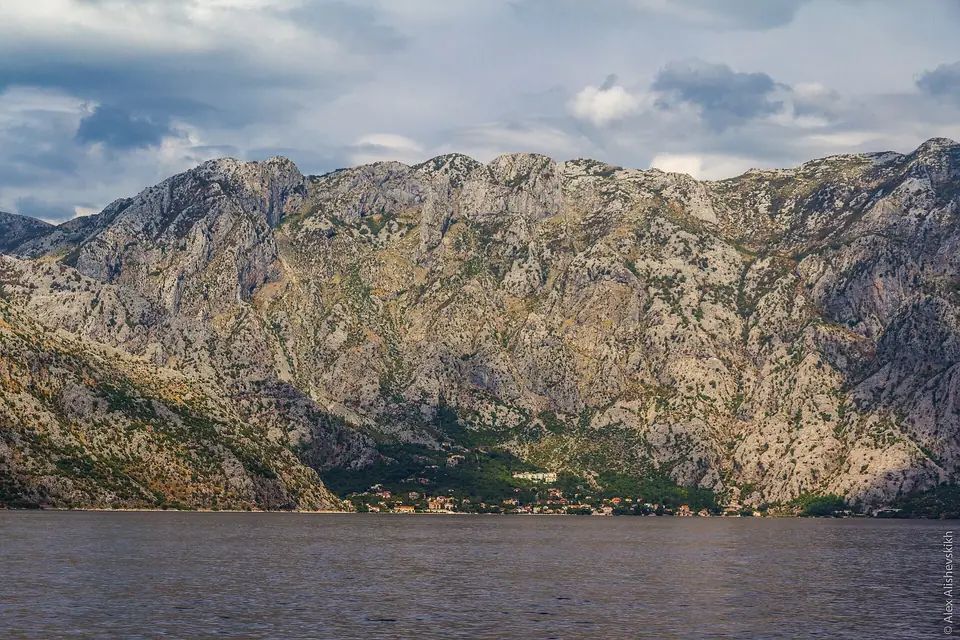
Photo: Alex Alishevskikh · CC BY-SA 2.0
Best Time to Visit Kotor: Months, Cruise Crowds & Rain
Plan your trip to Kotor by balancing shoulder season warmth, summer cruise schedules, and winter rainfall patterns.
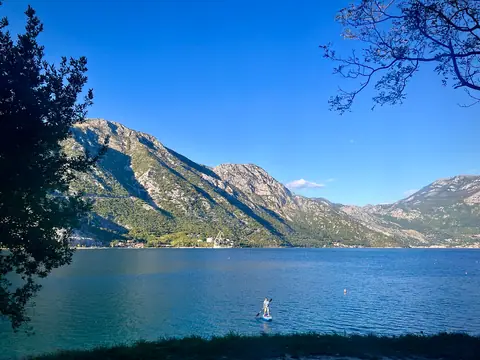
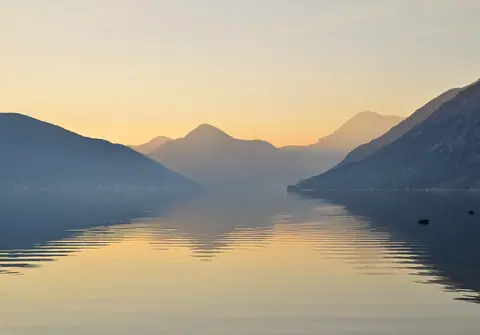
Choosing the best time to visit Kotor hinges on two forces that rarely appear in standard Mediterranean weather charts: the dramatic orographic rainfall trapped by the limestone cliffs of Mount Lovćen. The daily arrival schedule of Adriatic cruise ships berthing close to the Sea Gate. Because Kotor sits at the innermost corner of a deep, mountain-ringed fjord, it experiences scorching, windless afternoons in July and August when heat radiates off the karst rock. By contrast, sudden autumn and winter downpours feed underground karst springs and turn the Škurda River and Gurdic Bastion moat into emerald cascades. For most travellers, mid-May to mid-June and September to mid-October deliver daytime warmth, swimmable bay waters and manageable morning footsteps on the San Giovanni Fortress trail.
| Season / Months | Avg. High / Low (°C) | Bay Water Temp | Crowd & Cruise Level | Best Suited For |
|---|---|---|---|---|
| Late Spring (May to Mid-Jun). | Warm days and mild nights. | Refreshing spring sea. | Moderate ship arrivals. | Fortress hiking, Lovćen serpentine road & boat tours. |
| Peak Summer (Late Jun to Aug). | Hot and sunny days. | Warm swimming water. | Very high cruise traffic. | Swimming in Dobrota, Boka Night festival & late evenings. |
| Early Autumn (Sep to Mid-Oct). | Pleasant daytime warmth. | Pleasantly warm sea. | Moderate (shoulders ease). | Warm sea swims, photography & mussel harvests. |
| Late Autumn & Winter (Nov to Mar). | Cool days and chilly nights. | Cool sea temperatures. | Low (quiet local life). | Winter Carnival (Feb), karst waterfalls & budget stays. |
The Golden Windows: May to Mid-June & September to Mid-October
In May and early June, the Bay of Kotor wakes from winter with snow patches still gleaming on the upper ridges of Lovćen. Down by the water, wild sage, pomegranate blossoms and oleander colour the stone terraces of Dobrota and Prčanj. Moderate daytime temperatures make the climb to Castle of San Giovanni or the hike up the Old Austro-Hungarian Ladder of Kotor comfortable in the morning. In addition, the winter snowmelt keeps the underground karst siphon at the Gurdic Gate brimming with turquoise water, and the high mountain road through Lovćen National Park is fully cleared of snow.
September and early October offer an equally rewarding balance, particularly if swimming and kayaking in the fjord are priorities. The inner waters of Boka Kotorska retain their summer warmth well into autumn. By mid-September, family holiday traffic along the Adriatic Highway drops sharply, and border waits toward Dubrovnik shrink. Waterfront hotel rates in Dobrota and Perast also fall compared with August peaks.
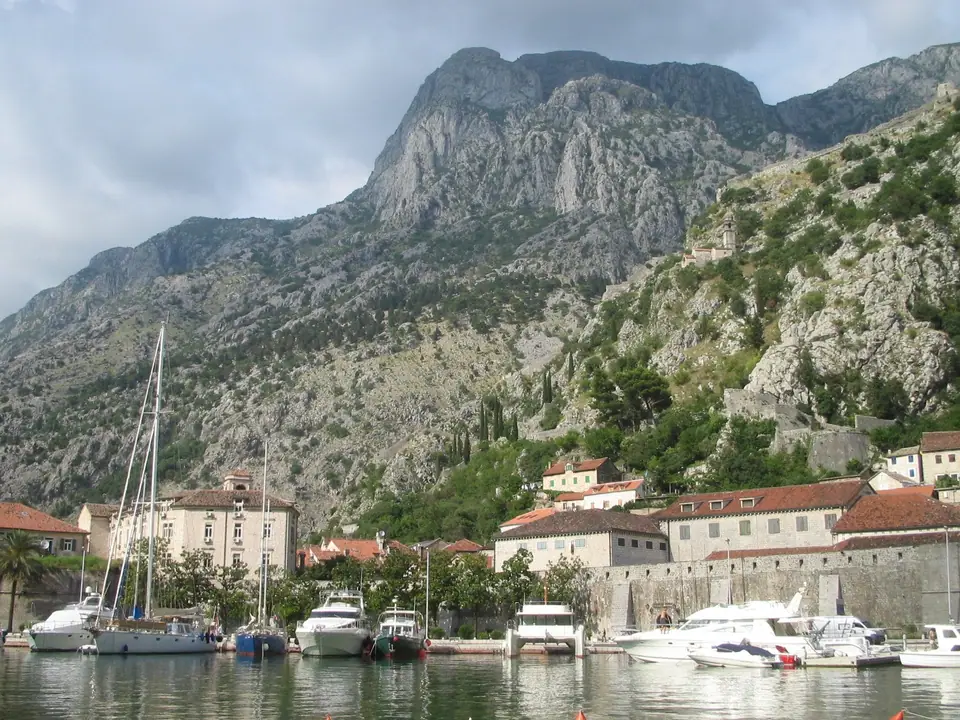
Navigating Peak Summer (July & August): Heat & the Cruise Ship Clock
July and August bring nearly unbroken sunshine and high temperatures. However, afternoon temperatures inside the sheltered stone basin of Kotor feel particularly intense because the surrounding cliffs block coastal breezes. This is also peak cruise season, when multiple vessels can dock or tender simultaneously at the Port of Kotor pier and anchorage. Together they release thousands of day-visitors into the compact walled town.
If your trip falls in July or August, you can still enjoy a calm visit. Simply invert your daily routine around the Port of Kotor Cruise Schedule on the port website:
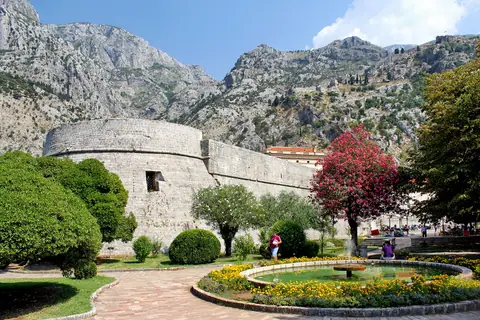
- Early Morning (Dawn Sanctuary). Step onto the San Giovanni ramparts. Alternatively, stroll the silent marble squares of Stari Grad while the sun climbs over the Pestingrad peak. In early morning, the open-air farmers' market beneath the Valier Bastion is purely local.
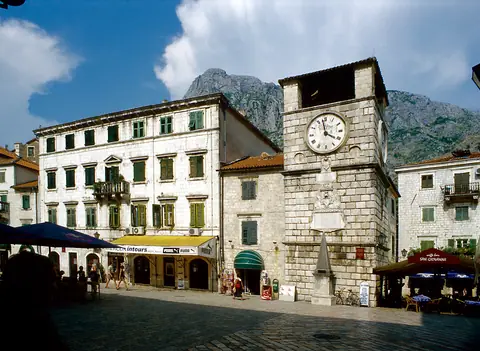
- Midday (Leave the Walled Core). While cruise excursion groups fill the Square of the Arms. Take a speedboat out to the Blue Cave on the Luštica Peninsula, or swim off the stone ponta jetties of Dobrota. You can also drive up to Njeguši village, where mountain temperatures are noticeably cooler.
- Evening Onwards (The Evening Magic). Once the last ships sound their horns and glide out through the Verige Strait. The amber lanterns along the rampart loop switch on and the medieval plazas reclaim their relaxed coastal rhythm.
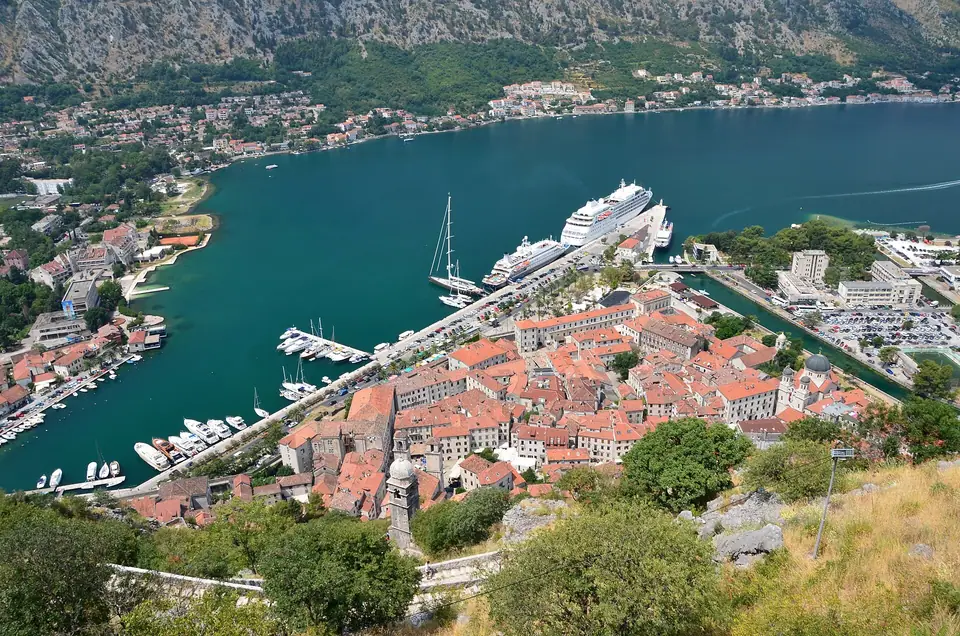
Kotor's Festival Calendar: Boka Night, Fašinada & Carnivals
Timing your visit around Boka Kotorska's maritime traditions adds unforgettable cultural depth:
- Fašinada in Perast. Held at sunset in mid-summer, a convoy of decorated wooden boats sets out from Perast. Local men row to Our Lady of the Rocks and drop stones to reinforce its reef. Rowers sing traditional bugarštica folk songs.
- International Summer Carnival (early August) & Traditional Winter Carnival (February). Kotor hosts two distinct carnivals. A lively street parade of masked troupes along the waterfront in early August. A historic winter carnival follows in February that culminates in the satirical burning of the carnival effigy on the main road.
- Bokeljska Noć / Boka Night (third Saturday of August). This traditional summer maritime celebration features a nocturnal parade of illuminated, decorated wooden barges floating past the Old Town harbour, followed by bay fireworks.
Autumn & Winter Rain (November to March): The Crkvice Factor
Travellers visiting between November and March should understand a remarkable meteorological quirk. The mountain ridge of Orjen and Lovćen just above the Bay of Kotor receives exceptionally heavy rainfall. In Kotor itself, late autumn and winter bring frequent wet days. When winter Adriatic low-pressure systems collide with the limestone cliffs, heavy rain can last for days. High spring tides (acqua alta) pool inside the lowest archway of the Sea Gate. Between storm fronts, however, crisp, sunny winter days reward visitors with dramatic waterfalls leaping down the Škurda gorge. Visitors enjoy quiet streets and peaceful heritage rooms inside the Old Town palaces.
Seasonal Breakdown for Kotor & Boka Bay
To help you match your travel dates to your priorities, here is how the year unfolds across the Bay of Kotor. In January and February, daytime conditions remain cool with frequent rain showers. However, February brings the lively Kotor Winter Carnival and the Mimosa Festival in neighbouring Herceg Novi. In March and April, spring wildflowers cover the Lovćen foothills, the Gurdić karst spring overflows with turquoise snowmelt, and Easter services fill both St Tryphon's Cathedral and St Nicholas Orthodox Church.
By May and June, daily sunshine increases and temperatures rise pleasantly. This makes late spring an ideal window for hiking the fortress steps and the switchbacks of the Ladder of Kotor. July and August bring hot afternoons, warm sea temperatures for swimming off Dobrota's stone jetties, and the illuminated barges of Boka Night in late August. September and October combine lingering warm bay water with quiet Old Town squares and the grape and pomegranate harvest. Meanwhile, November and December are quiet, rainy winter months suited to low-budget slow travellers.
Checking the port authority schedule the evening before lets you plan every bay excursion with confidence.
Winter and early spring reveal a deeply traditional side of bay life that summer visitors rarely witness. During the annual St Tryphon festivities, the Boka Navy maritime organization leads historic ceremonies across Kotor, founded when the relics of patron saint St Tryphon reached the city and inscribed by UNESCO as Intangible Cultural Heritage. The brotherhood performs its traditional kolo circle dance in front of the cathedral. Afterwards, members carry the saint's relics in procession through the stone squares of Stari Grad. Meanwhile, in neighbouring Herceg Novi near the outer bay entrance, the annual Mimosa Festival brightens the winter calendar with floral parades and coastal concerts.
Check the local harbour schedule and mountain weather forecast each evening. That way, you can match every day in Boka Kotorska to clear skies and calm waters.
Weather by month
Kotor is warmest in July, with average highs around 31°C, and coldest in January, when nights drop to about 4°C. November is the wettest month by rainfall (98 mm), with rain on about 14 days. For mild weather with fewer rainy days, aim for May and September.
| Month | Low | Range | High | Rain | Rainy days |
|---|---|---|---|---|---|
| Jan | 4°C | 12°C | 91 mm | 13 d | |
| Feb | 5°C | 13°C | 84 mm | 12 d | |
| Mar | 7°C | 16°C | 84 mm | 12 d | |
| Apr | 10°C | 19°C | 77 mm | 11 d | |
| May | 14°C | 24°C | 63 mm | 9 d | |
| Jun | 18°C | 28°C | 42 mm | 6 d | |
| Jul | 21°C | 31°C | 28 mm | 4 d | |
| Aug | 21°C | 31°C | 35 mm | 5 d | |
| Sep | 17°C | 27°C | 63 mm | 9 d | |
| Oct | 13°C | 22°C | 77 mm | 11 d | |
| Nov | 9°C | 17°C | 98 mm | 14 d | |
| Dec | 5°C | 13°C | 98 mm | 14 d |
Averages of daily values from 2015 to 2024. Rainy days are days with at least 1 mm of rain. Source: Open-Meteo · Compare destinations by month.
Where it is
- 1Kotor
- Tirana International Airport Mother Teresa (TIA) · about 137 km from Kotor in a straight line
- Directions in Google Maps
Stations and taxi ranks: OpenStreetMap. Airports: OurAirports. Distances are in a straight line.
Traveller tips
Real advice from people who have been to Kotor. Every tip is read by our team before it goes live.
No tips yet. Been here? Yours could be the first.
Thank you! Your tip will appear here after a quick review.
More in Kotor
Continue exploring Kotor with related neighbourhood, food, and planning guides