How to Get to Kotor: Tivat, Podgorica & Dubrovnik Airports
Compare Tivat, Dubrovnik and Podgorica airports, land border rules, entry requirements and local transport connections for visiting Kotor in Montenegro.
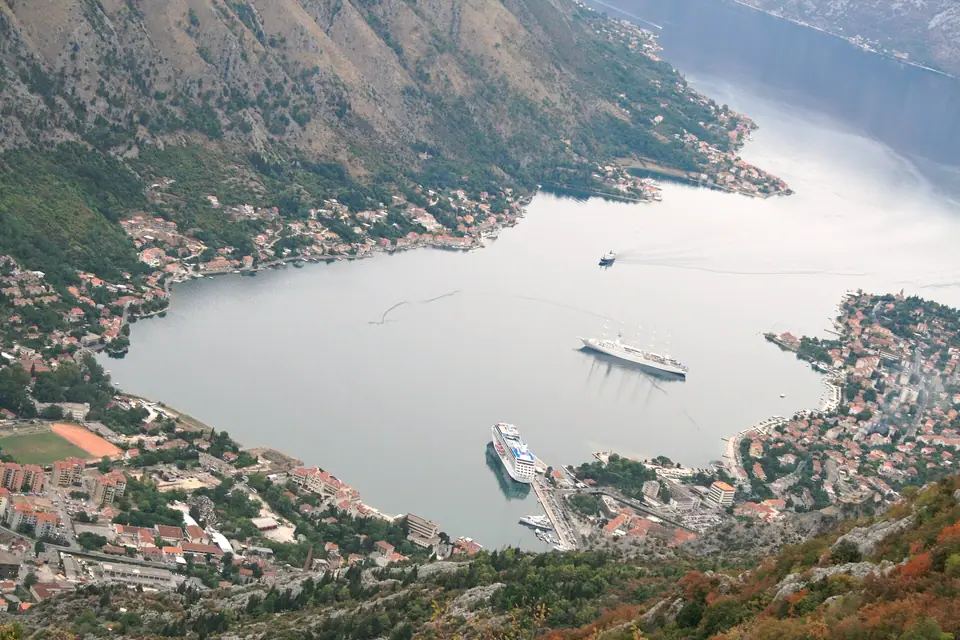
Reaching the fortified harbour of Kotor requires navigating the dramatic limestone topography of the Bay of Boka Kotorska. Here, steep mountain ridges separate the open Adriatic coast from the calm inner bay. Unlike island hubs that depend on ferries, Kotor sits directly on coastal roads and connects to three regional airports across two countries. Tivat Airport (TIV) sits nearby via the Vrmac Tunnel, while Podgorica Airport (TGD) lies across the interior mountain passes. Meanwhile, Dubrovnik Airport (DBV) lies in neighbouring Croatia. Border queues between Croatia and Montenegro can build up during peak holiday periods, so picking your arrival route carefully saves significant travel time. For a broader overview of the bay layout, start with our Kotor travel guide.
British citizens can visit Montenegro without a visa for up to 90 days in any 180-day period. Because Montenegro is not part of the Schengen area, your stay does not count towards Schengen limits. Your passport must have been issued less than 10 years before arrival and remain valid for at least 3 months after departure. All visitors must register with local police or the tourism office within 24 hours of arriving in Montenegro. If you stay in private accommodation, make sure you complete this registration yourself. Authorities may close land border crossings at short notice, and bringing meat or dairy products into the country is prohibited.
Flying into Tivat Airport (TIV): The Vrmac Tunnel Route
Tivat Airport (TIV) is the closest airport to Kotor, sitting on the coastal plain near the outer bay. Direct seasonal flights link Tivat with several major European cities during the warmer months, together with year-round regional connections. The towns are separated by the ridge of Mount Vrmac, which is pierced by the Vrmac Tunnel. Once your vehicle exits the northern portal of the tunnel, you descend straight into the suburbs near Kotor's historic centre.
Tivat Airport does not have a dedicated municipal airport shuttle bus pulling right up to the terminal doors. Taxis wait outside the arrivals hall, though pre-booking a licensed transfer or hotel car often provides a smoother arrival. Travellers can also walk out to the main road to catch local buses or coaches heading towards Kotor. Remember that carrying cash or travellers cheques above the statutory border declaration limit (check current customs rules) into Montenegro must be declared to customs on arrival.
Podgorica Airport (TGD): Capital Connections
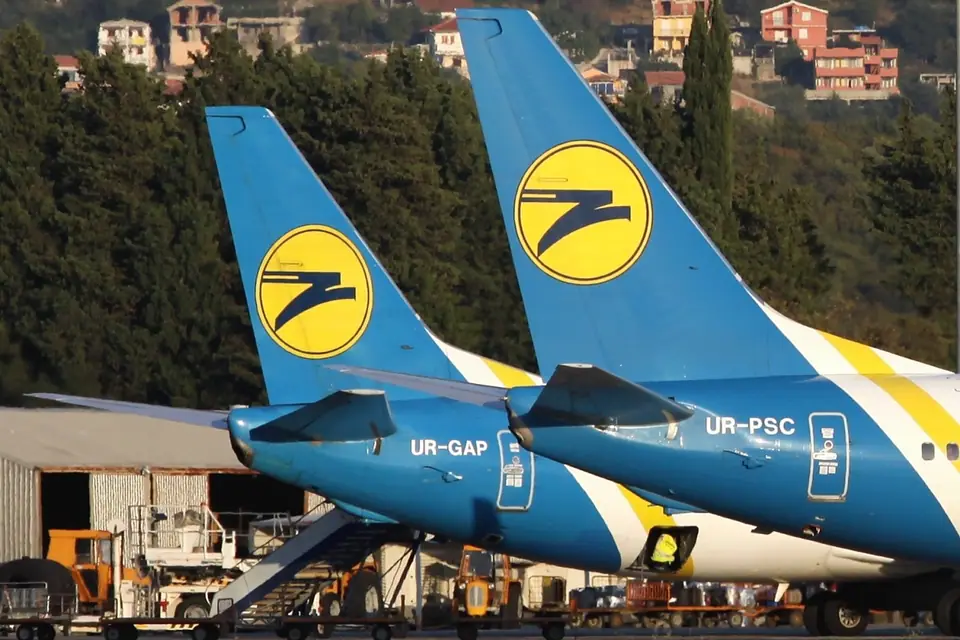
Montenegro's capital airport, Podgorica (TGD), operates year-round with regular international routes and low-cost carriers. Located inland, Podgorica avoids international land border checkpoints because the entire drive remains inside Montenegro. Driving from the airport winds past Lake Skadar before crossing inland hills towards the coast and reaching the bay via the Vrmac Tunnel.
Podgorica Airport lacks a direct passenger train or scheduled bus service linking the terminal to coastal towns. Most travellers take a short taxi ride into the central bus station in Podgorica to catch regular coastal coaches. Alternatively, pre-booking a private transfer directly from the terminal to Kotor avoids luggage transfers between vehicles. Check the official site for up-to-date coach timetables and ticket details.
Dubrovnik Airport (DBV) and Land Border Crossings
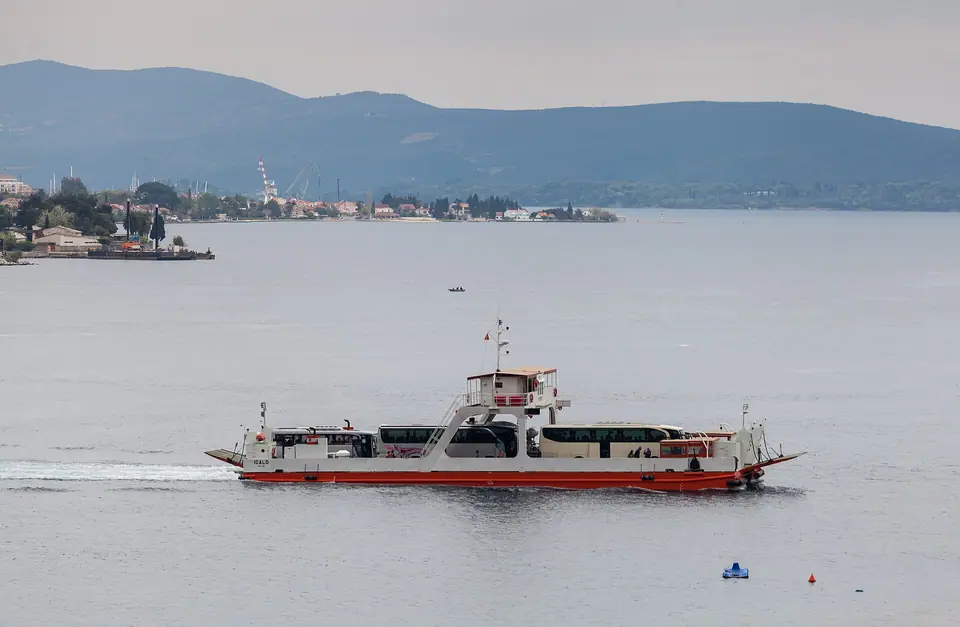
Many travellers choose Dubrovnik Airport (DBV) across the border in Croatia due to its extensive international flight schedule. From Dubrovnik Airport, the route enters Montenegro and follows the coastal road around the bay towards Kotor. Drivers can follow the shoreline through Herceg Novi or shorten the driving distance by taking the local car ferry across the narrow Verige Strait.
Two primary road crossings connect the Dubrovnik region with Montenegro:
- Debeli Brijeg / Karasovići (Main Highway). This major crossing accommodates private cars, scheduled buses and commercial freight throughout the day. Border traffic can cause noticeable delays during peak travel months as vehicles pass through both Croatian and Montenegrin checkpoints.
- Kobila / Vitaljina (Coastal Crossing). Located closer to the mouth of the bay, this smaller bilateral crossing primarily handles passenger vehicles. Choosing this crossing can sometimes offer shorter wait times when summer queues form along the main highway.
If you rent a car in Croatia to drive across into Montenegro, check that your rental contract includes valid cross-border insurance documentation. Border police inspect these papers before allowing vehicles across the border.
Kotor Bus Station and Exploring the Bay
Kotor Bus Station (Autobuska Stanica Kotor) sits just south of the historic centre, an easy stroll from the main gates. Regional coaches link Kotor regularly with Budva, Tivat town and Herceg Novi. Coach travel across Montenegro remains straightforward. However, passengers with large bags typically pay a small luggage hold fee directly to the driver, for which you can check the official site.
For exploring settlements along the inner bay, including Perast and Our Lady of the Rocks, local buses run along the shoreline road. Historic Kotor is entirely pedestrianised, with paved stone alleys enclosed by defensive walls. If arriving by taxi, check which gate is closest to your accommodation before setting out on foot. See our where to stay guide for practical base recommendations.
Driving and Road Tips Around Kotor
Hiring a car gives you flexibility to explore the coast, national parks and mountain viewpoints at your own pace. Montenegro is celebrated for its natural landscapes, and its national parks cover a protected portion of the national territory. Keep local driving regulations in mind, as traffic police regularly monitor coastal roads and tunnel exits for standard vehicle compliance.
Two distinct routes link Kotor with Tivat and surrounding peninsula bays. The modern Vrmac Tunnel cuts straight through the mountain ridge to save driving time. Alternatively, the winding coastal road hugs the shoreline through peaceful fishing hamlets directly beside the water. That shoreline route narrows considerably in older villages, making it ideal for relaxed sightseeing rather than urgent airport runs.
When planning your arrival by sea, air, or road, it helps to understand how Kotor connects with Montenegro's wider transport network. Located directly in front of the medieval city walls, the Port of Kotor and Marina Kotor welcome Adriatic cruise ships, yachts, and seasonal passenger boats. Foot passengers disembarking at the port terminal can cross the waterfront road and enter the Sea Gate on foot in a few moments. Meanwhile, the port administration office handles harbour operations during standard weekday daytime hours.
Air travellers fly into Tivat Airport near the bay or Podgorica Airport near the capital, both managed by Airports of Montenegro. For mountain excursions above the bay, dedicated shuttle connections link the coastal towns with the Kotor to Lovćen cable car. Comfortable shuttle buses and private shuttle vans depart from Kotor, Budva, and Tivat directly for the lower cable car terminal. From there, the gondola lifts passengers up to the Lovćen ridge overlooking Boka Kotorska. If you rent a car to explore the Montenegrin coast and the national parks managed by JPNPCG, carry your passport, driving licence, and vehicle documents at all times. Be sure to review current UK FCDO travel guidance before crossing international road borders into Croatia or Bosnia and Herzegovina.
When planning onward regional connections around Boka Kotorska, remember that local buses and coastal ferries follow seasonal timetables. Checking return departure boards at the Kotor bus terminal or the waterfront pier before setting out keeps your bay excursions running smoothly.
Keeping small Euro notes ready for local bus drivers and harbour luggage storage makes every arrival and departure around Boka Kotorska smooth and stress-free.
Where it is
- 1Kotor
- Tirana International Airport Mother Teresa (TIA) · about 137 km from Kotor in a straight line
- Directions in Google Maps
Stations and taxi ranks: OpenStreetMap. Airports: OurAirports. Distances are in a straight line.
Traveller tips
Real advice from people who have been to Kotor. Every tip is read by our team before it goes live.
No tips yet. Been here? Yours could be the first.
Thank you! Your tip will appear here after a quick review.
More in Kotor
Continue exploring Kotor with related neighbourhood, food, and planning guides
Risan Roman Mosaics, Herceg Novi & Budva Day Trips from Kotor
Kotor, Montenegro
What to Eat in Kotor: Black Risotto, Buzara, Pršut & Krempita
Kotor, Montenegro
Kotor: Boka Bay Layout, Cruise Timing & Local Tips
Kotor, Montenegro
Best Things to Do in Kotor: Fortress Hike, Perast & Boka Bay
Kotor, Montenegro
