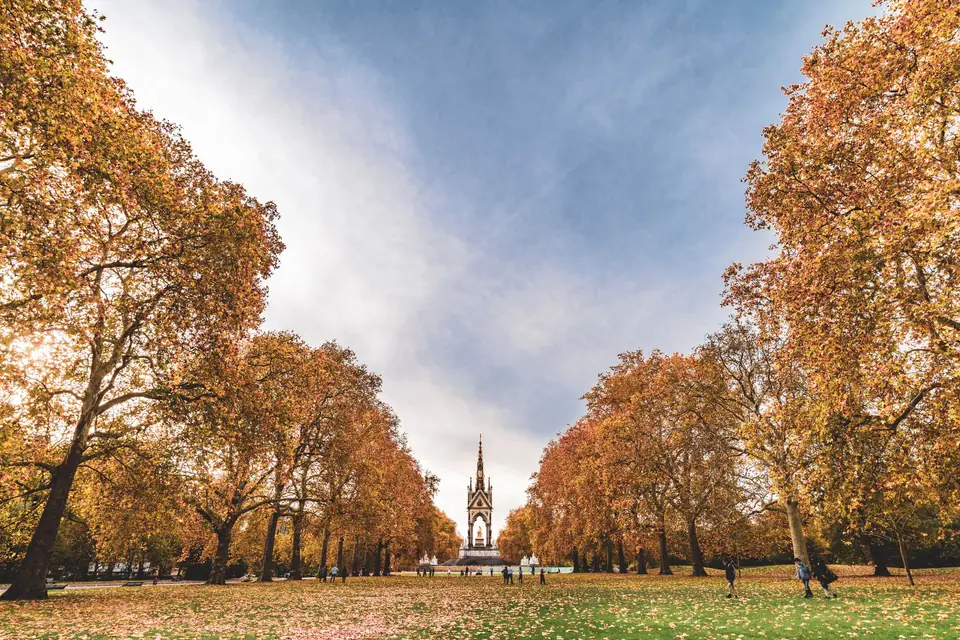
Best Time to Visit London: Month-by-Month Weather, Daylight & Events
Late spring and early autumn bring the best balance of daylight, park bloom, and manageable crowds.
London works in every month of the calendar because so much of its cultural life happens indoors. Across the capital sit 170 museums and galleries, 40 West End theatres, covered Victorian markets like Leadenhall and Borough, and thousands of historic pubs. Total rainfall varies surprisingly little across the year and averages a modest 615 millimetres annually at Kew Gardens. That annual total is lower than the yearly rainfall in Rome, Sydney, or New York. Instead, the big seasonal shifts are daylight hours, park foliage, and hotel room rates. At latitude 51.5° North, sunset moves from 15:51 in mid-December to 21:21 on the late-June solstice. That swing gives summer visitors more than five and a half extra hours of evening light along the Thames.
Spring (March to May): wisteria, Royal Parks, and bank holidays
March and April bring brisk, changeable Atlantic breezes with average daytime highs climbing from 11.0°C in March to 13.8°C in April. Golden daffodils carpet Green Park and St James's Park in March. Pink cherry blossom frames Greenwich Park and Regent's Park in April. By early May, purple wisteria climbs the brick facades of Kynance Mews in South Kensington and Bedford Square in Bloomsbury. May (average high 17.4°C, 15.5 hours of daylight) is one of the finest months to visit London. Outdoor pub tables fill across Soho and Clerkenwell, and the five-day RHS Chelsea Flower Show transforms the grounds of the Royal Hospital Chelsea in late May. Late March or early April also brings the historic Oxford and Cambridge Boat Race along the Tideway between Putney and Mortlake, watched for free from the riverbanks in Hammersmith and Chiswick (CHIZ-ik). Watch the calendar for the Easter school holidays and the two May Bank Holiday Mondays in early and late May. Domestic rail lines often schedule engineering works over bank holiday weekends, and family hotel rates rise.
Summer (June to August): 21:20 sunsets, royal pageantry, and deep-Tube heat
June, July, and August bring the warmest temperatures and longest evenings of the year. Average daytime highs reach 20.8°C in June, 22.6°C in July, and 22.3°C in August. Long twilight hours let you leave a museum at 17:30 and still walk 4.5 kilometres from Westminster to Tower Bridge in daylight. Summer also packs the capital's grandest annual events into ten weeks:
- Trooping the Colour (Mid-June): Over 1,400 parading soldiers, 200 horses, and 400 musicians march down the Mall to Horse Guards Parade on a Saturday in mid-June. This royal ceremony marks the Sovereign's official birthday and concludes at 13:00 with a Royal Air Force flypast over the palace balcony.
- The Championships, Wimbledon (Late June to Mid-July): The grass-court Grand Slam takes place at the All England Lawn Tennis Club in SW19 (District line to Southfields). Visitors without pre-ballot tickets can join the famous morning Queue in Wimbledon Park for same-day Ground Passes or Show Court resale seats.
- Buckingham Palace Opening & BBC Proms (July to September): While the Royal Family stays in Scotland, Buckingham Palace opens its 19 State Rooms for ten weeks from mid-July to late September. During the same weeks, the eight-week BBC Proms classical music festival fills the 1871 Royal Albert Hall, offering standing arena "Promming" tickets on the day.
- Notting Hill Carnival (Late August Bank Holiday): Europe's largest Caribbean street festival fills W10 and W11 over the final Sunday and Monday of August. Expect steel bands, calypso sound systems, jerk chicken stalls, and feathered masquerade floats.
Summer's primary drawback is crowd density after British and European schools break up in mid-July, coupled with occasional July or August heatwaves above 30°C. Older hotels and deep-level Tube lines (especially the Central, Bakerloo, Piccadilly, and Northern lines) lack air conditioning. Carry a refillable water bottle underground and verify air conditioning before booking a hotel in our where to stay guide.
Autumn (September to October): golden plane trees and calmer galleries
Once British schools return in the first week of September, queues outside the Tower of London and the British Museum shorten noticeably. Daytime temperatures remain pleasant for walking at 19.7°C in September and 15.5°C in October. Mid-September brings the annual Open House Festival, granting free entry to hundreds of normally private architectural interiors across the City and Westminster. October brings the Frieze London and Frieze Masters art fairs to Regent's Park and the BFI London Film Festival to the South Bank. By late October, the London plane trees along the Mall and Kensington Gardens turn copper and gold. British Summer Time (BST) ends on the final Sunday of October, moving sunset back by an hour overnight.
Winter (November to February): Regent Street lights, pantos, and hotel deals
From November through February, daytime highs sit between 7.7°C and 11.0°C, with overnight lows rarely dropping far below freezing. Snow settles on central pavements only one or two days a winter. What surprises winter visitors is the early sunset: between late November and early January, dusk starts around 15:45 and full darkness falls by 16:15. Schedule outdoor walks such as Westminster or Greenwich between 09:00 and 15:00, then spend late afternoons inside illuminated museums, historic department stores, and fireplace pubs.
- November and December Festive Season: On 5 November, Bonfire Night fireworks light up parks like Alexandra Palace and Battersea Park. On the second Saturday of November, the 800-year-old Lord Mayor's Show parades through the Square Mile with the gilded 1757 State Coach. From mid-November to early January, Christmas angels shine above Regent Street, Carnaby Street, and Covent Garden. Open-air ice rinks also operate at Somerset House and the Queen's House in Greenwich. Remember that on 25 December (Christmas Day), the entire London Underground, every bus, and all mainline trains shut down completely for 24 hours.
- January and February Value Season: After the New Year's Eve fireworks, January and February offer the lowest hotel rates and quietest galleries of the year. Early January also brings traditional British theatre pantomimes, Lunar New Year parades in Soho and Trafalgar Square, and winter sales along Oxford Street and Regent Street. Read our what to wear guide to pack for damp winter winds.
Weather by month
London is warmest in July, with average highs around 23°C, and coldest in January, when nights drop to about 2°C. October is the wettest month by rainfall (77 mm), with rain on about 12 days. For mild weather with fewer rainy days, aim for June, July, August and September.
| Month | Low | Range | High | Rain | Rainy days |
|---|---|---|---|---|---|
| Jan | 2°C | 8°C | 61 mm | 12 d | |
| Feb | 3°C | 9°C | 54 mm | 11 d | |
| Mar | 4°C | 11°C | 58 mm | 13 d | |
| Apr | 5°C | 14°C | 40 mm | 10 d | |
| May | 9°C | 17°C | 57 mm | 11 d | |
| Jun | 12°C | 21°C | 61 mm | 11 d | |
| Jul | 14°C | 23°C | 60 mm | 11 d | |
| Aug | 14°C | 22°C | 57 mm | 10 d | |
| Sep | 12°C | 20°C | 64 mm | 11 d | |
| Oct | 9°C | 16°C | 77 mm | 12 d | |
| Nov | 5°C | 11°C | 66 mm | 11 d | |
| Dec | 4°C | 9°C | 66 mm | 12 d |
Averages of daily values from 2015 to 2024. Rainy days are days with at least 1 mm of rain. Source: Open-Meteo · Compare destinations by month.
Where it is
- 1London
- London Heathrow Airport (LHR) · about 23 km from London in a straight line
- Directions in Google Maps
Stations and taxi ranks: OpenStreetMap. Airports: OurAirports. Distances are in a straight line.
Traveller tips
Real advice from people who have been to London. Every tip is read by our team before it goes live.
No tips yet. Been here? Yours could be the first.
Thank you! Your tip will appear here after a quick review.
More in London
Continue exploring London with related neighbourhood, food, and planning guides
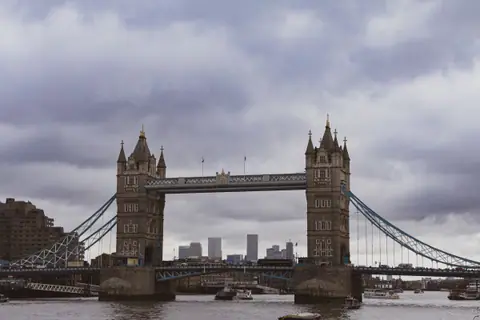
London: Twin Cities, Postal Codes, UK ETA & Tube Contactless Caps
London, United Kingdom
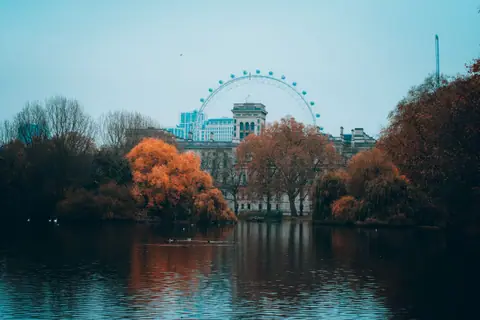
Best Things to Do in London: Tower, Westminster, South Bank & Free Views
London, United Kingdom
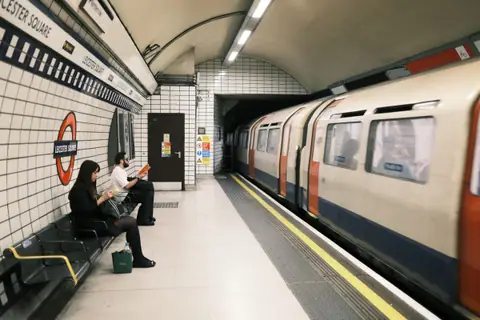
How to Get to London: 6 Airports Compared, Eurostar & the Tube
London, United Kingdom
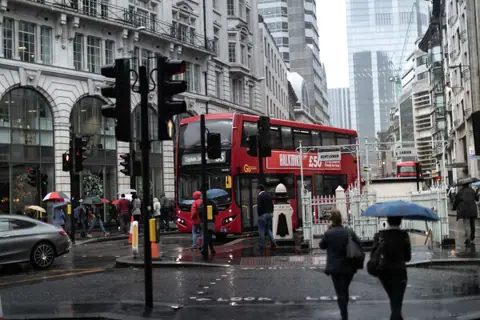
What to Wear in London: Waterproof Layers, Tube Heat & Dress Codes
London, United Kingdom
