Best Time to Visit Los Angeles
Autumn and spring offer the best weather for exploring Los Angeles, while summer brings high travel demand.
The best time to visit Los Angeles runs from September to November. During these months, calm seas, pleasant warmth, and manageable crowds create comfortable sightseeing conditions across southern California.
Autumn Warmth and Ocean Conditions
Autumn spans from September through November and brings mild weather across the state. In Los Angeles, average daytime temperatures settle comfortably in the low 70s°F during cooler months. They rise towards the low 80s°F during summer. September and October retain plenty of pleasant heat without peak tourist pressure.
For coastal trips, autumn provides exceptional conditions. Ocean water temperatures range from the lower 50s in winter to the upper 60s during fall. Calm winds and calm seas become more frequent near the end of summer and continue through October. Autumn offers the best possibility for warm weather, calm winds, and tranquil waters along the Pacific coast.
Farther afield, autumn brings mild weather and spectacular foliage to some regions. It is also an ideal period to explore California wine regions during the grape harvest, known as the crush, which generally occurs from August to October. You can consult our overview of local travel logistics to prepare your general holiday schedule.
Peak Summer Travel and Beach Days
Most vacationers head to California during the peak summer months from June through August. During this period, you can expect the biggest crowds at top attractions. High-season rates apply at lodgings and resorts. Hotel and motel room rates within the City of Los Angeles carry a 14 percent hotel transient occupancy tax, which adds to accommodation expenses.
Summer high temperatures on the coast hover around 70 degrees and higher. Inland, temperatures can spike to 80 degrees or higher on the hottest summer days. Average daytime temperatures across the city sit in the low 80s°F during summer months. Packing light clothing and bringing sun protection is vital when spending long days touring coastal areas or historic districts.
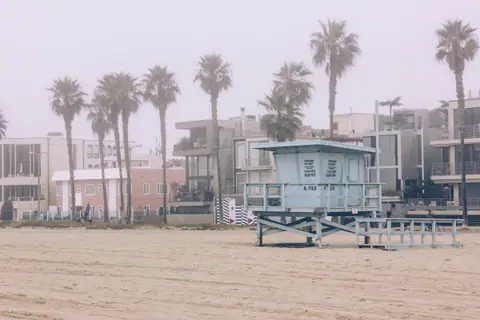
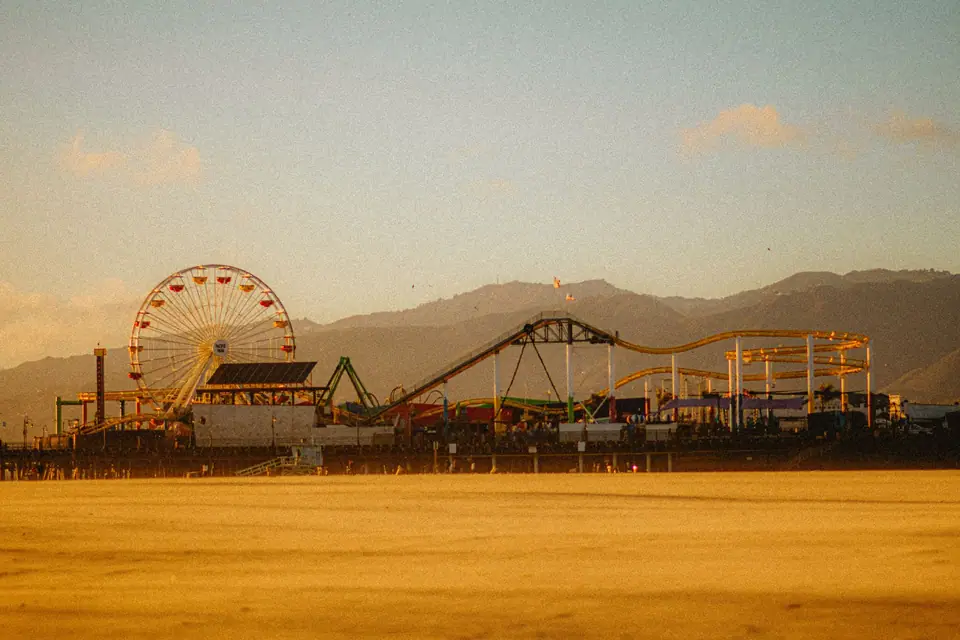
The two miles of sand at Santa Monica Beach offer ample space for beach strolls and games. Surfers should remember that at Manhattan Beach, surfing is limited to the south side of the pier. Swimming is prohibited in areas immediately adjacent to the pier structure. Cabrillo Beach, set on a thin peninsula near Point Fermin Park, provides one side open to the surf and another open to the harbour.
Spring Wildflowers and Coastal Fog
Springtime spans from March through early May and represents one of the most beautiful periods to explore the wider region. Days warm up gradually, while the landscape stays fresh following winter showers. Dense fog is common during the late spring and early summer months along the shore, though it may appear at any time.
On regional islands and coastal bluffs, winds are often calm in the early morning and increase during the afternoon. Summer temperatures average in the low-70s on offshore islands, but late spring often brings cool sea mists that blanket the coastline before burning off. Packing a light windbreaker and dressing in layers ensures you stay comfortable through midday temperature shifts.
Spring is also a convenient time to follow a structured city schedule, such as our Los Angeles 3-Day Itinerary. Roads remain accessible, cultural venues are less crowded than in midsummer, and outdoor sightseeing requires less heat management.
Winter Weather and Seasonal Rain
Los Angeles enjoys a mild Mediterranean climate year-round, featuring warm days, low humidity, and abundant sunshine. Freezing temperatures are rare on the coast, even in the depths of winter. Average daytime temperatures during the cooler months sit in the low 70s°F, making winter exceptionally mild compared to most parts of North America.
Winter storms do occur, with most rain falling between December and March. When rain falls along the coast, snow usually coats the surrounding mountains from November to March, with select ski resorts remaining open into April or beyond. These storms leave behind crisp air and crystal clear views across the Los Angeles basin.
Ocean water temperatures drop to the lower 50s during winter, making swimming unappealing without a proper wetsuit. Winter travellers should also monitor high tides and surf swells. Periods of hazardous swimming conditions and high surf can produce moderate beach erosion and shallow flooding on coastal bike paths and parking areas.
Mountain Climates and Desert Elevations
The climate in southern California can be quite different depending on the time of year and which side of the mountain range you visit. Joshua Tree National Park ranges in elevation from 536 feet in its southeast corner to 5,814 feet atop Quail Mountain. Variations in elevation produce sharp local shifts in air temperature and wind exposure.
Travellers visiting regional parks must always dress appropriately for the weather. Channel Islands bluffs maintain stable average highs in the mid-60s and lows in the low-50s year-round. Visitors to these marine environments should pack fleece jackets, long trousers, sturdy hiking shoes, and waterproof outer layers to counter sudden wind gusts.
Because geography alters local weather rapidly, a sunny morning in a coastal valley can turn cool and windy on an exposed ridge. Checking specific forecasts for each elevation ensures a smooth day trip.
Heat Safety and Red Flag Warnings
High temperatures of 80 to 90 degrees are common during warmer periods across southern California. Heat can be very taxing on the human body, leading to heat-related illnesses or worsening existing medical conditions. Young children, infants, and pregnant women are particularly vulnerable to heat illnesses because their bodies adapt less easily to high temperatures.
Leaving anyone inside a locked vehicle is extremely hazardous. It is never safe to leave a child, disabled person, or pet locked in a car, even in the winter. Temperatures inside a closed cabin rise dangerously fast under direct sunlight.
Dry weather combined with northeast wind gusts of 30 to 45 mph can trigger Red Flag Warnings across Los Angeles and Ventura counties. Strong east or Santa Ana winds can begin around October, creating conditions for fast-moving fires. When Red Flag conditions arise, avoid parking on dry brush and observe all regional fire safety advisories.
Summer Culture at the Hollywood Bowl
Summer brings an extensive calendar of outdoor cultural events across the metropolitan area. The Hollywood Bowl offers an iconic summer experience with open-air evening concerts. Pre-concert wine and beer tastings take place on Wednesdays and Sundays during the LA Phil season, three hours before the concert in the Plaza Marketplace.
Visitors can also visit the Hollywood Bowl Museum for a free guided group tour or self-guided tour during their trip. Arriving at the venue requires advance transport planning, as on-site parking is extremely limited, stacked, and often sells out early. Directing rideshare drivers to 6655 Odin St provides convenient pick-up and drop-off access.
Public transit provides a reliable way to reach the amphitheatre without encountering traffic jams. Travellers can take the Metro B Line directly to Hollywood/Highland Metro Station before completing the short walk or connecting shuttle up to the venue grounds.
Transport and Practical Seasonal Planning
Navigating Los Angeles requires careful attention to state driving laws and local regulations. The minimum driving age in California is 16, and drivers must possess a valid domestic or international driving licence. State law mandates the use of seat belts in all private vehicles at all times.
When no signs are posted, maximum speed limits are 25 miles per hour on city streets and 65 miles per hour on freeways. Curbside parking colours carry strict rules across the county. A red curb means no parking, a green curb indicates parking for a limited time, and a white or yellow curb indicates passenger loading and unloading.
At Los Angeles International Airport, rideshare pick-ups operate exclusively from the designated LAX-it area. A county sales tax of 9.75 percent applies to all purchased goods, while tipping 15 to 20 percent for taxi and restaurant service is standard practice. Keep in mind that purchasing alcohol requires a minimum age of 21, and public venues cannot serve liquor between 2 a.m. and 6 a.m.
Weather by month
Los Angeles is warmest in August, with average highs around 32°C, and coldest in January, when nights drop to about 8°C. January is the wettest month by rainfall (90 mm), with rain on about 6 days. For mild weather with fewer rainy days, aim for November.
| Month | Low | Range | High | Rain | Rainy days |
|---|---|---|---|---|---|
| Jan | 8°C | 19°C | 90 mm | 6 d | |
| Feb | 8°C | 20°C | 74 mm | 5 d | |
| Mar | 10°C | 21°C | 74 mm | 8 d | |
| Apr | 11°C | 24°C | 16 mm | 3 d | |
| May | 13°C | 24°C | 11 mm | 3 d | |
| Jun | 16°C | 28°C | 5 mm | 1 d | |
| Jul | 18°C | 31°C | 3 mm | 1 d | |
| Aug | 18°C | 32°C | 9 mm | 1 d | |
| Sep | 18°C | 31°C | 11 mm | 1 d | |
| Oct | 15°C | 28°C | 10 mm | 2 d | |
| Nov | 11°C | 24°C | 21 mm | 2 d | |
| Dec | 8°C | 19°C | 78 mm | 5 d |
Averages of daily values from 2015 to 2024. Rainy days are days with at least 1 mm of rain. Source: Open-Meteo · Compare destinations by month.
Where it is
- 1Los Angeles
- Los Angeles International Airport (LAX) · about 19 km from Los Angeles in a straight line
- Directions in Google Maps
Stations and taxi ranks: OpenStreetMap. Airports: OurAirports. Distances are in a straight line.
Traveller tips
Real advice from people who have been to Los Angeles. Every tip is read by our team before it goes live.
No tips yet. Been here? Yours could be the first.
Thank you! Your tip will appear here after a quick review.
More in Los Angeles
Continue exploring Los Angeles with related neighbourhood, food, and planning guides