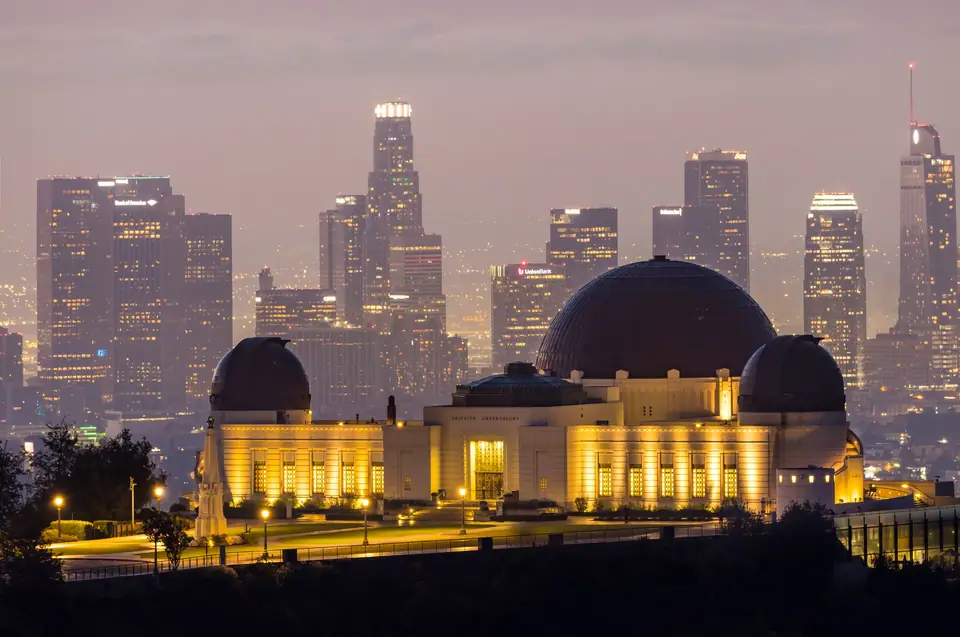
Los Angeles
Los Angeles spreads across 75 miles of coastline, combining cinematic landmarks with mountain parks and distinct urban communities.
Quick decisions
How many days?
Three to four days cover core neighbourhoods, major galleries, and the coast. Plan your days with our Los Angeles 3-Day Itinerary.
Where should I stay?
Base yourself near rail links or the beach. Choose between coastal Santa Monica or central transit hubs using our guide on Where to Stay in Los Angeles: A Neighbourhood Guide.
Do I need a car?
Not necessarily. LA Metro operates six rail lines, including direct trains to Santa Monica and North Hollywood, though ride-hailing helps across wider suburbs.
Best for
Art collections, film history, and seaside paths. Visitors enjoy major art galleries, studio heritage, and expansive outdoor spaces.
Before you go
Secure timed entry passes early. British citizens require an approved ESTA or visa, and venues like the Getty Center require advance reservations. Check our Los Angeles Travel Guide: What to Know Before You Go.
Getting around
Use Metro Rail with a TAP card. Transfers between routes remain free within two hours of your initial tap.
Continue your trip
Head along the coast or into the desert. Take rail connections up to Santa Barbara or plan excursions using our guide to Day Trips from Los Angeles.
Overview
Los Angeles sprawls across 75 miles of county coastline, framed by mountain ranges and sunny coastal basins. It is known as the entertainment capital of the world, housing working motion picture studios and municipal wildernesses like Griffith Park. Each district functions as a self-contained community, offering varied architecture and distinct local rhythms. Consulting our Los Angeles Travel Guide: What to Know Before You Go helps you navigate these diverse urban centres.
The city enjoys a mild Mediterranean climate year-round, bringing warm days, low humidity, and abundant sunshine. Daytime temperatures typically range from the low 70s in cooler months to the low 80s during summer. When packing lightweight layers for coastal mornings and breezy evenings, consult our dedicated guide on What to Wear in Los Angeles.
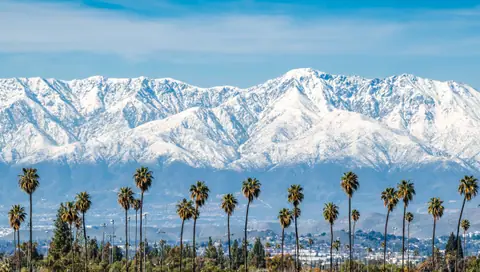
Geographic variety defines everyday life across the basin. You can hike mountain crests near Mount Lee in the morning and cycle beside the Pacific surf by late afternoon. The county contains expansive beaches, historic canals, and protected parks, giving visitors an exceptional mix of urban culture and open-air recreation.
Getting there
Most international flights arrive at Los Angeles International Airport, the largest international airport on the West Coast of the United States. A transit centre opened in 2025, providing a direct connection between airport terminals and the rail network via the C and K lines. Dedicated FlyAway buses also offer nonstop service from airport terminals to Union Station. Find full route details in our guide on How to Get to Los Angeles.
Regional trains serve the historic Union Station hub in Downtown Los Angeles. Amtrak operates the Pacific Surfliner along a 351-mile coastal rail corridor connecting to San Diego and Santa Barbara. Metrolink links adjacent suburban counties across Southern California. International travellers arriving from abroad must hold a valid visa or an approved ESTA before boarding their flight.
Secondary regional airports provide additional access points to Southern California. Long Beach Airport offers nonstop domestic flights to 21 destinations from its historic terminal building. Wherever you arrive, pre-booking shared shuttles or using public transit eases your transfer across the metropolitan area.
Where to stay
Choosing where to sleep determines how you experience the city. Coastal neighbourhoods like Santa Monica place you near the beach and offer direct access to Downtown via the Metro E Line. In neighbouring Venice, boutique hotels sit moments from Ocean Front Walk. Review detailed neighbourhood advice in our guide on Where to Stay in Los Angeles: A Neighbourhood Guide.
Centrally located hotels in Hollywood or Downtown Los Angeles offer straightforward access to Metro Rail connections on the B Line. Staying near rail stations simplifies day trips without needing a hire car. Note that room rates across the City of Los Angeles carry a 14 percent transient occupancy tax.
High-season lodging rates peak during summer, running from June through August. Hotel rooms fill rapidly around prime holiday periods and major concert seasons. Booking your room well in advance ensures better access to properties near pedestrian boulevards or coastal transit corridors.
Things to do
Cultural institutions span classical and modern arts across the basin. The Getty Center in Brentwood displays European art with free admission, while the historic Getty Villa in Pacific Palisades focuses on ancient Greek and Roman collections. In Griffith Park, the 1935 Griffith Observatory offers free entry and houses a historic Zeiss refracting telescope. Discover full sightseeing itineraries in our guide to the Best Things to Do in Los Angeles.
Movie heritage clusters around Hollywood Boulevard, home to the Walk of Fame and the TCL Chinese Theatre forecourt. The Walk of Fame features more than 2,700 stars embedded along the pavements. Head towards the coast to walk the two-mile Venice Boardwalk or ride the solar-powered Ferris wheel on Santa Monica Pier. Read our Hollywood Guide: Griffith Observatory, the Sign and the Walk of Fame for local landmark routes.
Outdoor recreation thrives across municipal reserves and open ocean beaches. Griffith Park provides hiking paths leading towards views of the 45-foot-tall Hollywood Sign. Further west, Santa Monica Beach provides two miles of sand for walking, volleyball, and cycling along the water.
Food and drink
Culinary history lives across century-old establishments and regional street counters. Grand Central Market in Downtown Los Angeles has operated as the city's oldest food hall. The Original Farmers Market has served local diners since 1934. In Hollywood, historic venues like Musso & Frank Grill have prepared classic dishes and drinks since 1919.
Coastal dining delivers ocean vistas and relaxed seaside options. Historic spots like The Whaler in Venice have served beach fare since 1944. Abbot Kinney Boulevard hosts food truck gatherings on the first Friday of each month. In West Anaheim, dedicated enclaves like Little Arabia showcase regional Middle Eastern cooking.
Paying restaurant bills in Los Angeles follows established customs. Adding a 15 to 20 percent gratuity for dining service is standard practice throughout California. A Los Angeles County sales tax of 9.75 percent is applied to all purchased items on the final bill.
Culture
Los Angeles culture revolves around cinematic history and outdoor coastal living. The Hollywood Sign, dedicated in 1923, stands on Mount Lee as an internationally recognized landmark. Beach pathways like the 22-mile Marvin Braude Bike Trail encourage an active seaside routine between Pacific Palisades and the South Bay. Discover more shoreline heritage in our Santa Monica and Venice Guide.
Local regulations protect public parks and neighbourhoods throughout the metropolitan area. Griffith Park strictly prohibits smoking of any kind as well as the operation of drones. On city streets without posted signs, the maximum speed limit is 25 miles per hour, rising to 65 miles per hour on freeways.
Evening entertainment follows specific state licensing statutes. California law sets the legal minimum age for purchasing alcohol and tobacco at 21. State law stops bars from serving alcohol in the early hours, so last call comes well before closing.
Weather by month
Los Angeles is warmest in August, with average highs around 32°C, and coldest in January, when nights drop to about 8°C. January is the wettest month by rainfall (90 mm), with rain on about 6 days. For mild weather with fewer rainy days, aim for November.
| Month | Low | Range | High | Rain | Rainy days |
|---|---|---|---|---|---|
| Jan | 8°C | 19°C | 90 mm | 6 d | |
| Feb | 8°C | 20°C | 74 mm | 5 d | |
| Mar | 10°C | 21°C | 74 mm | 8 d | |
| Apr | 11°C | 24°C | 16 mm | 3 d | |
| May | 13°C | 24°C | 11 mm | 3 d | |
| Jun | 16°C | 28°C | 5 mm | 1 d | |
| Jul | 18°C | 31°C | 3 mm | 1 d | |
| Aug | 18°C | 32°C | 9 mm | 1 d | |
| Sep | 18°C | 31°C | 11 mm | 1 d | |
| Oct | 15°C | 28°C | 10 mm | 2 d | |
| Nov | 11°C | 24°C | 21 mm | 2 d | |
| Dec | 8°C | 19°C | 78 mm | 5 d |
Averages of daily values from 2015 to 2024. Rainy days are days with at least 1 mm of rain. Source: Open-Meteo · Compare destinations by month.
Los Angeles on the map
Every place we cover in Los Angeles. Tap a category or pin to explore.
In-depth Los Angeles guides
Browse the guides grouped by topic: sights, neighbourhoods, food, transport, day trips and trip planning.
Sights, Landmarks & Parks
Key monuments, viewpoints, museums and nature trails.

Neighbourhoods & Where to Stay
Districts, historic quarters and the best bases for your stay.
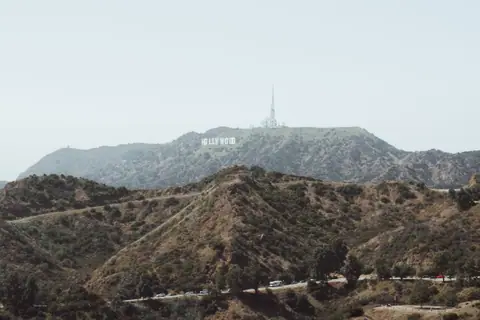 Hollywood Guide: Griffith Observatory, the Sign and the Walk of FameNavigate the Hollywood Sign, Griffith Observatory, and the Walk of Fame using verified walking details and public transit connections.
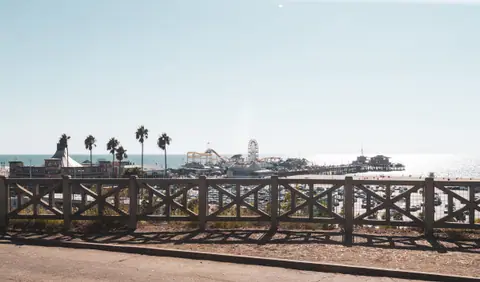 Santa Monica and Venice GuideA practical guide connecting Santa Monica Pier, the Marvin Braude Bike Trail, and the historic Venice Canals.
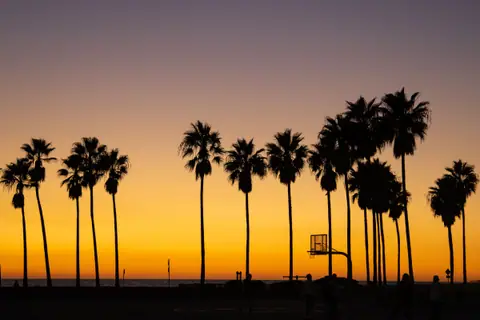 Where to Stay in Los Angeles: A Neighbourhood GuideChoose between coastal Santa Monica, central Downtown, cinematic Hollywood or leafy Pasadena for your Los Angeles base.
Getting Around & Arrival
Airport transfers, public transit, passes and driving rules.
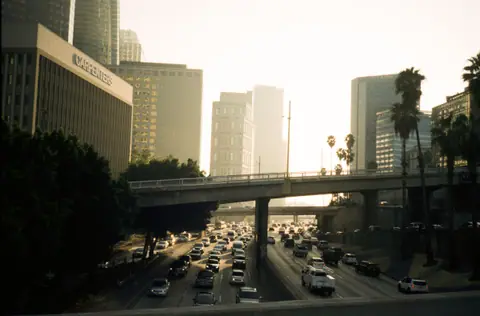
Day Trips & Excursions
Easy half-day and full-day trips from the city.
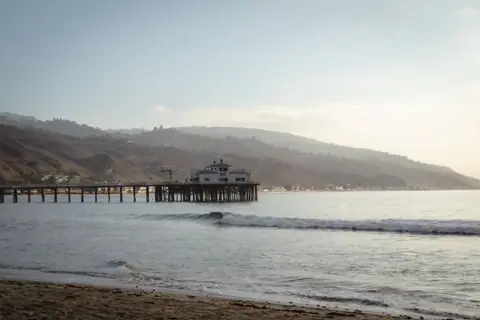
Trip Planning & Itineraries
When to visit, what to pack and day-by-day routes.
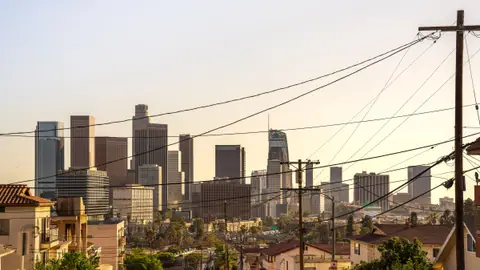 Los Angeles: What to Know Before You GoEssential advice on driving rules, public transit, visa paperwork, and local customs across Los Angeles.
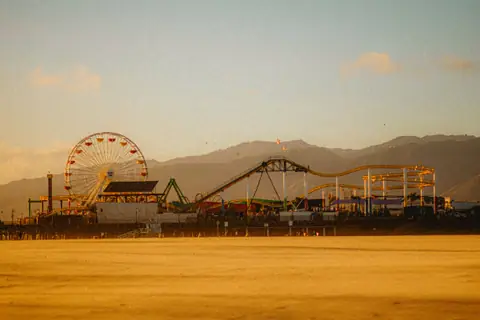 Best Time to Visit Los AngelesAutumn and spring offer the best weather for exploring Los Angeles, while summer brings high travel demand.
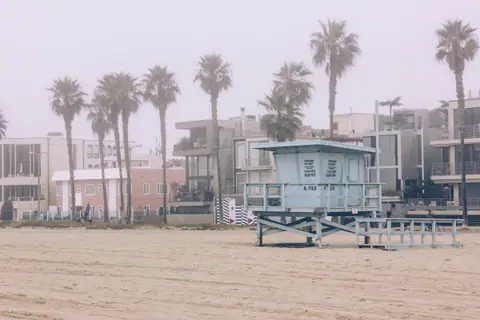 What to Wear in Los AngelesPack versatile daytime layers, dependable sun protection, and closed trail shoes to adapt to coastal breezes, inland heat, and cool California evenings.
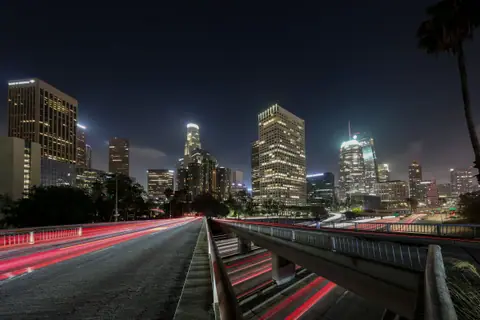 Los Angeles 3-Day ItineraryThree structured days divide Los Angeles by region to balance city landmarks, cultural centres, and Pacific coastline.
Upcoming events in and near Los Angeles
Concerts, festivals and tours with their own guide on JourneyCities. Check dates with the organiser before you book.
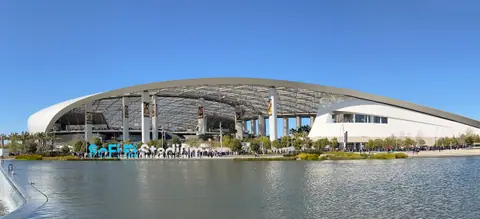 U2 at SoFi Stadium Los Angeles 2027: Dates, Metro & Tickets1 October 2027, 2 October 2027 · SoFi Stadium, Inglewood
 Robert Glasper Blue Note Los Angeles Residency 2026 Guide10 to 13 December 2026 · Blue Note Los Angeles, Los Angeles
 Interpol at BMO Stadium in Los Angeles14 May 2027 · BMO Stadium, Los Angeles
 BIGBANG at SoFi Stadium, Los AngelesMarch 13, 2027 · SoFi Stadium, Los Angeles
 JAY-Z at SoFi Stadium for Super Bowl LXI Halftime ShowSunday, February 14th, 2027 · SoFi Stadium, Los Angeles
Need your embassy or consulate in United States? See embassies and consulates in United States.
Reviews
Log in to write a review.
No reviews yet.