San Diego
San Diego brings together Pacific surf beaches, historic Spanish colonial architecture, bayside promenades, and efficient light rail across Southern California.
Quick decisions
How many days?
Plan three to four days to explore the central bayfront, museum quarters, and coastal bluffs without rushing your walks.
Where should I stay?
Base yourself in Little Italy or the Gaslamp Quarter for easy tram access, or pick Coronado for quiet coastal scenery.
Do I need a car?
Waterfront districts and Balboa Park connect well by tram and bus, though private cars help reach remote coastal reserves.
Best for
Travellers who enjoy maritime history, coastal walking trails, Spanish colonial buildings, and relaxed outdoor dining along Pacific beaches.
Before you go
Check tidal charts for reef strolls and pack layers, because coastal marine fog often cools evenings below inland temperatures.
Getting around
Ride the MTS Trolley lines and local buses using contactless payments to move smoothly between downtown terminals and older quarters.
Continue your trip
Catch the Pacific Surfliner rail heading north along the Pacific coast toward regional centres across Southern California.
Overview
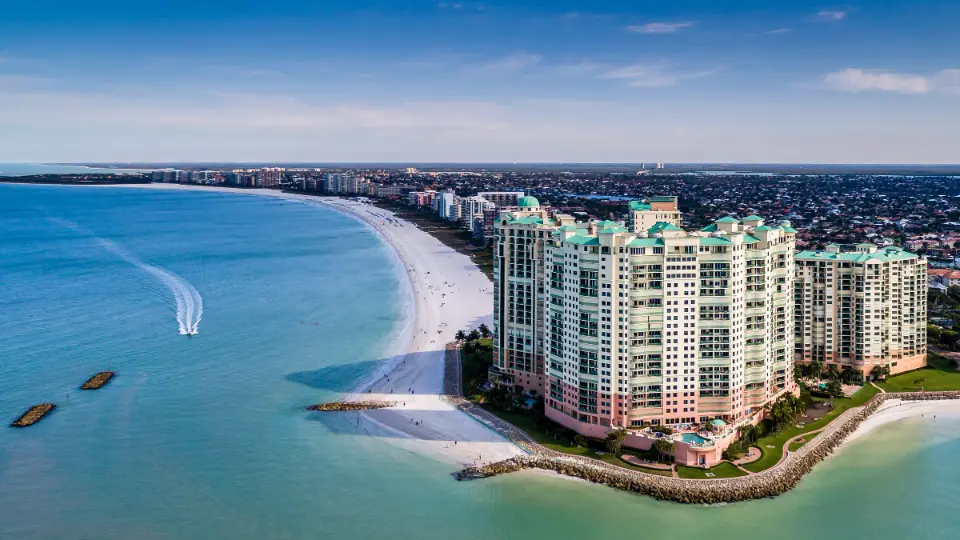
San Diego curves around a natural Pacific harbour in Southern California, pairing wide water views with rolling coastal terraces. The urban centre opens directly onto the bayfront, where historic piers, naval vessels, and paved boardwalks welcome travellers on foot. Inland, dry canyons and green mesas support extensive botanical collections and civic buildings dating from historic international expositions. Coastal cliffs drop down to sandy beaches from Point Loma to northern surf coves.
The local climate stays remarkably temperate throughout the year thanks to constant marine breezes off the Pacific Ocean. January afternoons average 17.6°C with night lows near 8.6°C, while July brings pleasant warmth averaging 24.5°C and lows of 18.2°C. Marine fog often blankets the shoreline during late spring mornings before burning off by midday. This consistent maritime climate makes outdoor exploration comfortable during every season.
Getting there
San Diego International Airport sits directly northwest of downtown along the waterfront, making arrivals quick and simple. Free shuttle buses connect airport terminals directly to the Old Town transit centre, allowing fast transfers to regional transport networks. Santa Fe Depot serves as the primary railway terminal downtown, handling regular coastal trains alongside urban light rail lines. Arriving by rail places you immediately within walking distance of central hotels.
Getting around the central core relies on the Metropolitan Transit System, known locally as the MTS Trolley. These light rail lines link downtown directly with the Mexican border, Mission Valley, and universities farther north. Local buses fill intermediate gaps across canyon neighbourhoods and beach communities. You can review practical luggage rules and route maps in our San Diego travel guide before setting out across the network.
Where to stay
Choosing where to base yourself depends heavily on your preferred pace and daily transport choices. Downtown neighbourhoods like Little Italy offer compact, walkable streets filled with outdoor patios, bakeries, and immediate access to tram stations. The Gaslamp Quarter appeals to visitors seeking historic brick architecture and lively evening dining near the convention grounds. These central districts allow you to travel easily without renting a private vehicle.
Beach communities farther west provide a noticeably different atmosphere centred on coastal paths and ocean recreation. Coronado offers wide sandy shores and quiet residential avenues just across the bay, linked to downtown by scheduled passenger ferries. La Jolla suits travellers seeking elevated ocean views and rocky coves, though buses run less frequently than downtown trams. You can study neighbourhood options across San Diego accommodation areas before booking your room.
Things to do
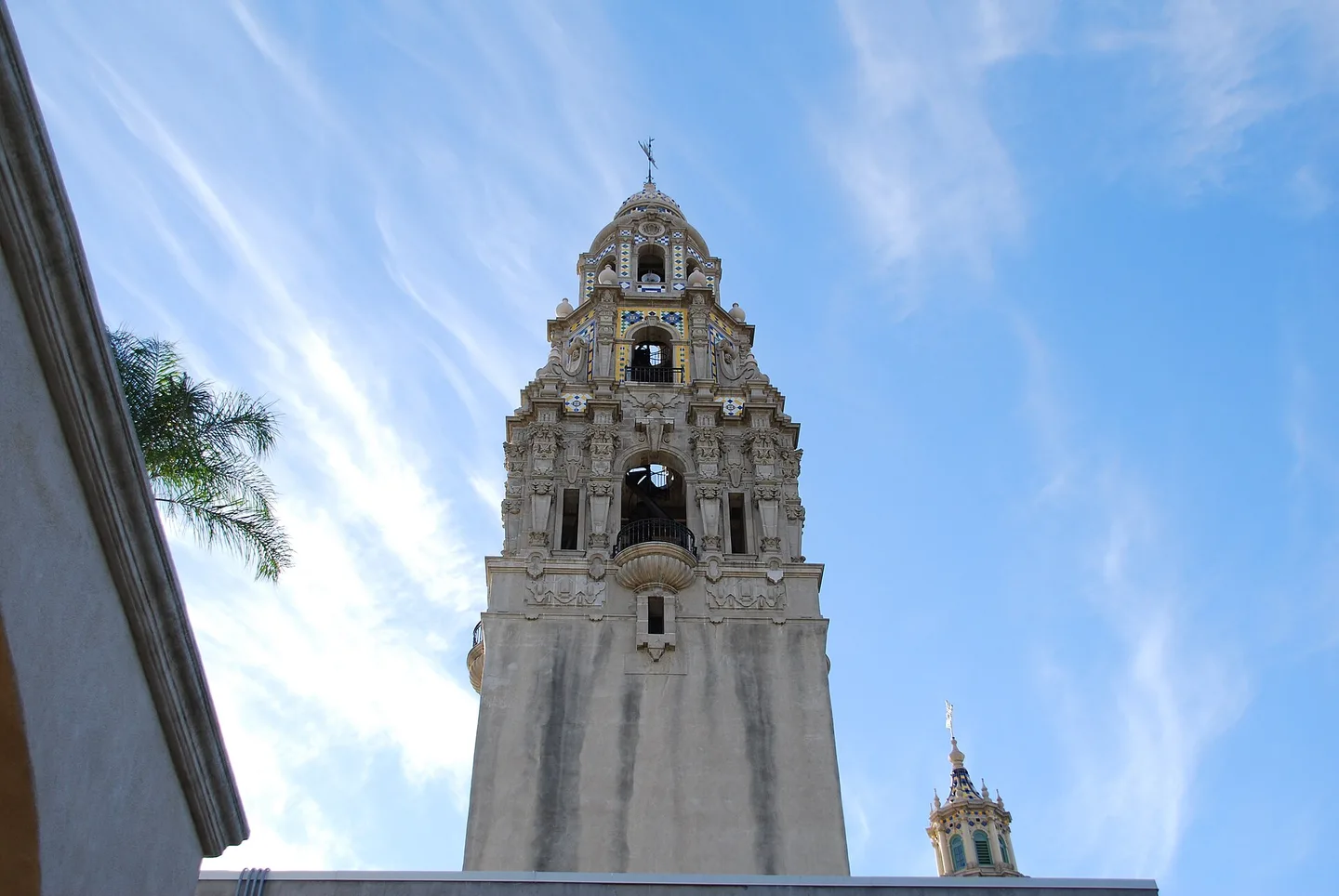
Balboa Park stands as the primary cultural anchor of the city, covering expansive green mesas crisscrossed by footpaths and gardens. Elaborate Spanish Renaissance buildings line El Prado, housing acclaimed regional museums and quiet courtyards lined with ornate ceramic tiles. The adjacent San Diego Zoo occupies several deep natural canyons filled with lush tropical foliage and rare species. Plan to spend a full morning wandering these park trails at an unhurried pace.
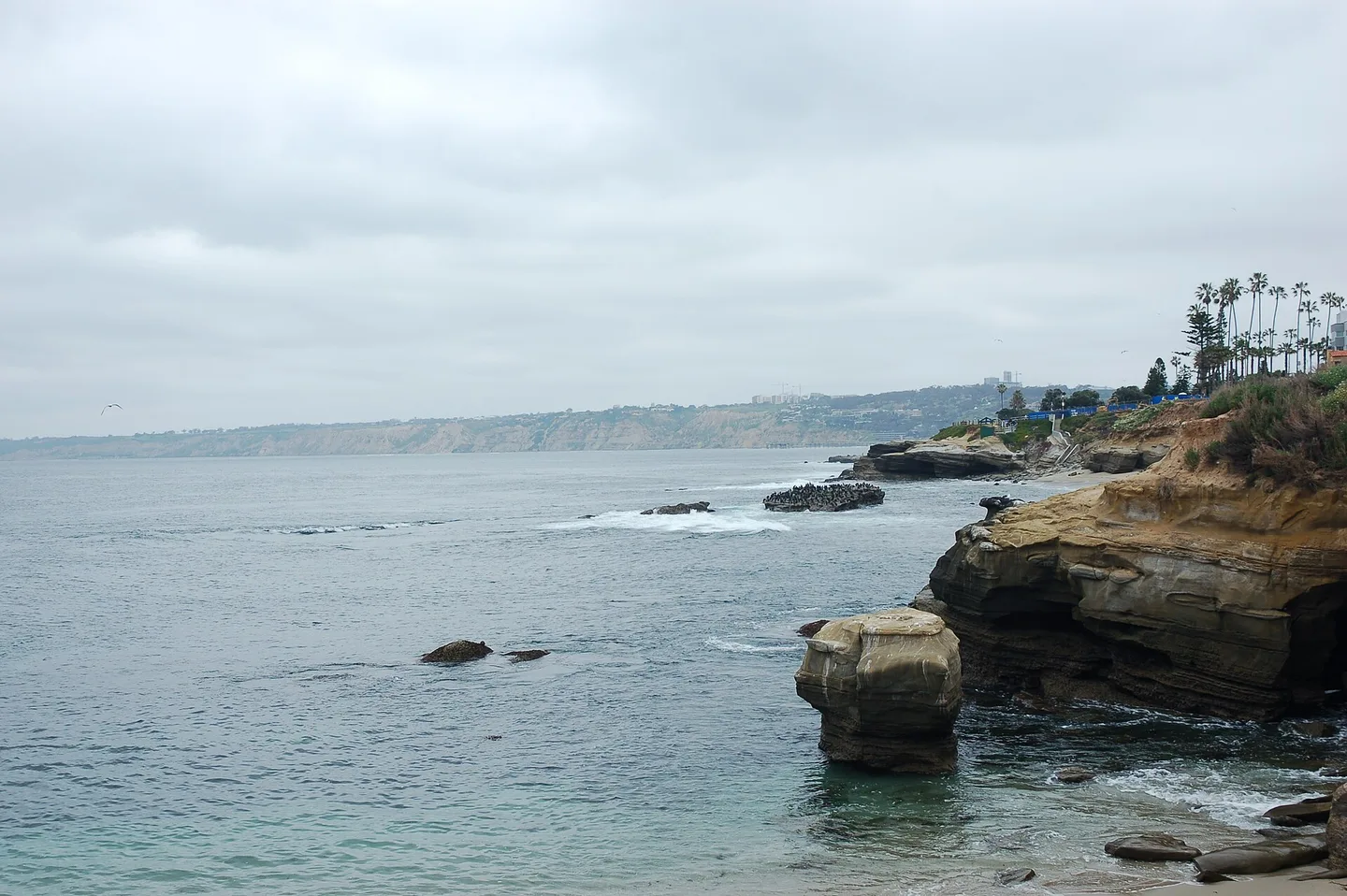
Along the bayfront, the Embarcadero reveals deep naval traditions with historic aircraft carriers, sailing ships, and maritime memorials. Farther north, the coastal cliffs of La Jolla Cove shelter wild sea lions basking along natural sandstone ledges. Walking paths follow the cliff edge past dramatic sea caves and kelp beds, offering clear ocean panoramas. Select key sights and walking circuits through our curated San Diego attraction highlights.
Food and drink
San Diego cuisine reflects deep cross-border influences and ready access to fresh Pacific seafood. Local taquerias across Barrio Logan and coastal districts serve fresh fish tacos topped with shredded cabbage, lime, and creamy sauces. Regional Cali-Mex staples also feature substantial carne asada burritos filled with grilled beef and potatoes. These casual takeaway meals remain an essential part of beachside dining culture throughout the area.

Neighbourhood dining quarters offer distinct culinary identities across different parts of town. Little Italy gathers traditional trattorias, modern pasta bars, and lively Saturday farmers markets selling regional produce and olive oil. Craft breweries flourish across urban warehouse districts and older streetcar suburbs, pouring inventive pale ales alongside wood-fired cooking. Diners usually dress casually, enjoying open-air patios warmed by evening heat lamps.
Culture
The cultural heritage of the region weaves together indigenous Kumeyaay origins, Spanish colonial missions, and prominent naval institutions. Historic sites like Old Town preserve early adobe buildings, while Barrio Logan showcases community murals under highway ramps at Chicano Park. When observing marine wildlife along coastal rocks, local laws require maintaining respectful distances from seals and nesting shorebirds. Avoid climbing fragile sandstone bluffs, which crumble easily under foot traffic.
Daily life moves to a relaxed rhythm shaped by outdoor exercise, surfing swells, and maritime schedules. Most public parks and beaches strictly ban glass containers, open wood fires, and smoking to protect natural habitats. Tipping customs follow standard North American practices, with gratuities expected for table service and taxi rides. You can plan your daily route efficiently with our recommended San Diego three-day schedule.
Official prices and opening hours
- San Diego MTS Trolley, Bus & San Diego FlyerOfficial site ↗
- San Diego Zoo (Balboa Park)Official site ↗
- USS Midway Museum (Navy Pier)Official site ↗
- Birch Aquarium at Scripps (La Jolla)Official site ↗
- Cabrillo National Monument (Point Loma)Official site ↗
Weather by month
San Diego is warmest in August, with average highs around 26°C, and coldest in January, when nights drop to about 9°C. January is the wettest month by rainfall (73 mm), with rain on about 6 days. For mild weather with fewer rainy days, aim for May, June, July, August, September and October.
| Month | Low | Range | High | Rain | Rainy days |
|---|---|---|---|---|---|
| Jan | 9°C | 18°C | 73 mm | 6 d | |
| Feb | 9°C | 18°C | 54 mm | 5 d | |
| Mar | 10°C | 18°C | 56 mm | 8 d | |
| Apr | 12°C | 20°C | 21 mm | 4 d | |
| May | 14°C | 20°C | 16 mm | 3 d | |
| Jun | 16°C | 22°C | 2 mm | 1 d | |
| Jul | 18°C | 25°C | 5 mm | 0 d | |
| Aug | 19°C | 26°C | 6 mm | 1 d | |
| Sep | 18°C | 26°C | 11 mm | 1 d | |
| Oct | 15°C | 24°C | 9 mm | 2 d | |
| Nov | 11°C | 21°C | 28 mm | 4 d | |
| Dec | 9°C | 18°C | 55 mm | 5 d |
Averages of daily values from 2015 to 2024. Rainy days are days with at least 1 mm of rain. Source: Open-Meteo · Compare destinations by month.
San Diego on the map
Every place we cover in San Diego. Tap a category or pin to explore.
In-depth San Diego guides
Browse the guides grouped by topic: sights, neighbourhoods, food, transport, day trips and trip planning.
Sights, Landmarks & Parks
Key monuments, viewpoints, museums and nature trails.
 Top Sights, Coastal Walks and Highlights in San DiegoSan Diego offers expansive bayside promenades, historic parkland, and distinct coastal districts reached easily via regional transit networks.
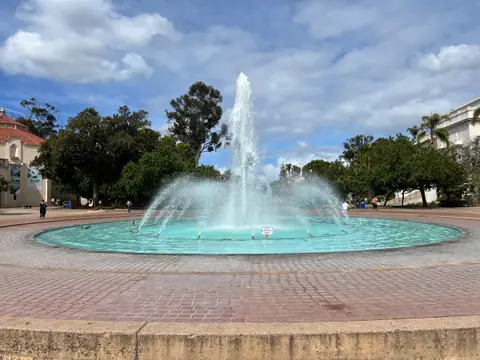
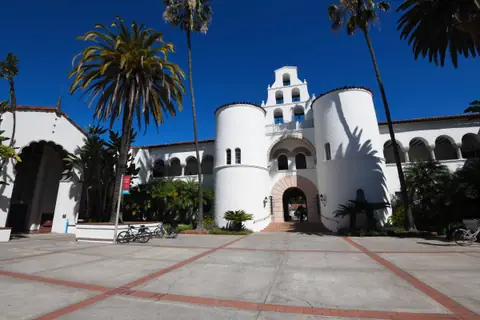 Balboa Park: El Prado Architecture, Museums, and Garden WalksBalboa Park unites ornate Spanish Colonial Revival arcades, cultural collections, and lush gardens across a central cultural reserve in San Diego.
 San Diego Zoo: Canyon Trails, Skyfari Tram and Route StrategyDeep wooded canyons, aerial tramways, and winding walking loops cross this renowned conservation park in Balboa Park for animal lovers.
 USS Midway Museum: Flight Deck Aircraft and Navy Pier ExperienceDocked along Navy Pier on San Diego Bay, the historic aircraft carrier welcomes visitors aboard to explore aviation heritage.
 La Jolla Cove and Seals: Coastal Bluffs and Children's PoolWild marine colonies, ocean headlands, and grassy verges stretch across the open shoreline of northern San Diego for coastal walks.
 La Jolla Shores and Sea Caves: Ocean Kayaking and Coastal WalksSandy bays, sandstone sea caves, and protected marine waters define the dramatic coastline running through northern San Diego.
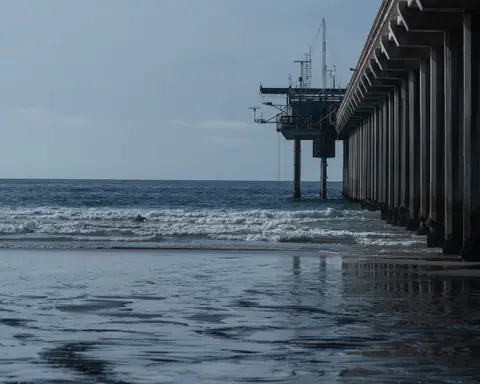 Birch Aquarium and Scripps Pier in La Jolla: Kelp Forest, Penguins and Tide PoolsGiant kelp tanks and coastal research landmarks fill Birch Aquarium at Scripps in La Jolla, offering sweeping Pacific views.
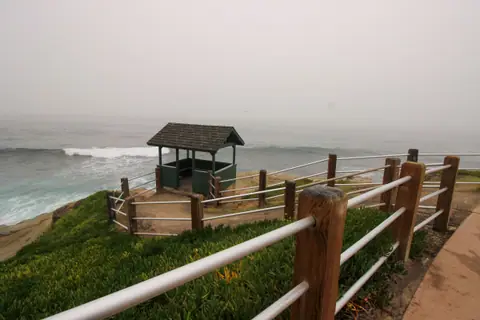 Torrey Pines State Natural Reserve: Coastal Trails, Sandstone Bluffs, and Ocean VistasTorrey Pines State Natural Reserve protects fragile coastal sandstone bluffs, rare native pine trees, and sweeping Pacific Ocean clifftop overlooks in northern San Diego.
 Cabrillo National Monument and Point Loma: Old Lighthouse, Tide Pools and Coastal ViewsPerched on the southern tip of Point Loma, Cabrillo National Monument pairs Pacific ocean horizons with historic coastal navigation landmarks.
 Sunset Cliffs and Ocean Beach: Coastal Bluffs, Pier Walks, and Bohemian ShorelinesRugged Pacific bluffs, surf culture, and independent street life shape this distinct western shoreline of San Diego.
 Mission Bay Park: Lagoons, Coastal Paths and Fiesta IslandMission Bay Park offers expansive saltwater lagoons, paved waterfront paths, and sandy inlets ideal for gentle recreation across western San Diego.
 SeaWorld San Diego: Coasters, Marine Habitats and Rescue GroundsMission Bay shores anchor SeaWorld San Diego, combining marine conservation habitats with coastal rollercoasters and transit access for families.
 Maritime Museum of San Diego: Historic Fleet and Waterfront GuideHistoric sailing vessels, steamships, and restored naval submarines moor directly along the Embarcadero waterfront of San Diego for public boarding.
 Petco Park and East Village: Padres Baseball and Gallagher SquarePetco Park sits at the centre of East Village in downtown San Diego, framing professional baseball matches alongside open community parkland.
 Barrio Logan and Chicano Park: Bridge Murals and Historic Logan AvenueMonumental bridge pillars in Barrio Logan frame community murals and creative spaces along historic Logan Avenue for visitors to explore.
 Mission San Diego de Alcalá: California's First Mission, Gardens and ArchitectureWhitewashed walls, garden courtyards, and a multi-tiered campanario define the earliest Spanish settlement in Alta California.
 San Diego Whale Watching and Harbour Cruises: Grey vs Blue Whales and Bay ToursPacific swells and calm bay waters along the Embarcadero reveal migrating marine wildlife and naval shorelines.
 San Diego Surfing and Water Sports: Breaks, Kayaking and Ocean SafetySan Diego offers temperate Pacific swells, sheltered marine reserves, and rolling beach breaks that welcome board riders and coastal paddlers alike.
Neighbourhoods & Where to Stay
Districts, historic quarters and the best bases for your stay.
 San Diego Embarcadero and Seaport Village: Waterfront Walk and PiersStretching along the sheltered bay, the Embarcadero connects grand maritime heritage ships, manicured shore parks, and waterfront pathways.
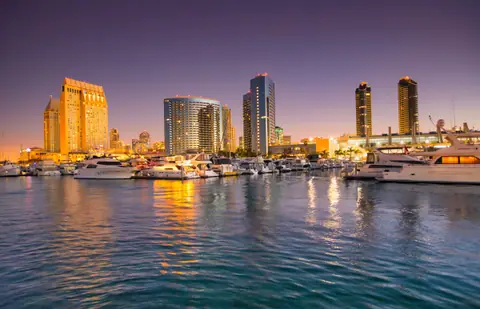 Gaslamp Quarter Guide: Victorian Streets, Dining and HeritageHistoric streets lined with Victorian facades, evening dining, and straightforward transit connections run across downtown San Diego for urban explorers.
 Little Italy San Diego: India Street Dining and Piazza SpacesSan Diego's northern quarter invites walkers to experience India Street trattorias, coastal public piazzas, and quiet residential gardens.
 Old Town San Diego: Adobe Plaza and Historic HeritageHistoric adobe buildings, shaded museum courtyards, and Victorian houses surround the central plaza of Old Town San Diego for curious pedestrians.
 Coronado Island and Beach: Hotel del Coronado, Ferry Landing and Silver StrandCoronado Island offers broad Pacific beaches, historic coastal architecture, waterfront cycle paths, and views across San Diego Bay.
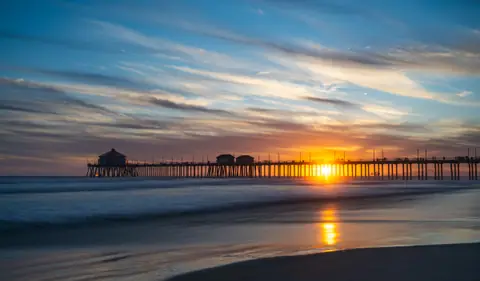 Mission Beach and Belmont Park: Coaster Thrills, Plunge Pool, and Ocean BoardwalkMission Beach and historic Belmont Park balance wooden coaster rides with calm bay walks and oceanfront boardwalks in sunny Southern California.
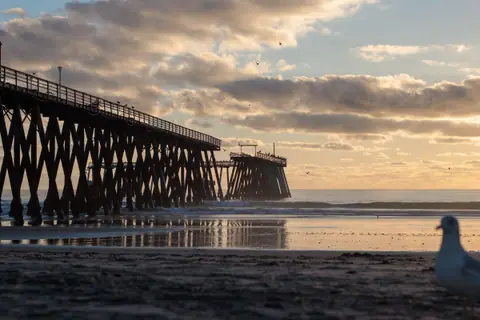 Pacific Beach in San Diego: Crystal Pier, Surfing and Oceanfront TrailsPacific Beach stretches along golden coastal bluffs, combining oceanfront walking trails, wooden pier views, and relaxed surf breaks across western San Diego.
 North Park and Hillcrest: Uptown San Diego Walking GuideUptown San Diego connects North Park and Hillcrest to navigate independent breweries, neighbourhood coffee shops, and tree-lined avenues.
 Del Mar and Solana Beach: Cedros Design District, Annie's Canyon and Seagrove ParkDel Mar and Solana Beach combine quiet sandstone bluffs, coastal lagoons, and artisan shopping quarters along northern San Diego's coastline.
 Encinitas and North County Surf Towns: Highway 101, Swami's and Moonlight BeachEncinitas anchors northern San Diego County with classic point breaks, wide family sands, cliffside gardens, and relaxed Highway 101 seaside cafes.
 Where to Stay in San Diego: Top Areas for Sightseeing and CoastlineChoosing the right base in San Diego balances coastal recreation, easy trolley access, and manageable parking rules across distinct seaside communities.
Food & Drink
Local dishes, markets, cafés and dining districts.
 Liberty Station and Point Loma Harbour: Food Hall, Arts and Shelter IslandNaval architecture, artisan food halls, and serene waterfront promenades span across Liberty Station, Point Loma, and Shelter Island for daily visitors.
 San Diego Cali-Mex Food and Craft Beer Guide: Burritos, Fish Tacos and HopsSan Diego pairs fresh Baja-style seafood tacos and hearty California burritos with aromatic West Coast India pale ales across distinct coastal districts.
Getting Around & Arrival
Airport transfers, public transit, passes and driving rules.
 Arriving in San Diego: Airport Transfers, Coastal Rail and Border TerminalsArriving in coastal Southern California connects direct airport links, scenic Pacific rail corridors, and convenient light rail connections across regional hubs.
 Getting Around San Diego: MTS Trolley, PRONTO System and Coastal TransitNavigating San Diego relies on the bright red MTS Trolley, the PRONTO card system, and regional coastal rail networks.
Day Trips & Excursions
Easy half-day and full-day trips from the city.
 San Diego Zoo Safari Park in Escondido: Savanna Herds, Trams, and Walking TrailsSet across inland hills, the reserve features open-range habitats where African and Asian wildlife roam expansive valley plains.
 Anza-Borrego Desert and Julian Day Trip: Galleta Meadows Sculptures, Apple Pie and Slot CanyonsWe climb east from San Diego through historic Julian gold-mining country before descending into the vast desert basin of Anza-Borrego.
 Day Trips from San Diego: Tijuana, Wine Valleys and CoastlinesExcursions beyond San Diego cross Mexican borders, inland wine trails, and Pacific shores via clear transit routes and dependable roads.
Trip Planning & Itineraries
When to visit, what to pack and day-by-day routes.
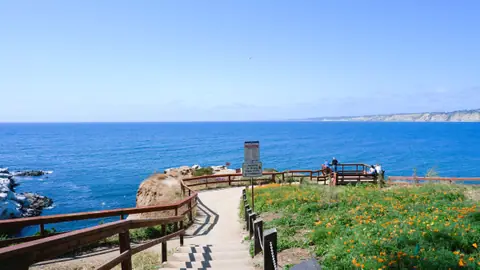 San Diego Coastal Distances, Bay Walks, and Urban TransitSan Diego pairs open Pacific shores with straightforward urban routes, linking historic waterfront precincts to sprawling cultural grounds with light rail and clear pedestrian paths.
 San Diego Seasonal Weather Guide: Coastal Temperatures and Marine Layer RealitiesPacific seasonal shifts, cloud cover patterns, and ocean conditions across coastal trails and harbours shape travel planning throughout the year.
 What to Wear in San Diego: Microclimates, Coastal Layers and PackingPack versatile light layers, sturdy shoes, and coastal wind protection to stay comfortable across differing neighbourhood microclimates throughout the sunny day.
 San Diego 3-Day Route: Balboa Park, Harbour Bayfront, La Jolla and CoronadoWe map a practical three-day route through San Diego, connecting cultural gardens, historic harbour piers, rugged coastal coves, and Pacific island sands.
Upcoming events in and near San Diego
Concerts, festivals and tours with their own guide on JourneyCities. Check dates with the organiser before you book.

Need your embassy or consulate in United States? See embassies and consulates in United States.
Reviews
Log in to write a review.
No reviews yet.