
San Diego Zoo Safari Park in Escondido: Savanna Herds, Trams, and Walking Trails
Set across inland hills, the reserve features open-range habitats where African and Asian wildlife roam expansive valley plains.
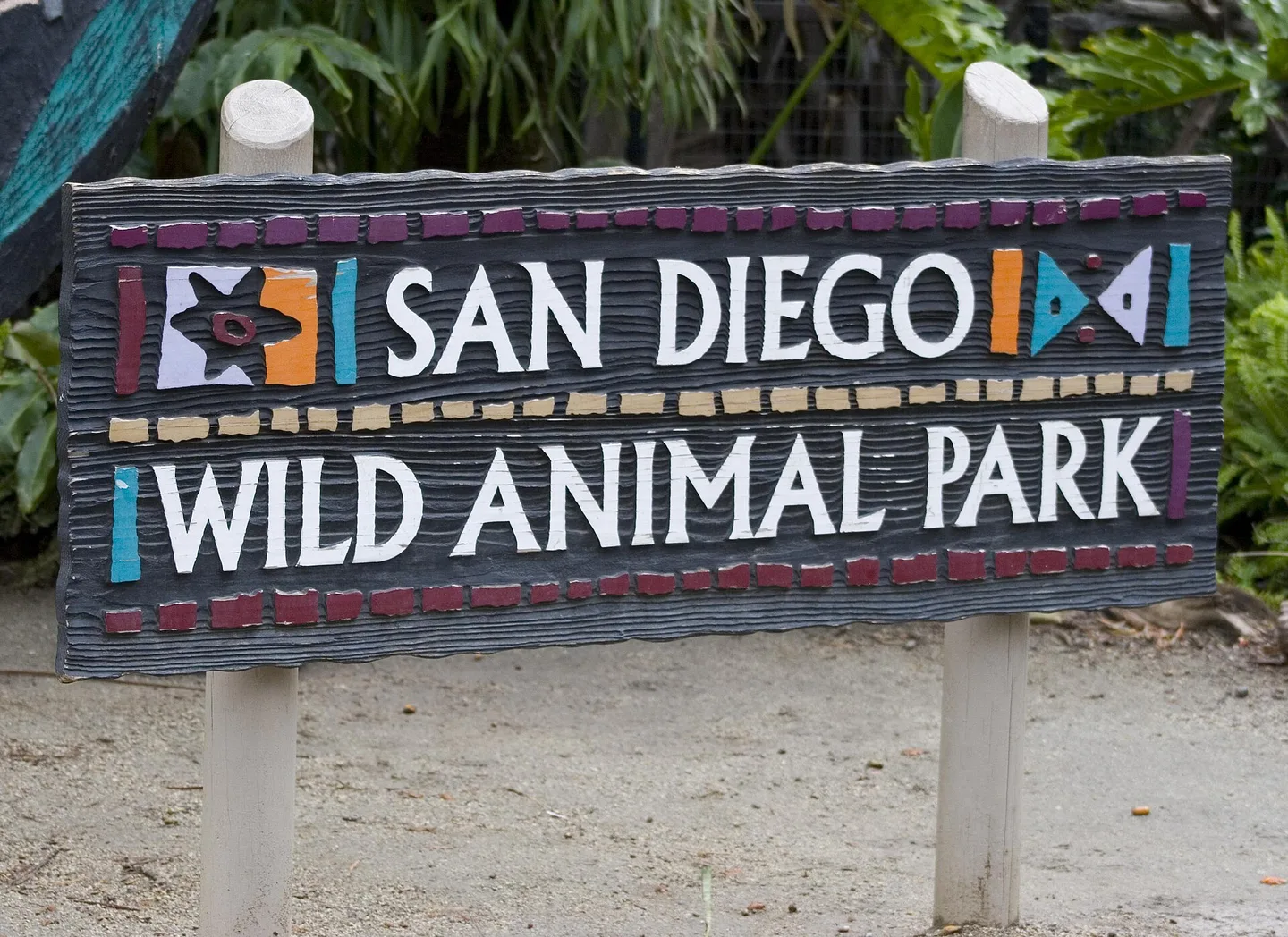
Spanning dry ridges and sunlit scrub in Escondido, the San Diego Zoo Safari Park offers an encounter distinct from urban zoological gardens. The site focuses on vast open-range enclosures where mixed herds wander over grassy hillsides rather than confined pens. Because the inland valley sits north of the coast, morning mist frequently burns off to leave clear, warm skies across the plains. The spacious terrain makes outdoor footwear and sun hats particularly valuable for extended exploring across the valley slopes.
Walking inside reveals how carefully the grounds merge regional chaparral with recreated African and Asian ecosystems. Wide asphalt avenues guide visitors past native sycamores, flowering aloes, and planted acacia groves that mimic dry tropical savannas. Travellers who enjoy cultural strolls around Balboa Park will find this inland setting far more rugged, requiring water bottles and broad sun protection along sunlit terraces.
Riding the Africa Tram and Spotting Mixed Savanna Herds
The open-air Africa Tram circles the perimeter of the field exhibits, giving riders sweeping views over several distinct savanna habitats. From your seat, you can watch herds of rhinos grazing alongside giraffes, gazelles, and varied African waterfowl. Natural moats and subtle topography separate predator species from grazing animals without obstructing distant panoramic views across the valley floor. Guides on board share feeding habits, social structures, and breeding programmes for rare species cared for across the expansive valley reserve.
Boarding early in the day is wise, as animals tend to be far more active during cooler morning hours. As midday warmth settles over the basin, many species retreat toward shade trees or gather near natural watering holes. Photographers will appreciate having a telephoto lens handy, because the expansive habitats deliberately keep human pathways back from resting wildlife.
On Foot Along Walkabout Australia and the Canyon Trails
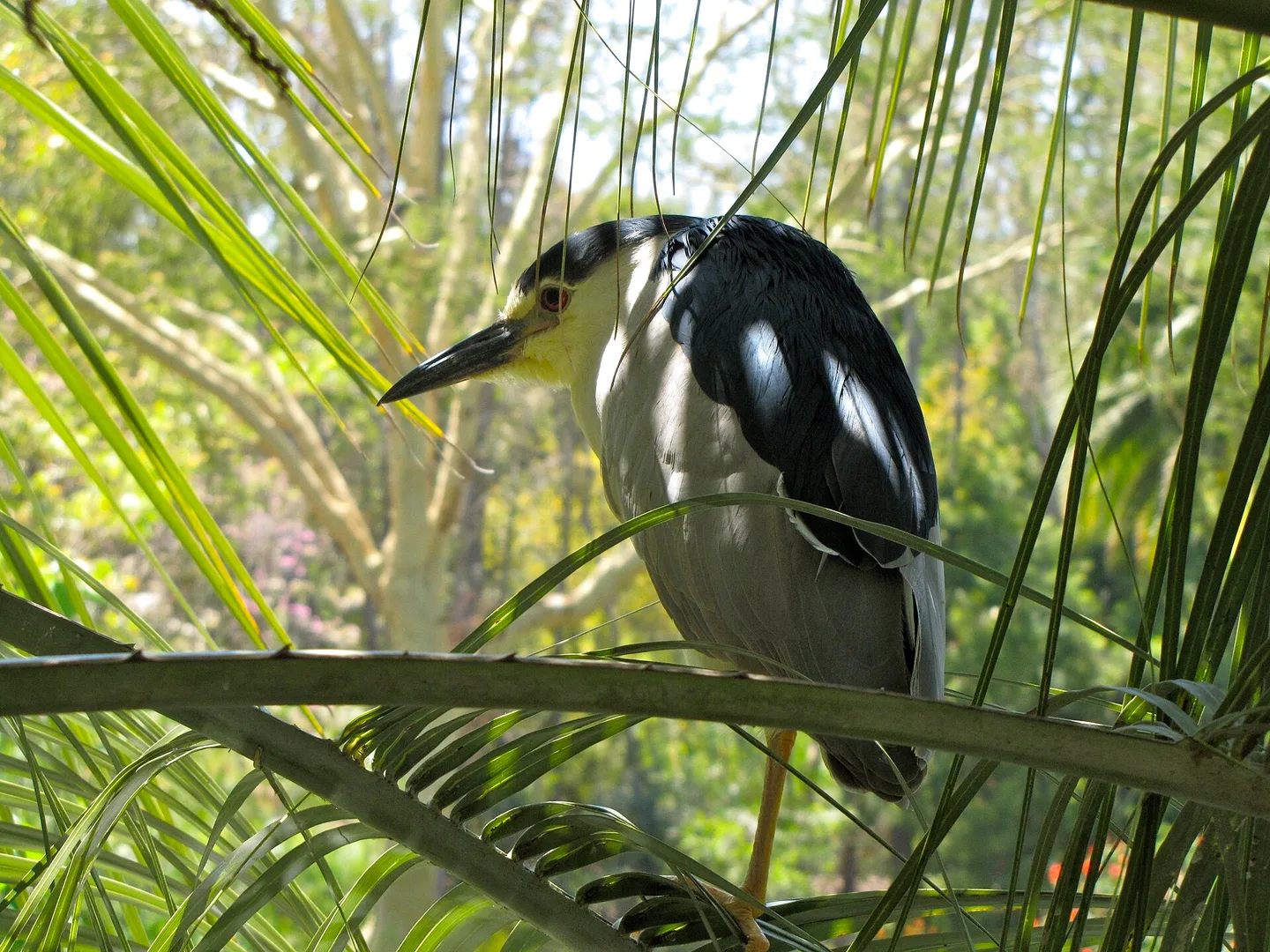
Beyond the tram circuits, extensive walking paths lead visitors through immersive regional zones designed for quiet wandering. Shaded wooden viewing shelters and elevated boardwalk decks allow close looks at bird colonies, wetlands, and dry-climate mammals tucked among boulder outcrops. The pathways feature distinct habitats with varied terrain:
- Walkabout Australia features winding paths through native eucalyptus where kangaroos and wallabies rest near open borders.
- Tiger Trail descends into a lush bamboo ravine with glass viewpoints looking directly into shaded forest pools.
- Condor Ridge climbs upward through coastal sage scrub, showcasing regional conservation projects along rocky bluffs.
- World Gardens displays thousands of drought-tolerant succulents, aloes, and arid plants flourishing along sunlit ridges.
These pedestrian routes involve notable elevation shifts that can tire younger children or visitors with limited mobility. Fortunately, benches and shaded rest gazebos appear at regular intervals along the steeper canyon ascents. Exploring these trails gives a closer look at birds, small primates, and desert flora that tram tours bypass entirely.
| Park Zone | Primary Habitat Focus | Terrain Character | Highlight Experience |
|---|---|---|---|
| Africa Tram Loop | Open savanna plains | Seated tram circuit | Mixed herds of rhinos, giraffes, and antelope |
| Tiger Trail | Sumatran forest ravine | Shaded paved paths and steps | Glass underwater viewing along rocky stream pools |
| Walkabout Australia | Eucalyptus woodland | Gentle winding paths | Free-roaming kangaroos and wallabies in shaded pastures |
| Condor Ridge | California sagebrush bluffs | Steady uphill slope | High desert aviaries overlooking the valley ridges |
Transit Connections, Inland Driving, and Day Planning
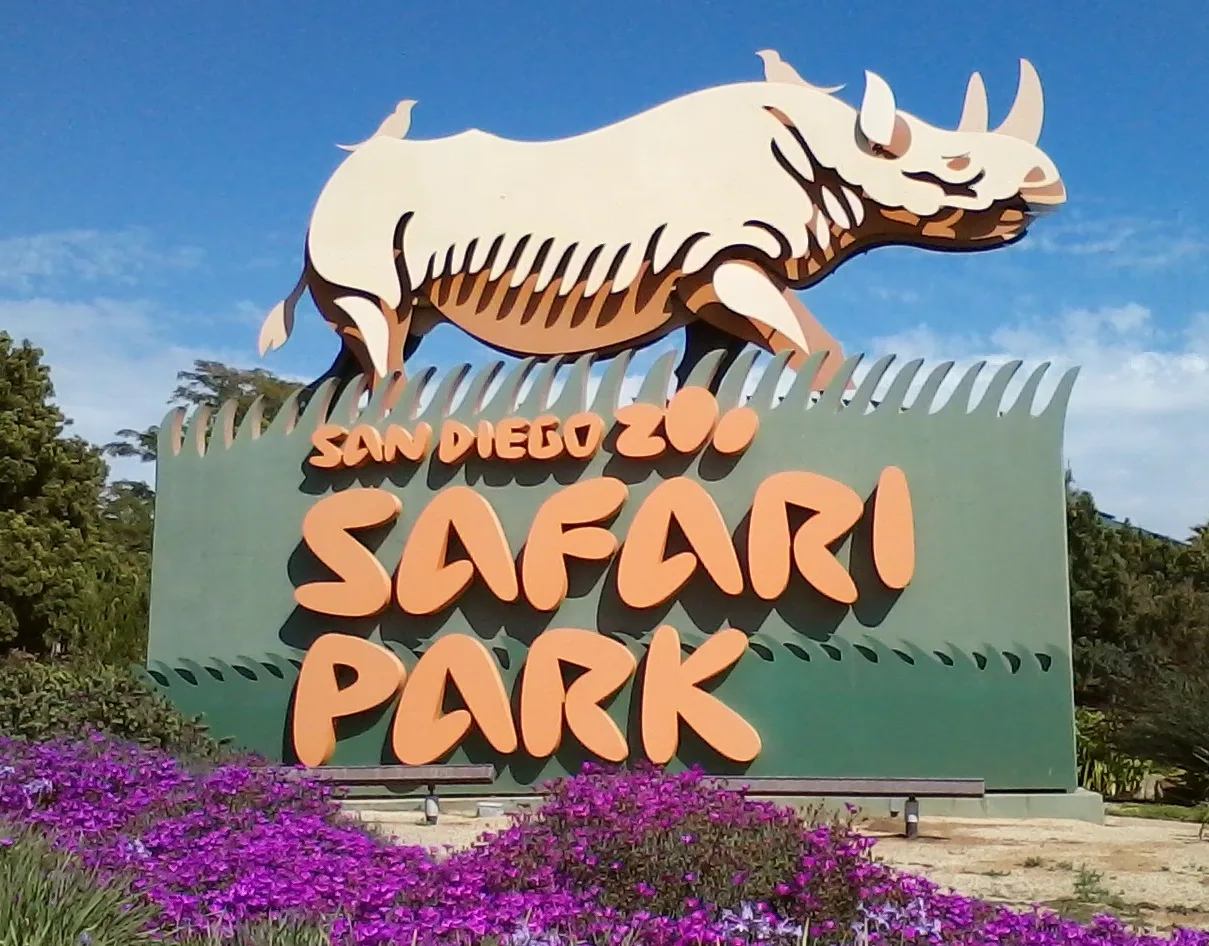
Reaching the park from central districts requires a journey into northern inland San Diego County. Drivers follow Interstate 15 north toward Escondido before turning east onto Via Rancho Parkway and San Pasqual Valley Road. Checking county transit corridors across San Diego clarifies highway links and regional connections, as weekday morning traffic often builds along the main inland freeway.
Visitors without a personal vehicle can use regional buses from the Escondido Transit Centre, though services run less frequently on weekends and bank holidays. Confirm seasonal entry schedules and tram ticket options directly on the official San Diego Zoo Wildlife Alliance website before setting off northward. Packing sturdy shoes, sunscreen, and a lightweight hat helps visitors handle open valley paths comfortably. After returning to the city centre, selecting comfortable San Diego hotel locations offers a restful base before tackling coastal sights. Incorporating this excursion into a broader three-day San Diego itinerary balances inland wildlands with scenic seaside promenades.
Official prices and opening hours
- San Diego Zoo (Balboa Park)Official site ↗
Where it is
- 1San Diego Zoo Safari Park in Escondido
- San Diego International Airport (SAN) · about 44 km from here in a straight line
- Directions in Google Maps
Stations and taxi ranks: OpenStreetMap. Airports: OurAirports. Distances are in a straight line.
Traveller tips
Real advice from people who have been to San Diego. Every tip is read by our team before it goes live.
No tips yet. Been here? Yours could be the first.
Thank you! Your tip will appear here after a quick review.
More in San Diego
Continue exploring San Diego with related neighbourhood, food, and planning guides

San Diego Embarcadero and Seaport Village: Waterfront Walk and Piers
San Diego, United States

Gaslamp Quarter Guide: Victorian Streets, Dining and Heritage
San Diego, United States

Little Italy San Diego: India Street Dining and Piazza Spaces
San Diego, United States

Old Town San Diego: Adobe Plaza and Historic Heritage
San Diego, United States
