San Diego Surfing and Water Sports: Breaks, Kayaking and Ocean Safety
San Diego offers temperate Pacific swells, sheltered marine reserves, and rolling beach breaks that welcome board riders and coastal paddlers alike.
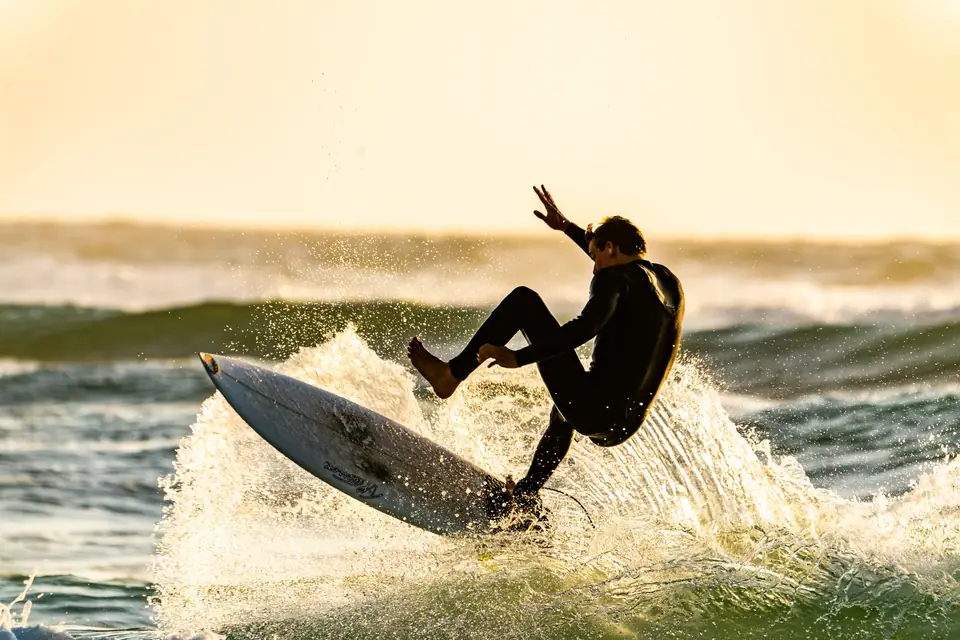
San Diego boasts miles of open Pacific shoreline, where sweeping sandbars and headlands shape waves for every level of ocean visitor. Beginners find ideal conditions along wide sandy strands, where long foam surfboards supply stability and buoyancy across rolling white water. Moving out past the shore break requires steady paddling, good balance, and continuous observation of incoming ocean sets.
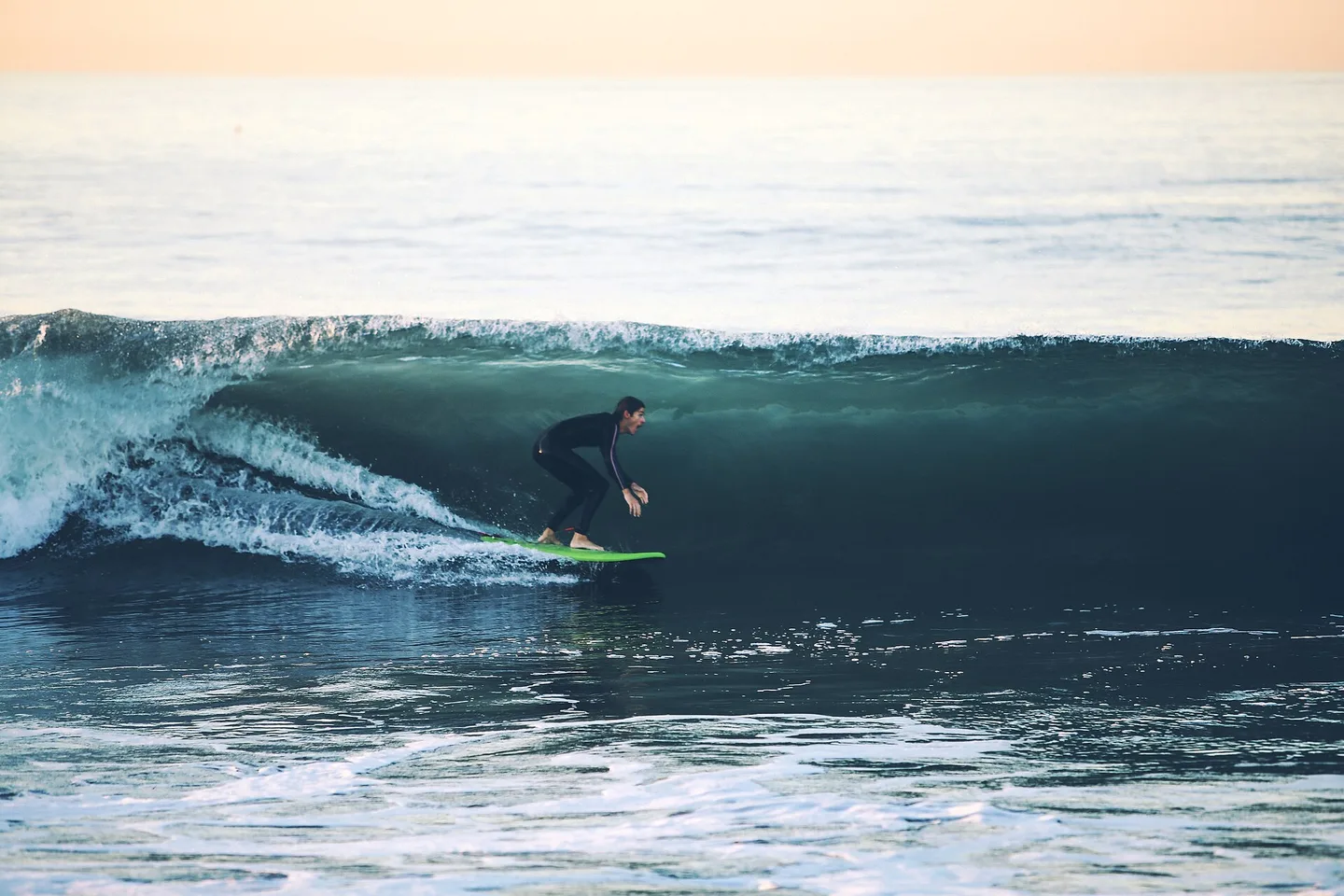
Gentle gradients along popular public beaches create forgiving surf zones that break over soft sand rather than sharp reef shelves. Novices who practice their pop-up movement on dry sand first develop the muscle memory needed to stand smoothly on rolling swells. Early mornings often bring glassy water conditions before midday onshore breezes chop up the ocean surface. Lifeguard towers watch over designated board riding areas, keeping swimmers and surfers safely separated along the shoreline.
Gentle Beach Breaks and Board Selection
Choosing the correct equipment makes an enormous difference when learning to catch Pacific waves along this sunlit coastline. Soft-top foam surfboards offer thick volume, helping new riders catch rolling swells well before waves steepen into fast walls. Hard fiberglass shortboards require steep drops and sharp turns, making them frustrating for anyone still perfecting basic ocean balance.
- Thick foam longboards yield steady balance and simple wave entry across soft whitewash.
- Neoprene fullsuits keep riders warm in cool Pacific currents throughout spring and winter swells.
- Urethane leg leashes prevent boards from washing into shore and drifting into other water users.
- Soft surf wax applied along the deck gives feet firm traction during sudden pop-up maneuvers.
Standing upright requires planting both feet across the stringer centerline while keeping knees flexed to absorb wave bumps. Keeping your eyes focused toward the shoreline helps stabilize your head, preventing awkward wobbles into the sea. Beginners should always check local beach advisory flags to locate zones reserved exclusively for board riding.
La Jolla Ecological Reserve and Kayak Navigation
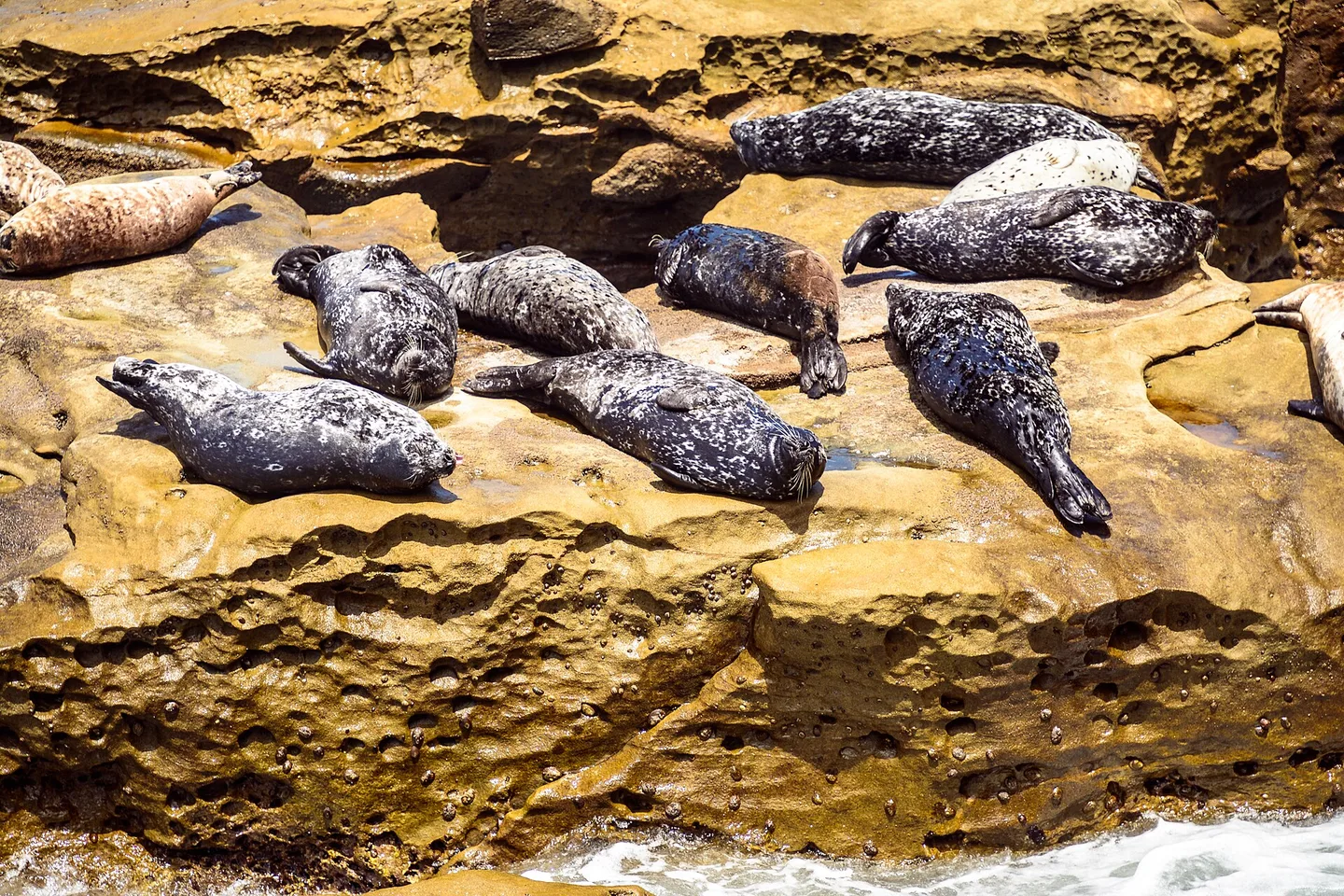
Protected marine waters near coastal cliffs shelter a diverse underwater habitat that draws sea kayakers and stand-up paddleboarders. Paddling across calm bays lets visitors glide above leopard sharks, bright orange garibaldi fish, and harbour seals resting on rocky perches. Guided kayak groups frequently head toward natural sea caves carved deep into sandstone bluffs over countless centuries.
Entering sandstone sea caves depends entirely on daily tide heights and ocean surge, as narrow chambers can trap water craft. Kayakers must wear certified life vests and maintain safe distances from wild marine mammals lounging on coastal outcrops. Touching or feeding protected wildlife is strictly prohibited under marine reserve regulations. Launching through the small boat launch requires timing sets carefully between breaking waves to avoid capsizing in shallow surf.
Stingray Safety, Rip Currents, and Ocean Etiquette
Shallow warm waters along sandy beaches serve as feeding grounds for round stingrays that bury themselves beneath the surface layer. Shuffling your feet along the seabed kicks up sand grains and vibrations, scaring these gentle bottom feeders away harmlessly. Stepping down hard directly onto a buried stingray triggers its defensive tail spine, causing an intense puncture sting.
| Ocean Hazard | Primary Risk | Recommended Safety Action |
|---|---|---|
| Buried Stingrays | Painful barbed puncture on foot | Shuffle feet through sandy shallows. |
| Rip Currents | Rapid seaward drift past break | Swim parallel to shore calmly. |
| Loose Surfboards | Collisions with nearby swimmers | Wear a secure ankle leash always. |
| Lineup Crowds | Crossing surf paths on open faces | Yield to the rider closest to curl. |
Rip currents form when accumulated water escapes back out to sea through deeper channels carved between shallow sandbars. Swimmers caught in these seaward channels should remain calm and swim parallel to the beach rather than fighting the offshore pull. Respecting surf lineup priority avoids dangerous board collisions, giving the rider closest to the breaking curl exclusive wave right-of-way.
Coastal Transit Links and Waterfront Shore Access
Reaching the coastline without personal transport is simple thanks to regional bus services and coastal trolley connections. Commuters carrying boards can check getting around San Diego for connecting MTS bus lines that terminate right along popular seaside promenades. Planning coastal adventures alongside a structured 3-day itinerary helps balance morning surf lessons with afternoon museum visits.
Visitors deciding between oceanfront cottages and central city hotels can review San Diego hotel locations to stay near favourite breaks. Packing reusable water flasks, mineral sunscreen, and dry changes of clothing keeps shoreline excursions comfortable through long afternoons under open skies. Always consult on-duty lifeguards for current water temperatures and daily shore conditions before paddling past the breakers.
Official prices and opening hours
- San Diego MTS Trolley, Bus & San Diego FlyerOfficial site ↗
Where it is
- 1San Diego Surfing and Water Sports
- San Diego International Airport (SAN) · about 7 km from here in a straight line
- Directions in Google Maps
Stations and taxi ranks: OpenStreetMap. Airports: OurAirports. Distances are in a straight line.
Traveller tips
Real advice from people who have been to San Diego. Every tip is read by our team before it goes live.
No tips yet. Been here? Yours could be the first.
Thank you! Your tip will appear here after a quick review.
More in San Diego
Continue exploring San Diego with related neighbourhood, food, and planning guides
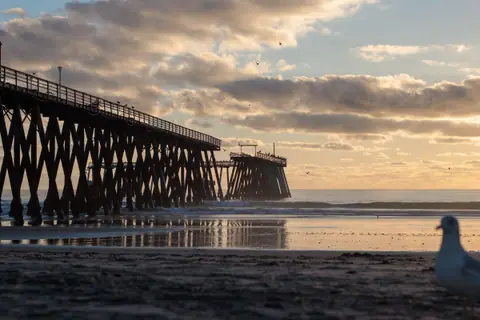
Pacific Beach in San Diego: Crystal Pier, Surfing and Oceanfront Trails
San Diego, United States
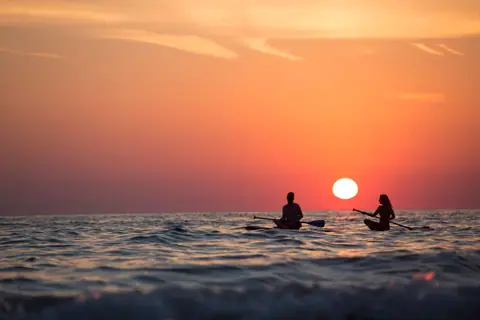
Mission Bay Park: Lagoons, Coastal Paths and Fiesta Island
San Diego, United States
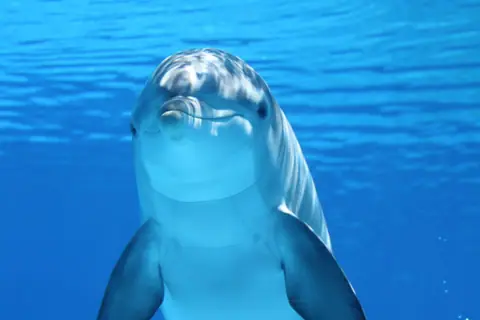
SeaWorld San Diego: Coasters, Marine Habitats and Rescue Grounds
San Diego, United States

Maritime Museum of San Diego: Historic Fleet and Waterfront Guide
San Diego, United States
