What to Wear in Los Angeles
Pack versatile daytime layers, dependable sun protection, and closed trail shoes to adapt to coastal breezes, inland heat, and cool California evenings.
Pack flexible daytime layers, dependable sun protection, and closed walking footwear to manage ocean breezes, direct sunlight, and cool evenings across Los Angeles.
Understanding local geography helps you select suitable garments each morning. Southern California features pleasant daylight conditions, combining warm hours, minimal humidity, and abundant sunshine year-round. Average daytime temperatures range from the low 70s°F (20s°C) during cooler periods to the low 80s°F (upper 20s°C) during summer. Coastal districts benefit from steady breezes sweeping off the Pacific Ocean. Inland neighbourhoods become noticeably hotter under open skies. Evenings can be cooler throughout the wider region once dusk arrives. Dressing appropriately for the weather ensures comfortable transit across varied metropolitan districts.
Much of California has a Mediterranean-like climate featuring warm, dry summers and mild, wet winters. The stretch from June through August draws the biggest crowds and high-season rates at lodgings and resorts. Springtime between March and early May provides comfortable, fresh temperatures across most districts. During spring, hillsides are blanketed with lush green grass and colourful wildflowers. Autumn running from September through November brings mild weather across the state. Packing modular garments helps you adapt effortlessly to these changing seasonal conditions.
Dressing for Coastal Breezes and Pacific Beaches
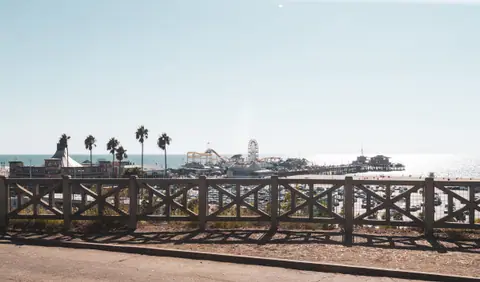
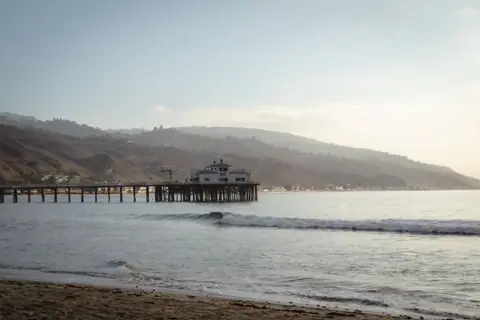
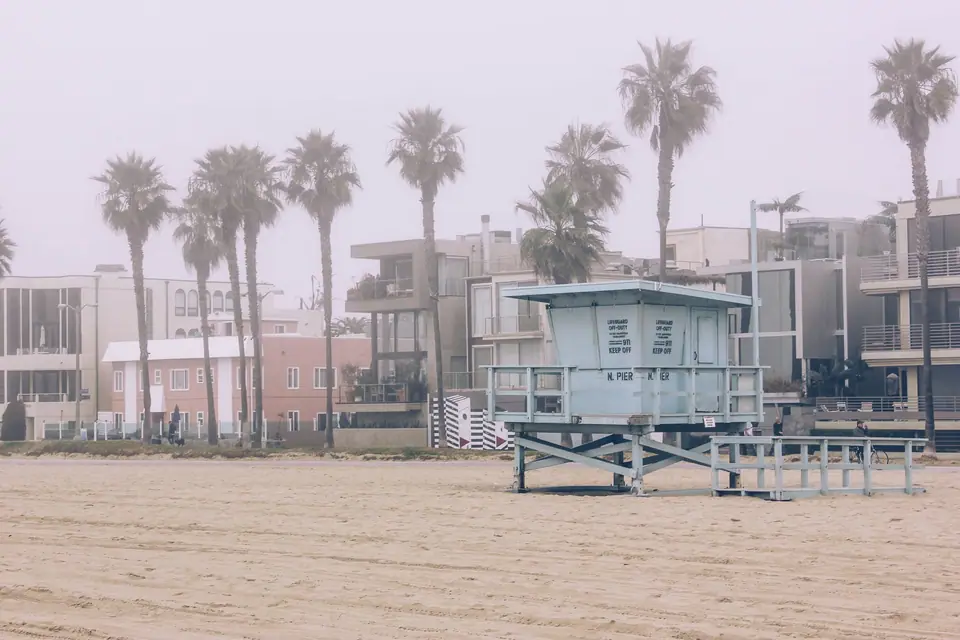
Along the coast, average daily high temperatures hover around 70 degrees and higher. During the hottest summer days, shoreline readings occasionally spike to 80 degrees or more. Freezing temperatures are rare along the coast even during winter months. Moving Pacific air keeps seaside communities several degrees cooler than interior valleys. Before setting out towards the ocean, explore the Santa Monica and Venice Guide to tailor clothing choices to shoreline conditions.
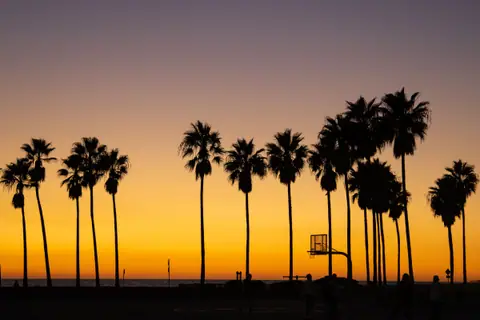
Venice features a lively, open-air pedestrian environment. Visitors along the boardwalk observe belly dancers, palm readers, street performers, artists, vendors, and bikini-clad roller skaters. Bodybuilders train nearby in the workout pit at legendary Muscle Beach, where athletes bulked up over past decades. Lightweight casual outfits, breathable cotton t-shirts, relaxed shorts, and supportive walking shoes suit these beachside pavements. Stash a compact windbreaker or cotton knit in your daypack, as late afternoon breezes cool exposed skin rapidly.
Sun protection is vital beside the shoreline because open water and pale sand reflect intense rays. Visitors are encouraged to stay hydrated, wear sunscreen, and check weather conditions when organising outdoor activities. Wide-brimmed hats and polarized sunglasses shield your face on long, unshaded boardwalk strolls. If you plan to remain outdoors past twilight, lightweight trousers prevent sudden chills as marine air cools the shoreline.
Footwear for beach paths requires thoughtful planning. While slip-on sandals feel comfortable on sandy shores, paved ocean paths reward shoes with shock-absorbing soles. Bicycles, skateboards, and moving crowds require agile walking shoes. Pack breathable cotton socks to prevent chafing after long seaside strolls. Light canvas plimsolls or flexible trainers let you explore piers, beachfront promenades, and casual cafes without changing your footwear.
Layering for Urban Exploration and Inland Warmth
Travelling inland away from ocean breezes alters outdoor conditions dramatically. Farther inland, summers are hot and dry, whereas winters are cool and wet. Inland winter mornings can occasionally turn cold enough to freeze puddles on the ground, though rarely colder. Wearing breathable base garments beneath light outerwear lets you manage sharp temperature contrasts through the day. Consult our overview of things to do to plan sensible outfits across varied metropolitan districts.
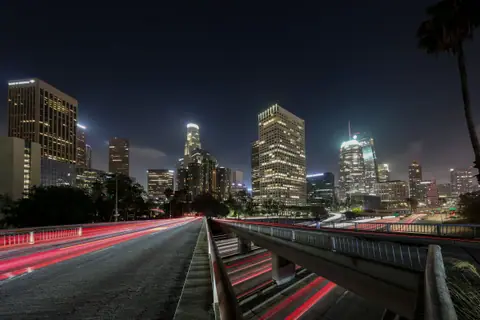
City exploration involves moving between sunlit pavements and air-conditioned interiors. Breathable linen shirts, light trousers, cotton skirts, and cushioned trainers provide reliable comfort on hard concrete avenues. High-capacity cooling systems run continuously inside museums, shopping galleries, and subway carriages. Carrying a lightweight zip jacket or neat wool cardigan prevents sudden shivers when stepping indoors from hot pavements.
Extreme temperatures impose heavy strain on human physical systems. High thermal exposure can severely impact the body, leading directly to heat-related illnesses or aggravating chronic conditions. Infants and young children face elevated dangers from heat illness because their systems cannot adjust as quickly as adults. Elderly travellers with pre-existing disorders, mobility limitations, or specific medications must take extra precautions against heat distress. Expectant mothers and individuals managing long-term health concerns face higher medical vulnerabilities under extreme temperatures. Choose pale, loose linen clothing and sip fluids frequently.
Metropolitan style leans casual yet deliberate. Tailored chinos or dark denim trousers pair naturally with collared shirts for daytime museum visits. Comfortable walking flats or leather trainers allow seamless movement from public transit stations into lively cultural venues. Stash a small tote bag to carry light layers as afternoon heat transitions towards cooler twilight hours.
Footwear and Attire for Griffith Park and Mountain Trails
Escaping into the hillside ridges requires dependable trail clothing and rugged footwear. Perched prominently above Hollywood, the landmark Griffith Observatory stands along Mount Hollywood's southern slopes. Admission to Griffith Observatory is free for all visitors. Personal photography is permitted inside and outside the historic building, though food and drinks are not permitted indoors. Mobile phones often struggle to get a clear signal near the Observatory, so prepare meeting points beforehand.
Strict regulations protect the natural hillside chaparral. Smoking of any kind, including e-cigarettes and vaping, is prohibited in all areas of Griffith Park and the Observatory. Flying a drone is prohibited in all city parks. Alcohol is prohibited in all parts of Griffith Park unless authorised by an official permit. Summer weather on the trail can be scorching, requiring hikers to carry plenty of drinking water.
Choosing proper shoes is essential for your personal safety on unpaved dirt tracks. Sandals and flip-flops are not recommended footwear because the surrounding terrain is snake country. Closed running shoes with deep rubber tread or sturdy walking boots keep feet stable over loose hillside gravel. Combine trail boots with crew socks to protect ankles from scratchy scrub and loose dust.
More than 500 miles of public trails crisscross the Santa Monica Mountains, where climate varies depending on the season and mountain slope. Hikers can pick from several clearly measured routes. The Satwiwa Loop Trail is an easy 1.5-mile round trip hike. The Solstice Canyon Trail offers an easy 2.1-mile round trip route. The Cheeseboro Canyon Trail to Modelo Trail Loop provides a moderate 3-mile round trip. The Mishe Mokwa Trail to Split Rock provides a moderate 3.5-mile round trip hike. For experienced hikers, the strenuous Backbone Trail extends 65 miles one way. Sturdy full-length trousers protect legs from rough undergrowth along these exposed mountain tracks.
Evening Entertainment and Airport Packing Protocols
Evening outings in Southern California call for smart, layered clothing suited to open-air venues and indoor restaurants. The Hollywood Bowl presents open-air performances under the night sky. Parking at the Bowl is extremely limited, stacked, and may sell out in advance. The designated location for rideshare pick-up and drop-off is 6655 Odin Street. Taking the Metro B Line to the Hollywood/Highland Metro Station offers the easiest transit route to the venue.
Amphitheatre benches cool rapidly after dark, even following the hottest summer afternoons. Packing a packable down jacket, warm fleece, or wool travel blanket ensures complete comfort through late concert encores. Across most dinner establishments, local dress codes remain relaxed. Neat dark jeans, an ironed button-down shirt, and clean leather shoes fit comfortably into smart evening spots.
Planning ahead and packing properly facilitates the screening process and eases your travel experience at the airport. Mini bottles of alcohol in carry-on bags must fit comfortably into a single quart-sized bag. Air mattresses with built-in pumps are allowed in carry-on bags, though you should check airline size and weight rules. The final decision rests with the TSA officer regarding whether an item passes through the checkpoint. Selecting sensible layers ensures smooth transit and complete comfort throughout your journey.
Organise luggage with dedicated pouches for electrical accessories, sunglasses, and compact toiletries. Wrinkle-resistant fabrics such as merino wool, technical knits, and light chambray unpack cleanly without demanding hotel irons. Pack two pairs of walking shoes so you can rotate them between urban days and mountain excursions. Careful preparation allows you to navigate coastal breezes, warm hillsides, and evening venues without unnecessary luggage bulk.
Weather by month
Los Angeles is warmest in August, with average highs around 32°C, and coldest in January, when nights drop to about 8°C. January is the wettest month by rainfall (90 mm), with rain on about 6 days. For mild weather with fewer rainy days, aim for November.
| Month | Low | Range | High | Rain | Rainy days |
|---|---|---|---|---|---|
| Jan | 8°C | 19°C | 90 mm | 6 d | |
| Feb | 8°C | 20°C | 74 mm | 5 d | |
| Mar | 10°C | 21°C | 74 mm | 8 d | |
| Apr | 11°C | 24°C | 16 mm | 3 d | |
| May | 13°C | 24°C | 11 mm | 3 d | |
| Jun | 16°C | 28°C | 5 mm | 1 d | |
| Jul | 18°C | 31°C | 3 mm | 1 d | |
| Aug | 18°C | 32°C | 9 mm | 1 d | |
| Sep | 18°C | 31°C | 11 mm | 1 d | |
| Oct | 15°C | 28°C | 10 mm | 2 d | |
| Nov | 11°C | 24°C | 21 mm | 2 d | |
| Dec | 8°C | 19°C | 78 mm | 5 d |
Averages of daily values from 2015 to 2024. Rainy days are days with at least 1 mm of rain. Source: Open-Meteo · Compare destinations by month.
Where it is
- 1Los Angeles
- Los Angeles International Airport (LAX) · about 19 km from Los Angeles in a straight line
- Directions in Google Maps
Stations and taxi ranks: OpenStreetMap. Airports: OurAirports. Distances are in a straight line.
Traveller tips
Real advice from people who have been to Los Angeles. Every tip is read by our team before it goes live.
No tips yet. Been here? Yours could be the first.
Thank you! Your tip will appear here after a quick review.
More in Los Angeles
Continue exploring Los Angeles with related neighbourhood, food, and planning guides