Photo: CONOCER · CC BY-SA 4.0
El Poblado, Provenza, Manila and Museo El Castillo Guide
Discover El Poblado, Medellín. Stroll pedestrianised Carrera 35 in Provenza, sample quiet bakeries in Barrio Manila, and tour formal gardens at Museo El Castillo.
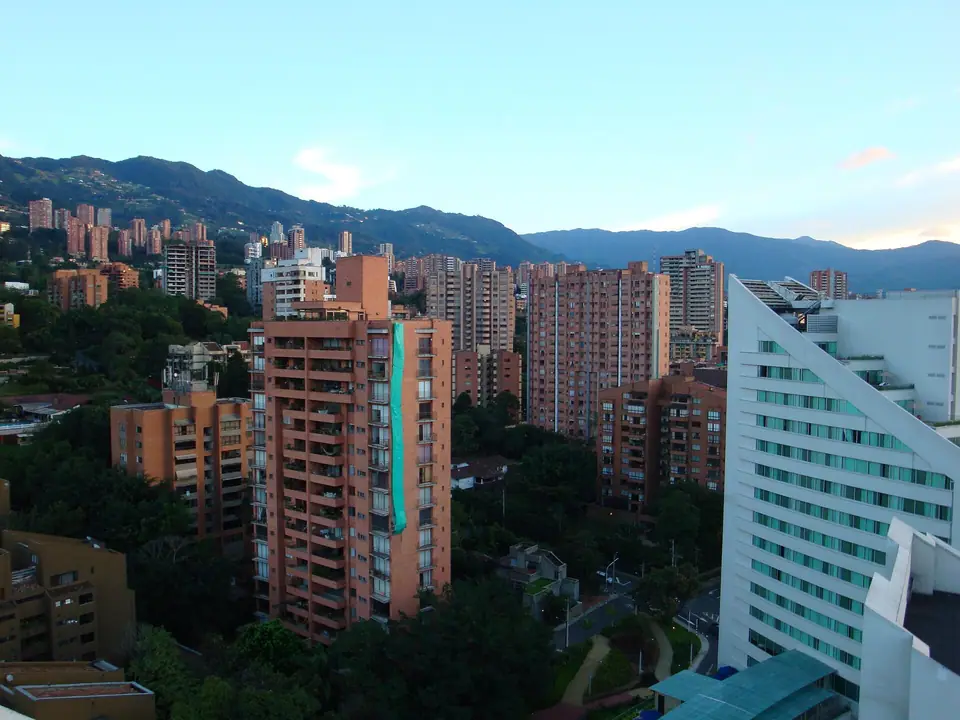
Rising across the southeastern slopes of the Aburrá Valley, El Poblado, designated as Comuna 14, is the foundational Spanish settlement site in Medellín. Francisco Herrera Campuzano established the hamlet of San Lorenzo de Aburrá around present Parque El Poblado in 1616. Today, the commune serves as the premier commercial district for independent hospitality, creative architecture, and specialty coffee.
Urban Geography of El Poblado Sectors
El Poblado stretches from the valley floor up into steep Andean ridges. Navigating this vast commune requires understanding its distinct enclaves, which range from calm residential streets to dense pedestrian nightlife zones.
| Sector | Location Profile | Primary Character | Key Landmark |
|---|---|---|---|
| Parque El Poblado | Lower hillside near Avenida El Poblado | Historic civic plaza and transport connection | San José de El Poblado church |
| Barrio Manila | Flat lower sector between Calle 11 and Calle 14 | Low-rise residential quarter with intimate dining | Calle 12 culinary corridor |
| Provenza | Upper slope bounded by Carrera 35 and Carrera 37 | Forested pedestrian corridor with open terraces | Quebrada La Presidenta ravine |
| Loma de los Balsos | Elevated residential ridge in south Poblado | Leafy hillside estates and historic architecture | Museo El Castillo and formal gardens |
Travellers organising an extended stay can review our Medellín neighbourhood guide to compare El Poblado with lower-elevation alternatives such as Laureles or Envigado.
Provenza and Pedestrianised Carrera 35
Provenza occupies the upper hillside east of Parque Lleras, framed by the lush ravine of the Quebrada La Presidenta. Its defining spine is Carrera 35, where local urban planners transformed vehicle lanes into stone-paved walkways beneath dense plant canopies.
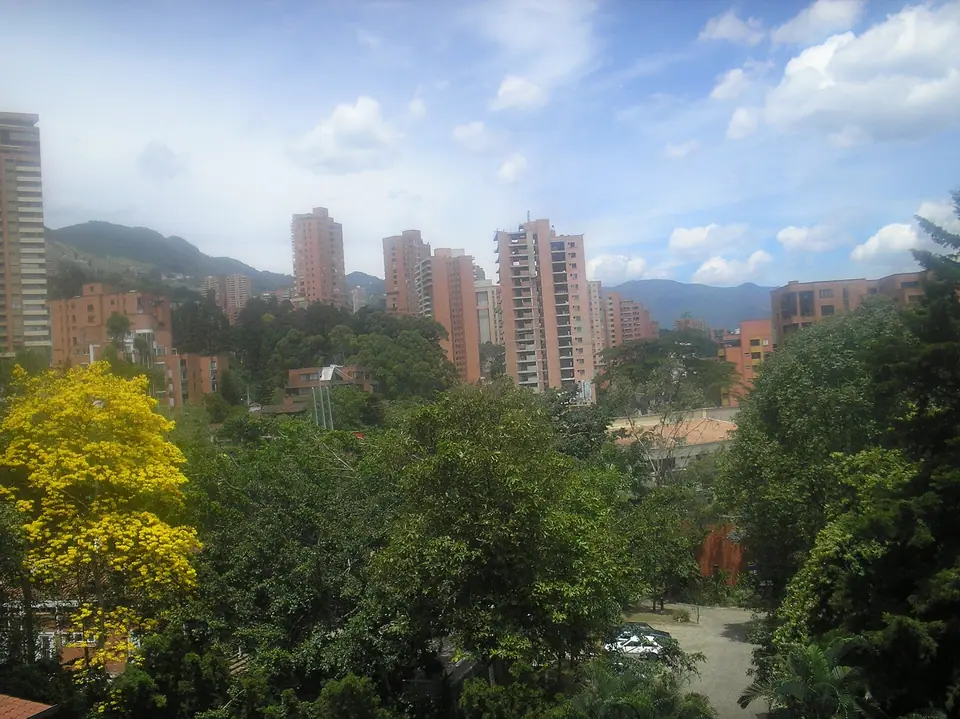
During morning hours, sunlight filters through stands of giant guadua bamboo, broadleaf philodendrons, and mature tree ferns. Roasters source single-origin beans from southwestern Antioquia, pouring espresso on shaded open decks. Visitors interested in regional gastronomy can explore our detailed review of traditional Antioquian dishes and street snacks across the valley.
By evening, the street shifts into a multi-tiered hospitality district. Creative kitchens serve dishes spotlighting Pacific seafood, native tubers, and fruits gathered from tropical lowlands. Open-air rooftop cocktail lounges overlook the forested ravines, providing scenic perches with panoramic valley views. Unlike the louder, vehicular corridors downhill, pedestrianised Carrera 35 allows visitors to stroll between dining rooms without traffic interruptions.
Barrio Manila and Parque Lineal La Presidenta
West of Avenida El Poblado lies Barrio Manila, occupying a gentler gradient between Calle 11 and Calle 14. This neighbourhood preserved its traditional two-storey residential architecture while welcoming artisan bakeries, design offices, and boutique hostels.
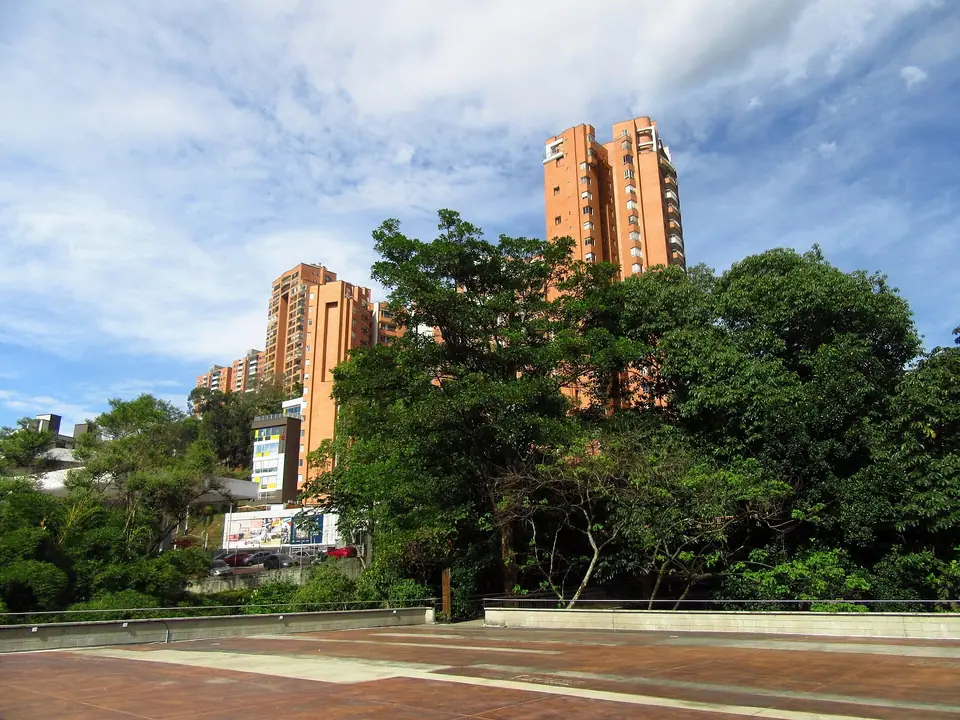
Manila offers a calmer rhythm than Provenza. Shaded pavements encourage unhurried walking past micro-roasteries, quiet pasta workshops, and plant-filled courtyard cafes. Street trees buffer urban noise, making the area a favourite retreat for remote professionals and independent travellers.
Connecting Manila to the upper sectors is Parque Lineal La Presidenta. This protected ecological greenbelt traces the mountain stream down the slope. Paved trails meander under native canopy trees, offering pedestrian shortcuts away from automobile exhaust. Local runners use these pathways throughout the morning, while birdwatchers frequently spot tanagers and hummingbirds among the creek foliage.
Museo El Castillo and Loma de los Balsos
Higher up the southeastern mountain slope in Loma de los Balsos stands Museo El Castillo. Architects Nel Rodríguez and José Tobón Uribe designed the residence in 1930, drawing heavy inspiration from French Loire Valley Gothic châteaux. Philanthropist Diego Echavarría Misas purchased the estate in 1943, and the property opened to the public as an educational museum and civic park in 1971.
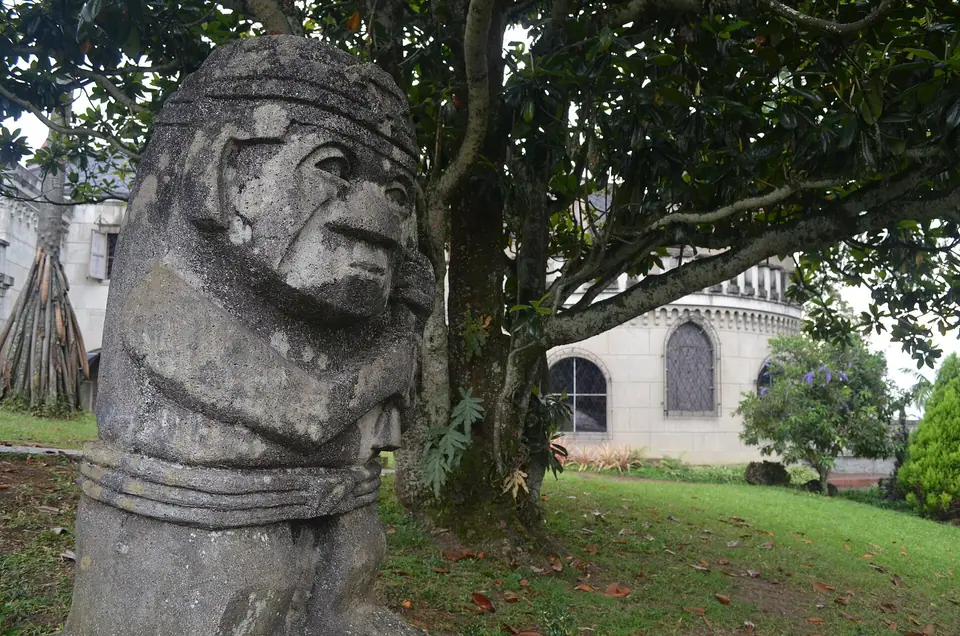
The stone estate holds extensive collections of European decorative arts, porcelain, tapestries, and antique furniture. Outside, meticulously manicured cypress paths, stone fountains, and French-style parterre gardens contrast sharply with the wild tropical greenery covering the surrounding Aburrá Valley slopes. The hillside grounds provide peaceful views across southern Medellín.
Because guided interior tours operate on variable timetables, visitors should consult the official foundation website to confirm current entry schedules and ticket procedures. Taxis or ride-hailing services provide the most practical access up the steep curves of Loma de los Balsos.
Climate Considerations and Walking Practicalities
El Poblado experiences Medellín's moderate highland climate, yet elevation changes create distinct walking conditions across its hillsides. Meteorological records from 2015 to 2024 show stable temperatures throughout the year, with daytime highs averaging 27 to 28°C and nighttime lows settling between 17 and 18°C.
Precipitation patterns dictate the best times for outdoor walking tours. Drier conditions occur in January, with 77 millimetres of rainfall across 11 wet days, and February, with 84 millimetres across 12 wet days. In contrast, October brings substantial downpours, recording 154 millimetres across 22 wet days, followed by May with 147 millimetres across 21 wet days. Afternoon showers develop rapidly along the mountain slopes, so carrying a compact umbrella is essential when wandering between Provenza and Manila.
Footwear deserves careful thought. The climb from lower Manila up through Provenza involves steep stone inclines that turn slick during sudden rainstorms. Wearing supportive shoes with rubber grip prevents slips on wet pavements. For citywide transport connections, travellers can link their El Poblado walks with excursions on the urban transit network via our guide to Medellín transport, metro lines, and arrival routes.
Where it is
- 1El Poblado, Provenza, Manila and Museo El Castillo
- Jose Maria Córdova International Airport (MDE) · about 16 km from here in a straight line
- Directions in Google Maps
Stations and taxi ranks: OpenStreetMap. Airports: OurAirports. Distances are in a straight line.
Traveller tips
Real advice from people who have been to Medellín. Every tip is read by our team before it goes live.
No tips yet. Been here? Yours could be the first.
Thank you! Your tip will appear here after a quick review.
More in Medellín
Continue exploring Medellín with related neighbourhood, food, and planning guides
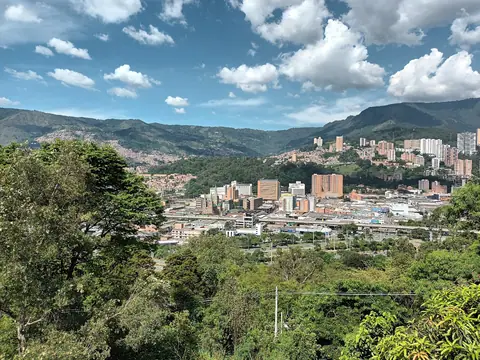
Best Time to Visit Medellín: Climate Seasons and Festivals
Medellín, Colombia
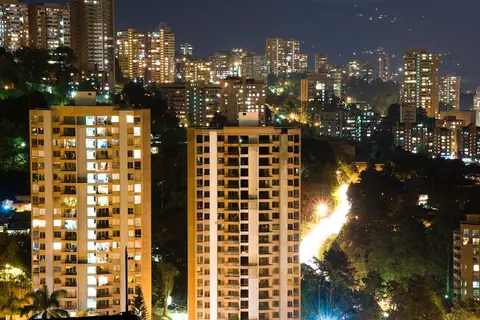
Where to Stay in Medellín: El Poblado, Laureles, and Envigado
Medellín, Colombia
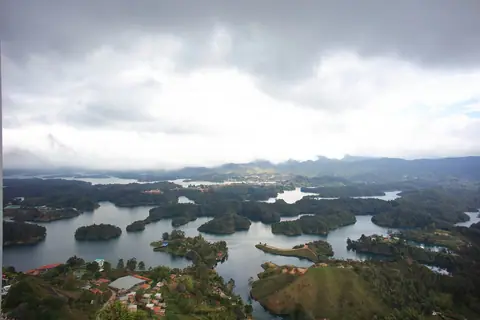
Medellín Itinerary: 3 Core City Days Plus 7 to 14-Day Antioquia Extensions
Medellín, Colombia
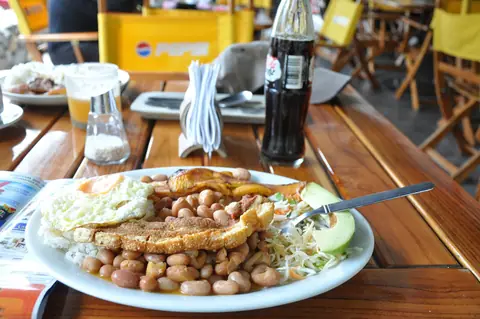
What to Eat in Medellín: Bandeja Paisa, Soups, Street Snacks and Coffee
Medellín, Colombia
