Photo: RH Ruggles · CC BY-SA 4.0
Laureles, Cerro Nutibara and Museo Casa de la Memoria Guide
Discover Pueblito Paisa atop Cerro Nutibara, explore the radial mid-century avenues of Laureles, and visit the moving Museo Casa de la Memoria in eastern Centro.
West of the Medellín River, the urban geography transitions from dense commercial high-rises into leafy residential boulevards and isolated valley summits. A focused exploration combining the summit of Cerro Nutibara, the mid-century garden layouts of Laureles, and the civic reflection of Museo Casa de la Memoria delivers a balanced understanding of Antioquian cultural roots and recent municipal transformation. This circuit joins architectural heritage with civic history across the central Aburrá Valley.
Cerro Nutibara and Pueblito Paisa Summit Heritage
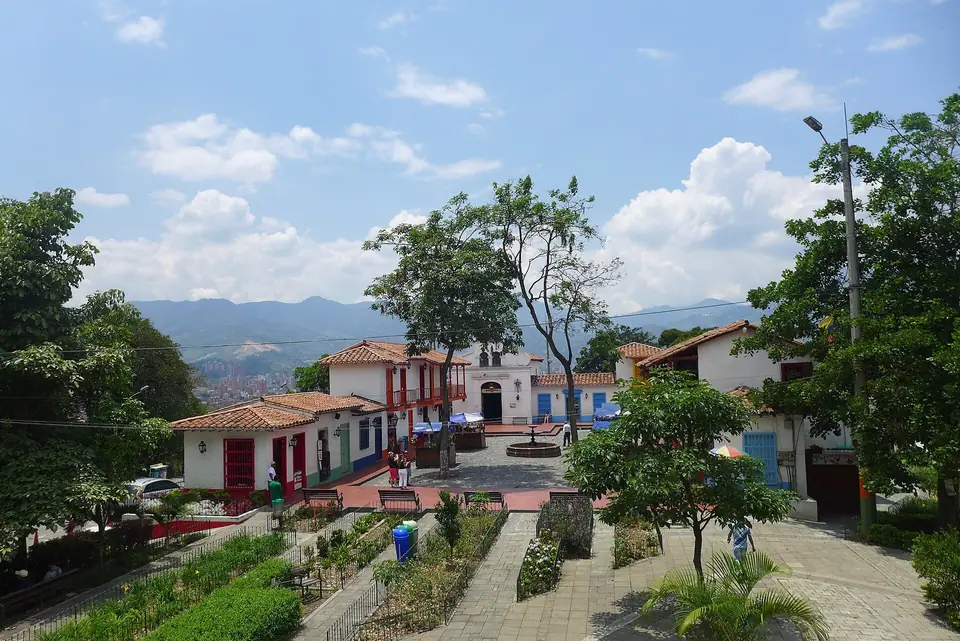
Rising 80 metres straight up from the valley floor to reach an elevation of 1,575 metres, the 33-hectare forested mound of Cerro Nutibara ranks among the city's seven historic guardian hills (cerros tutelares). Named after the sixteenth-century Indigenous Catío cacique Nutibara, the natural summit provides panoramic views that span downtown skyscrapers to the east, southern hillsides toward El Poblado, and western communities toward San Javier.
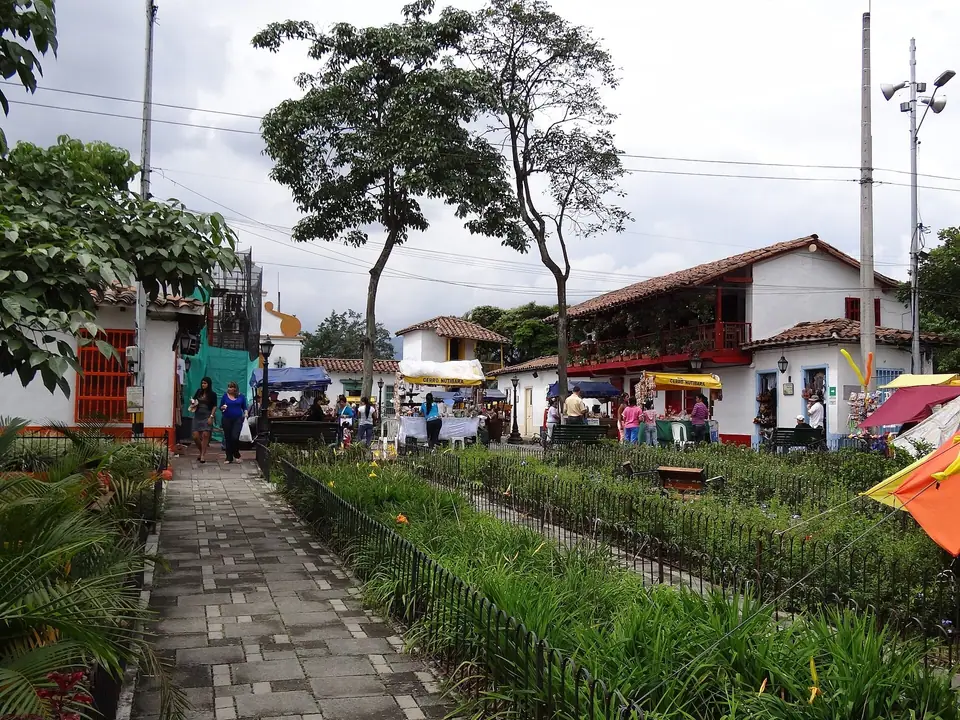
At the highest point stands Pueblito Paisa, designed by architect Julian Sierra and opened on 3 March 1978. Sierra conceived the replica village to preserve the distinctive architecture of rural Antioquia during rapid twentieth-century urban expansion. The project repurposed salvaged timber doors, window grilles, and stone elements from the old settlement of El Peñol prior to its flooding for the reservoir project explained in our Guatapé and Piedra del Peñol day trip guide. Arranged around a traditional cobbled square, the complex features a whitewashed church, an old-school municipal classroom, a traditional barbershop, and a pharmacy counter displaying historic apothecary bottles.
Beyond the architectural core, visitors can traverse timber observation terraces and explore the open-air Cerro Nutibara Sculpture Park. Inaugurated in 1983, the pathway contains modern outdoor sculptures by Latin American artists, including Edgar Negret, Ronny Vayda, and Carlos Rojas. Footpaths descend through native tree canopies that shelter regional bird species, offering an accessible nature escape directly above the city avenues.
Urban Planning and Street Life in Laureles
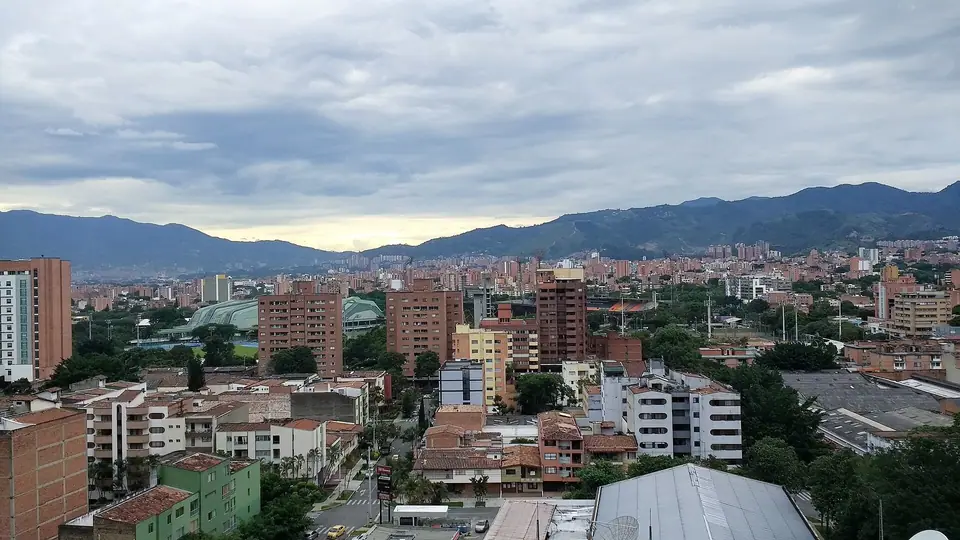
Directly west of Cerro Nutibara lies Laureles, a planned residential sector that presents a striking contrast to the rectilinear grid of downtown Medellín. Conceived in the mid-twentieth century by artist and urban planner Pedro Nel Gómez, Laureles was engineered around concentric circular avenues and radial diagonals rather than rigid right angles. This layout shields the neighbourhood from heavy cross-town traffic and fosters a pedestrian-friendly environment beneath towering laurel and ficus trees.
Daily life radiates from two key public plazas: Primer Parque de Laureles and Segundo Parque de Laureles. Primer Parque functions as a tranquil green space encircled by independent bakeries and quiet residential properties. Segundo Parque and the connecting Avenida Jardín form an active social corridor lined with open-air espresso bars and neighbourhood eateries. Travellers mapping local stays can read our Medellín accommodation neighbourhood guide to compare the calm, flat streets of Laureles with the steeper slopes of southern districts. Traditional menus across the district feature local specialities detailed in our Antioquian food and street snack guide.
Museo Casa de la Memoria and Civic Reconciliation
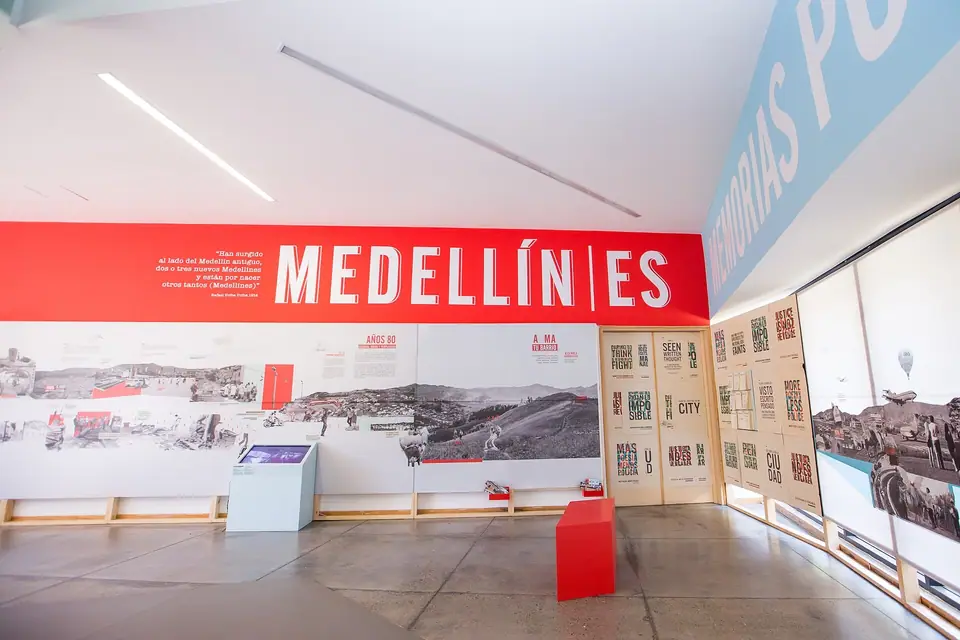
Positioned east of the Medellín River in Parque Bicentenario, Museo Casa de la Memoria represents a fundamental stop for understanding the modern social history of Colombia. Opened in 2012, this municipal institution serves as a dedicated space for documenting the armed conflict, preserving victims' testimonies, and examining peacebuilding initiatives throughout Antioquia. The physical structure incorporates dark timber facades and reflective water pools that set a contemplative tone before entry.
The permanent exhibitions present interactive multimedia archives, recorded oral testimonies, personal possessions, and community-led art projects. Rather than glorifying criminal factions or focusing solely on violence, the curators centre the voices of displaced families, grassroots human rights advocates, and community organisations that rebuilt neighbourhood cohesion across the Aburrá Valley. Visiting the museum provides crucial historical context before touring peripheral areas such as Comuna 13, illuminating the social resilience that underpins the city's modern public works.
Key Site Characteristics Across Western and Eastern Circuits
Navigating these distinct municipal landmarks requires understanding their varied urban contexts, physical terrain, and transport connections across the valley floor.
| Site | Zone and Urban Setting | Primary Attraction | Transit Connection |
|---|---|---|---|
| Pueblito Paisa (Cerro Nutibara) | Guardian hill rising above western river basin | 1978 replica village, salvaged El Peñol woodwork, 360-degree lookouts | Metro Line A to Industriales, followed by footpath or taxi ascent |
| Laureles (Primer & Segundo Parque) | Radial mid-century garden district west of river | Curved avenues, independent coffee shops, relaxed neighbourhood dining | Metro Line B to Estadio, followed by walking southwest along Avenida Nutibara |
| Museo Casa de la Memoria | Parque Bicentenario in eastern Centro district | Conflict archives, oral testimonies, community peacebuilding exhibitions | Ayacucho Tram (Tranvía Line T) to Bicentenario station |
Practical Movement and Valley Microclimate Considerations
Combining these three locations forms an efficient single-day loop across Medellín. A practical sequence begins with an early morning walk up Cerro Nutibara before the midday heat gathers over the exposed summit viewpoints. Travellers can descend into the flat, shaded streets of Laureles for an afternoon lunch and coffee exploration, avoiding vehicle congestion on the western radial streets. By mid-afternoon, cross the valley eastward using the Ayacucho tramway line to spend quiet hours within the indoor galleries of Museo Casa de la Memoria.
Medellín's climate records from 2015 to 2024 show stable afternoon highs averaging between 27.0°C and 28.4°C across all twelve months. Rainfall patterns, however, vary significantly by season. The wettest months arrive in April, May, and October, recording up to 140 mm, 147 mm, and 154 mm of rainfall across 20 to 22 wet days per month. In contrast, January and February offer drier conditions with 77 mm and 84 mm across 11 to 12 wet days. Sudden tropical downpours are common during rainy months in the late afternoon, making indoor cultural venues such as Casa de la Memoria an ideal shelter after morning outdoor walks on Cerro Nutibara.
Where it is
- 1Laureles, Cerro Nutibara and Museo Casa de la Memoria
- Jose Maria Córdova International Airport (MDE) · about 19 km from here in a straight line
- Directions in Google Maps
Stations and taxi ranks: OpenStreetMap. Airports: OurAirports. Distances are in a straight line.
Traveller tips
Real advice from people who have been to Medellín. Every tip is read by our team before it goes live.
No tips yet. Been here? Yours could be the first.
Thank you! Your tip will appear here after a quick review.
More in Medellín
Continue exploring Medellín with related neighbourhood, food, and planning guides
Guatapé and Piedra del Peñol Day Trip Guide: 740 Steps and Painted Zócalos
Medellín, Colombia
Santa Fe de Antioquia and Puente de Occidente Day Trip Guide
Medellín, Colombia

Medellín: Essential Planning for the Aburrá Valley
Medellín, Colombia
Things to Do in Medellín: Top Landmarks, Cable Cars and Day Trips
Medellín, Colombia
