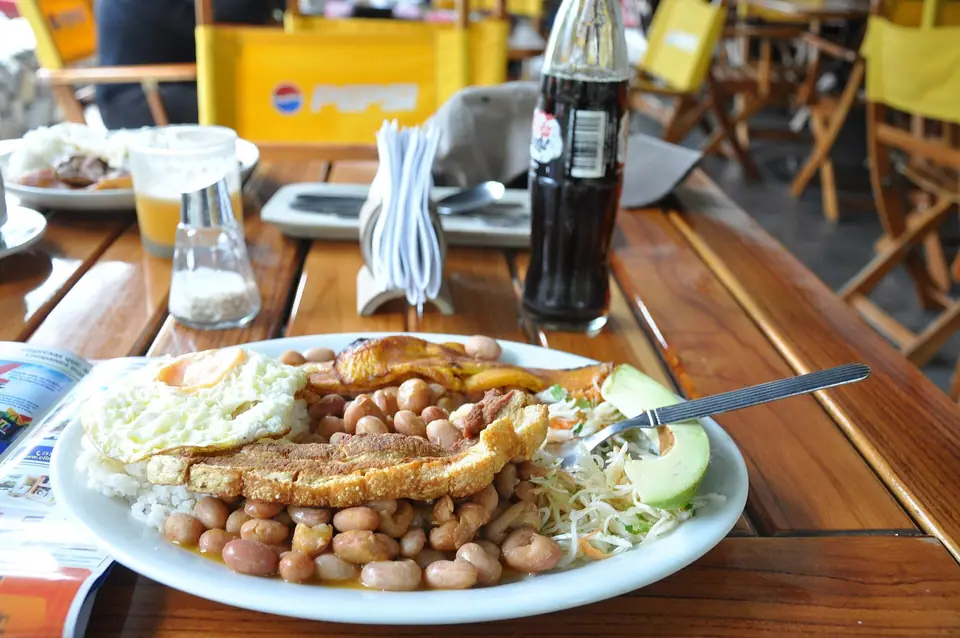
Photo: Jorge Láscar from Australia · CC BY-SA 4.0
What to Eat in Medellín: Bandeja Paisa, Soups, Street Snacks and Coffee
Explore Medellín's culinary landscape, from the legendary mountain platter of bandeja paisa to rich local soups, fried street snacks, and high altitude specialty coffee.
Rooted in the mountain muleteer traditions of nineteenth-century coffee and gold trails across Antioquia, the cuisine of Medellín is hearty, comforting, and deeply satisfying. Local recipes celebrate slow-simmered red beans, heirloom corn, pork, sweet plantain, and fresh highland cheeses, finished with exceptional single-origin Arabica coffee grown across the surrounding ranges.
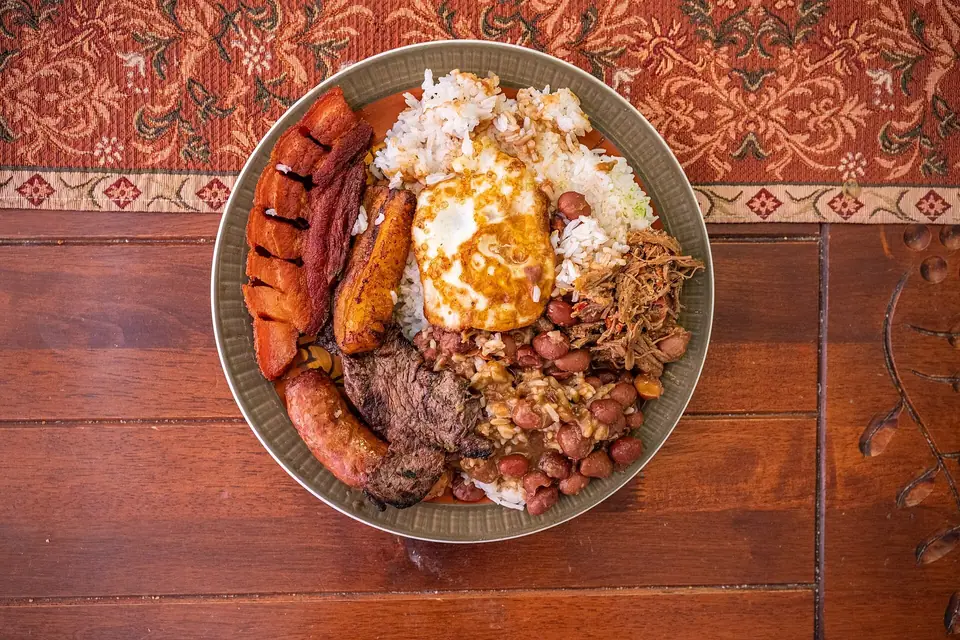
Bandeja Paisa: The Iconic Mountain Platter
Served across the Aburrá Valley on wide oval trays because standard dinner plates cannot hold every component, the bandeja paisa reflects the immense caloric needs of historic muleteers. A proper serving combines multiple distinct elements cooked with precision:
- Fríjoles Antioqueños and Rice: Plump cargamanto red beans simmered patiently with pork hock, green plantain, and carrot, served beside fluffy white rice.
- Cured and Crisp Meats: A strip of chicharrón scored into distinct tabs and fried until the skin blisters crisp, seasoned powdered ground beef, local chorizo sausage, and rice-stuffed morcilla blood sausage.
- Accompaniments: A fried egg with a soft yolk, fried sweet plantain slices, a thick wedge of fresh avocado, and a grilled unsalted white-corn arepa antioqueña with tomato-and-onion hogao sauce.
For visitors exploring neighbourhoods like Laureles, Cerro Nutibara and Pueblito Paisa or dining in El Poblado and Provenza, ordering this iconic meal at midday provides lasting fuel for city exploration. Diners seeking a smaller portion can request a cazuela de fríjoles, which gathers these ingredients inside an earthenware bowl.
Traditional Mountain Stews: Mondongo and Sancocho
Long simmered soups form the backbone of Antioquian home cooking, particularly for family gatherings and wet afternoons. Medellín records its heaviest rainfall during April, May, and October, when monthly precipitation exceeds 140 millimetres, creating the perfect climate for hot, nourishing broths.
Mondongo antioqueño features slow-cooked tripe and pork tenderloin simmered in a golden broth with diced potatoes, yuca, corn, and fragrant fresh coriander. Kitchens serve it with white rice, sweet banana slices, lime wedges, and spicy ají pepper sauce mixed at the table. Sancocho trifásico represents another Sunday institution, uniting beef, pork, and chicken in a rich broth thickened with plantain, potato, and sweet corn on the cob.
Street Food Classics: Buñuelos, Pandebono, and Empanadas
Neighbourhood bakeries and street corners throughout Medellín fry snacks continuously from early morning onward. Corn and cheese dominate local baking traditions, yielding textures that range from feather-light crumb to shattering crusts.
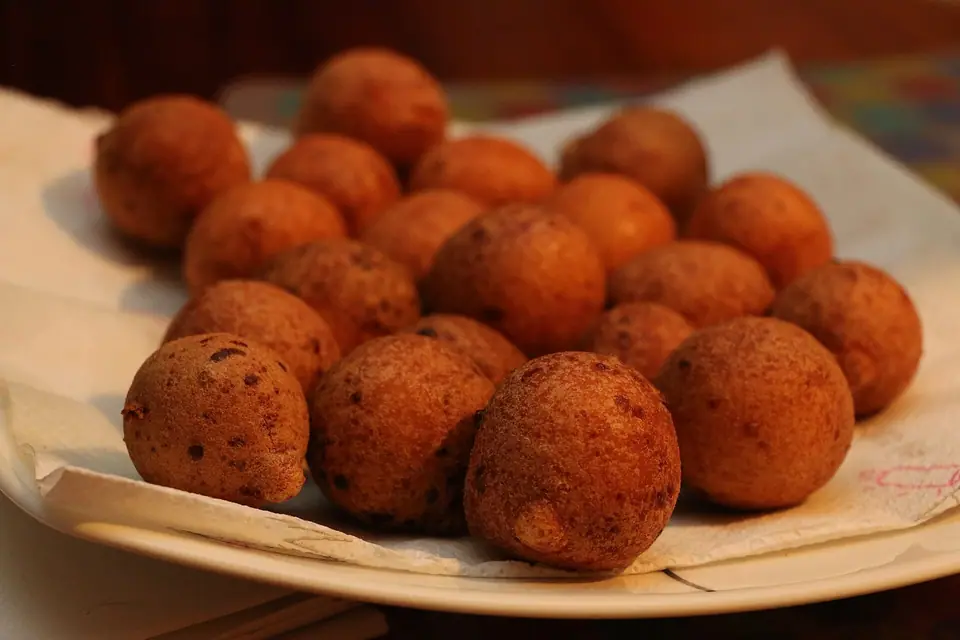
Buñuelos are spherical fritters prepared from fresh costeño curd cheese and cornstarch, dropped into hot oil where they rotate naturally to achieve an even golden sphere. Crispy on the outside with an airy sponge interior, they pair naturally with morning hot chocolate or black coffee. Pandebono utilizes yuca starch and cheese to create a dense, chewy bread roll baked until lightly brown. Deep-fried empanadas de iglesia feature a thin, brittle yellow-corn shell enclosing spiced mashed potatoes and shredded beef, eaten hot after adding spoonfuls of sharp vinegar-and-herb ají.
Regional Produce and Antioquian Ingredients
The agricultural riches of Antioquia supply Medellín markets with diverse mountain crops and livestock products. The following table highlights core pantry items foundational to local cooking:
| Ingredient | Culinary Role | Common Preparation | Flavor Profile |
|---|---|---|---|
| Cargamanto Bean | Base legume for stews and platters | Slow-cooked with pork hock and green plantain | Creamy, savory, rich |
| Arepa Antioqueña | Daily bread substitute across all meals | Grilled dry over open heat from white cornmeal | Neutral, toasted, subtle corn |
| Chicharrón | Primary crispy meat component | Salted pork belly scored into segments and deep-fried | Rich, crunchy, deeply savory |
| Quesito Antioqueño | Fresh table cheese for breakfast and snacks | Crumbled fresh over warm arepas or hot chocolate | Mild, milky, lightly salted |
Antioquian Specialty Coffee Culture
Antioquia stands among Colombia's premier coffee-producing departments, cultivating exceptional high-altitude Arabica varieties on steep volcanic hillsides. Coffee farms in nearby towns such as Fredonia, Jardín, Concordia, and higher valley communities like Santa Elena produce beans distinguished by balanced acidity, caramel sweetness, and red fruit notes.
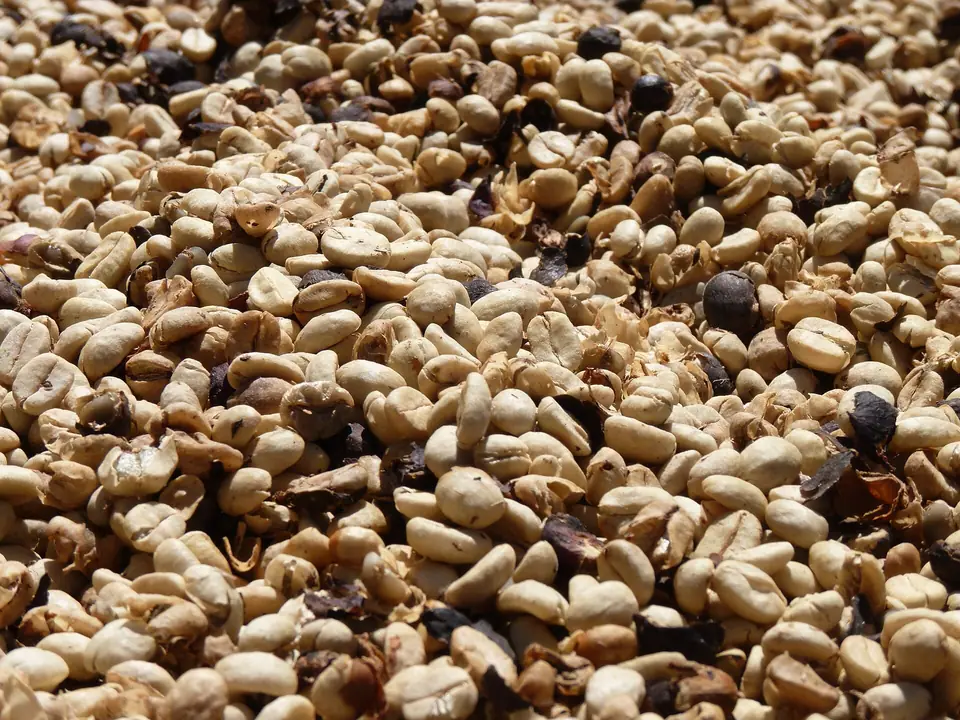
Urban coffee shops across Medellín roast these regional beans on site, preparing extraction methods like V60, Chemex, and Aeropress that accentuate delicate floral and citrus undertones. After admiring botanical collections at Jardín Botánico and Parque Explora, sampling single-origin coffee provides direct appreciation of the department's agricultural heritage.
Dining Etiquette and Practical Meal Timing
Meal rhythms in Medellín follow traditional Latin American schedules, with the heaviest meal taking place between noon and two in the afternoon. Bandeja paisa and rich stews like sancocho are almost exclusively consumed at lunch, allowing adequate digestion before evening hours.
Breakfast centres on hot arepas topped with melted butter and fresh quesito, scrambled eggs cooked with tomato and spring onion, and hot chocolate prepared in an aluminium pitcher with a wooden whisk. Dinner tends to be lighter, featuring grilled skewers, arepas de chócolo made from sweet yellow corn folded over fresh white cheese, or small portions of soup. Tap water throughout Medellín is treated and safe to drink directly from the tap, meeting strict municipal quality standards across all residential and dining districts.
Where it is
- 1Medellín
- Jose Maria Córdova International Airport (MDE) · about 20 km from Medellín in a straight line
- Directions in Google Maps
Stations and taxi ranks: OpenStreetMap. Airports: OurAirports. Distances are in a straight line.
Traveller tips
Real advice from people who have been to Medellín. Every tip is read by our team before it goes live.
No tips yet. Been here? Yours could be the first.
Thank you! Your tip will appear here after a quick review.
More in Medellín
Continue exploring Medellín with related neighbourhood, food, and planning guides
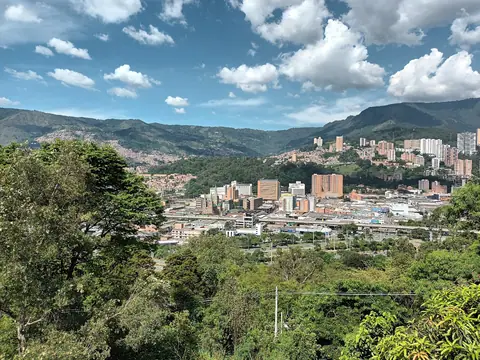
Best Time to Visit Medellín: Climate Seasons and Festivals
Medellín, Colombia
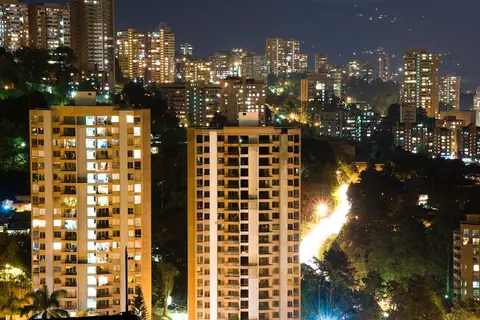
Where to Stay in Medellín: El Poblado, Laureles, and Envigado
Medellín, Colombia

Medellín Itinerary: 3 Core City Days Plus 7 to 14-Day Antioquia Extensions
Medellín, Colombia
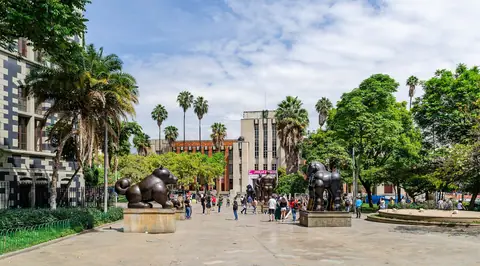
Plaza Botero, Museo de Antioquia and Palacio de la Cultura Guide
Medellín, Colombia
