Best Time to Visit Niagara Falls: Seasons, Mist & Boat Dates
Niagara Falls shifts dramatically through open summer boat navigations, crisp autumn canyon foliage, and glistening winter ice crusts along the gorge.
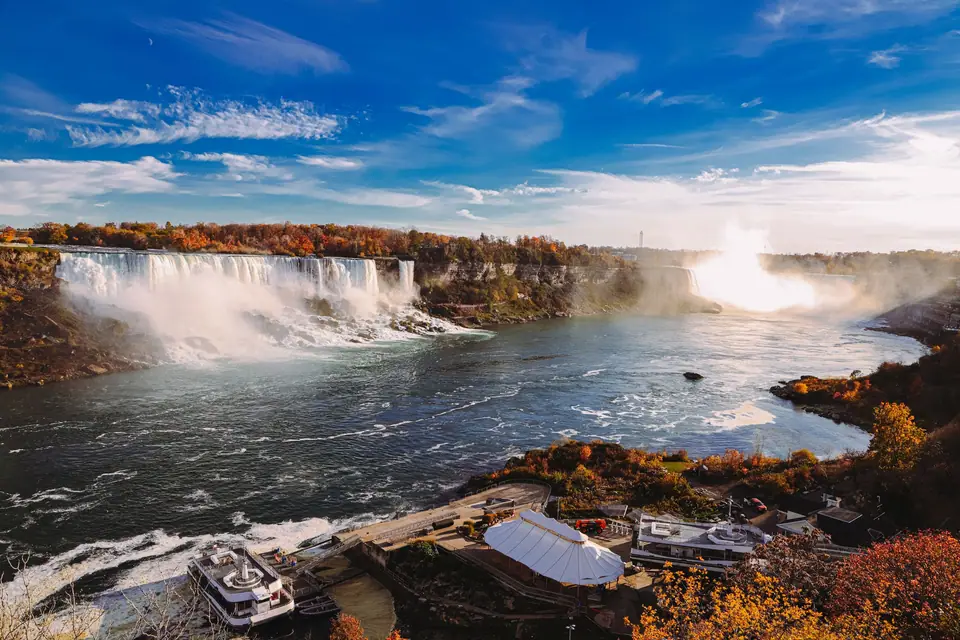
Summer across the Niagara River brings roaring water volumes, full boat operations, and vivid rainbows arching through dense afternoon spray. Warm sunshine encourages long rambles along the concrete parapets. Cool drafts lift off the plunging rapids to refresh walking crowds along the promenade. Travellers boarding Niagara City Cruises encounter the strongest spray currents directly beneath the churning basin. Red protective ponchos keep clothing reasonably dry. Water regularly drenches shoes and exposed hair during the close approach. Evening hours lengthen pleasantly, letting visitors watch falling water turn crimson and sapphire beneath colourful nightly illuminations.
High season also means thick crowds along the central promenade from late morning until dusk. Queues form steadily around the lower docks and terrace lookouts. Early morning arrivals remain the calmest way to watch the mist rise. The river air stays warm and humid, creating dense vapour plumes that drift over surrounding lawns and parkway flowerbeds. You can walk back to the town centre as street buskers set up along Clifton Hill, leaving the riverbanks quiet under the dark sky.
Midsummer days also let walkers take in the full visual span of the river corridor in clear light. Walking south towards the crest line reveals the wide curve of the falls where mist columns rise hundreds of feet into the sky. Breezes regularly shift the spray across the parkway path, cooling pedestrians during hot July and August afternoons. Photographers gather along the stonework railings to capture panoramic shots of the thundering basin before midday queues peak. Planning around early starts makes navigating the busy Canadian promenade straightforward and pleasant.
Autumn Transitions and Golden Escarpment Walks
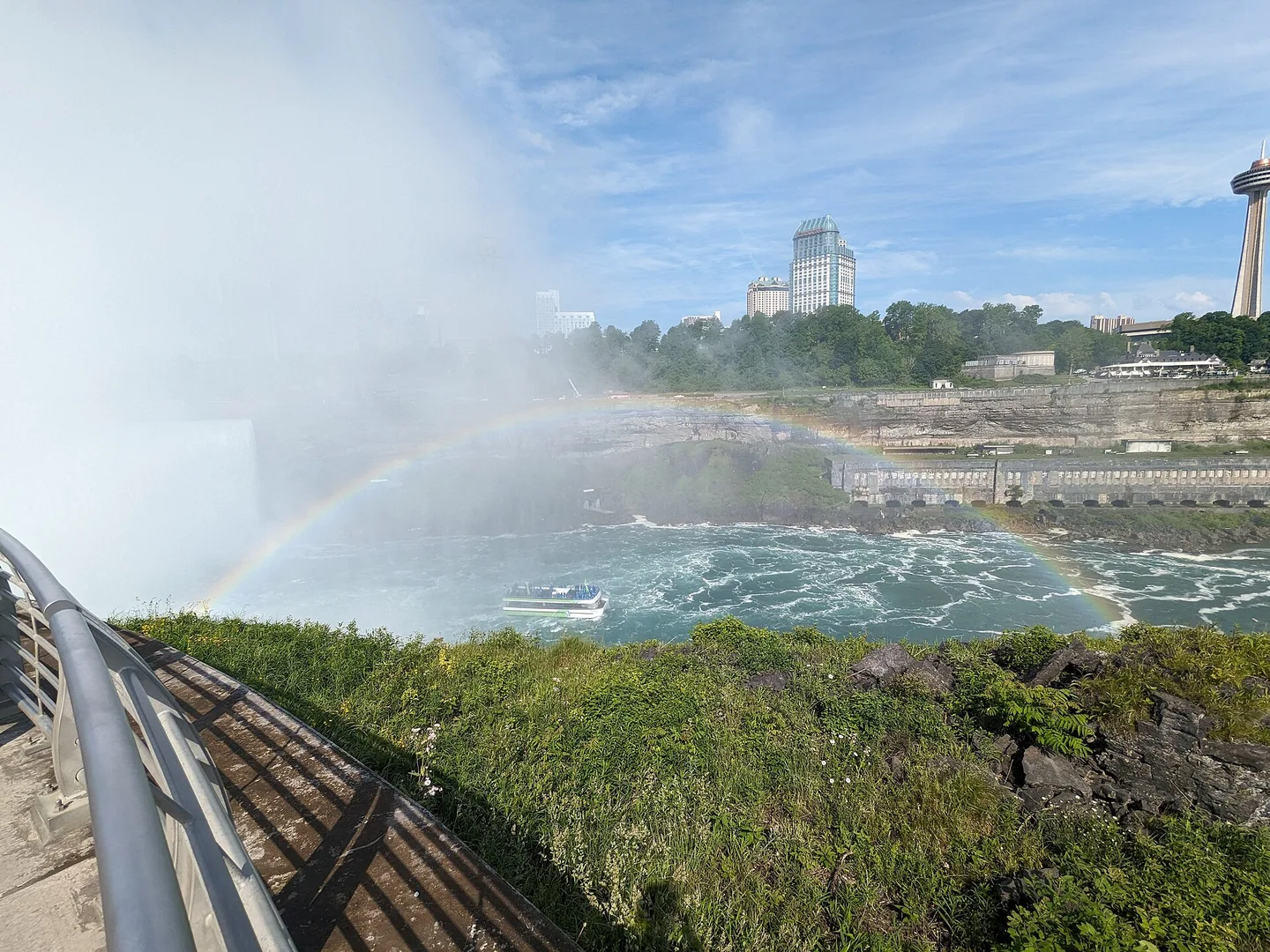
September and October usher in a striking visual transformation as the deciduous forest lining the gorge turns amber, copper, and bright gold. Temperatures soften into crisp daytime walking conditions that make long journeys on foot along the river trail thoroughly pleasant. Mist continues to rise from the basin, catching lower sun angles to produce intense morning prisms across the wet limestone walls. Most family holiday crowds disperse by mid-September, offering quiet vantage points along the upper lookouts without jostling for balcony space.
Cruises continue operating through the autumn weeks until river conditions shift and seasonal maintenance schedules require dry dock winter storage. Vineyards along the nearby escarpment enter their annual harvest, giving day trips inland a lively agricultural rhythm. Packing layered knitwear, a windproof shell, and sturdy walking shoes protects against damp drafts coming off the canyon floor. Autumn visits reward walkers who value clear river views, shorter queues, and crisp woodland colours above warm weather.
Walking along the gorge rim in late October reveals striking contrasts between dark river currents and fiery foliage. Leaves drift down from birch, maple, and oak groves, scattering gold flecks across the moist pathways. Damp limestone outcroppings glisten in the muted autumn sun, giving the river chasm an earthy presence distinct from summer bustle. Light crowds allow plenty of unhurried time at every outdoor viewing platform along the Canadian walkway.
Winter Ice Crusts and Sheltered Tunnel Routes
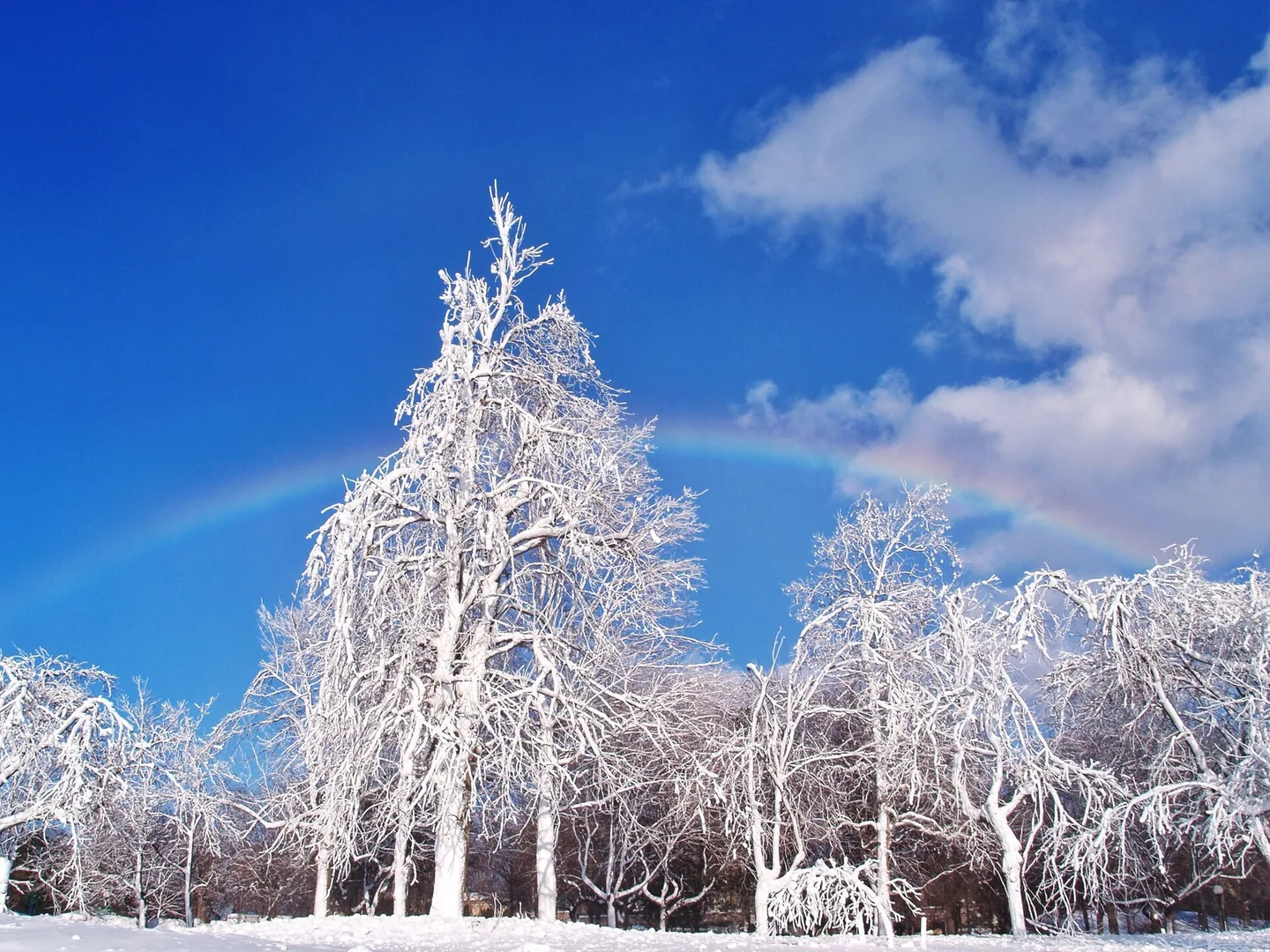
Sub-zero conditions transform the gorge into a cathedral of white ice and frozen spray. While the massive volume of falling water never halts completely, the mist freezes onto lamp posts, iron railings, and tree limbs, forming glassy sculptures. River cruises suspend operations for the cold months, yet the landscape takes on a stark, quiet dignity found at no other time. Cold winds sweep across the riverbanks, so heavy thermal coats, insulated boots, hats, and woollen mittens remain essential.
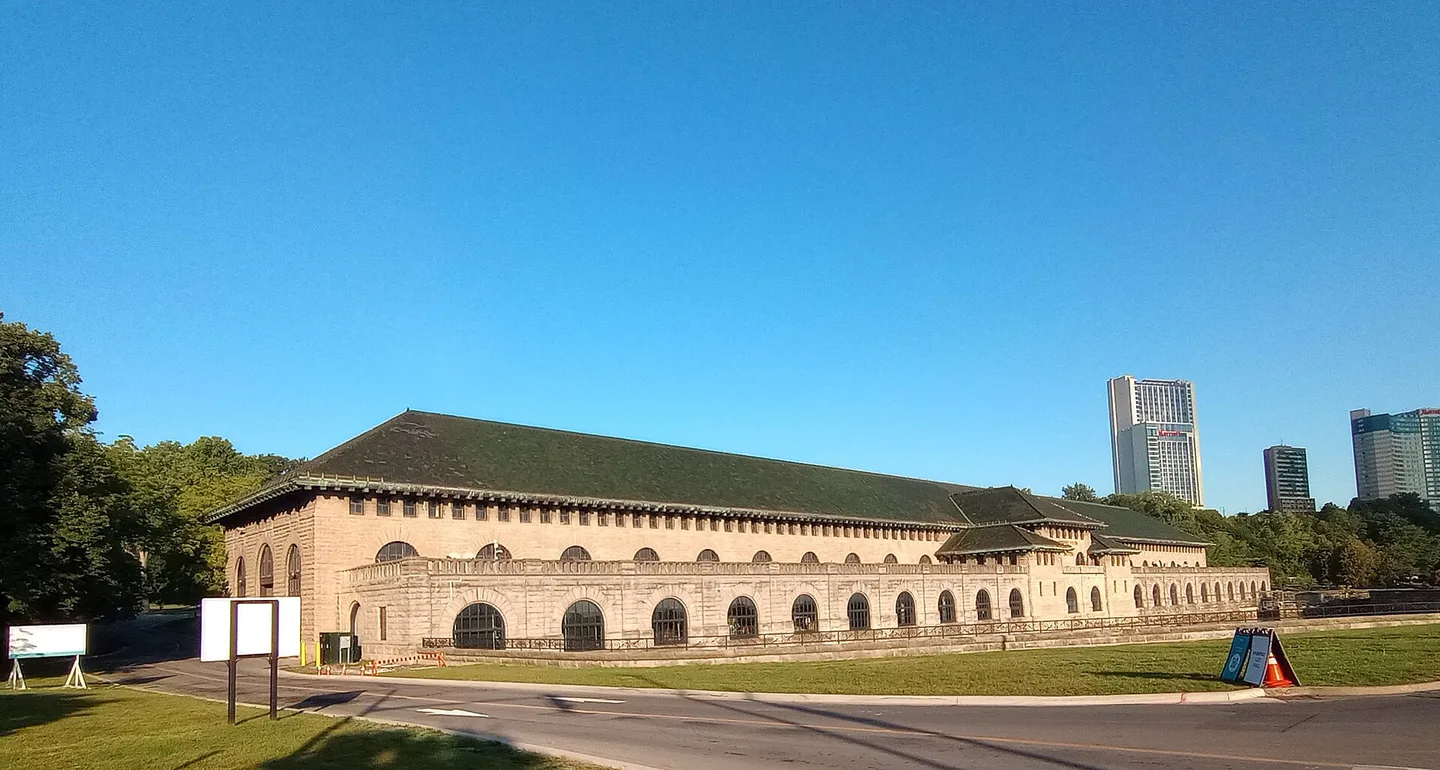
Visitors seeking shelter from biting air head below ground to explore the historic Niagara Parks Power Station and the deep rock tunnels. Concrete portals cut behind the sheets of falling water allow you to hear the thundering impact while remaining completely protected from freezing wind. Soft lighting illuminates the industrial brickwork and heritage turbines, offering an absorbing indoor walk before stepping back out onto the frosted terraces. The contrast between freezing outdoor mist and warm interior brick passages makes a winter stay distinctly rewarding.
Winter also brings quiet solitude to the Canadian riverbank that summer crowds rarely witness. Snow dusts the broad lawns of Queen Victoria Park, while massive ice mounds accumulate at the base of the cataract. Sunlight refracts through icicles hanging from the escarpment cliffs, creating crystalline patterns against dark rock walls. Stepping into warm cafes or underground galleries after a frosty promenade walk provides a deeply satisfying rhythm to cold-weather trips.
Seasonal Balance Across Mist and Gorge Conditions
Selecting the right travel window depends on whether you prioritise water activities, autumn colours, or icy winter landscapes. Each phase of the river year changes the sensory experience at the water edge, altering spray volume and pedestrian flow. The overview below outlines seasonal qualities along the Canadian riverbank:
| Season | Mist & Spray Impact | Key Advantages | Primary Drawback |
|---|---|---|---|
| Summer | Heavy, drenching mist in basin | Cruises running, long daylight, illuminated falls | Peak crowds and queue delays |
| Autumn | Moderate spray, clear air | Rich canyon foliage, comfortable walking, lower crowds | Cooler winds and shortening daylight |
| Winter | Freezing spray forms ice crusts | Glistening ice sheets, quiet trails, indoor tunnels | River cruises closed, bitter chill |
| Spring | Rising spray as ice thaws | Thawing rapids, early park blooms, fresh green gorge | Unpredictable rain and chilly winds |
Spring brings surging run-off as winter melt pours through Lake Erie into the Niagara gorge, accelerating river currents significantly. Green shoots appear along the escarpment trails, and park gardens begin planting floral borders near the river road. Early spring can bring sudden showers, making a waterproof hooded jacket essential for outdoor walks near the crest. Those wishing to experience the outdoor lookouts with minimal crowd pressure will find mid-spring an appealing, balanced window.
By late May, rising temperatures bring warmer breezes and encourage extended walks between lookouts and floral displays. Garden beds burst into fresh colour as maintenance crews prepare the grounds for summer visitors. River mist continues to rise in great billows, catching the stronger morning sunshine to project vivid arcs across the water. Visiting before peak holiday crowds arrive allows travellers to experience full river flow with comfortable space along the walkways.
Weather by month
Niagara Falls is warmest in July, with average highs around 27°C, and coldest in February, when nights drop to about -7°C. April is the wettest month by rainfall (102 mm), with rain on about 13 days. For mild weather with fewer rainy days, aim for May, June and September.
| Month | Low | Range | High | Rain | Rainy days |
|---|---|---|---|---|---|
| Jan | -6°C | 1°C | 75 mm | 12 d | |
| Feb | -7°C | 2°C | 73 mm | 11 d | |
| Mar | -2°C | 6°C | 74 mm | 12 d | |
| Apr | 3°C | 12°C | 102 mm | 13 d | |
| May | 9°C | 20°C | 76 mm | 11 d | |
| Jun | 15°C | 24°C | 95 mm | 11 d | |
| Jul | 18°C | 27°C | 88 mm | 12 d | |
| Aug | 18°C | 26°C | 90 mm | 13 d | |
| Sep | 15°C | 23°C | 78 mm | 10 d | |
| Oct | 9°C | 16°C | 95 mm | 13 d | |
| Nov | 2°C | 9°C | 72 mm | 11 d | |
| Dec | -2°C | 4°C | 80 mm | 14 d |
Averages of daily values from 2015 to 2024. Rainy days are days with at least 1 mm of rain. Source: Open-Meteo · Compare destinations by month.
Official prices and opening hours
- Niagara City Cruises — Voyage to the Falls (Canadian Side)Official site ↗
- Journey Behind the Falls & Niagara Parks Power StationOfficial site ↗
Where it is
- 1Niagara Falls
- Toronto Pearson International Airport (YYZ) · about 79 km from Niagara Falls in a straight line
- Directions in Google Maps
Stations and taxi ranks: OpenStreetMap. Airports: OurAirports. Distances are in a straight line.
Traveller tips
Real advice from people who have been to Niagara Falls. Every tip is read by our team before it goes live.
No tips yet. Been here? Yours could be the first.
Thank you! Your tip will appear here after a quick review.
More in Niagara Falls
Continue exploring Niagara Falls with related neighbourhood, food, and planning guides
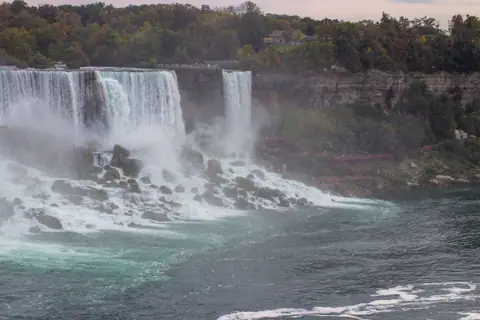
Getting Around Niagara Falls: WEGO Buses, Incline Railway and Parking
Niagara Falls, Canada
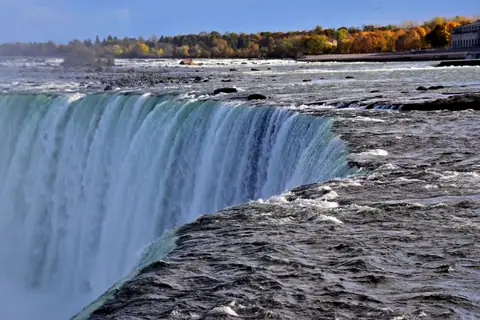
Where to Stay in Niagara Falls: Tower Views, Family Strips, and Quiet Vineyards
Niagara Falls, Canada
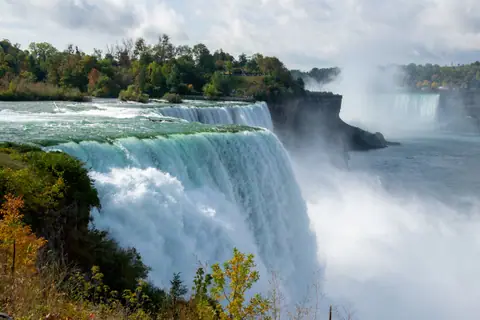
What to Wear in Niagara Falls: Waterproofs, Mist Layers and Gorge Footwear
Niagara Falls, Canada
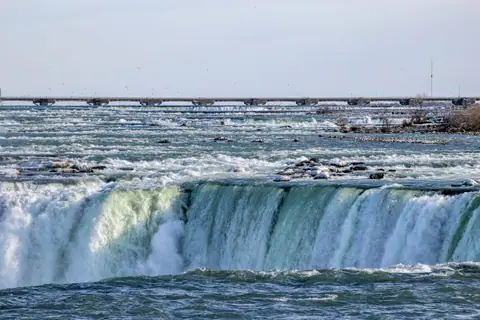
Three Days in Niagara Falls: Gorge Trails, Border Crossing and Wine Estates
Niagara Falls, Canada
