Journey Behind the Falls and Niagara Parks Power Station
We descend beneath the roaring cataract through historic bedrock passages and cavernous brick hydroelectric tailrace corridors carved into river cliffs.
Bedrock Tunnels and Cataract Portals Behind Horseshoe Falls
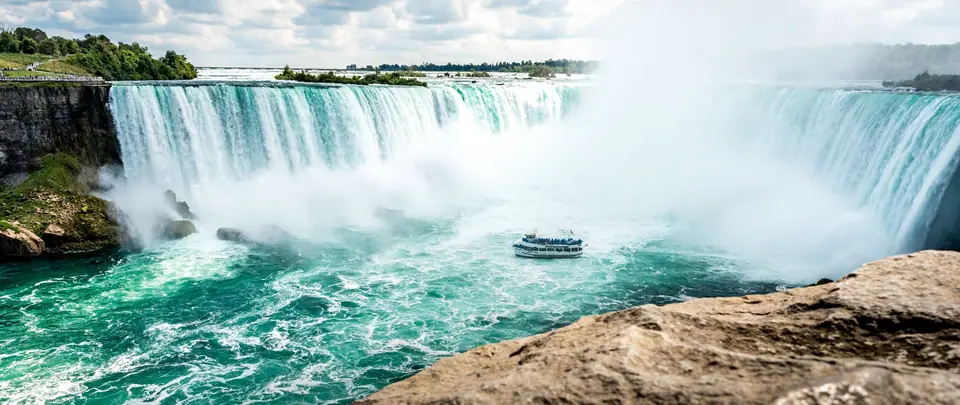
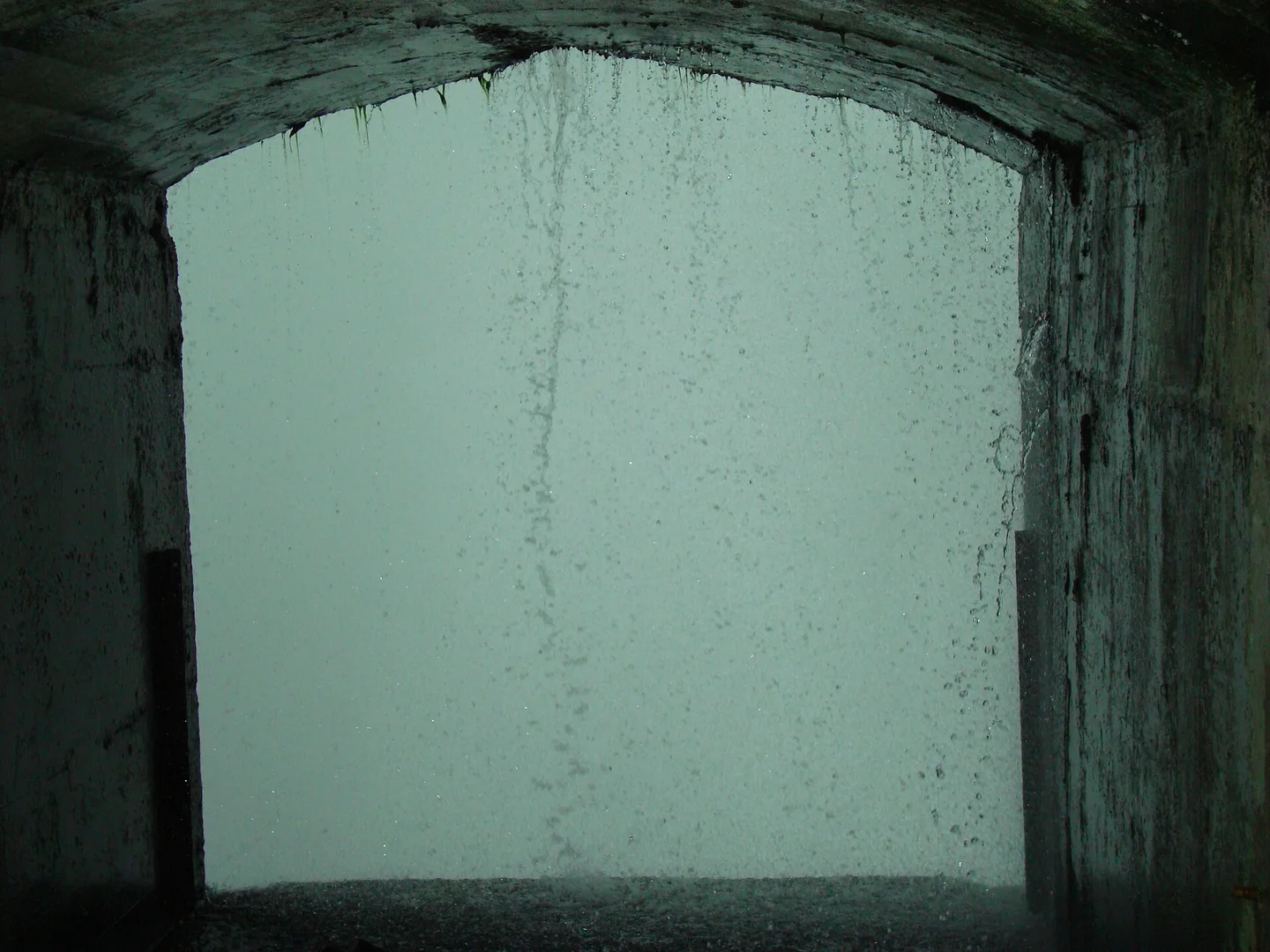
Stepping away from the upper river path, we take an elevator deep down into ancient dolomite bedrock directly beside the thundering cascade. The damp stone passages lead outwards towards observation portals cut directly behind the falling curtain of river water. Here the roar reverberates against solid rock, shaking the gallery walls as thousands of tonnes plunge downwards every single second. Yellow biodegradable ponchos shield us from the dense spray that drifts inward across open cutaways. Natural daylight filters softly past the torrential curtain, creating an eerie white haze that shifts with the gusting gorge breezes. Before heading underground, you can view the drop from above along the Horseshoe Falls Table Rock and promenade path.
Lower viewing decks jut directly into the open basin beneath the western precipice, giving a striking angle on the falling wall of river water. Mist rises continuously from the swirling cauldron, drenching the wooden rails and filling the air with heavy moisture. Standing at the rail, we watch the water strike the foaming basin below before sweeping out into the main river channel. The sheer force of the current shapes the surrounding stone, making these passages feel entirely wild and untamed. Yellow waterproof outerwear keeps travellers reasonably dry, though sturdy waterproof shoes remain essential along the slippery concrete walkways.
Hydroelectric Engineering at Niagara Parks Power Station
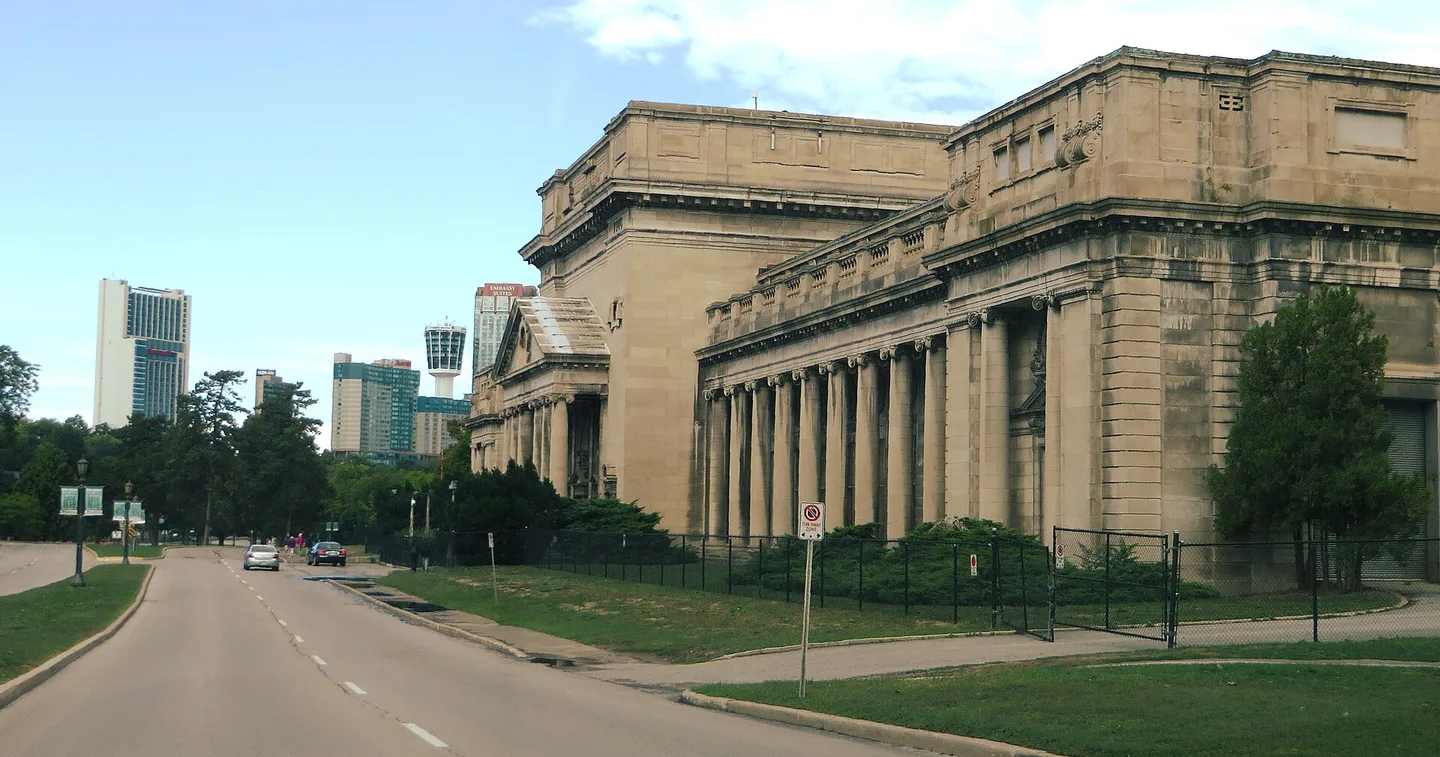
A short walk upstream along the riverbank brings us to the monumental brick and limestone facade of the historic generating hall. Completed early in the twentieth century, this cathedral-like industrial building celebrates pioneering electrical generation alongside the Upper Niagara River. Inside the spacious generator floor, restored iron turbines, brass dials, and polished hardwood control panels reflect decades of industrious mechanical triumph. Sunlight pours through tall arched windows, illuminating preserved overhead cranes and massive iron machinery that once harnessed the descending water. Informational displays describe how engineers diverted river water into deep vertical penstocks to drive powerful dynamos.
At the centre of the hall, a glass-panelled elevator shaft plunges downwards across multiple subterranean rock strata. As the lift drops into the shadows, visitors peer out into bedrock layers that took millions of years to form. The descent reveals damp limestone walls, rough-cut masonry supports, and deep vertical shafts that carried high-pressure water downwards. Exiting the elevator brings us into cool underground air, where stone tunnels branch away from the base of the turbines. The profound silence contrasts sharply with the energetic humming that once filled this underground generating cavern. Preserved brass gauges and vintage control levers display the remarkable precision achieved by early industrial builders.
Tailrace Tunnel Walk to the Riverfront Platform
Leaving the elevator base, we follow a massive curved brick tailrace tunnel that extends towards the lower river gorge. Millions of smooth clay bricks line the vaulted ceiling, placed by manual labourers over a century ago. Water droplets occasionally fall from the arched masonry, splashing against the level concrete path built for modern visitors. The tunnel gently slopes along the natural drainage path that spent water once followed after turning the mighty turbines. Ambient low lighting illuminates the curving brickwork, guiding travellers forward toward a distant circle of natural river light. The cool stone enclosure offers quiet acoustic resonance as footfalls echo along the historic brick path.
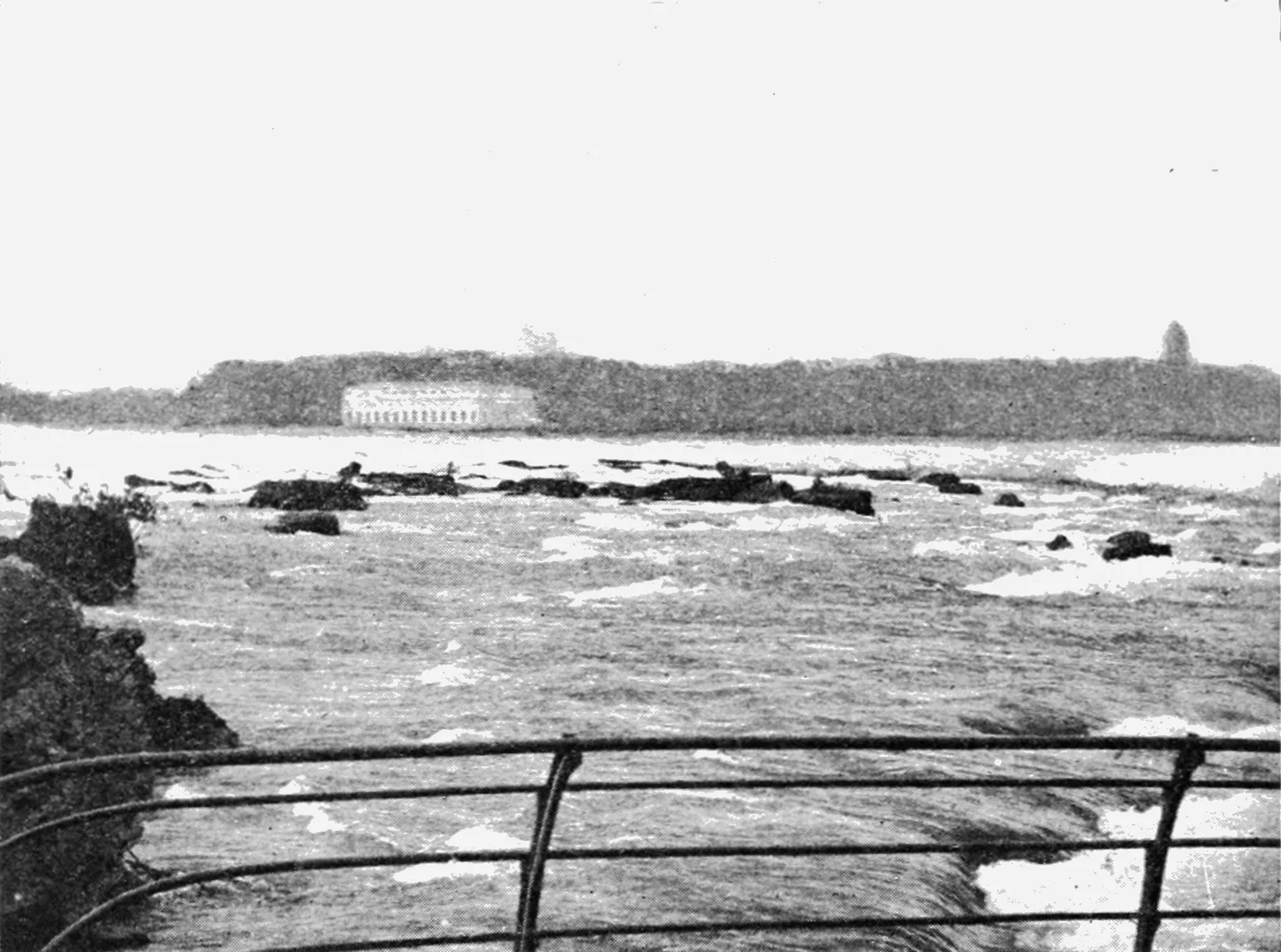
The tunnel mouth opens onto an expansive wooden observation platform perched right above the surging waters of the lower Niagara River. From this elevated perch, we gain sweeping views across the swirling river gorge towards the base of Horseshoe Falls. White water boils beneath the timber deck, rushing rapidly downstream toward distant whirlpools and rapids. To see how these powerful river currents behave further down the gorge, check the boardwalk trails at White Water Walk Whirlpool Aero Car and Glen. The platform presents a dry perspective on the lower gorge without requiring a seat on a spray-soaked vessel. Viewing panels help visitors trace the original flow paths where diverted water returned smoothly into the wild riverbed.
Winter Subterranean Touring and River Route Comparisons
When sub-zero conditions transform the gorge into an icy kingdom, subterranean passages remain consistently accessible for river travellers. While open tour vessels pause during freezing winter months, these rock galleries and brick tailrace passages welcome visitors throughout cold seasons. Frozen mist coats gorge railings with thick layers of rime, forming delicate natural ice sculptures against the dark cliff face. Deep below ground, the rock protects walkways from biting winter winds, providing shelter between outdoor platform stops. The steady subterranean temperatures feel surprisingly temperate compared to the frosty air gusting along the surface paths.
| Subterranean Site | Primary Feature | Viewing Experience | Seasonal Notes |
|---|---|---|---|
| Journey Behind the Falls | Bedrock rock portals | Cathedral rumble behind water curtain | Open year-round with lower deck winter adjustments |
| Niagara Parks Power Station | Historic brick tailrace | Industrial hall and lower gorge platform | Complete shelter during tunnel walk out to platform |
| Gorge Riverbank Paths | Surface stone walkways | Open panoramic sightlines across river | Subject to icy spray and winter winds |
We appreciate having multiple subterranean options when planning our visits across varying seasonal conditions. Each passage offers unique vantage points on the sheer volume and persistent power of the descending river. Combining these two underground landmarks gives a rounded perspective on both natural forces and early industrial engineering achievements. Walking beneath the thundering crest and inside the historic brick tailrace reveals how geological formations and early electric utilities shaped the Niagara corridor.
Official prices and opening hours
- Journey Behind the Falls & Niagara Parks Power StationOfficial site ↗
- WEGO Hop-On Hop-Off Bus & GO+WEGO Combo PackageOfficial site ↗
Where it is
- 1Journey Behind the Falls and Niagara Parks Power Station
- Toronto Pearson International Airport (YYZ) · about 80 km from here in a straight line
- Directions in Google Maps
Stations and taxi ranks: OpenStreetMap. Airports: OurAirports. Distances are in a straight line.
Traveller tips
Real advice from people who have been to Niagara Falls. Every tip is read by our team before it goes live.
No tips yet. Been here? Yours could be the first.
Thank you! Your tip will appear here after a quick review.
More in Niagara Falls
Continue exploring Niagara Falls with related neighbourhood, food, and planning guides
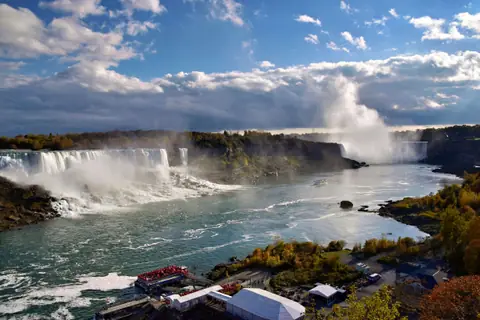
Welland Canal Lock 3 and Port Dalhousie: Great Lakes Shipping Engineering
Niagara Falls, Canada
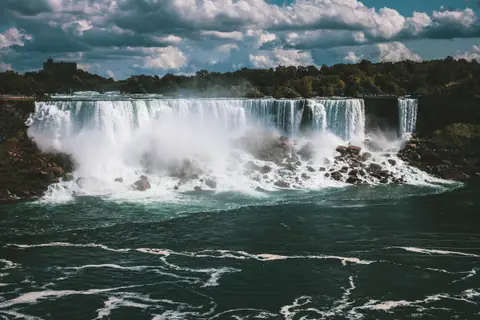
Dining Around Niagara Falls: Crest Tables, Peninsula Orchards and Icewine
Niagara Falls, Canada
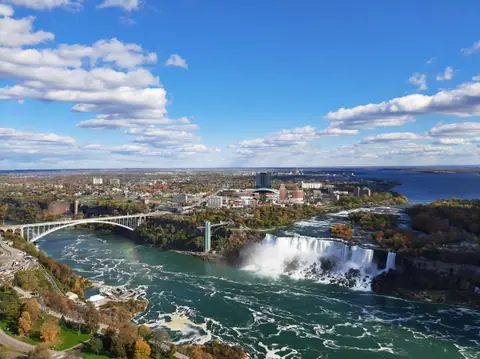
Getting to Niagara Falls by Train, Coach, Flight, and Car
Niagara Falls, Canada
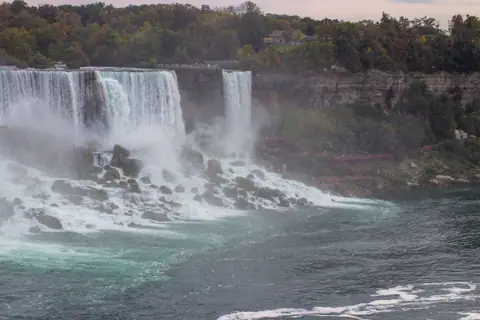
Getting Around Niagara Falls: WEGO Buses, Incline Railway and Parking
Niagara Falls, Canada
