Niagara Wine Country: Icewine Estates and Cycling Loops
Niagara Peninsula vineyards yield exceptional sweet icewines and gentle cycling trails running between Lake Ontario and the Niagara River gorge.
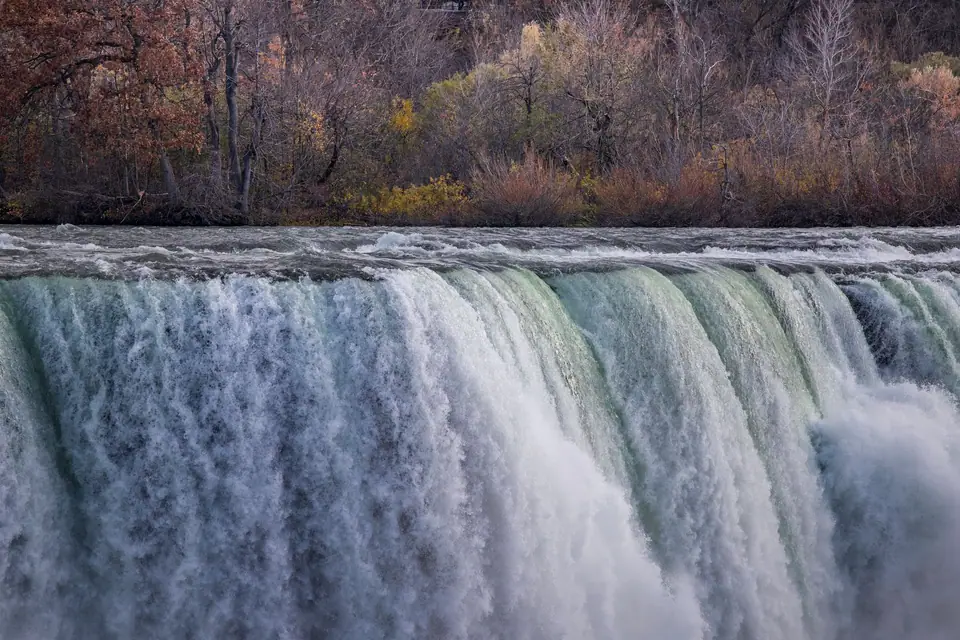
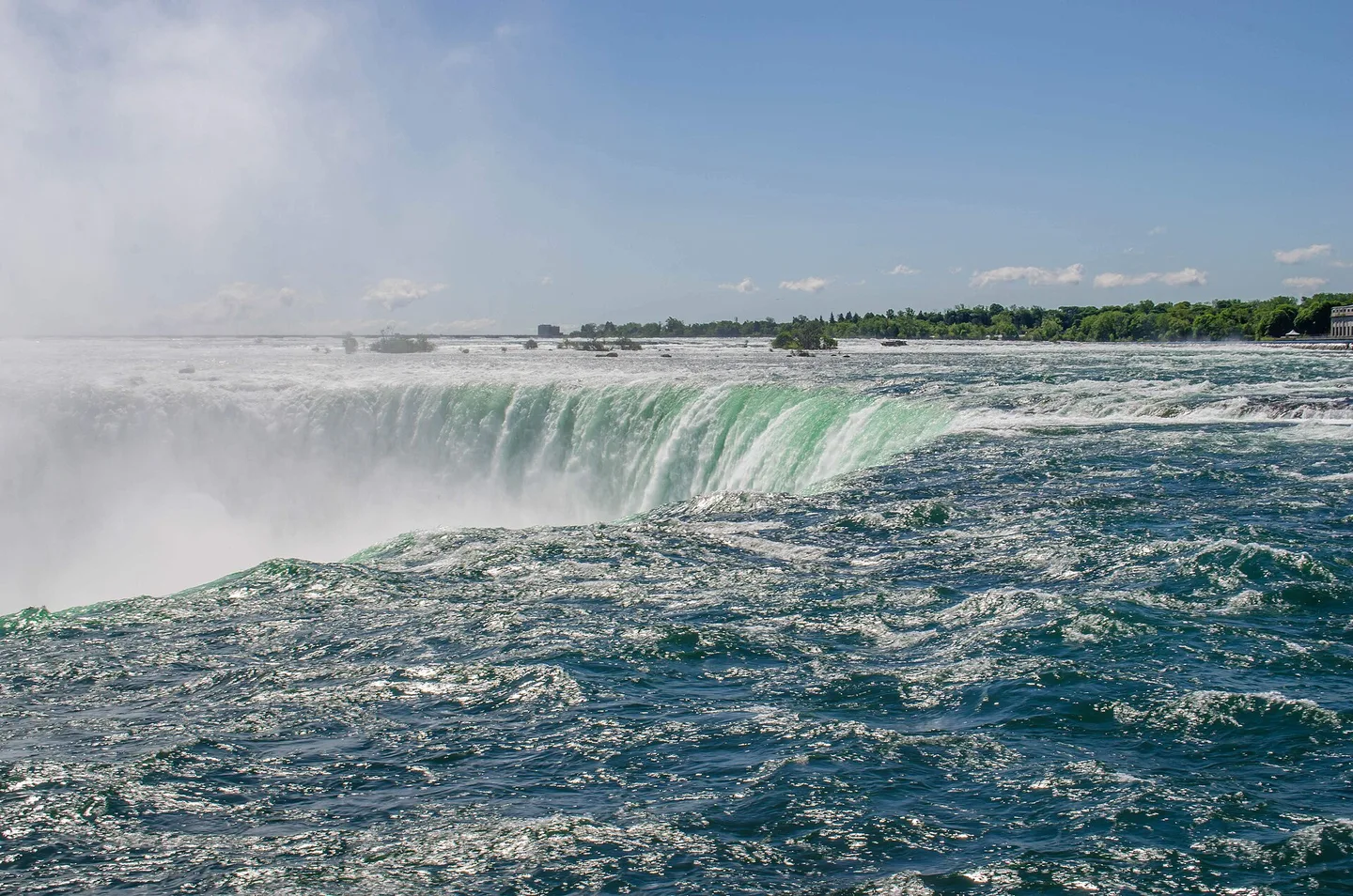
Rolling countryside stretches north from the roaring gorge toward the gentle shores of Lake Ontario, shaping one of Canada's prime wine territories. The Niagara Peninsula benefits from a unique microclimate moderated by deep lake waters and the limestone ridge of the Niagara Escarpment. Air currents moving between the water and the cliff trap warmth during autumn, yet allow sub-zero conditions to freeze grapes solidly on the vine in midwinter. These conditions produce VQA icewine, an internationally celebrated dessert wine crafted from naturally frozen fruit pressed while temperatures remain bitter. Sampling these intense nectars offers an intriguing counterpoint to watching river currents from Horseshoe Falls and Table Rock.
VQA Icewine and the Niagara Microclimate
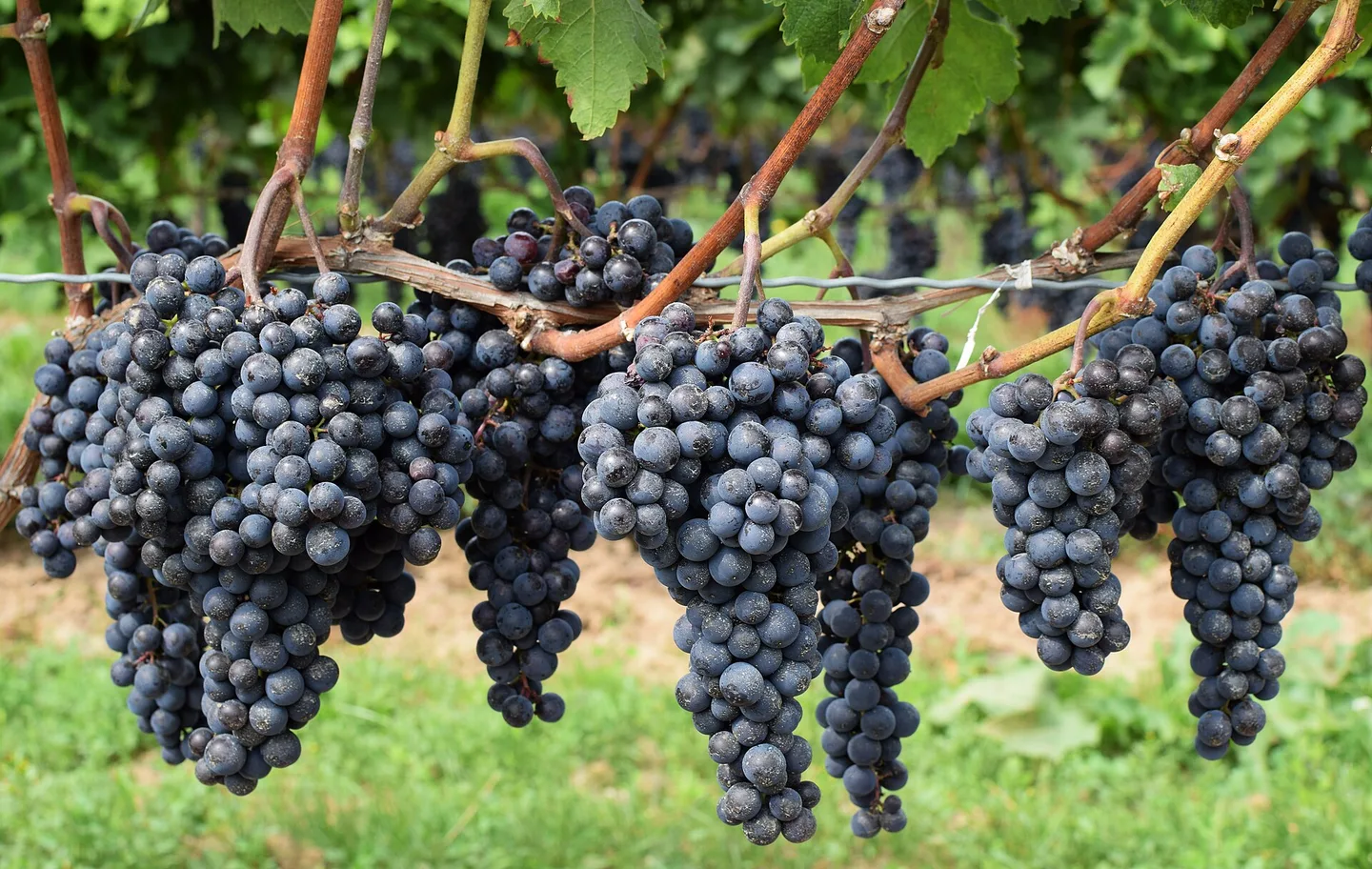
True Canadian icewine follows strict regulations set by the Vintners Quality Alliance to ensure harvest integrity and natural concentration. Pickers harvest frozen clusters by hand late at night or before dawn, racing against rising morning temperatures to preserve icy crystals. Vidal grapes produce robust aromas of peach, honey, and candied citrus, whereas Riesling varieties retain crisp acidity that prevents excessive cloying sweetness. Cabernet Franc creates rare coral-tinted red icewines packed with flavours of strawberry and rhubarb. Because frozen water stays behind in the press as ice, each vine yields merely one small glass of precious juice.
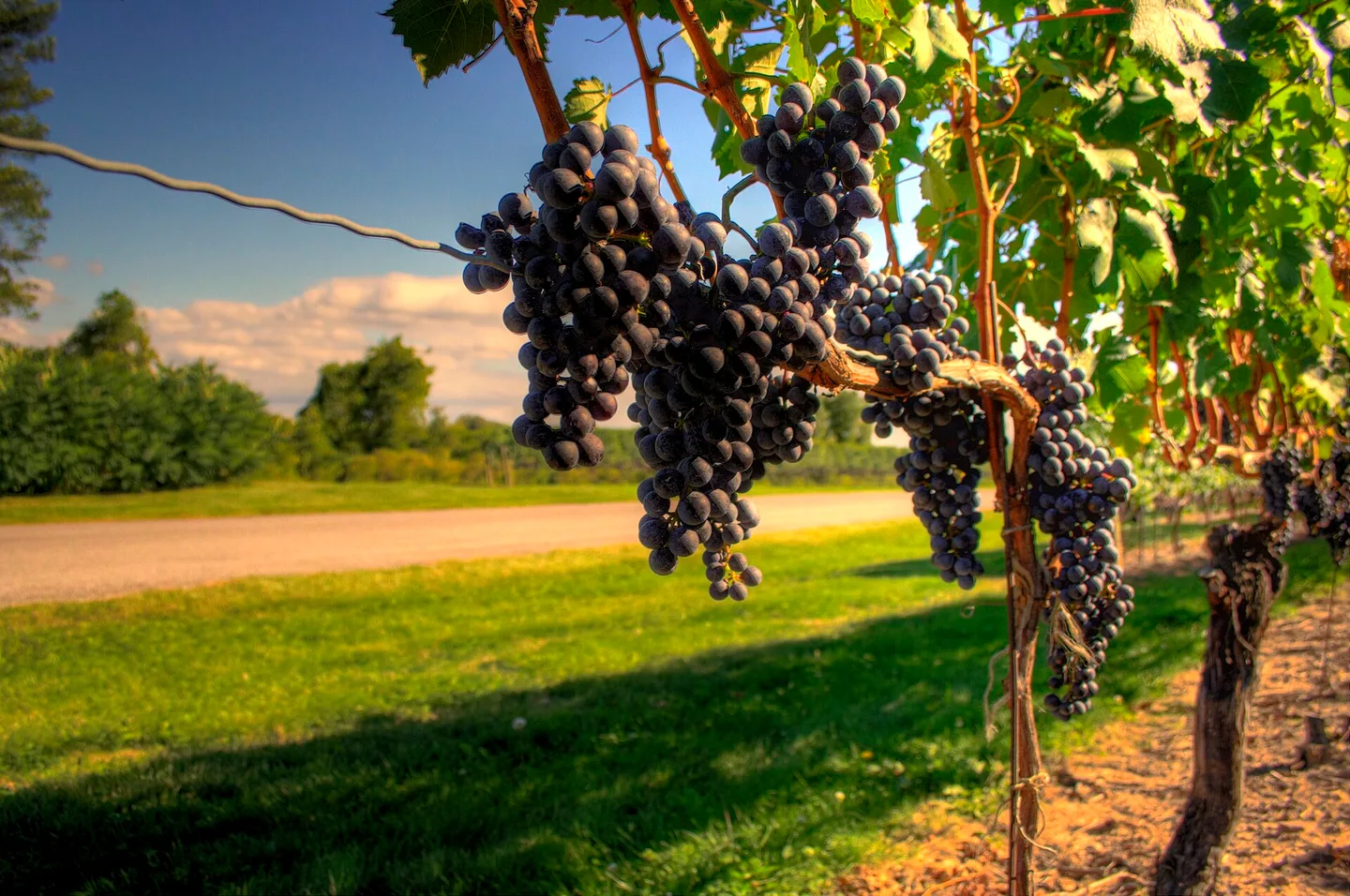
Visitors can savour these golden pours across estate tasting rooms, often pairing them with sharp regional cheeses or savoury pâtés to balance the high residual sugar. Glassware shapes matter during service, as narrow rims focus delicate floral aromatics toward the nose while keeping the liquid refreshingly cool. Estate cellars frequently showcase vintage libraries, allowing guests to compare youthful bottles against aged bottles that develop complex hazelnut notes. Wine education sessions detail how vineyard nets protect vulnerable winter fruit from foraging birds before the deep freeze arrives.
Cycling the Niagara River Recreation Trail
Pedalling provides an ideal pace for moving between historic river lookouts and green farm rows without highway traffic. The Niagara River Recreation Trail runs as a paved, multi-use path separated from automotive lanes, beginning near the whirlpools and winding toward quiet lakefront parks. Gentle gradients make the route accessible to casual cyclists, families, and leisurely groups seeking leafy scenery. Shaded rest stops overlook limestone currents, historic war battlefields, and roadside fruit stands selling seasonal peaches and cherries.
Renting a bicycle near the river allows travellers to connect outdoor exercise with tranquil tasting stops along the parkway. The trail links directly with rural side lanes, letting riders turn inland toward boutique family presses and modern architectural showpieces. Because the path remains largely flat across the northern plain, cyclists can cover substantial ground without exhausting physical climbs. Many riders pause along the riverbanks to watch migratory waterfowl before continuing toward historic town squares.
Rural Tasting Roads and Key Cellar Loops
Inland from the river trail, quiet country lanes weave past apple orchards, peach groves, and orderly vine rows. Exploring these country routes reveals distinct soil profiles, microclimates, and small-batch winemakers tucked away from main thoroughfares.
- Niagara Stone Road: Wide estate driveways leading to grand properties with expansive cellar halls and outdoor tasting terraces.
- Four Mile Creek: Meandering rural lanes where small family estates focus on low-intervention production and organic vineyard practices.
- East-West Line: Long, straight farm roads bordered by classic red barns, heritage farmhouse tasting rooms, and lush peach orchards.
- Lakeshore Road: Breezy waterfront stretches where moderating maritime winds help cool-climate Chardonnay and Pinot Noir flourish.
Navigating between these tasting rooms requires clear transportation plans to maintain road safety and comfort. Booking an organised cycling tour or hiring a designated local driver helps everyone in your group sample pours responsibly. Several outfitters supply lightweight touring bicycles equipped with insulated panniers designed specifically to protect purchased wine bottles from sun and vibration. Self-guided cycle routes allow travellers to set their own tempo, stopping for vineyard picnics beneath shady willow trees.
Planning a Vineyard Itinerary from the Falls
Combining morning waterfall sights with afternoon wine tasting produces a well-rounded holiday itinerary. You can discover classic river sights through Niagara Falls sightseeing itineraries before catching regional transit northward into wine country. WEGO shuttles and local seasonal connectors provide simple links between lively hotel districts and quiet northern bike hire hubs. Confirm estate tasting reservations and shuttle connector schedules directly online before riding out from town.
| Route Area | Primary Focus | Travel Style |
|---|---|---|
| Niagara Parkway | River vistas, grand heritage estates | Paved off-road cycling path |
| Four Mile Creek | Small-batch labels, organic vintages | Rural roads via bike or driver |
| East-West Line | Rustic tasting bars, farmhouse patios | Quiet country lanes by cycle |
| Lakeshore Route | Cool-climate whites, lake breezes | Guided minibus or private car |
After an active day pedalling along farm roads and sampling rare sweet vintages, returning south lets you witness illuminated river rapids at twilight. Many travellers pair their countryside ride with evening dining options or an excursion to Journey Behind the Falls tunnels to appreciate the sheer power of local waterways. Planning cellar reservations ahead guarantees leisurely service during harvest season and winter icewine festivals.
Official prices and opening hours
- WEGO Hop-On Hop-Off Bus & GO+WEGO Combo PackageOfficial site ↗
Where it is
- 1Niagara Falls
- Toronto Pearson International Airport (YYZ) · about 70 km from Niagara Falls in a straight line
- Directions in Google Maps
Stations and taxi ranks: OpenStreetMap. Airports: OurAirports. Distances are in a straight line.
Traveller tips
Real advice from people who have been to Niagara Falls. Every tip is read by our team before it goes live.
No tips yet. Been here? Yours could be the first.
Thank you! Your tip will appear here after a quick review.
More in Niagara Falls
Continue exploring Niagara Falls with related neighbourhood, food, and planning guides
Crossing Rainbow Bridge on Foot: Goat Island and Cave of the Winds
Niagara Falls, Canada
Niagara Falls Illumination, Fireworks and Winter Festival of Lights
Niagara Falls, Canada
Niagara Parkway Gardens: Butterfly Conservatory, Floral Clock and Grounds
Niagara Falls, Canada
Welland Canal Lock 3 and Port Dalhousie: Great Lakes Shipping Engineering
Niagara Falls, Canada
