Photo: Benreis · CC BY-SA 4.0
What to Eat in Nuuk: Suaasat, Arctic Seafood and Kalaaliaraq Market
Discover what to eat in Nuuk, Greenland. From traditional suaasat soup and mattak to cold-water shrimp, musk ox, and Kalaaliaraq fish market, here is your culinary guide.
Because permanent ice covers the majority of Greenland's interior and sub-zero temperatures dominate much of the year, traditional Greenlandic cuisine relies on the cold, nutrient-rich marine waters of the Labrador Sea and the autumn tundra hunt. Open-Meteo climate records from 2015 to 2024 show that Nuuk endures sub-zero daily highs from November through April, with February averaging daily maximums of -6°C and lows of -10.9°C across 13 wet days. Even in July, when highs reach a modest 11.1°C and lows sit at 4.4°C across 91 millimetres of rainfall, warm and calorific meals remain central to daily life. In the capital, centuries-old Inuit preservation methods meet contemporary Nordic culinary preparation across harbourside dining rooms, hotel restaurants, Cafétuaq inside the Katuaq Cultural Centre, and the summer kitchen at Qooqqut Nuan reached on Nuup Kangerlua fjord cruises.
Suaasat and Traditional Inuit Marine Staples
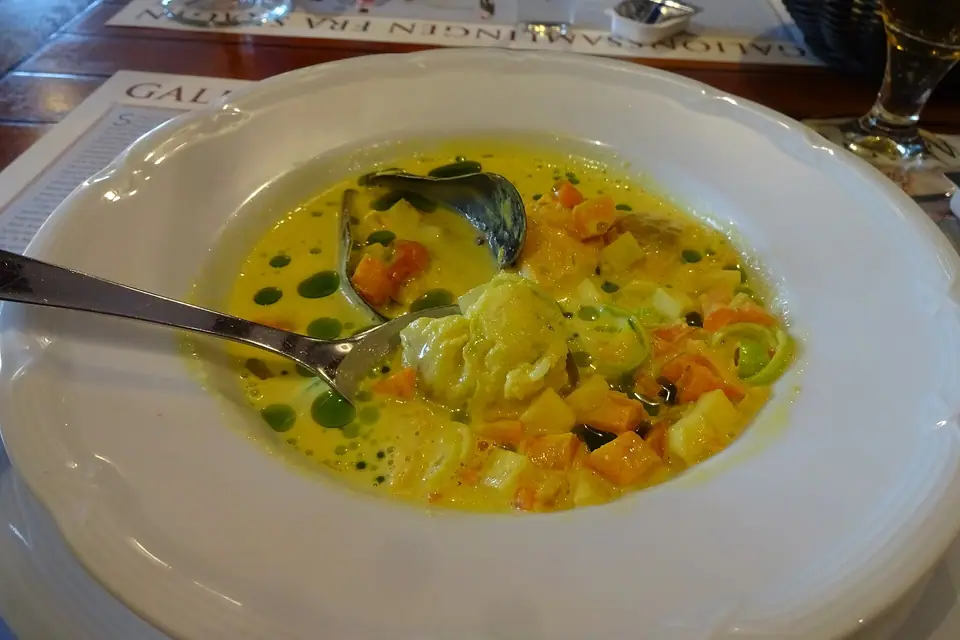
Greenland's national dish is suaasat, a clear, warming broth simmered with seal, whale, reindeer, or seabird meat. Cooks gently boil the meat with onions and potatoes, seasoning the pot with salt, black pepper, and bay leaves. The soup is thickened either with white rice or by steeping barley overnight so natural starches leach into the cooking liquid. This creates a sustaining meal built to counter harsh sub-polar maritime winds. Beyond suaasat, traditional hunters rely on mattak, which consists of diced raw hide of narwhal or beluga whale with an attached thin layer of blubber. Eaten with a sprinkle of coarse salt, mattak provides a firm, nutty bite and has served for centuries as an essential source of vitamin C in a climate where cultivated citrus cannot grow. Another marine staple is ammassat, small capelin caught in spring shoals, spread across flat coastal rocks to dry in the Arctic wind, and eaten as a savoury snack with seal fat or dried cod.
Cold-Water Pink Shrimp, Halibut and Snow Crab
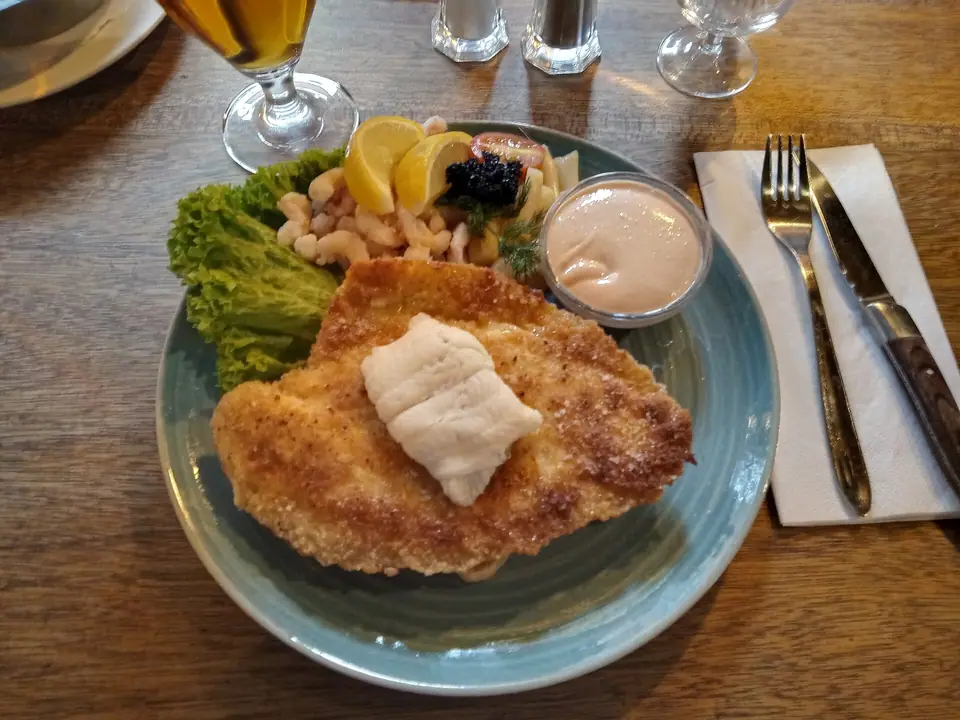
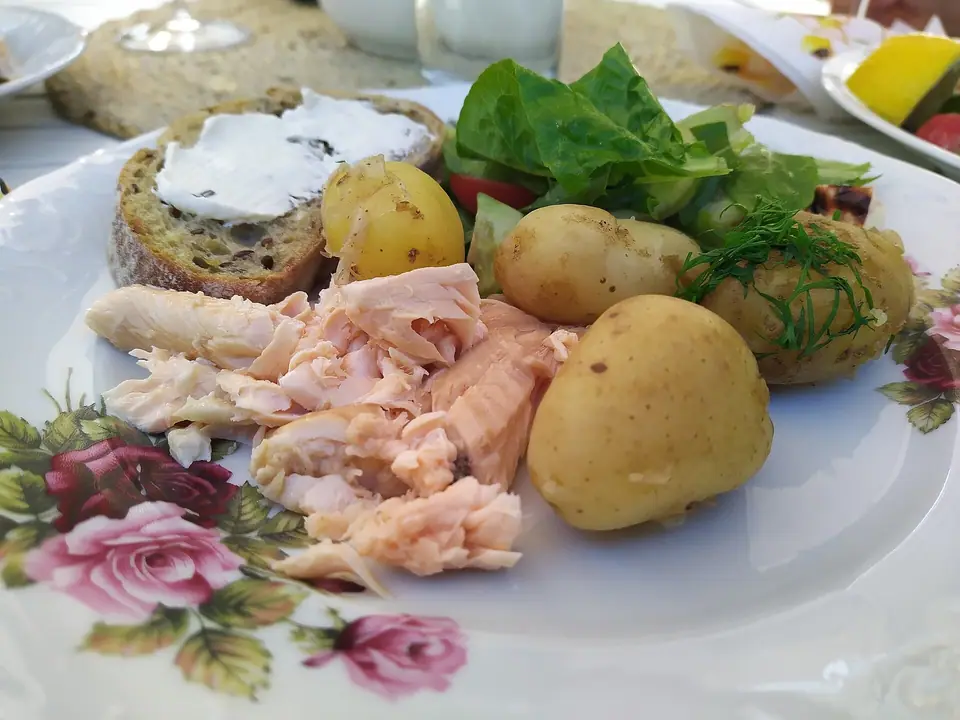
Nuuk functions as the primary operational base for nearly half of Greenland's commercial fishing fleet. The local Royal Greenland processing plant manages substantial catches from surrounding offshore grounds. Cold-water pink shrimp (Pandalus borealis) represents roughly 80 per cent of this industrial harvest. These crustaceans grow slowly in deep, frigid fjords, developing a concentrated sweetness and firm texture. Local eateries serve them piled cold over buttered Danish dark rye bread with mayonnaise and fresh dill. Deep-water Greenland halibut (Reinhardtius hippoglossoides) is another key species, prized for its dense, buttery white flesh that tolerates hot smoking, pan-searing, and light curing. Snow crab (Chionoecetes opilio, known locally as saattuaq) yields sweet leg clusters boiled in salted water or baked with herb butter, offering delicate shellfish flavours harvested directly from sub-zero ocean trenches.
Tundra Game and Wild Foraged Botanicals
When sea ice recedes and land temperatures rise during the brief summer window, local hunting shifts toward terrestrial game across the vast valleys framing the fjords. Wild reindeer (tuttu) roam the tundra slopes, producing exceptionally lean, dark red venison with subtle herbal notes from grazing on lichens, dwarf birch, and willow. Musk ox (umimmak), native to northern and western Greenland, yields richer, deeply marbled meat resembling grass-fed beef with a pronounced game character. Chefs often braise musk ox shanks in dark stock or roast tenderloins over root vegetables. Foraged elements introduce bright acidity to balance these heavy meats. Crowberry (paarnaq, or Empetrum nigrum) carpet the hillsides around the hiking routes below Quassussuaq, producing small, astringent black berries simmered into tart sauces and dessert compotes. Wild angelica (kimmernaq) grows in damp ravines, lending an aniseed-like aromatic bite to broths, cured fish marinades, and herbal infusions.
Kalaaliaraq Market and Local Food Procurement
To witness how residents buy fresh Arctic provisions, head down toward the harbour area to visit Kalaaliaraq, which translates as "The Little Greenlander". This traditional covered fish and meat market serves as the primary trade floor where certified local hunters and fishermen sell their daily yield directly to the community. Benches display freshly dressed cod fillets, whole halibut, pink shrimp, seal steaks, whale meat, and portions of caribou or musk ox according to seasonal hunting quotas. Transactions occur directly between consumers and hunters, preserving an urban link to ancestral subsistence lifestyles. Travellers staying in apartments booked through our Nuuk accommodation guide can purchase fresh halibut or shrimp here to cook independently. Because operating hours and seasonal yields change according to hunting conditions and weather shifts, visitors should check on-site notices rather than assuming fixed daily merchant schedules.
Arctic Beers, Greenlandic Coffee and Coastal Dining Culture
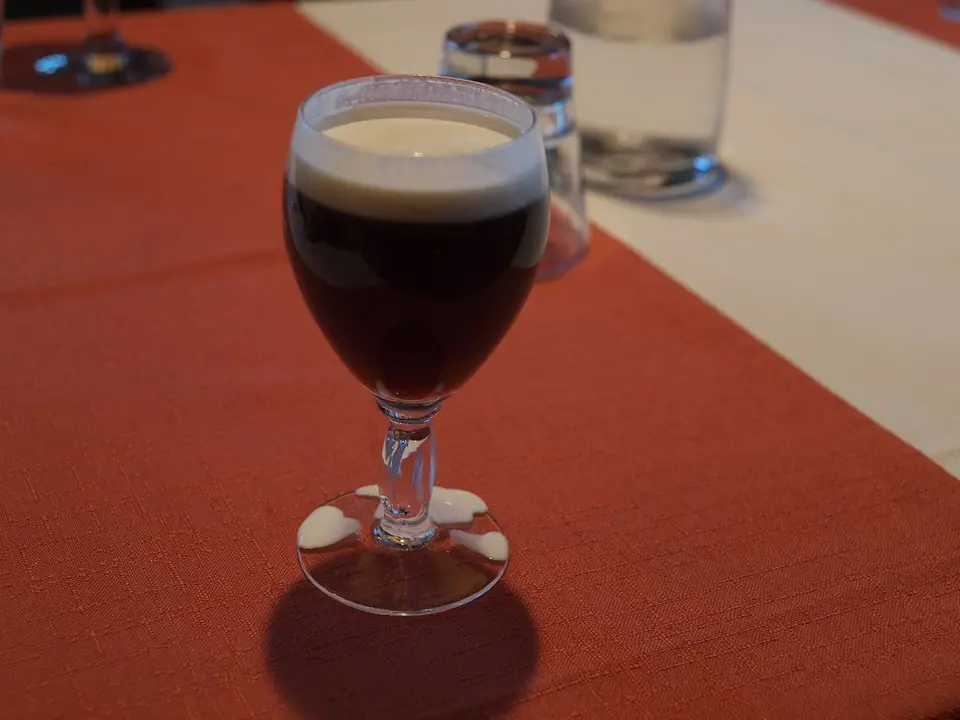
Dining in Nuuk extends to distinctive local beverages crafted for cold evenings. Godthaab Bryghus produces craft ales and lagers brewed with pure glacial meltwater, resulting in clean mineral profiles that pair neatly with smoked halibut or rich game stews. Dinner in traditional dining establishments frequently finishes with Greenlandic coffee, an elaborate layered drink served with theatrical presentation. Servers combine hot black coffee with whisky, Kahlúa, and Grand Marnier beneath a thick layer of whipped cream. When serving the glass, staff ignite the Grand Marnier, creating a blue flame that cascades over the cream into the cup. The ritual represents the polar night, the northern lights, and the glowing ice sheet, delivering a spirited finish to an evening meal in the capital.
Greenlandic Culinary Ingredients at a Glance
| Ingredient / Dish | Greenlandic Name | Primary Source | Traditional Preparation |
|---|---|---|---|
| National Soup | Suaasat | Seal, whale, reindeer, or seabird | Boiled with potatoes, onions, bay leaves, thickened with barley or rice |
| Whale Skin with Blubber | Mattak | Narwhal or beluga whale | Eaten raw, cut into small cubes, seasoned with coarse salt |
| Deep-Sea Flatfish | Qaleralik | Greenland halibut from fjord troughs | Pan-seared, cured into gravlax, or hot-smoked over wood |
| Tundra Herb | Kimmernaq | Wild angelica from coastal valleys | Infused into marinades, herbal teas, or broths for aromatic anise notes |
| Arctic Game Meat | Umimmak | Tundra musk ox | Braised slowly in rich stock or roasted as prime loin medallions |
Where it is
- 1Nuuk
- Nuuk International Airport (GOH) · about 3 km from Nuuk in a straight line
- Directions in Google Maps
Stations and taxi ranks: OpenStreetMap. Airports: OurAirports. Distances are in a straight line.
Traveller tips
Real advice from people who have been to Nuuk. Every tip is read by our team before it goes live.
No tips yet. Been here? Yours could be the first.
Thank you! Your tip will appear here after a quick review.
More in Nuuk
Continue exploring Nuuk with related neighbourhood, food, and planning guides