Photo: Quintin Soloviev · CC BY-SA 4.0
What to Wear in Nuuk: Arctic Layering and Seasonal Packing Guide
Master Arctic layering in Nuuk with our complete packing guide covering merino base layers, windproof outer shells, fjord boat gear, and winter ice cleats.
Dressing comfortably in Greenland's capital requires preparing for bitter wind, salt spray, and microclimate shifts between sheltered streets and open water. Even when a calm July afternoon reaches 11.1°C outside the Katuaq Cultural Centre, boarding an open vessel into Nuup Kangerlua drops wind-chill readings below freezing within minutes. Sub-zero fjord water sits near 2°C, and ocean winds strip body heat rapidly. Conversely, winter warm winds can briefly lift January temperatures above freezing before dropping back to -10°C overnight. Pairing our checklist with the month-by-month weather guide ensures you stay warm, dry, and protected across every excursion.
Nuuk sits in a maritime tundra zone where gale-force gusts can exceed 68 kilometres per hour. Heavy cotton sweatshirts and denim jeans absorb moisture from sweat and sea spray, chilling skin rapidly. A modular three-layer clothing system allows you to adapt immediately as conditions alter between indoor heated museums and exposed granite ridges.
Summer Layering Strategy from June to August
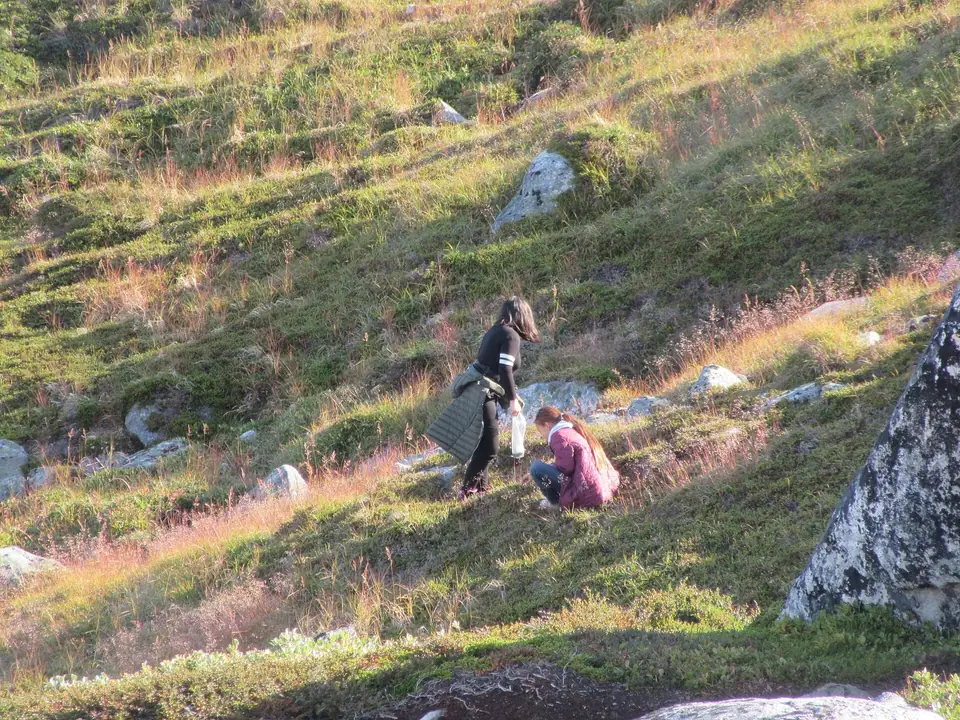
Summer in Nuuk brings average daytime highs of 8.4°C in June, 11.1°C in July, and 10.2°C in August. Low temperatures hover between 2.0°C and 4.5°C, with roughly 11 to 13 wet days each month. Sunshine feels surprisingly warm in sheltered coves, but persistent sea breezes mean light summer clothes are unsuitable on their own.
- Next-to-skin base layer: Pack two or three long-sleeved tops and bottoms made of 200-weight merino wool or synthetic technical weave. Merino breathes naturally, wicks perspiration, and resists odour over multi-day itineraries.
- Insulating mid layer: A dense fleece pullover or lightweight down jacket traps body heat without adding excessive bulk. This layer should fit comfortably over your base garment and compress easily into a daypack.
- Waterproof and windproof shell: A breathable, seam-sealed hooded jacket with a rating of at least 15,000 millimetres hydrostatic head protects against driving rain. Matching windproof trousers prevent chills during sudden showers or boat transfers.
- Summer accessories: Carry a warm woollen beanie and light wind-resistant gloves even in July. High-glare reflection off coastal waters requires UV400 polarized sunglasses. A fine-mesh head net is indispensable against blackflies and midges when walking sheltered inland valleys near Kapisillit.
Winter and Shoulder-Season Outfitting from October to April
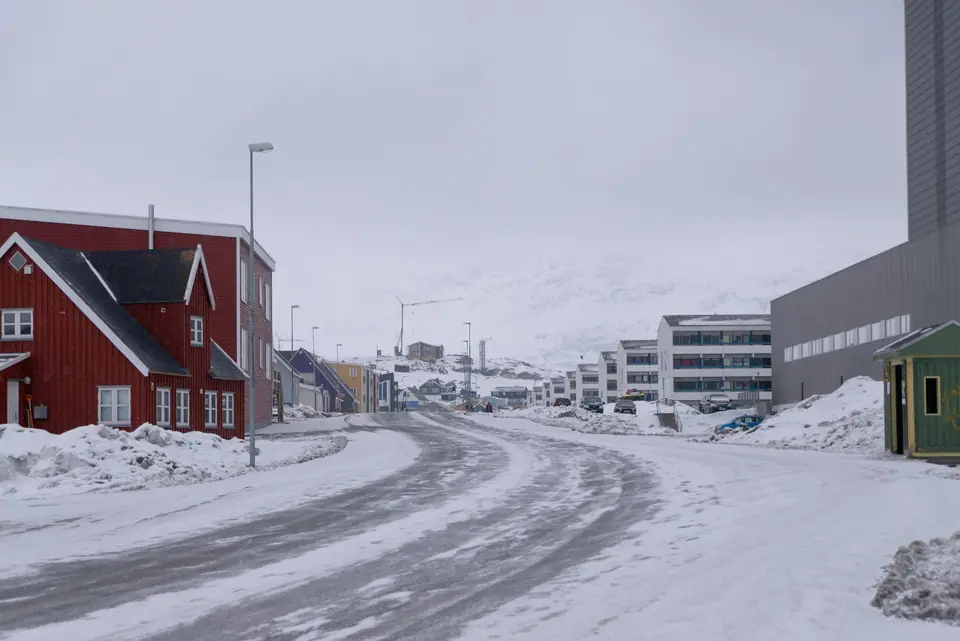
From November through April, Nuuk experiences sustained sub-zero temperatures. January and March average highs of -5.0°C and lows touching -10.0°C, while February plunges to daytime highs of -6.0°C and overnight lows near -10.9°C. Snow, sleet, and freezing rain bring between 13 and 15 wet days every month. Arctic wind chills make temperatures feel ten degrees colder than raw thermometer readings suggest.
Your winter insulation must be substantially thicker. Upgrade your base layer to 250-weight or 300-weight merino wool. Your mid layer should feature high-loft synthetic batting or heavy down fill rated for sub-zero conditions. An outer parka with a windproof exterior and a deep, snorkel-style storm hood shields facial skin from frostbite during blustery coastal squalls. Insulated snow trousers or windproof shell bibs worn over thermal tights keep your legs warm when walking through deep drifts.
Footwear, Grip Accessories, and Town Etiquette
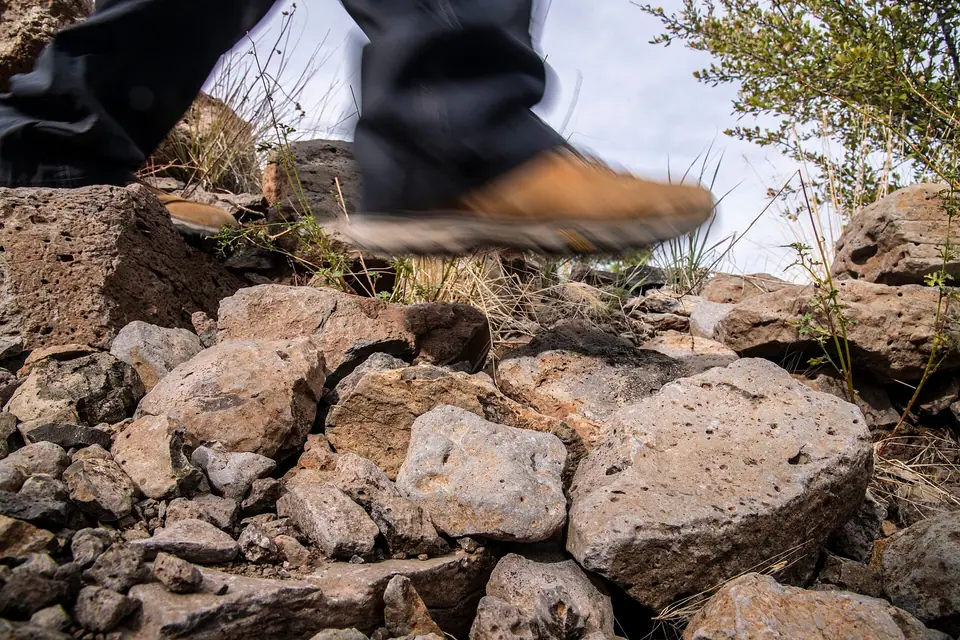
Granite bedrock, mossy tundra turf, and icy roads make footwear selection critical. For summer hikes on Quassussuaq and Ukkusissat, choose sturdy, waterproof ankle-high boots with deep Vibram lugs. Ankle support prevents twists when crossing loose scree slopes and boggy hollows. Pack several pairs of cushioned merino trekking socks to prevent friction blisters.
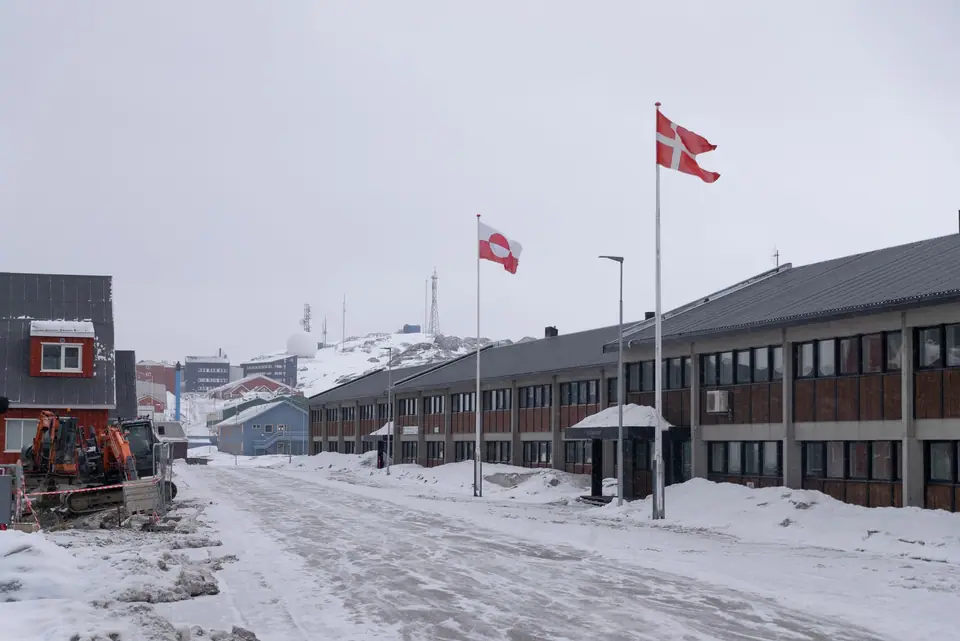
In winter, choose snow boots lined with fleece or wool and rated to -20°C. Slip-on traction cleats with hardened steel spikes or tungsten carbide studs are mandatory safety gear for city pavements. Nuuk hills freeze into polished sheets of glare ice after rain-on-snow events, making unassisted walking treacherous. Local etiquette requires removing muddy hiking boots or studded ice grips at the entrance of private homes, hotels, and selected public buildings, so select footwear you can slip off and on without struggling.
Core Clothing Systems for Nuuk Activities
| Activity | Base and Mid Layer | Outer Layer | Footwear and Gear |
|---|---|---|---|
| Fjord Boat Tours | Heavy merino wool base plus thick lofted fleece jacket | Seam-sealed windproof parka and waterproof trousers | Insulated waterproof boots, warm woollen hat, thermal mittens |
| Mountain Hiking | Lightweight merino top and breathable stretch mid layer | Packable hardshell jacket with ventilation pit zips | High-ankle waterproof hiking boots, polarized sunglasses, head net |
| Winter Town Walking | Medium-weight thermal leggings and wool sweater | Thigh-length insulated down parka with deep hood | Winter snow boots, tungsten slip-on ice cleats, reflective wristbands |
| Museums and Dining | Casual merino long-sleeve shirt or fine knit jumper | Removable water-resistant coat or softshell jacket | Comfortable walking shoes with easy-removal fastenings |
Indoor Heating and Essential Accessories
Public interiors across Nuuk are heated thoroughly to standard room temperatures between 20°C and 22°C. Walking straight from a freezing street into a cultural venue or restaurant can cause rapid overheating if your outer insulation is difficult to unfasten. Dressing in accessible tiers ensures you remain comfortable indoors while running errands or taking in local exhibits.
Dry Arctic air chaps skin quickly during outdoor excursions. Carry SPF lip balm and rich barrier cream in your daypack. A compact dry bag protects your smartphone and camera electronics from sea spray during coastal boat journeys, while spare batteries should be kept in an interior pocket close to your chest to prevent cold-induced power drains.
Weather by month
Nuuk is warmest in July, with average highs around 11°C, and coldest in February, when nights drop to about -11°C. March is the wettest month by rainfall (105 mm), with rain on about 15 days.
| Month | Low | Range | High | Rain | Rainy days |
|---|---|---|---|---|---|
| Jan | -10°C | -5°C | 98 mm | 14 d | |
| Feb | -11°C | -6°C | 91 mm | 13 d | |
| Mar | -10°C | -5°C | 105 mm | 15 d | |
| Apr | -5°C | -1°C | 91 mm | 13 d | |
| May | -1°C | 4°C | 91 mm | 13 d | |
| Jun | 2°C | 8°C | 77 mm | 11 d | |
| Jul | 4°C | 11°C | 91 mm | 13 d | |
| Aug | 5°C | 10°C | 91 mm | 13 d | |
| Sep | 2°C | 7°C | 98 mm | 14 d | |
| Oct | -2°C | 2°C | 98 mm | 14 d | |
| Nov | -5°C | -1°C | 98 mm | 14 d | |
| Dec | -8°C | -3°C | 98 mm | 14 d |
Averages of daily values from 2015 to 2024. Rainy days are days with at least 1 mm of rain. Source: Open-Meteo · Compare destinations by month.
Where it is
- 1Nuuk
- Nuuk International Airport (GOH) · about 3 km from Nuuk in a straight line
- Directions in Google Maps
Stations and taxi ranks: OpenStreetMap. Airports: OurAirports. Distances are in a straight line.
Traveller tips
Real advice from people who have been to Nuuk. Every tip is read by our team before it goes live.
No tips yet. Been here? Yours could be the first.
Thank you! Your tip will appear here after a quick review.
More in Nuuk
Continue exploring Nuuk with related neighbourhood, food, and planning guides