Photo by Howei Wang on Unsplash
Vancouver Seasonal Guide: Sunshine, Blossom Seasons, and Pacific Rains
We outline Vancouver across four distinct seasons, balancing glorious summer sunshine against spring coastal blooms and peaceful winter alpine snowfall.
Vancouver experiences an oceanic climate shaped by Pacific currents and towering coastal ranges. These geographic elements create distinct shifts between midsummer warmth and winter drizzle. Midsummer brings extended dry spells where clear blue skies dominate the coastline. These sunny intervals offer ideal conditions for long waterfront cycling loops and relaxed outdoor dining. Visitors will find that waterfront terraces fill quickly as coastal breezes moderate the afternoon heat across English Bay.
Summer Dry Spells and Coastal Sunshine
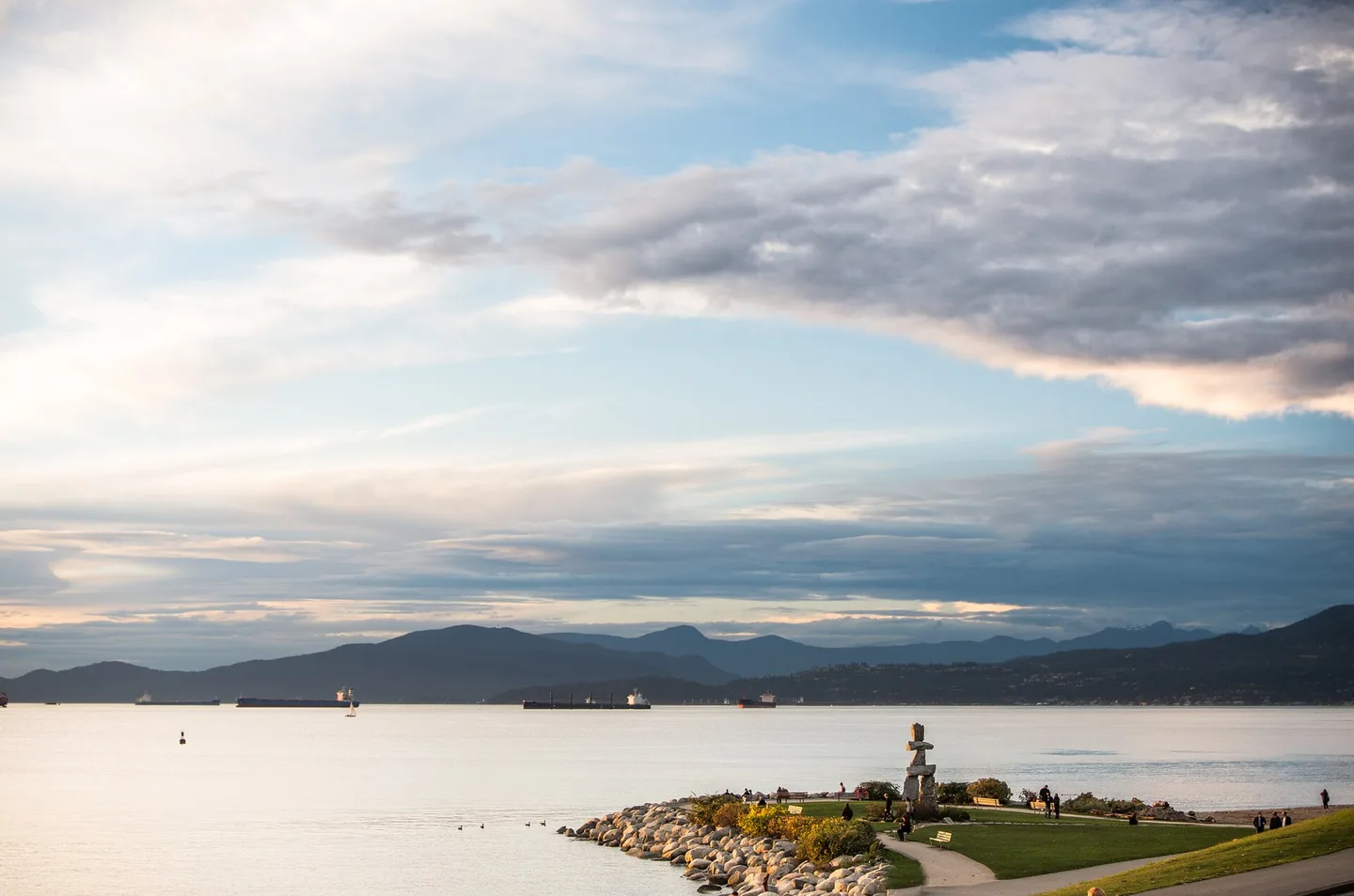
Warm sunshine defines the months from mid-June through September. This stretch represents the driest and sunniest period of the entire calendar year. Ocean breezes keep urban temperatures comfortable along the seawall, avoiding the oppressive humidity often experienced in eastern Canadian cities. Packing light layers allows travellers to adapt smoothly when evening winds roll across Burrard Inlet after dusk.
Long daylight hours give plenty of time to explore waterfront pathways, forested parks, and open beaches without worrying about sudden rainstorms. Outdoor activities thrive throughout this sunny window, drawing boaters, kayakers, and paddleboarders to urban waters across the city. Practical layering advice in our what to wear in Vancouver guide helps you assemble a versatile holiday wardrobe.
Public parks and outdoor patios create a friendly social atmosphere as residents and travellers gather along the seaside. Because this represents the peak tourist period, popular waterfront viewpoints and harbour ferries naturally experience higher visitor numbers throughout the afternoons. Starting outdoor strolls early in the day helps avoid busier footpaths while enjoying calm maritime water conditions.
Spring Blooms Along Pacific Parks
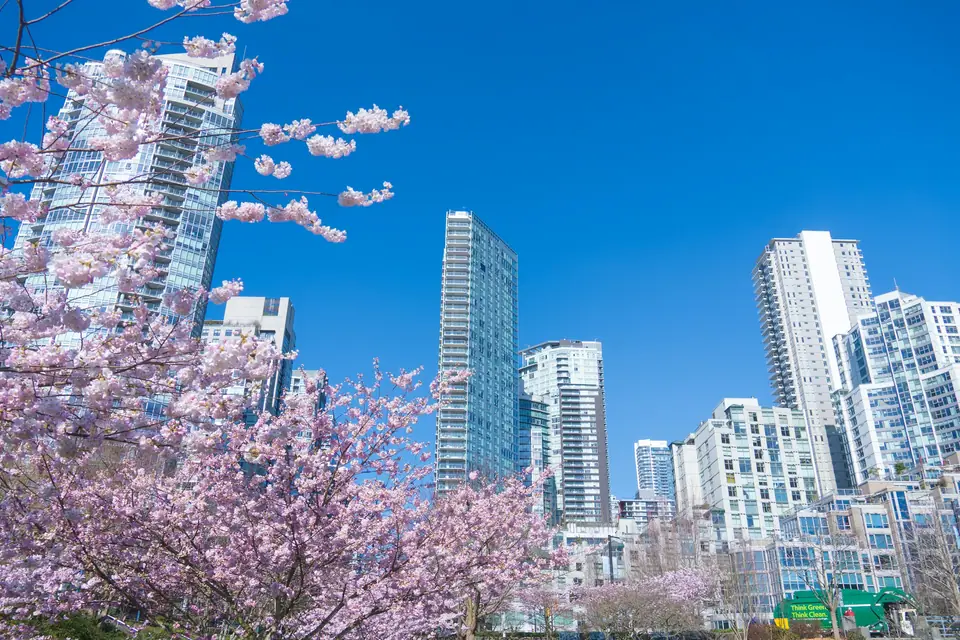
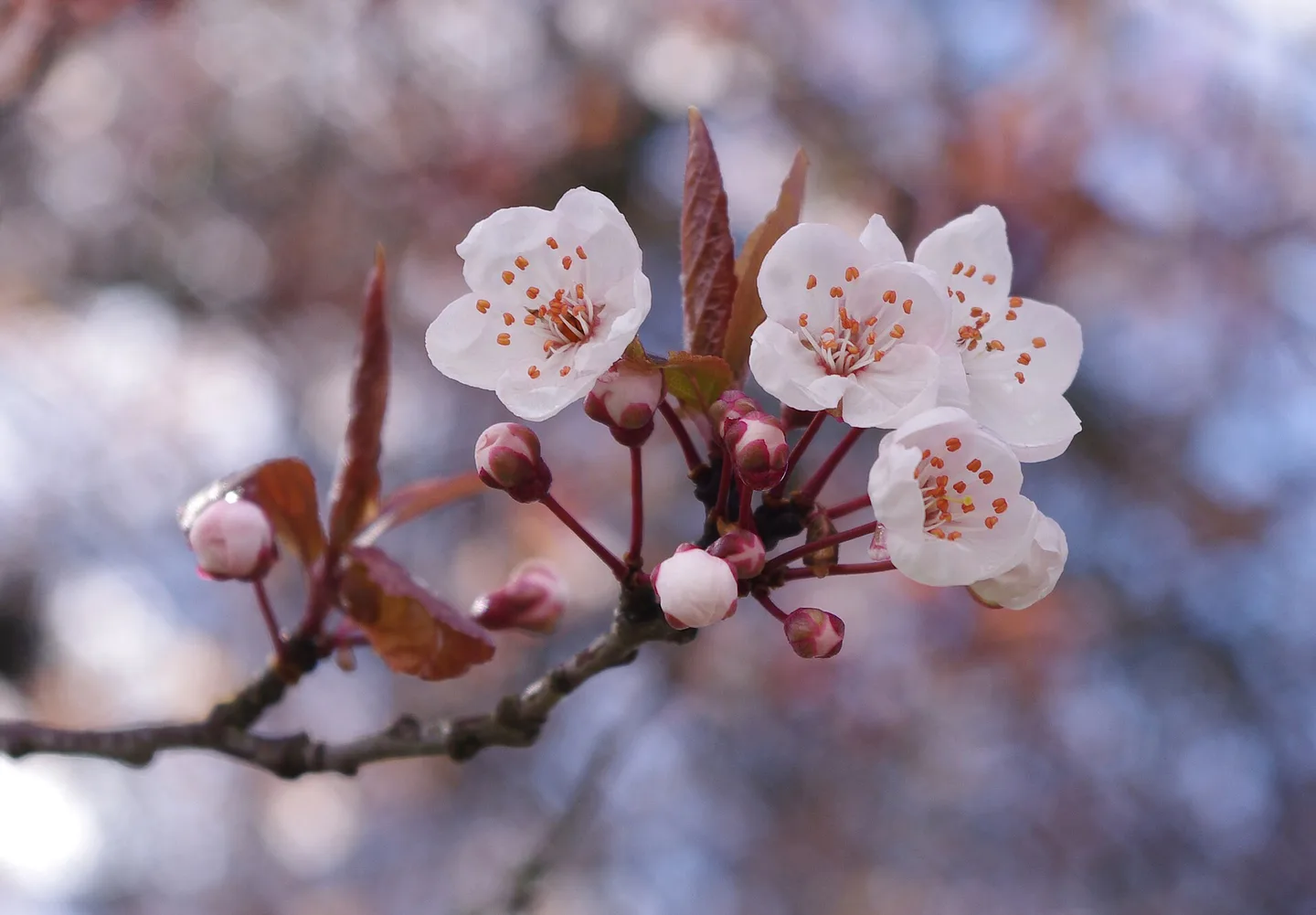
Spring arrives earlier on this coastal peninsula than in most Canadian cities, waking urban gardens and tree-lined avenues from early March. Thousands of ornamental cherry and plum trees burst into vivid pink and white flowers across urban neighbourhoods and peaceful botanical grounds. Gentle morning showers frequently give way to bright afternoon clearings, creating pleasant walking weather for visitors across the city.
Walking beneath blooming canopies in historic quarters offers a charming introduction to the region before peak summer crowds arrive. Coastal temperatures remain crisp, so wearing a water-resistant jacket and comfortable walking shoes keeps you warm during changeable spells. Strolling along the seawall in Stanley Park lets you witness fresh coastal greenery set against snow-dusted northern mountain summits.
Shoulder season travellers enjoy lower accommodation rates and quieter transport links compared with the busy midsummer months. City gardens display daffodils, magnolias, and rhododendrons alongside coastal trails, rewarding visitors who appreciate quiet botanical walks. These early spring weeks offer an unhurried perspective on coastal life before peak seasonal demand sets in across downtown.
Autumn Colours and Shifting Temperatures
Autumn brings golden foliage across neighbourhood streets and urban parklands, creating crisp scenery during September and October. Deciduous trees display rich amber shades along residential avenues, contrasting with evergreen coastal pines standing along rocky shores. While early autumn offers crisp sunny afternoons, rainfall gradually increases as Pacific weather fronts move in toward November.
| Season | Prevailing Weather | Highlight Activities |
|---|---|---|
| Summer | Dry sunshine and mild ocean breezes | Seawall cycling, sandy beaches, coastal boating |
| Spring | Fresh blossoms and mild intervals | Garden walks, cherry blossom trails, uncrowded sightseeing |
| Autumn | Crisp air and golden foliage | Forest hiking, cultural galleries, quiet coastal strolls |
| Winter | Persistent valley rains and mountain snow | Alpine skiing, warm coffee stops, museum galleries |
Cultural venues, art galleries, and historic indoor markets become particularly appealing when seasonal rain showers pass over the peninsula. The cooler air makes long walks through heritage districts invigorating, provided you carry an umbrella and sturdy waterproof boots. Ideas highlighted in our day trips from Vancouver guide allow you to explore rainforest trails during quiet shoulder months.
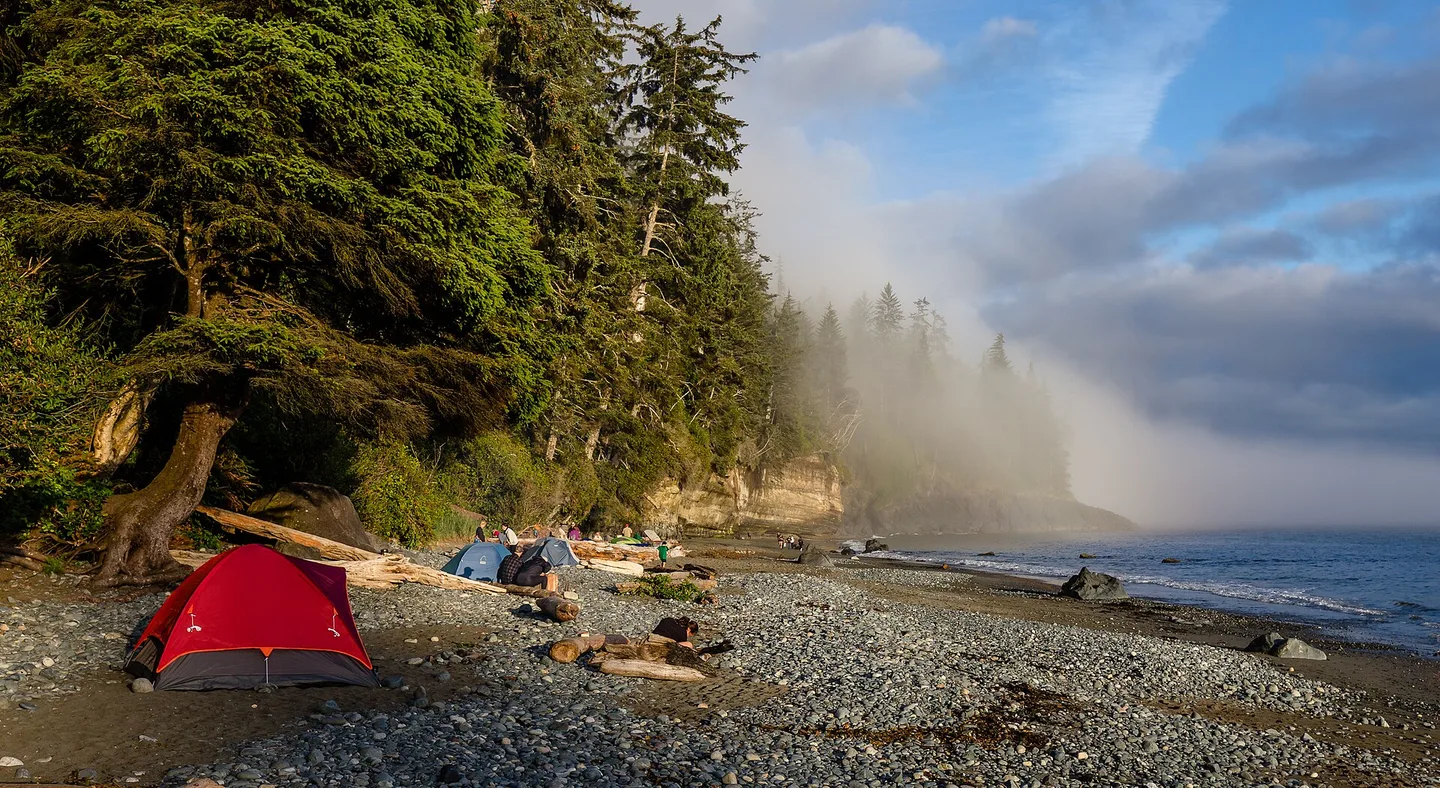
Harvest farmers' markets continue trading through early autumn, showcasing seasonal produce from surrounding valleys across southern British Columbia. Photographers will appreciate the softer coastal light and lingering morning mist hanging over calm harbour waters at dawn. This transition window provides an authentic glimpse into the peaceful rhythms of everyday Pacific Northwest coastal living.
Winter Rains and Alpine Snowfields
Winter across coastal Vancouver features cool, persistent drizzle rather than the severe sub-zero temperatures typical of inland Canada. Downtown streets rarely see deep lying snow, thanks to mild maritime air currents sweeping inland off the Pacific ocean. A sturdy umbrella, insulated waterproof boots, and a hooded waterproof jacket are necessary essentials for exploring the city during these wet months.
While coastal streets receive steady rain, the nearby North Shore mountains collect abundant snow, pleasing skiers, snowboarders, and snowshoe hikers. It is entirely possible to enjoy a morning coffee by the harbour before heading uphill for afternoon winter sports. Returning downtown after mountain recreation allows travellers to sample cosy waterfront restaurants, warm bistros, and diverse culinary districts across the centre.
- Pack reliable waterproof outerwear and breathable thermal layers for winter urban exploration.
- Head to high-elevation North Shore ski areas for winter sports when coastal valleys experience rain.
- Use dry morning spells for waterfront walks and reserve wet afternoons for indoor museums.
- Check marine forecasts before booking ferry transport or coastal excursions during late autumn.
Winter also brings peace to major galleries, public aquariums, and covered markets, allowing travellers to explore without encountering long queues. Cosy coffee houses and independent bookshops offer warm shelter between walks through historic neighbourhoods and misty waterfront docks. Travellers exploring the wider Vancouver metropolitan area will find that each season reveals a unique facet of coastal beauty.
Weather by month
Vancouver is warmest in August, with average highs around 23°C, and coldest in February, when nights drop to about 1°C. November is the wettest month by rainfall (315 mm), with rain on about 19 days. For mild weather with fewer rainy days, aim for June, July, August and September.
| Month | Low | Range | High | Rain | Rainy days |
|---|---|---|---|---|---|
| Jan | 2°C | 7°C | 260 mm | 19 d | |
| Feb | 1°C | 7°C | 148 mm | 16 d | |
| Mar | 3°C | 9°C | 171 mm | 16 d | |
| Apr | 5°C | 12°C | 126 mm | 15 d | |
| May | 9°C | 16°C | 66 mm | 9 d | |
| Jun | 12°C | 19°C | 68 mm | 10 d | |
| Jul | 15°C | 22°C | 32 mm | 5 d | |
| Aug | 15°C | 23°C | 51 mm | 6 d | |
| Sep | 12°C | 18°C | 129 mm | 12 d | |
| Oct | 8°C | 13°C | 225 mm | 15 d | |
| Nov | 4°C | 9°C | 315 mm | 19 d | |
| Dec | 1°C | 6°C | 275 mm | 20 d |
Averages of daily values from 2015 to 2024. Rainy days are days with at least 1 mm of rain. Source: Open-Meteo · Compare destinations by month.
Official prices and opening hours
- TransLink SkyTrain Canada Line, SeaBus & CompassOfficial site ↗
Where it is
- 1Vancouver
- Vancouver International Airport (YVR) · about 11 km from Vancouver in a straight line
- Directions in Google Maps
Stations and taxi ranks: OpenStreetMap. Airports: OurAirports. Distances are in a straight line.
Traveller tips
Real advice from people who have been to Vancouver. Every tip is read by our team before it goes live.
No tips yet. Been here? Yours could be the first.
Thank you! Your tip will appear here after a quick review.
More in Vancouver
Continue exploring Vancouver with related neighbourhood, food, and planning guides
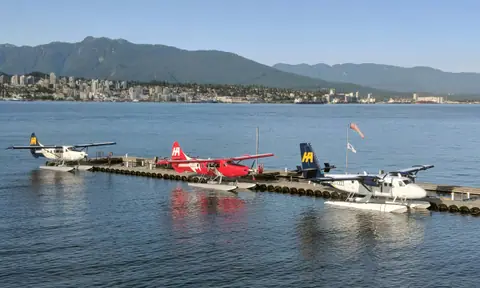
Vancouver Travel Essentials: Navigating the Peninsula and Transit
Vancouver, Canada
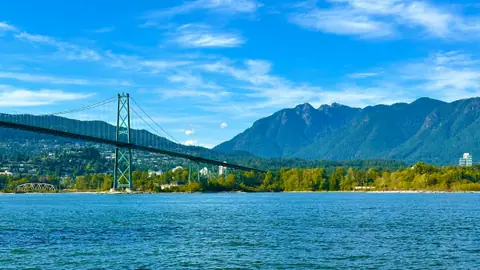
Vancouver Highlights: Coastal Paths, Markets, and First Nations Heritage
Vancouver, Canada

Arriving in Vancouver by Rail, Air, and Coastal Ferry
Vancouver, Canada
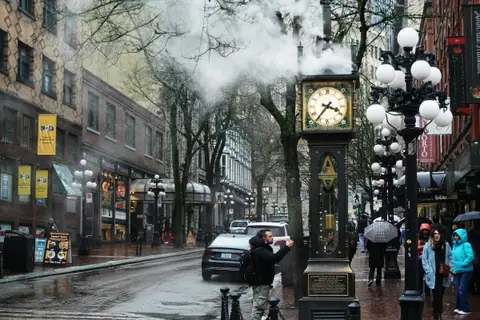
What to Wear in Vancouver: Layering and Weather Guide
Vancouver, Canada
