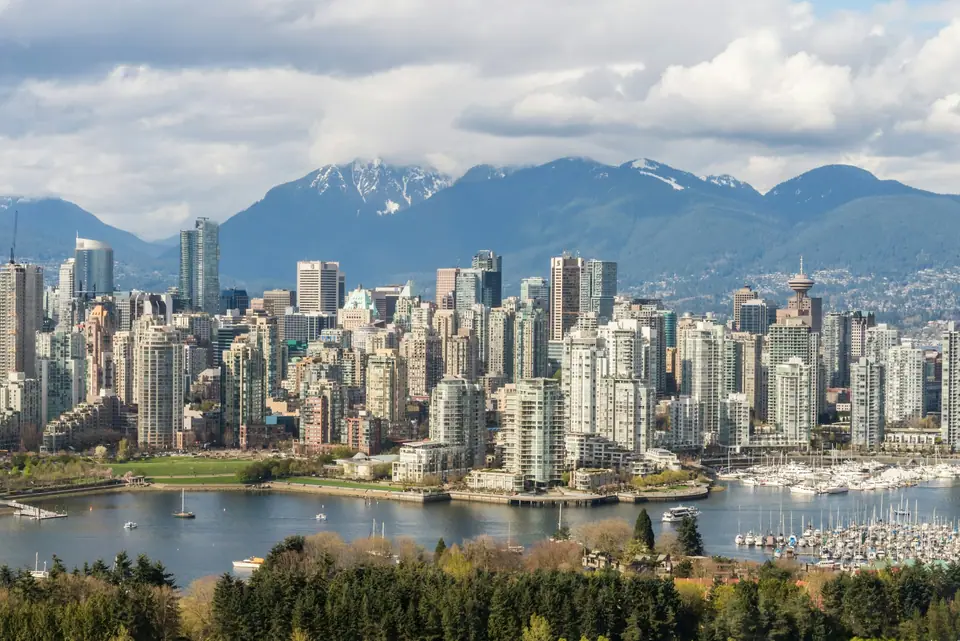
Photo by Luke Lawreszuk on Unsplash
Vancouver
Vancouver pairs temperate coastal rainforests with dense glass towers, mountain horizons, salt water inlets, and efficient public transport links across British Columbia.
Quick decisions
How many days?
Plan three full days to experience the seawall, Granville Island, and North Shore mountain viewpoints without rushing your transit connections.
Where should I stay?
Base yourself in the West End for park access or near Downtown SkyTrain stations for rapid airport links.
Do I need a car?
Skip renting a private car within the city centre, as automated SkyTrain lines and walkable paths serve major districts.
Best for
Urban cyclists, coastal walkers, and nature lovers who enjoy temperate rainforest trails meeting modern waterfront neighbourhoods.
Before you go
Pack a dependable waterproof shell jacket, as winter months bring substantial rainfall across the Pacific coastline.
Getting around
Tap your contactless card at SkyTrain fare gates and board harbour SeaBus catamarans to reach North Vancouver.
Continue your trip
Board direct public coach services heading north into mountain resort valleys without needing personal car rentals.
Overview
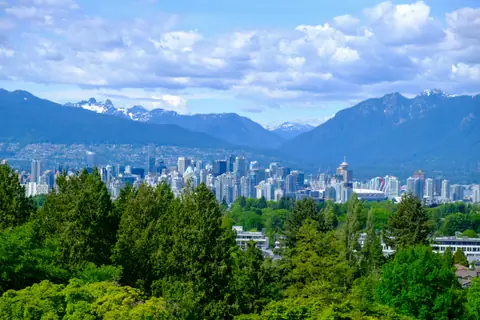
Vancouver occupies a dramatic peninsula between Burrard Inlet and the Fraser River delta, framed by steep coastal mountains that rise straight from the sea. Dense clusters of slender residential high-rises define the downtown skyline, allowing daylight into street corridors while preserving clear sightlines towards evergreen peaks. The city thrives on its immediate connection to the Pacific Ocean, where cargo vessels rest in English Bay alongside kayakers and harbour seals. Public paths hug the shoreline continuously, drawing runners, commuters, and families outside across all twelve months of the year.
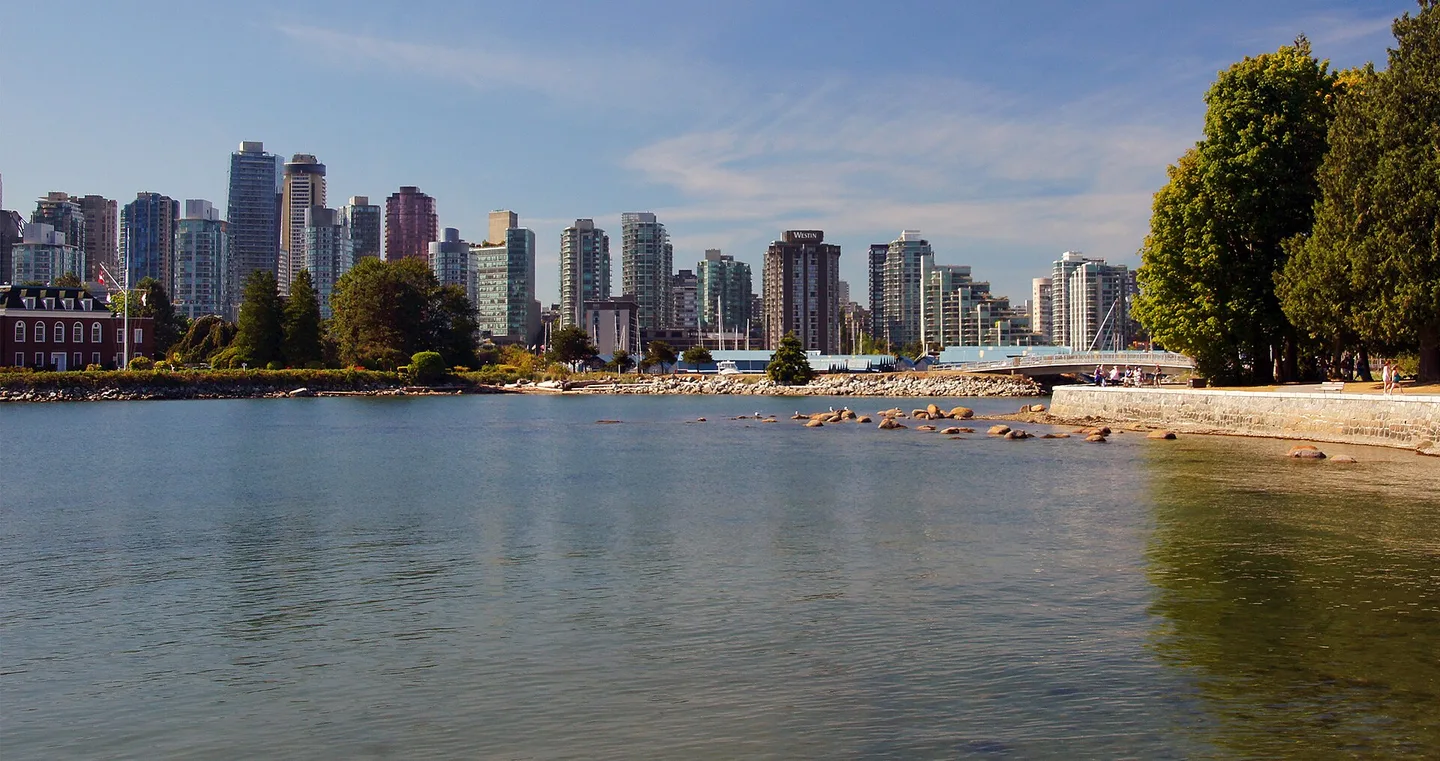
Maritime weather shapes daily life throughout southwestern British Columbia. High summer brings warm, dry afternoons, with July averaging 22.4°C and just 32 mm of rain across five wet days. Winter stays mild and damp, with January highs of 6.5°C following heavy November showers around 315 mm. Check seasonal trends in weather patterns across Vancouver before picking travel dates.
Getting there
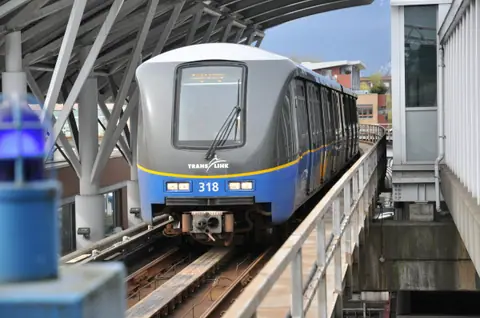
Arriving travellers reach the city centre smoothly via the Canada Line rapid transit rail from Vancouver International Airport. Fully automated trains depart frequently, whisking passengers beneath the Fraser River directly into underground downtown terminals. Travellers do not need paper tickets, as contactless credit cards tap directly at all turnstiles and bus card readers across the TransLink network. Automated service eliminates scheduling guesswork, running at short intervals throughout morning rush and evening hours alike. Compare fare zones and terminal links via airport rail and ferry arrival routes.
Harbour water transport forms a practical branch of the public transit system rather than a mere sightseeing diversion. Double-ended SeaBus catamarans depart Waterfront Station regularly, gliding across Burrard Inlet towards the Lonsdale Quay terminal in North Vancouver. The crossing offers open views of working port docks, naval drydocks, and coastal mountains rising behind the northern shore. Across False Creek, private open-deck water taxis shuttle pedestrians between city docks, market wharves, and residential marinas. Our Vancouver city orientation overview clarifies Compass card tapping and harbour transfer gates.
Where to stay
Selecting the right neighbourhood depends heavily on your preferred walking pace, daily transport needs, and personal tolerance for urban activity. The downtown core offers immediate proximity to SkyTrain stations, corporate offices, and central shopping precincts, making it ideal for short visits. The West End presents a calmer residential character, where leafy streets of older low-rise apartments sit between downtown amenities and park beaches. Walking down Robson Street or Denman Street brings you directly to independent grocers, ramen shops, and casual bakeries favoured by local residents. Compare each district cleanly in Vancouver neighbourhood lodging profiles before confirming your room.
Yaletown attracts visitors seeking converted brick warehouses, waterfront boardwalks, and outdoor dining terraces overlooking False Creek marinas. The neighbourhood features raised loading docks transformed into pedestrian paths and lively patio spaces beneath restored wooden awnings. Across the water, Mount Pleasant and South Granville provide quieter residential bases filled with independent bakeries, craft breweries, and small retail studios. Staying along primary bus corridors or within easy walking distance of a Canada Line station keeps travel simple and dependable.
Things to do
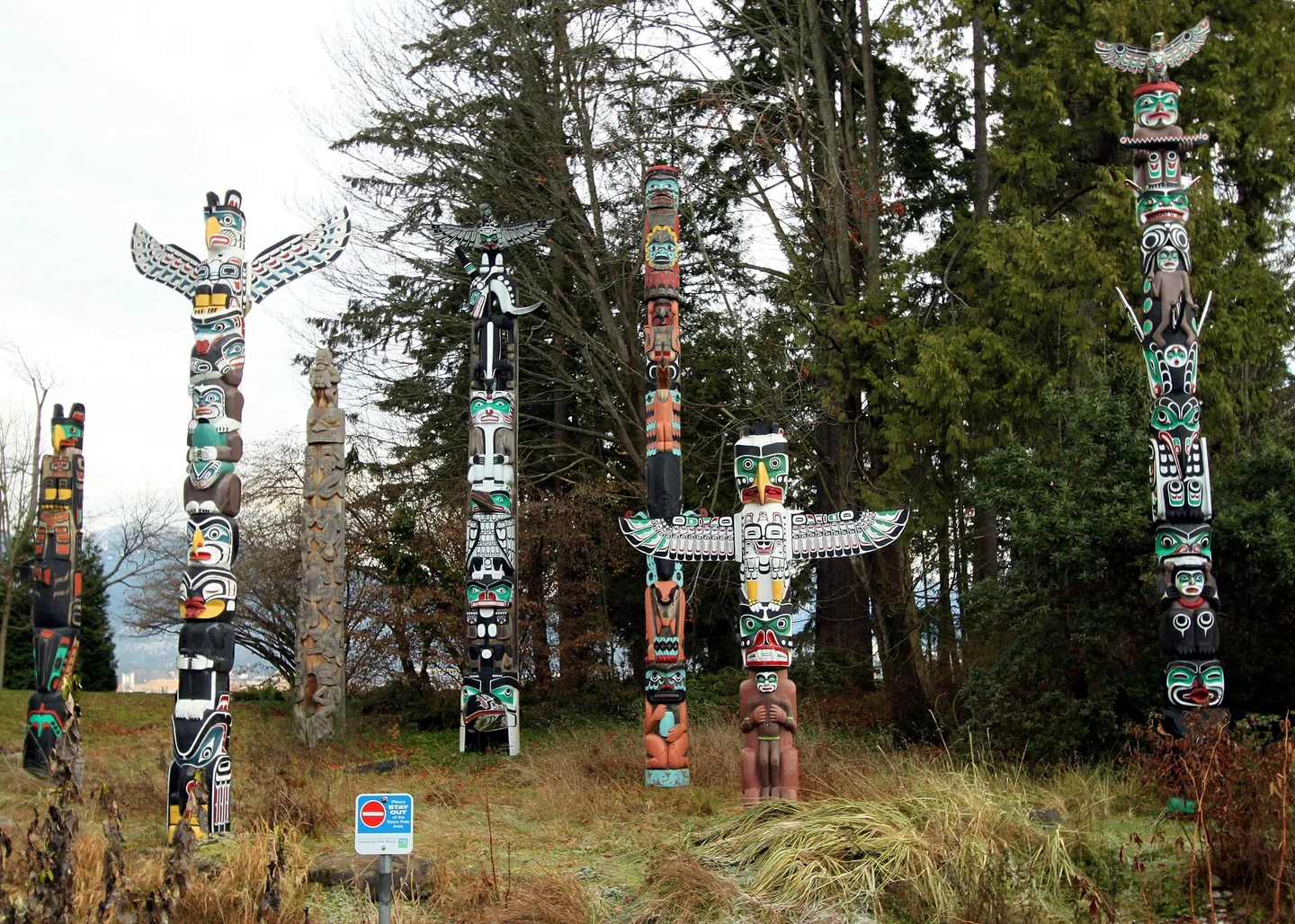
Stanley Park anchors the tip of the downtown peninsula, preserving lush coastal temperate rainforest right beside the modern core. A paved stone seawall encircles the entire park perimeter, providing separate dedicated lanes for pedestrians and cyclists along the ocean. Travellers pause at Brockton Point to view carved First Nations totem poles standing proudly against the coastal waters. The pathway continues past massive granite sea stacks, quiet tidal coves, and dense stands of western hemlock. Plan your cycling route through the forest paths using our Stanley Park seawall route.
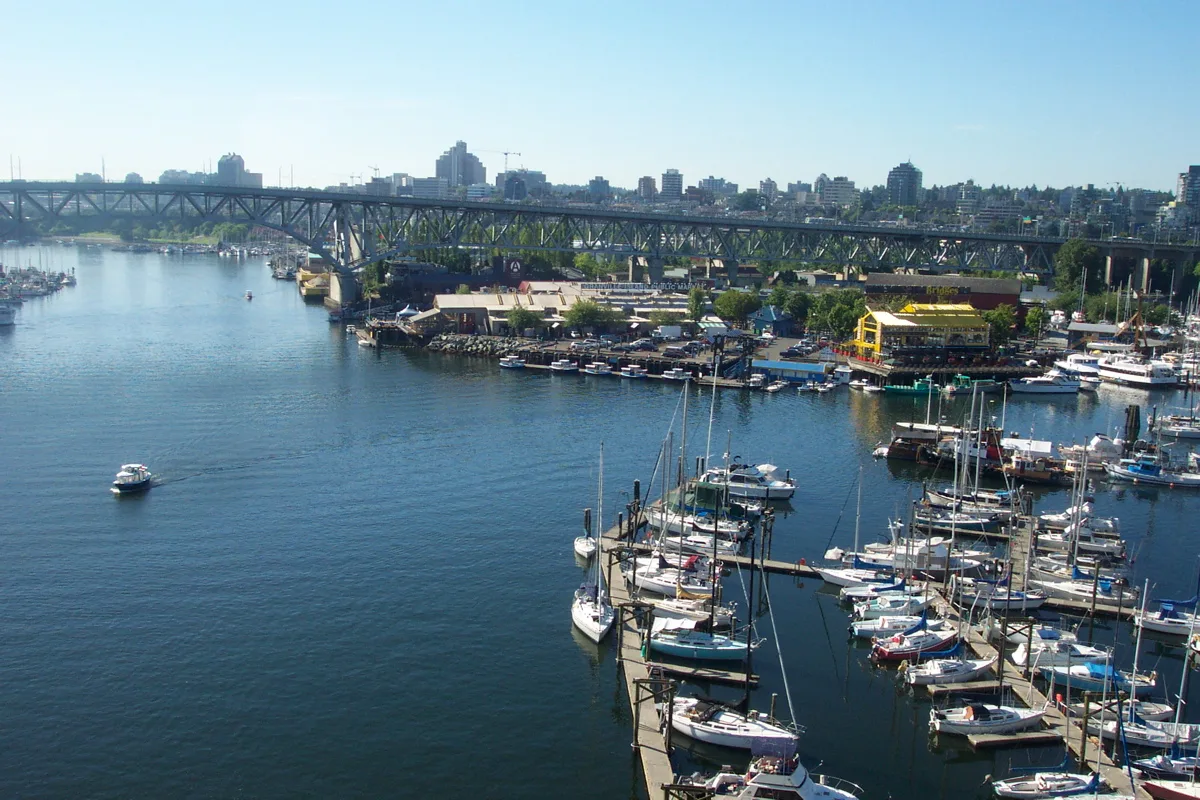
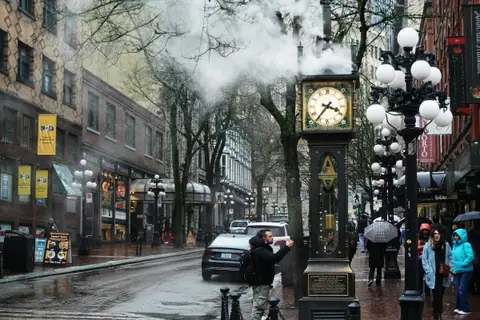
Granville Island sits across False Creek beneath a towering steel road bridge, functioning as a lively cultural and culinary enclave. Former industrial tin sheds now house artisan craft studios, printmakers, and a vast indoor food market brimming with local produce. Street musicians perform along the wooden boardwalks while tugboats and passenger ferries manoeuvre through the tidal channel. History lovers wander the red-brick lanes of Gastown to watch the historic steam clock release whistles of vapour. Browse further major Vancouver sights and coastal museums before plotting daily walks.
Food and drink
Vancouver dining reflects the incredible bounty of the Pacific coastline alongside deep culinary traditions from East and Southeast Asia. Wild Pacific salmon, spot prawns, and Dungeness crab appear across casual dockside counters and polished waterfront dining rooms alike. The public market on Granville Island offers freshly baked sourdough loaves, smoked salmon nuggets, local cheeses, and seasonal berries. Food stalls inside the central hall serve hot fish and chips alongside bowls of steaming Asian noodle soups. Browse regional tasting stops inside our Granville Island Market tasting tour.
Dim sum parlours across the metropolitan area serve steamed dumplings, roast pork buns, and delicate rice noodle rolls alongside pots of hot jasmine tea. Neighbourhood coffee roasters take espresso preparation seriously, offering warm refuge on cool autumn mornings. Many independent cafes roast single-origin beans sourced directly from small growers, paired with fresh pastries from neighbourhood bakeries. Tipping fifteen to twenty percent remains standard practice in seated restaurants throughout British Columbia.
Culture
Vancouver stands on the traditional, ancestral, and unceded territories of the Coast Salish peoples, including the Musqueam, Squamish, and Tsleil-Waututh Nations. The Museum of Anthropology at the University of British Columbia displays monumental carving traditions, intricate woven blankets, and historic ceremonial regalia. Outdoor recreation serves as a cornerstone of local life, with residents heading for trailheads regardless of drizzle. Rain jackets, trail shoes, and layered merino wool garments make up the standard daily uniform across town. Pack smart waterproof layers with seasonal Vancouver clothing advice.
Sharing public recreation spaces safely requires following clearly posted urban courtesies throughout the city. Cyclists along the seawall must travel in a strict anti-clockwise direction, keeping clear of pedestrians wandering adjacent paths. Commuters step aside to allow passengers to exit automated trains before stepping aboard at platform doors. Dedicated recycling bins and compost stations stand at street corners, reflecting strong civic pride in environmental cleanliness. Link parks and neighbourhoods into a balanced three-day Vancouver city route.
Official prices and opening hours
- TransLink SkyTrain Canada Line, SeaBus & CompassOfficial site ↗
- Capilano Suspension Bridge Park (North Vancouver)Official site ↗
Weather by month
Vancouver is warmest in August, with average highs around 23°C, and coldest in February, when nights drop to about 1°C. November is the wettest month by rainfall (315 mm), with rain on about 19 days. For mild weather with fewer rainy days, aim for June, July, August and September.
| Month | Low | Range | High | Rain | Rainy days |
|---|---|---|---|---|---|
| Jan | 2°C | 7°C | 260 mm | 19 d | |
| Feb | 1°C | 7°C | 148 mm | 16 d | |
| Mar | 3°C | 9°C | 171 mm | 16 d | |
| Apr | 5°C | 12°C | 126 mm | 15 d | |
| May | 9°C | 16°C | 66 mm | 9 d | |
| Jun | 12°C | 19°C | 68 mm | 10 d | |
| Jul | 15°C | 22°C | 32 mm | 5 d | |
| Aug | 15°C | 23°C | 51 mm | 6 d | |
| Sep | 12°C | 18°C | 129 mm | 12 d | |
| Oct | 8°C | 13°C | 225 mm | 15 d | |
| Nov | 4°C | 9°C | 315 mm | 19 d | |
| Dec | 1°C | 6°C | 275 mm | 20 d |
Averages of daily values from 2015 to 2024. Rainy days are days with at least 1 mm of rain. Source: Open-Meteo · Compare destinations by month.
Vancouver on the map
Every place we cover in Vancouver. Tap a category or pin to explore.
In-depth Vancouver guides
Browse the guides grouped by topic: sights, neighbourhoods, food, transport, day trips and trip planning.
Sights, Landmarks & Parks
Key monuments, viewpoints, museums and nature trails.
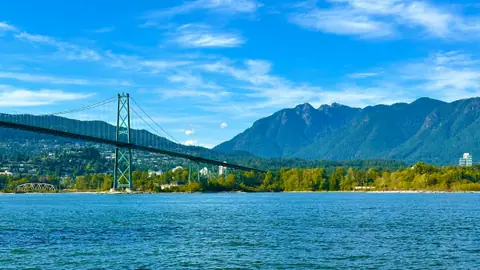 Vancouver Highlights: Coastal Paths, Markets, and First Nations HeritageTemperate coastal rainforest paths, lively market quays, historic brickwork, and profound Northwest Coast First Nations carvings define essential Vancouver landmarks.
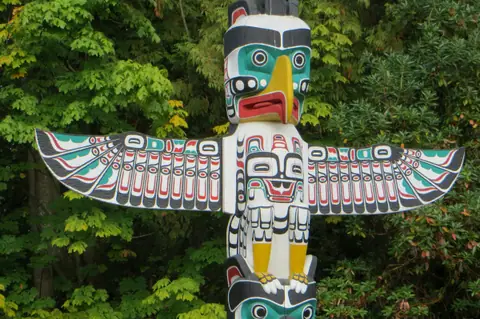 Stanley Park Guide: Exploring Vancouver Coastal RainforestStanley Park covers a vast peninsula of coastal rainforest right beside downtown Vancouver, offering waterfront pathways and historic lookouts.
Neighbourhoods & Where to Stay
Districts, historic quarters and the best bases for your stay.
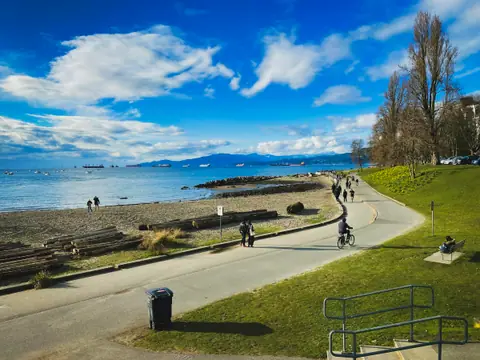
Food & Drink
Local dishes, markets, cafés and dining districts.
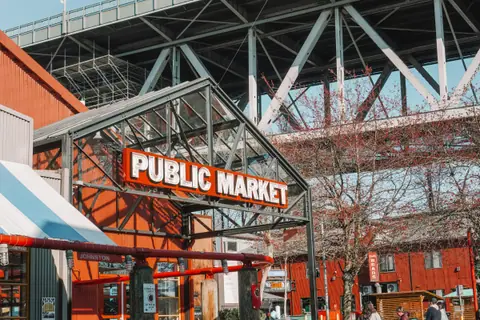
Getting Around & Arrival
Airport transfers, public transit, passes and driving rules.
Day Trips & Excursions
Easy half-day and full-day trips from the city.
Trip Planning & Itineraries
When to visit, what to pack and day-by-day routes.
 Vancouver Travel Essentials: Navigating the Peninsula and TransitVancouver occupies a distinct coastal peninsula framed by Burrard Inlet, English Bay, and False Creek, demanding clear navigation habits from arriving travellers.
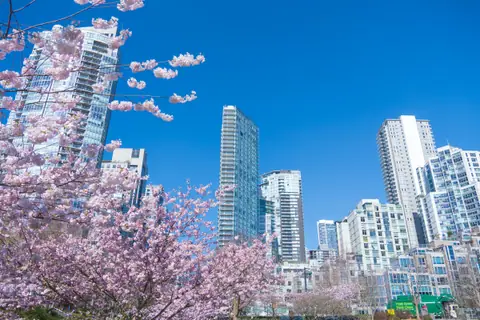 Vancouver Seasonal Guide: Sunshine, Blossom Seasons, and Pacific RainsWe outline Vancouver across four distinct seasons, balancing glorious summer sunshine against spring coastal blooms and peaceful winter alpine snowfall.
 What to Wear in Vancouver: Layering and Weather GuideMastering the local climate means choosing breathable waterproof outerwear, flexible base layers, and sturdy footwear for coastal seawalls and damp trails.
 Three Days in Vancouver: Waterfronts, Markets, and Coastal RainforestsThree days across Vancouver reveal coastal rainforest paths, lively community markets, and historic streets framed by the Pacific Ocean.
Upcoming events in and near Vancouver
Concerts, festivals and tours with their own guide on JourneyCities. Check dates with the organiser before you book.

Need your embassy or consulate in Canada? See embassies and consulates in Canada.
Reviews
Log in to write a review.
No reviews yet.