Victoria
Victoria combines British Columbia's coastal provincial capital heritage, historic inner waterways, and temperate gardens across southern Vancouver Island.
Quick decisions
How many days?
Three days allow unhurried time for the Inner Harbour, marine tours, and coastal paths. Plan your daily schedule with our balanced three-day waterfront and garden loop.
Where should I stay?
Choose James Bay for quiet residential streets close to the water, or select Downtown for direct bus links. Compare central bases inside James Bay homes and harbourfront hotels.
Do I need a car?
Central districts remain thoroughly walkable, and regional buses reach coastal parks comfortably. Review connections through BC Transit corridors and harbour ferries.
Best for
Coastal nature seekers, maritime heritage admirers, and travellers who appreciate compact urban centres built around sheltered ocean inlets.
Before you go
Mornings bring calmer waters for coastal excursions before afternoon breezes rise across the strait. Pack layered waterproof garments based on seasonal rain shells and walking shoes.
Getting around
Water taxis cross the harbour basin swiftly, while regional buses link the ferry terminal to the core. Learn arrival options via mainland ferries, floatplanes and airport buses.
Continue your trip
Vancouver Island offers wilder coastal parks further west, where quiet evergreen forests meet Pacific surf along scenic provincial roads.
Overview
Victoria sits on the southern tip of Vancouver Island, sheltered within the maritime geography of the Pacific Northwest. British Columbia's provincial capital developed around an enclosed harbour basin, where working vessels, floatplanes, and passenger ferries share coastal waters. The compact urban core clusters directly beside the waterfront, letting travellers navigate historic streets on foot without facing steep climbs or sprawling distances.
The surrounding region benefits from a mild coastal microclimate sheltered by mountain ridges across the strait. January highs average 7.1°C against 2.9°C lows with frequent showers, while midsummer July reaches pleasant highs of 23.3°C and barely 12 mm of rain. Autumn cools steadily toward wet November conditions, making late spring and early autumn crisp walking seasons alongside First Nations art and Victorian stonework.
Getting there
Arriving by water offers a classic introduction to Vancouver Island. Scheduled vehicle ferries from the mainland dock at Swartz Bay, connecting onward to the city centre via direct public buses along the Saanich Peninsula. Fast passenger catamarans also link Victoria directly to Puget Sound, pulling up straight to downtown piers covered in our Swartz Bay ferry and downtown terminal guide.
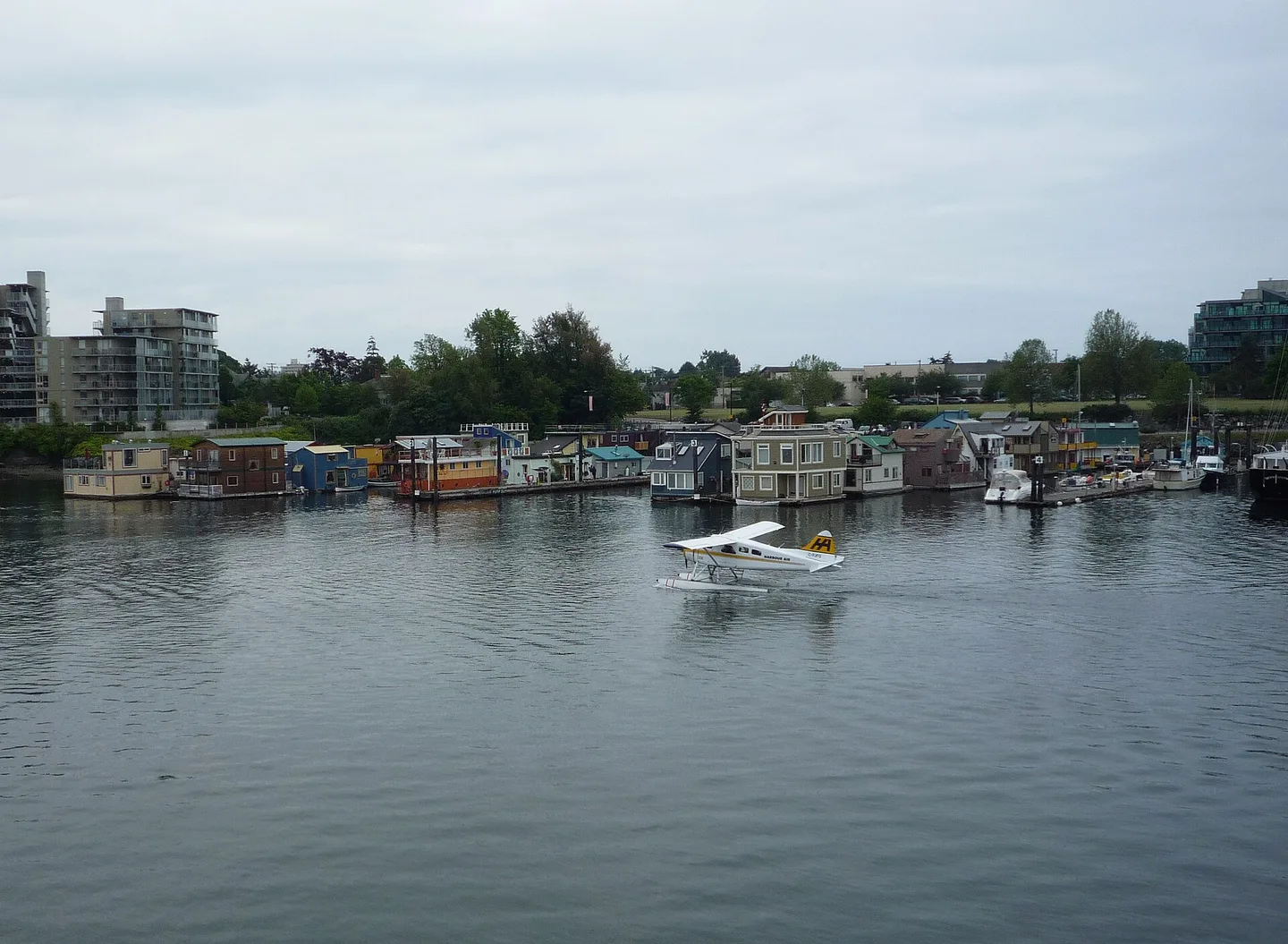
Within the city, BC Transit operates dependable bus routes linking residential quarters to outlying attractions. Quaint harbour ferries hop across the inlet, carrying passengers between historic quays and maritime docks. Cyclists follow former railway alignments turned greenways cleanly out into coastal countryside.
Floatplanes operate scheduled flights landing directly inside the Inner Harbour basin alongside regional airport buses and Highway 17 links south from Peninsula terminals.
Where to stay
Selecting the right base depends on your travel pace and transport choices. Downtown Victoria places restaurants, cultural venues, and shopping corridors right outside your door, giving effortless walking access to the piers. Browse detailed quarter breakdowns inside our Downtown, James Bay and Inner Harbour stay guide.
For a quieter atmosphere, James Bay presents leafy avenues of wooden houses just south of the provincial legislature. This residential quarter allows gentle morning strolls down to the open shoreline while staying within easy reach of waterfront docks. Rockland and Fernwood offer calmer suburban blocks reached quickly by bus.
Belleville Street hotels face busy seaplane and boat docks along the central basin, while Douglas Street hosts simpler lodges beside trunk transit lines.
Things to do
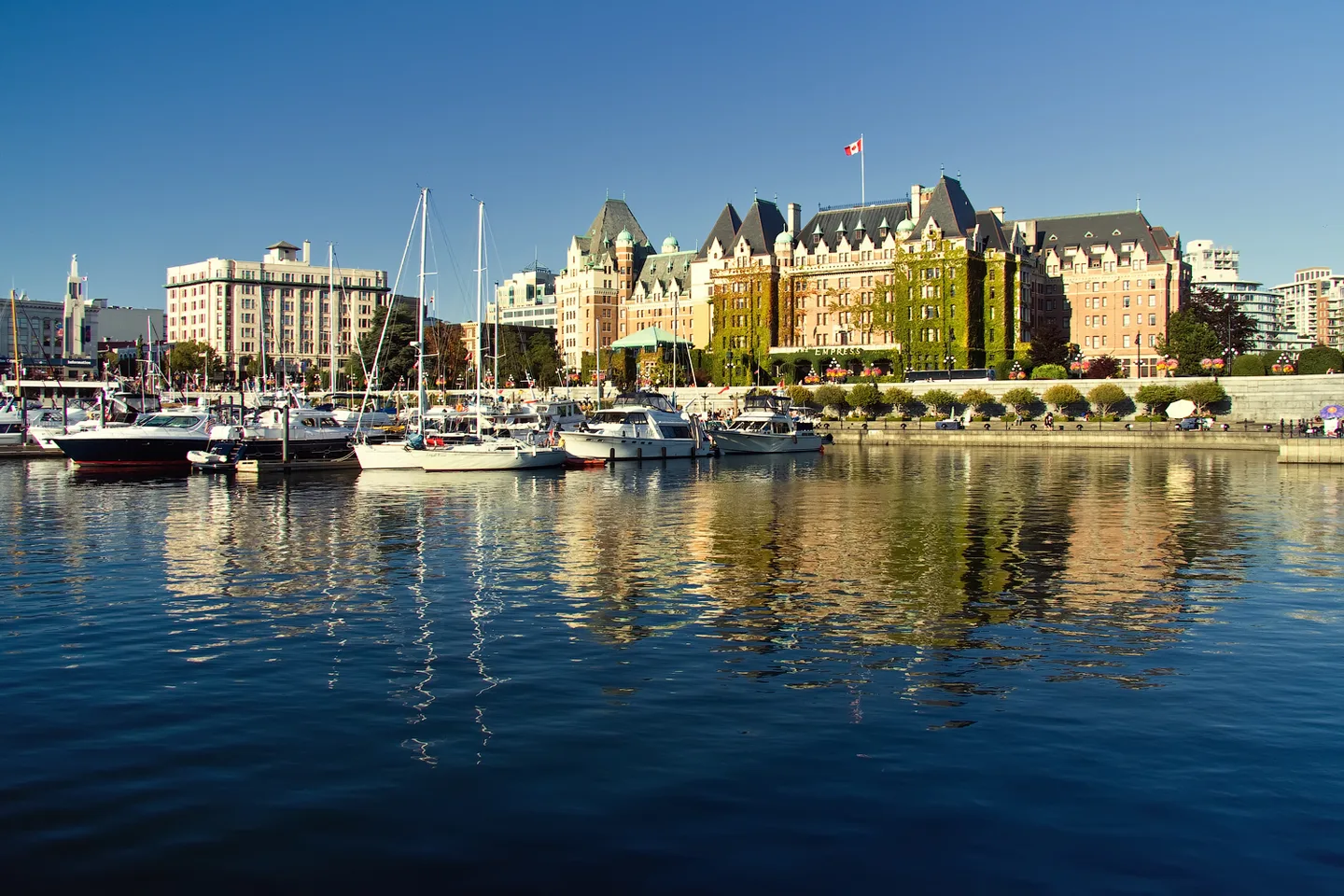
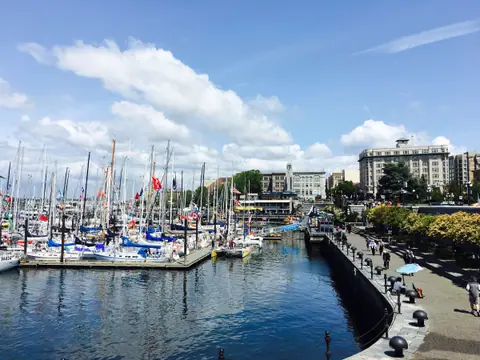
The Inner Harbour forms the emotional heart of Victoria, where grand civic architecture faces active marine slips. Imposing stone government buildings overlook the promenade beside heritage hotels recalling early maritime passenger lines. Follow historic piers, museums, and garden walks using coastal landmarks and heritage gardens across town.
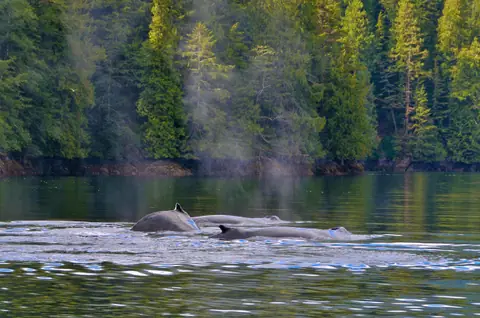
Beyond downtown, wildlife vessels cruise daily into nutrient-rich Salish Sea currents where pods of orcas, humpbacks, and harbour seals surface near rocky islets. Pair marine trips outlined in responsible Salish Sea boat tours with botanical terraces out at Brentwood Bay.
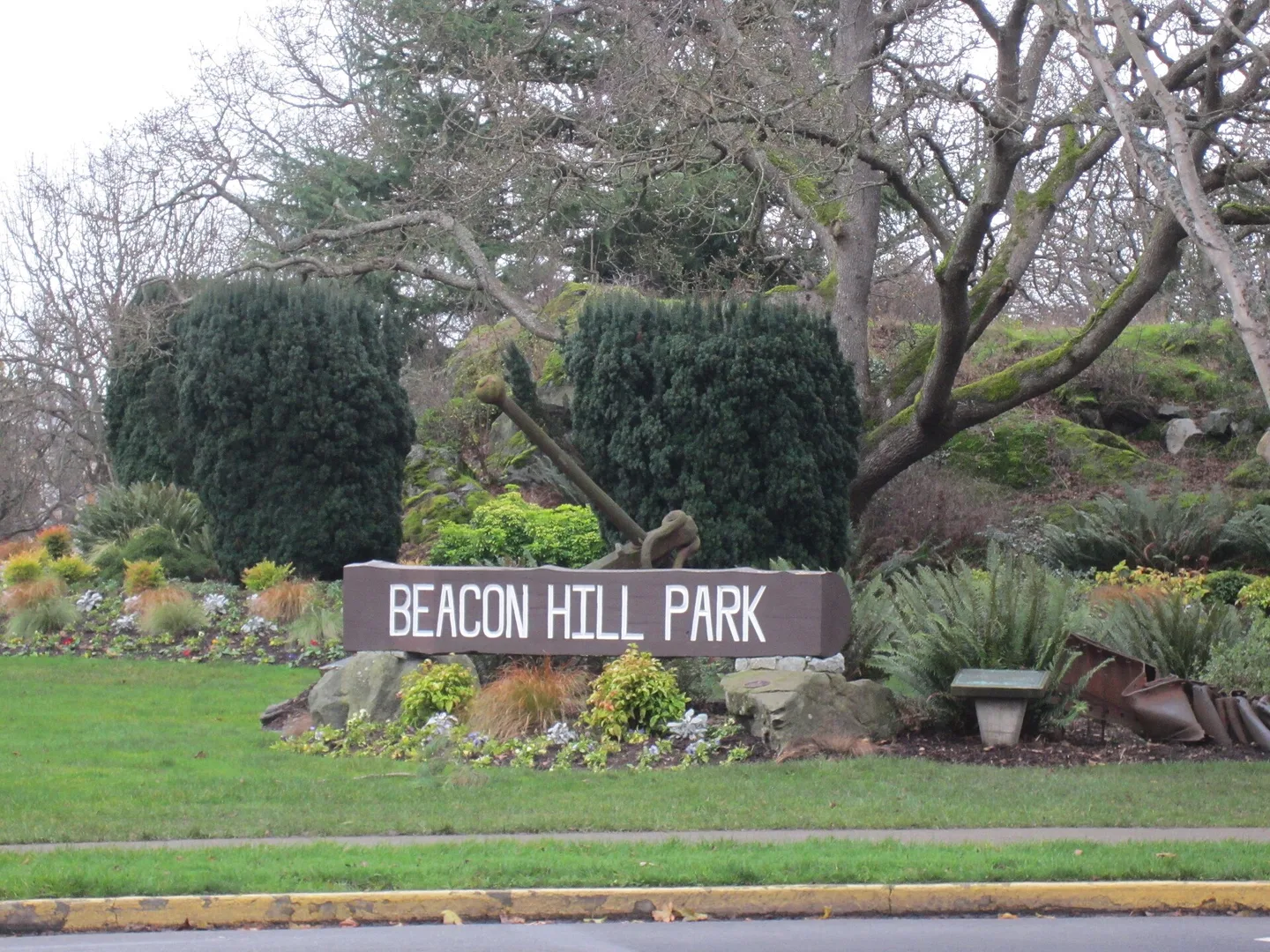
Beacon Hill Park stretches south toward Juan de Fuca Strait, blending native Garry oak groves, duck ponds, and breezy Dallas Road pebble beaches facing Washington's Olympic Mountains.
Food and drink
Dining in Victoria celebrates Vancouver Island harvests alongside wild Pacific seafood across the city. Local kitchens serve wild salmon, fresh oysters, Dungeness crab, and local root vegetables beside harbour craft breweries and cider taprooms.
Afternoon tea traditions stay rooted beside the Inner Harbour with warm scones and clotted cream, while Fisgard Street Chinatown anchors historic noodle counters and dim sum rooms. Downtown bakeries and coastal seafood carts serve crispy cod and warm chowder straight from waterfront docks using fresh Saanich Peninsula produce. Busy markets near Douglas Street also stock local orchard ciders, sourdough loaves, and roasted coffee beans suited to coastal picnics.
Culture
Victoria values civic conservation and respectful engagement with Indigenous heritage. Carved totem poles and ceremonial artwork across Thunderbird Park honour Coast Salish communities who have inhabited these shorelines for millennia. Visiting museum galleries beside the harbour gives meaningful historical background before heading out along rural headlands or coastal parks.
Island life keeps an unhurried tempo where pedestrian crossings are observed consistently along both main thoroughfares and quiet lanes. Map daylight walks with three balanced harbour, museum and coastal routes while exploring Fan Tan Alley and historic maritime galleries around Old Town. Keeping voices calm near quiet residential gardens matches local community manners throughout James Bay and Rockland.
Official prices and opening hours
- BC Ferries (Tsawwassen – Swartz Bay)Official site ↗
- BC Transit Victoria (DayPASS & Local Bus)Official site ↗
- The Butchart Gardens (Brentwood Bay)Official site ↗
- Royal BC Museum & Thunderbird ParkOfficial site ↗
Weather by month
Victoria is warmest in July, with average highs around 23°C, and coldest in February, when nights drop to about 3°C. November is the wettest month by rainfall (176 mm), with rain on about 17 days. For mild weather with fewer rainy days, aim for May, June, July, August and September.
| Month | Low | Range | High | Rain | Rainy days |
|---|---|---|---|---|---|
| Jan | 3°C | 7°C | 166 mm | 17 d | |
| Feb | 3°C | 7°C | 105 mm | 15 d | |
| Mar | 4°C | 10°C | 82 mm | 14 d | |
| Apr | 6°C | 12°C | 66 mm | 13 d | |
| May | 10°C | 17°C | 33 mm | 7 d | |
| Jun | 12°C | 20°C | 30 mm | 6 d | |
| Jul | 14°C | 23°C | 12 mm | 2 d | |
| Aug | 15°C | 23°C | 21 mm | 4 d | |
| Sep | 13°C | 19°C | 57 mm | 9 d | |
| Oct | 8°C | 14°C | 126 mm | 14 d | |
| Nov | 5°C | 9°C | 176 mm | 17 d | |
| Dec | 3°C | 7°C | 170 mm | 18 d |
Averages of daily values from 2015 to 2024. Rainy days are days with at least 1 mm of rain. Source: Open-Meteo · Compare destinations by month.
Victoria on the map
Every place we cover in Victoria. Tap a category or pin to explore.
In-depth Victoria guides
Browse the guides grouped by topic: sights, neighbourhoods, food, transport, day trips and trip planning.
Sights, Landmarks & Parks
Key monuments, viewpoints, museums and nature trails.
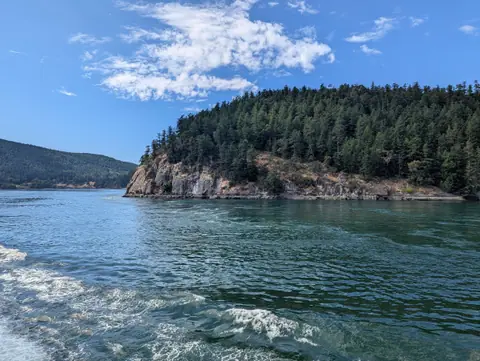 Best Things to Do in Victoria: From Inner Harbour Sights to Island CastlesHistoric harbour architecture, grand coastal estates, forested public grounds, and marine passages fill Vancouver Island during every calm season.
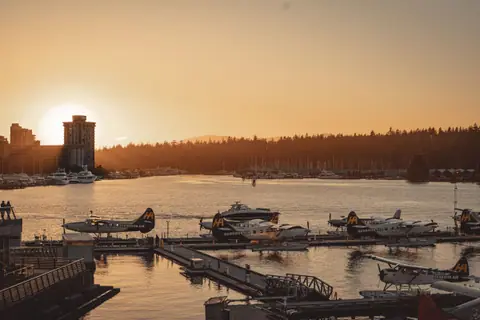 Victoria Inner Harbour: Parliament Buildings, Empress Hotel, and Causeway WalkFrancis Rattenbury transformed Victoria Inner Harbour into a grand civic centre lined with historic stone landmarks, copper domes, and coastal promenades.
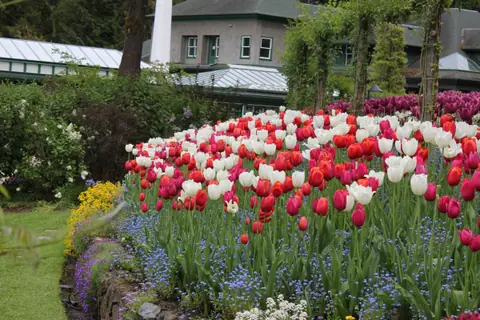
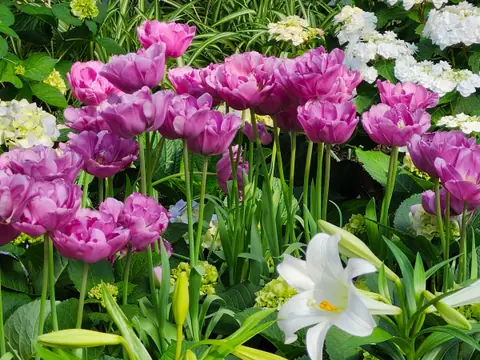 Visiting The Butchart Gardens: Sunken Garden, Route 75 and Seasonal DisplaysJennie Butchart transformed an abandoned limestone quarry on Brentwood Bay into an internationally celebrated historic estate display garden.
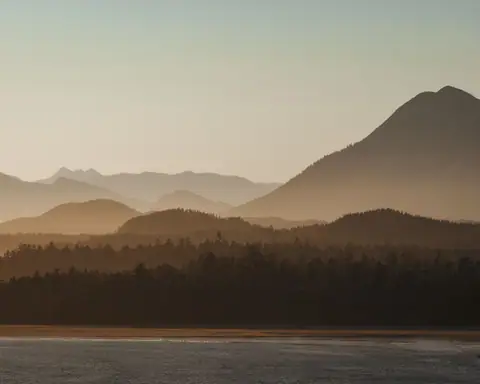 Visiting Royal BC Museum, Thunderbird Park and Helmcken HouseNatural history dioramas, Indigenous heritage halls, Thunderbird Park totem poles, and historic pioneer architecture await visitors in central Victoria.
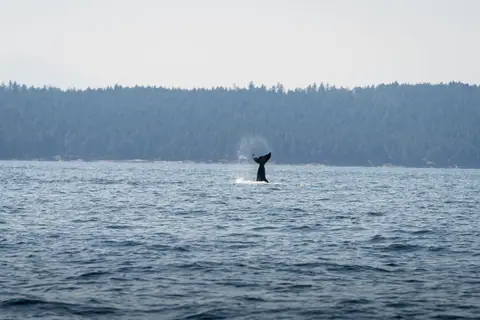 Whale Watching in Victoria: Orcas, Humpbacks and Coastal Sea ExcursionsMigrating humpback whales and wild killer whale pods cross the open waters of the Salish Sea from Vancouver Island.
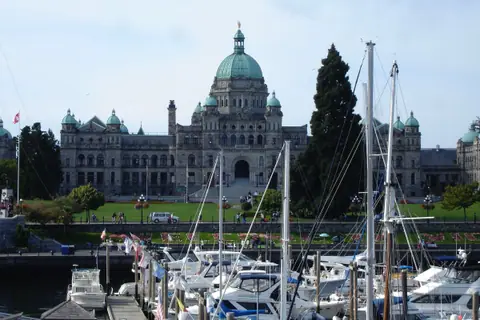 Victoria's Coal-Baron Castles: Craigdarroch and Hatley EstatesRobert Dunsmuir and his son James shaped Vancouver Island with grand stone castles, sprawling parkland, and lavish Edwardian interiors.
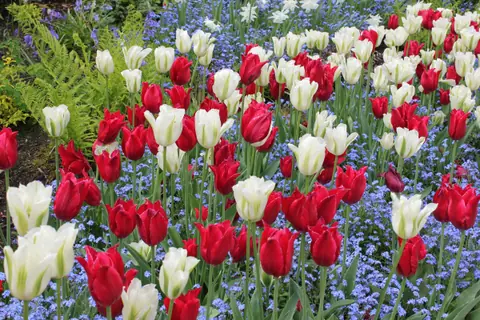 Beacon Hill Park, Mile 0, and Dallas Road Waterfront TrailBeacon Hill Park spans green lawns, shaded Garry oak groves, peacocks, and breezy coastal footpaths leading towards the Strait of Juan de Fuca.
Neighbourhoods & Where to Stay
Districts, historic quarters and the best bases for your stay.
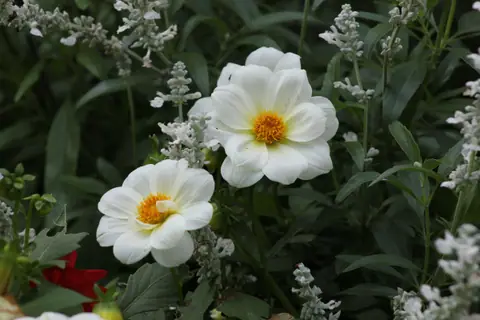 Fisherman's Wharf Float Homes, Water Taxis and James BayWe explore the painted float homes of Fisherman's Wharf, historic James Bay streets, and coastal water taxi routes across Victoria.
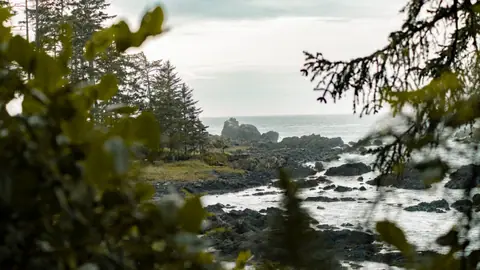 Old Town Victoria, Chinatown, Fan Tan Alley and Market SquareWalk through Canada's earliest Chinatown along Fisgard Street to explore brick passageways, courtyards, and independent Victorian storefronts.
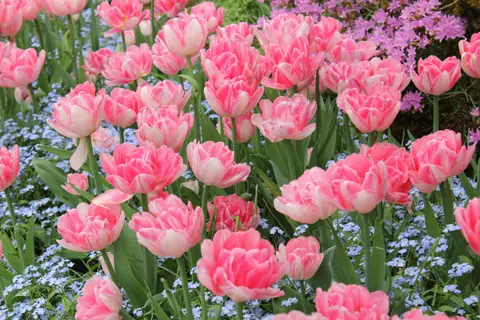 Where to Stay in Victoria: Inner Harbour, James Bay, Old Town and Oak BayChoosing an ideal base in Victoria shapes your journey between maritime quays, heritage brick alleys, quiet gardens, and tranquil coastal bays.
Food & Drink
Local dishes, markets, cafés and dining districts.
Getting Around & Arrival
Airport transfers, public transit, passes and driving rules.
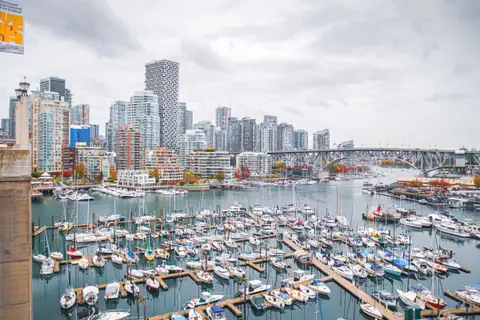 Getting to Victoria from Vancouver and Seattle by Ferry, Flight and SeaplaneReaching Vancouver Island involves scenic marine channels or rapid coastal flights across the Salish Sea from mainland British Columbia and Washington State.
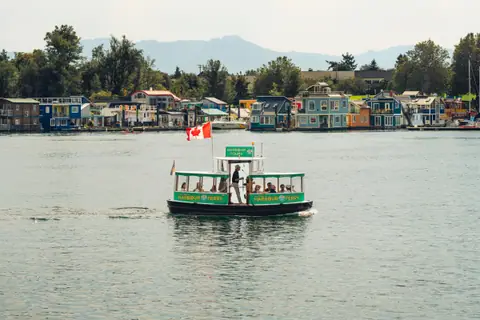 Victoria Without a Car: BC Transit DayPASS, Harbour Ferries and Cycle PathsExploring British Columbia's coastal capital without a private vehicle proves remarkably simple through regional buses, compact passenger ferries, and linked multi-use cycle paths.
Day Trips & Excursions
Easy half-day and full-day trips from the city.
 North of Victoria: Malahat Skywalk, Goldstream and Kinsol TrestleDriving north from Victoria leads through ancient rain shadow forests, steep fiord lookouts, and historic railway timber structures along Vancouver Island.
 East Sooke, Sooke Potholes, and Mystic Beach Day TripRugged headlands, freshwater river gorges, and tide-washed beaches define the wild Pacific coastline west of Victoria.
 Sidney-by-the-Sea, Swartz Bay and Gulf Islands Day ExcursionsSidney-by-the-Sea offers independent bookshops along Beacon Avenue and direct ferry connections towards Salt Spring Island and the southern Gulf Islands.
Trip Planning & Itineraries
When to visit, what to pack and day-by-day routes.
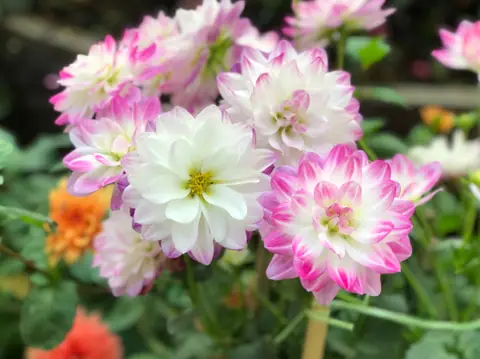 Victoria First-Time Arrival and District OrientationArriving in British Columbia's provincial capital reveals compact harbourside avenues, quiet residential lanes, and clear public transport networks across south Vancouver Island.
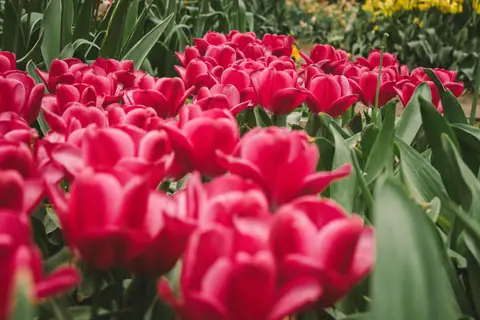 Victoria Across the Seasons: Cherry Blossoms, Whales and Coastal SunshinePlanning around the seasonal rhythms of Vancouver Island allows travellers to enjoy blossoming boulevards, dry sunny coastlines, and dramatic winter seas.
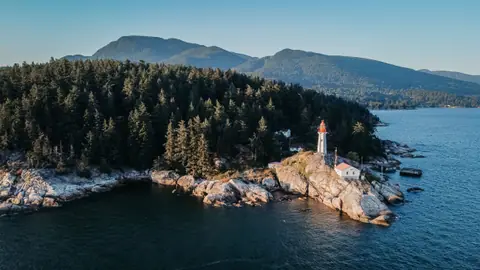 What to Wear in Victoria: Marine Layers and City AttirePacking for Vancouver Island demands adaptable layers to handle chilly Salish Sea winds, damp forest trails, and polished inner harbour dining.
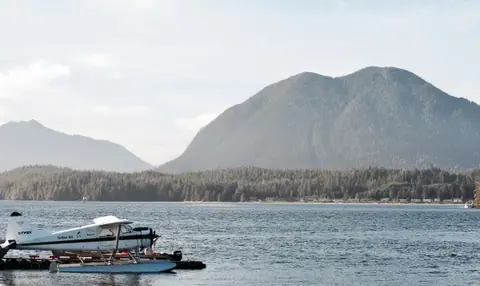 Victoria in Three Days: Inner Harbour, Sunken Gardens, and Coastal TrailsWe map out a balanced three-day itinerary connecting Victoria Inner Harbour landmarks, historic alleyways, botanical displays, and wild coastal paths.
Need your embassy or consulate in Canada? See embassies and consulates in Canada.
Reviews
Log in to write a review.
No reviews yet.