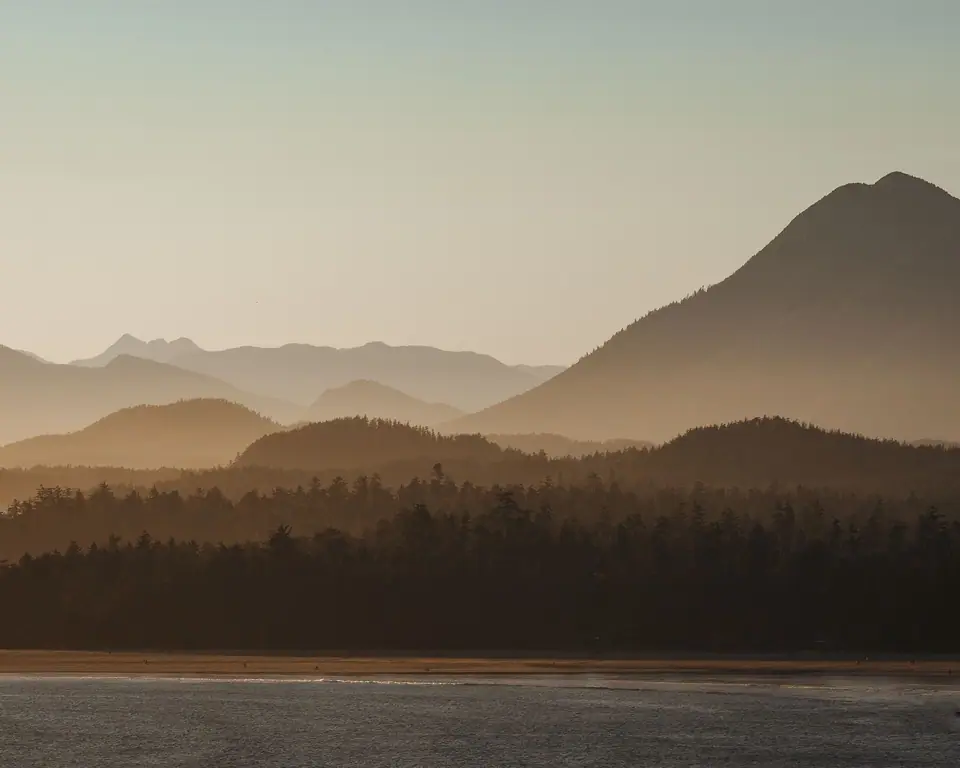
Visiting Royal BC Museum, Thunderbird Park and Helmcken House
Natural history dioramas, Indigenous heritage halls, Thunderbird Park totem poles, and historic pioneer architecture await visitors in central Victoria.
Standing just back from the harbour shore, the Royal British Columbia Museum presents an immersive passage through the coastal landscapes and human history of western Canada. We step through expansive exhibition floors that trace natural ecosystems from glacial mountain summits down to intertidal ocean reefs. The galleries employ three-dimensional dioramas, realistic soundscapes, and preserved biological specimens to capture the rugged diversity of Vancouver Island and the wider Pacific Northwest. Walkers can easily connect here after taking in the historic promenade detailed in our Inner Harbour and Parliament walking guide before stepping into the darkened exhibition halls.
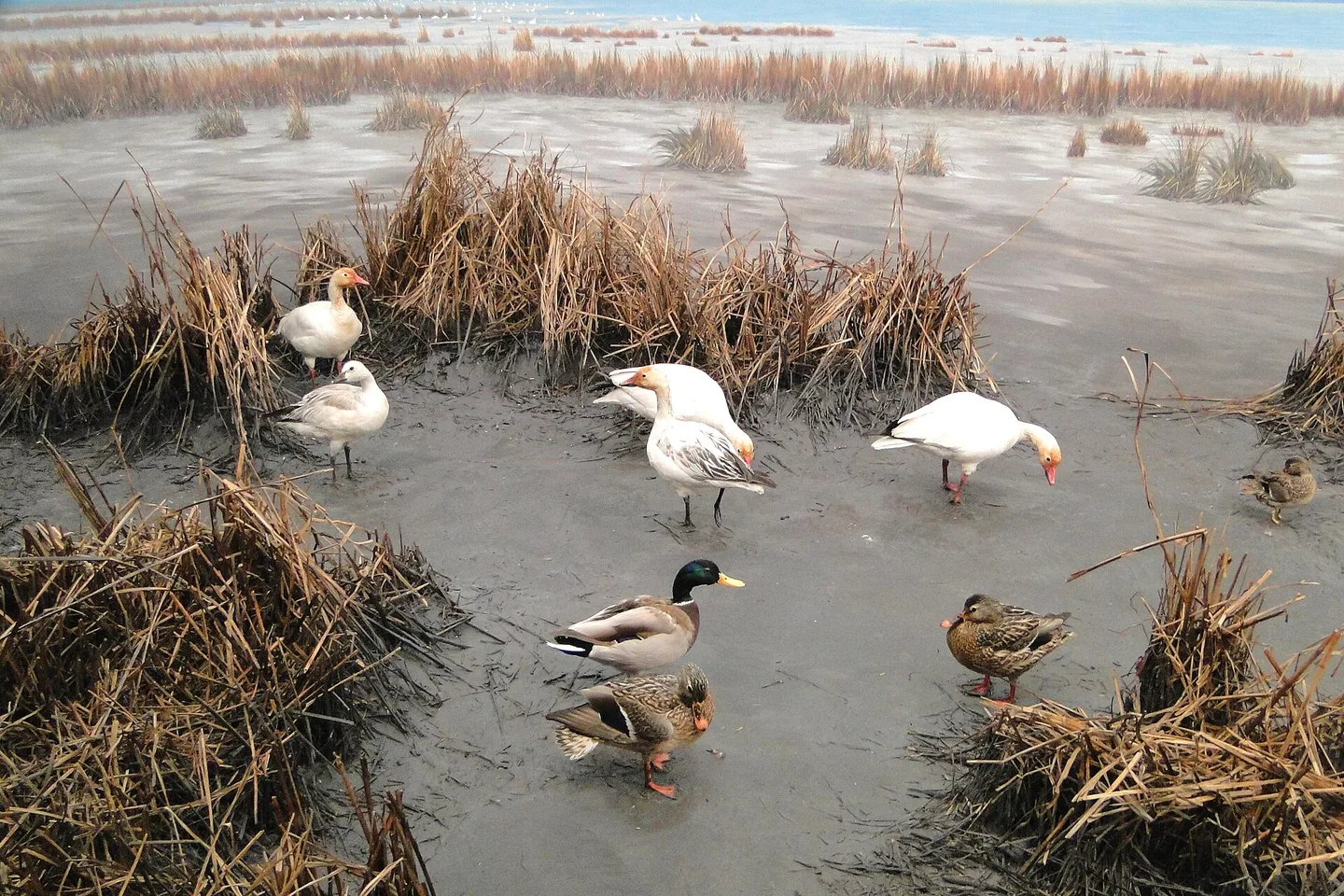
A standout centrepiece of the natural history section remains the life-sized woolly mammoth diorama, surrounded by frozen tundra vegetation and glacial winds. Nearby corridors showcase deep sea submarine environments, ancient forest canopies, and subalpine meadows filled with native wildlife displays. Coastal bird colonies appear perched along recreated seaside bluffs, complete with realistic wave action sounds and seabird calls echoing from overhead beams. These exhibits document how geological shifts, marine currents, and climatic pressures shaped regional wildlife populations over countless millennia.
The coastal forest galleries feature towering Douglas fir and western red cedar recreations. Visitors walk beneath full-scale foliage canopies populated with cougars, black bears, and birds of prey mounted in active hunting poses. Interpretive panels explain how ancient temperate rainforests sustain diverse river systems across the island. Salmon runs, estuarine salt marshes, and coastal tidal pools receive equal attention through meticulously constructed display cases.
Upstairs, the First Peoples gallery honours the enduring presence and sophisticated cultures of coastal Indigenous nations. The halls present masterfully carved cedar feast dishes, bentwood boxes, ceremonial masks, and woven spruce-root hats created by master artisans. Interactive audio recordings allow visitors to listen directly to diverse Indigenous languages spoken across the province, demonstrating ongoing cultural resilience. We see how hereditary chiefs and artists preserve intricate heraldic crests, passing oral traditions and community ceremonies down through successive generations without interruption.
The exhibitions also address the difficult colonial history experienced by coastal communities, displaying archival photographs alongside ceremonial items. Potlatch regalia, painted house posts, and monumental entrance poles illustrate the deep connection between artistic expression, land stewardship, and community governance. Visitors can readily integrate this deep cultural learning with broader sightseeing plans highlighted throughout coastal landmarks and heritage gardens across town.
Archival documents and historical artefacts chart the resilience of coastal First Nations through changing times. The gallery displays traditional fishing weirs, woven cedar mats, and hand-carved hunting canoes used along Pacific channels. Curators worked with community elders to present accurate clan narratives and ancestral rights attached to each ceremonial crest. This partnership keeps Indigenous voices central to the interpretation of their own cultural heritage.
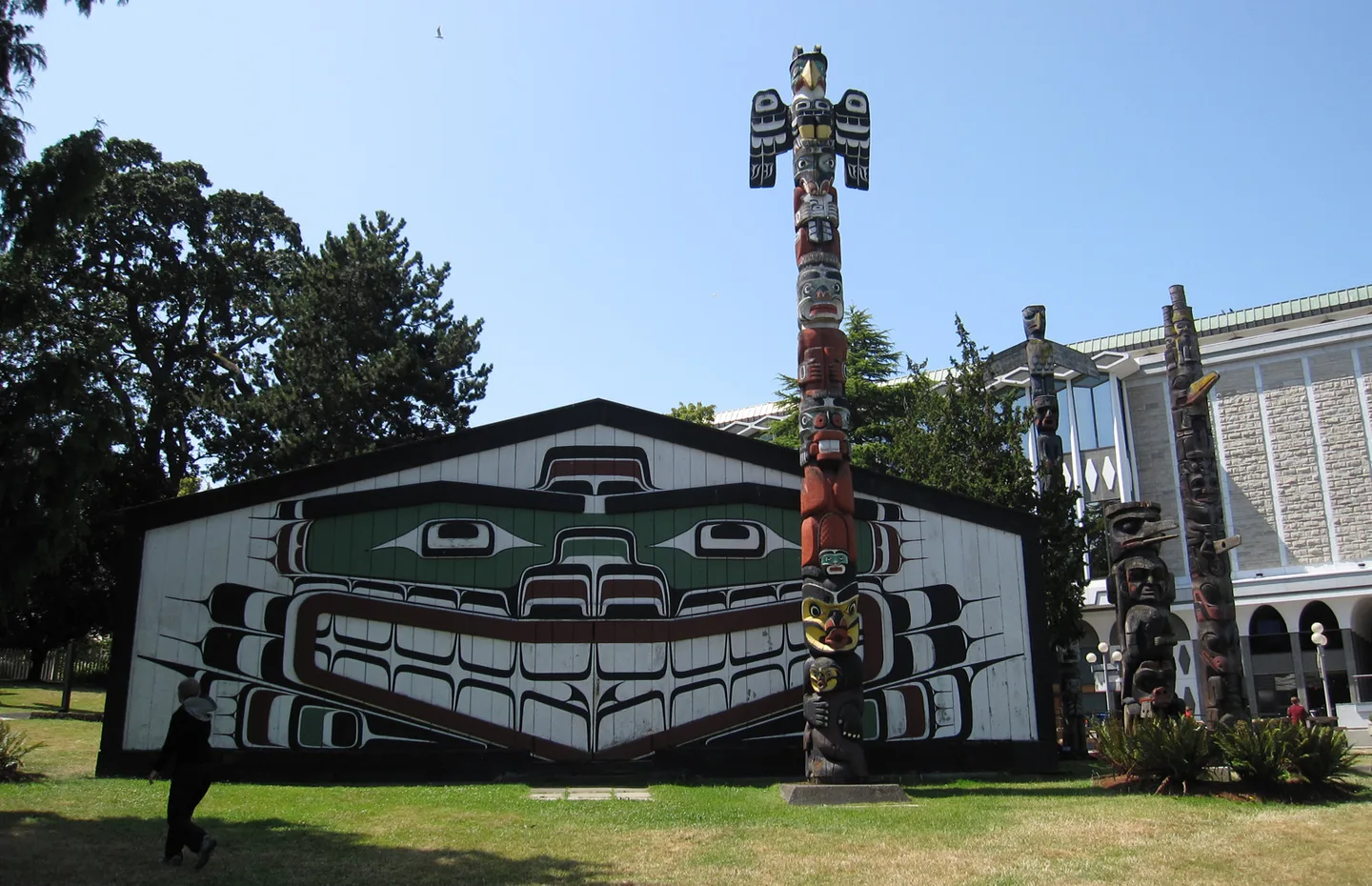
Stepping outside the modern museum pavilion brings us directly into Thunderbird Park, a quiet open-air green space established to celebrate Pacific Northwest carving arts. Monumental cedar totem poles stand prominently under mature trees, showing stylized eagles, beavers, ravens, and mythological beings carved with bold crest designs. Renowned carvers, including the celebrated Kwakwaka'wakw artist Mungo Martin, carved several monumental poles on this site to teach carving techniques to younger generations.
The park also contains Wawadit'la, a traditional Kwakwaka'wakw big house built with massive split-cedar planks and painted with heraldic marine creatures. Walking among these towering wooden monuments allows us to observe natural weathering patterns on native red cedar, which softens to a silvery grey over decades outdoors. The park provides an accessible outdoor space where visitors can appreciate monumental coastal woodcraft at their own pace without entering the main ticketing foyer.
Nearby pathways wind beneath tall native maples and flowering dogwood trees that offer cool shade during the summer. Benches arranged around the perimeter let visitors sit and study the pole carvings in natural daylight. Each carved figure reveals distinct regional styles, contrasting sharp northern formline contours with rounded southern carving traditions. Photographers frequently visit this outdoor court to capture the play of sunlight across the weathered cedar timber.
Key Highlights Across the Museum Complex
- Natural History Dioramas: Detailed coastal habitats, glacial ice caves, and native Pacific Northwest wildlife displays.
- Temperate Rainforest Displays: Massive fir recreations with river estuaries and coastal mammal specimens.
- First Peoples Gallery: Intricate cedar masks, woven textiles, bentwood boxes, and recorded Indigenous language archives.
- Indigenous Marine Heritage: Traditional wooden sea canoes, river fishing weirs, and hereditary ceremonial clan regalia.
- Thunderbird Park Totem Poles: Towering outdoor monuments carved with hereditary clan crests and mythological figures.
- Wawadit'la Big House: A full-scale traditional Kwakwaka'wakw cedar plank house built for public cultural gatherings.
- Helmcken House: The preserved pioneer residence showing frontier domestic life and medical equipment.
- Heritage Herb Garden: Cultivated heirloom domestic plantings and historic vegetable plots outside the pioneer residence.
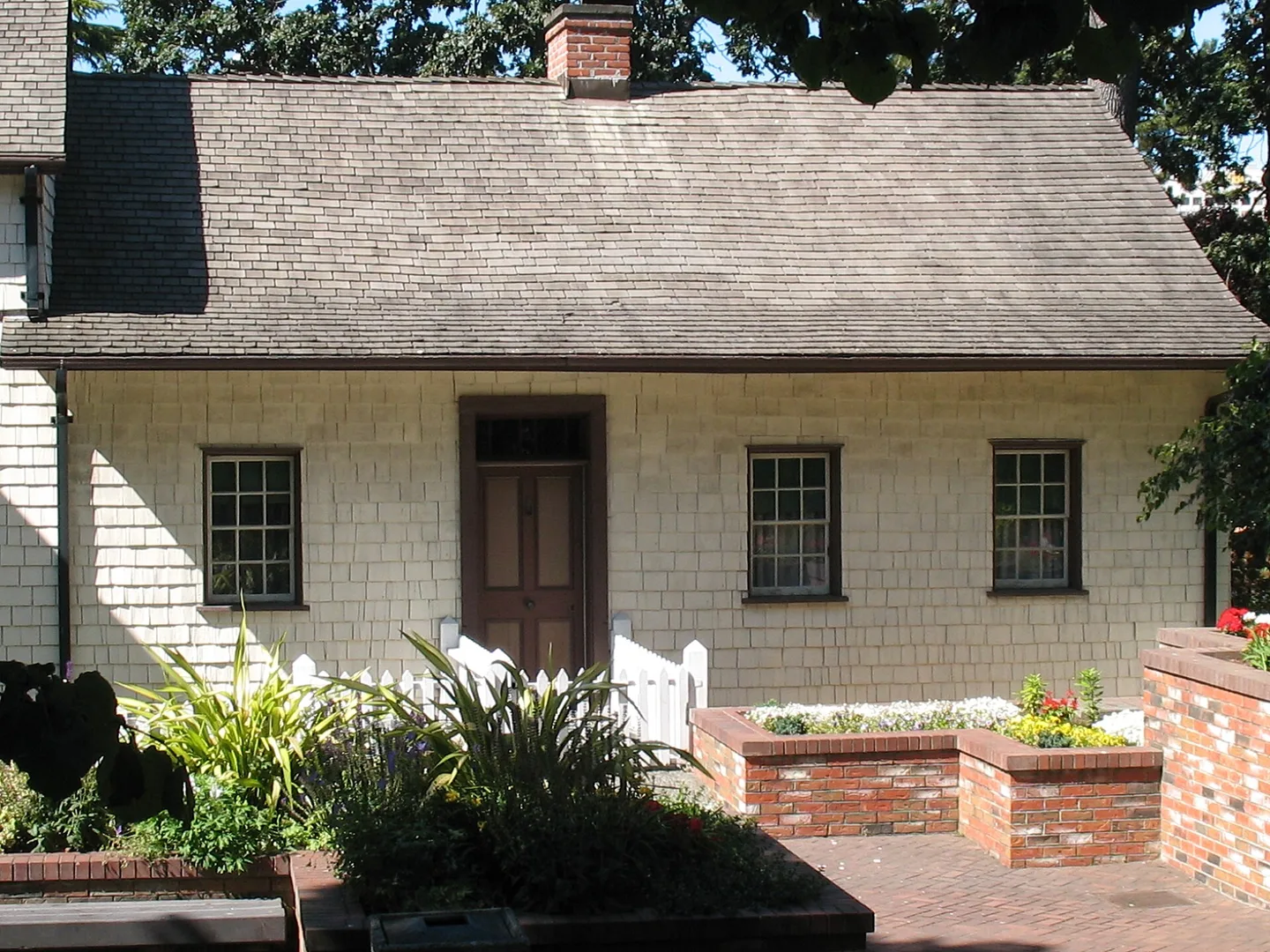
Tucked into the corner of the park grounds stands Helmcken House, built in the mid-nineteenth century as a family residence. The building represents one of the oldest surviving wooden dwellings in the province, offering a stark architectural contrast to the concrete museum modernism nearby. The house belonged to Dr John Sebastian Helmcken, who arrived as a surgeon for the Hudson's Bay Company before entering local politics.
Inside the preserved timber rooms, visitors observe original nineteenth-century furnishings, oil lamps, family heirlooms, and early British colonial domestic goods. Dr Helmcken's medical kit sits carefully displayed, containing surgical tools, glass medicine bottles, and diagnostic implements used on early frontier patients. Confirm current gallery opening hours and renovation wing notices directly on the museum website before travelling across town.
Beside the house, a heritage garden displays heirloom vegetables, culinary herbs, and medicinal plants used during colonial times. Narrow brick paths wind past border beds planted with period roses, lavender, and kitchen staples. This outdoor domestic space recreates the self-reliant lifestyle required of early pioneer families on Vancouver Island. The quiet garden setting encourages visitors to pause and contemplate how daily life unfolded along this harbour shoreline long ago.
Official prices and opening hours
- Royal BC Museum & Thunderbird ParkOfficial site ↗
Where it is
- 1Victoria
- Victoria International Airport (YYJ) · about 26 km from Victoria in a straight line
- Vancouver International Airport (YVR) · about 87 km from Victoria in a straight line
- Directions in Google Maps
Stations and taxi ranks: OpenStreetMap. Airports: OurAirports. Distances are in a straight line.
Traveller tips
Real advice from people who have been to Victoria. Every tip is read by our team before it goes live.
No tips yet. Been here? Yours could be the first.
Thank you! Your tip will appear here after a quick review.
More in Victoria
Continue exploring Victoria with related neighbourhood, food, and planning guides
Whale Watching in Victoria: Orcas, Humpbacks and Coastal Sea Excursions
Victoria, Canada

Fisherman's Wharf Float Homes, Water Taxis and James Bay
Victoria, Canada
Old Town Victoria, Chinatown, Fan Tan Alley and Market Square
Victoria, Canada
Victoria's Coal-Baron Castles: Craigdarroch and Hatley Estates
Victoria, Canada
