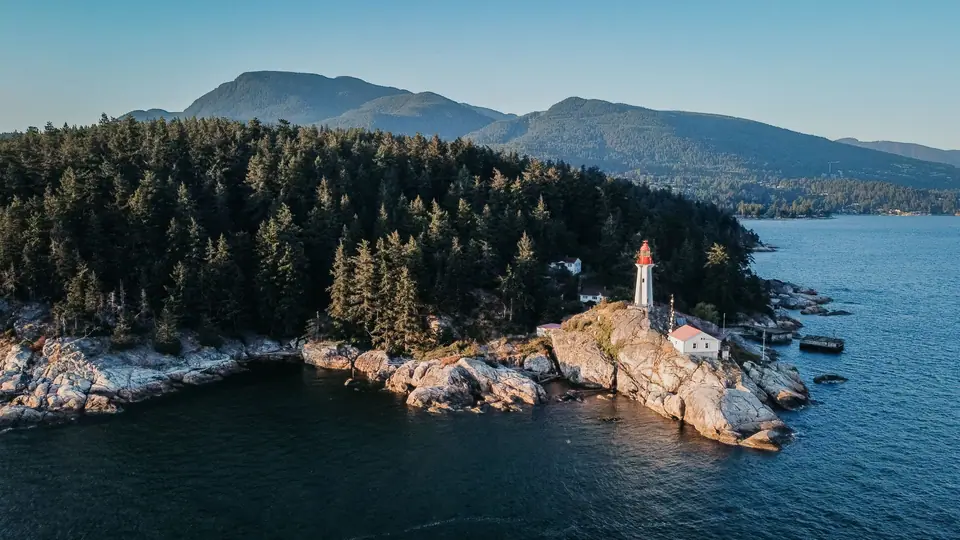
What to Wear in Victoria: Marine Layers and City Attire
Packing for Vancouver Island demands adaptable layers to handle chilly Salish Sea winds, damp forest trails, and polished inner harbour dining.
Coastal conditions on Vancouver Island change swiftly across short distances. Weather shifts dramatically as soon as we step away from sheltered streets. In Victoria, gentle inland warmth frequently yields to biting Pacific drafts along exposed seawalls. Preparing for this maritime climate means selecting flexible layers. These clothes seal out brisk moisture while letting our bodies breathe during energetic strolls.
Navigating Marine Winds on the Salish Sea
Stepping aboard vessels for whale watching trips across the Salish Sea exposes passengers to intense offshore breezes. Midday sunshine often warms the inner basin, but open water stays cold. Boat speeds create an artificial chill that quickly cuts through simple cotton jumpers. A hooded, windproof outer shell paired with an insulating fleece layer keeps the core comfortable during prolonged open-deck observation.
Sea spray and fine ocean mist can penetrate light fashion jackets within minutes. We recommend choosing technical waterproof shells with adjustable cuffs and snug collars to retain neck warmth. Compact wool beanies and light thermal neck gaiters fit easily into small daypacks. These simple items prevent ocean chill from dampening coastal wildlife viewings.
Lighter gloves made from quick-drying synthetic fabric protect bare fingers while operating cameras or binoculars on windy outer decks. Sturdy sunglasses also shield our vision from the bright marine glare reflecting off open water. Having these protective accessories packed ready saves considerable comfort during offshore excursions. Pack them inside an exterior pocket for instant access whenever the vessel gains speed.
Wind speeds over open straits feel considerably colder than readings taken inside Victoria Harbour. Even during peak summer warmth, marine surface winds lower ambient comfort quickly. Layering a light thermal undershirt beneath your sweater prevents unwanted drafts along your spine. Breathable synthetic materials dry swiftly if unexpected waves spray across the bow railings.
Trail Footwear for Temperate Rainforests and Headlands
Walking beyond paved paths towards rugged coastal bluffs demands sturdy footwear with dependable grip. Coastal routes around trails near Sooke and along the Juan de Fuca Strait present wet tree roots, slick shale, and muddy forest hollows. Flat fashion trainers slide easily across damp rocks, increasing fatigue and slipping hazards along cliffside tracks.
Low-cut walking shoes or mid-height hiking boots featuring deep tread give the ankle support and traction needed for uneven natural terrain. Waterproof breathable membranes help keep socks dry when brushing past dew-soaked ferns and marshy shoreline clearings. We advise choosing wool-blend socks that cushion the feet and regulate warmth through variable coastal ground temperatures.
| Setting | Outer Layer | Footwear Choice | Key Accessory |
|---|---|---|---|
| Salish Sea Deck | Windproof hooded shell | Rubber-soled deck shoes | Thermal neck gaiter |
| Coastal Bluffs | Breathable rain jacket | Grippy hiking boots | Merino wool socks |
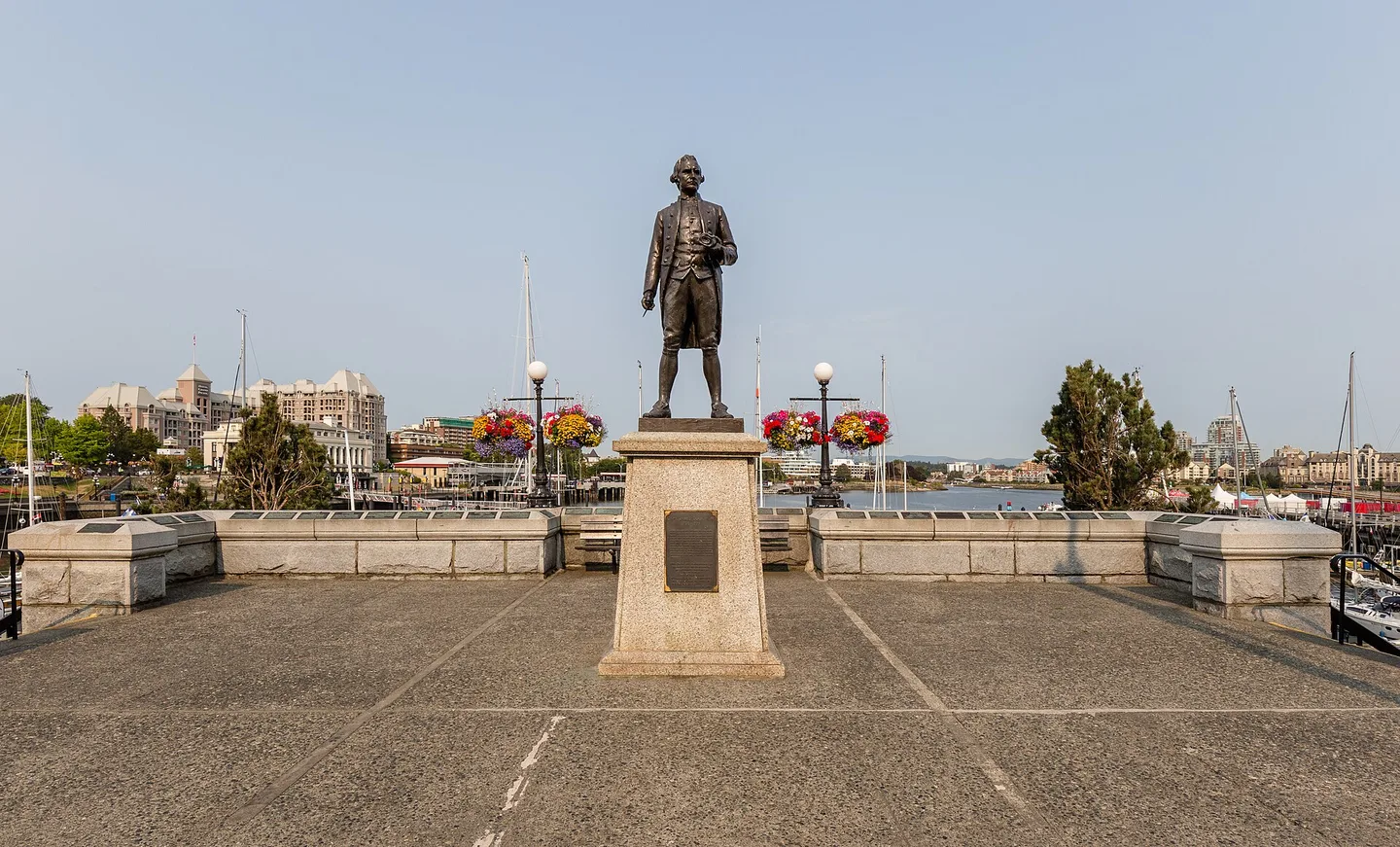
| Inner Harbour Stroll | Light wool coat or trench | Comfortable walking flats | Compact umbrella |
| Heritage Tearooms | Tailored blazer or knit | Polished leather shoes | Smart day bag |
After heavy showers, forest trails retain standing water underneath thick cedar canopies long after the rain stops. Carrying a spare pair of dry socks inside a sealed pocket allows a quick change before returning to the vehicle. Taking proper footwear keeps trail wanderings pleasant from start to finish. Mud guards or gaiters also prevent wet soil from staining lower trouser hems.
Coastal granite and wet driftwood logs present unexpected slip risks along ocean coves. Flexible hiking shoes with sticky rubber outsoles maintain contact across polished rocks. Stiff soles assist when ascending muddy forest switchbacks after sustained autumn rainfall. Taking care of your feet allows longer exploration without blisters or dampness.
Seasonal Layering and City Streetwear
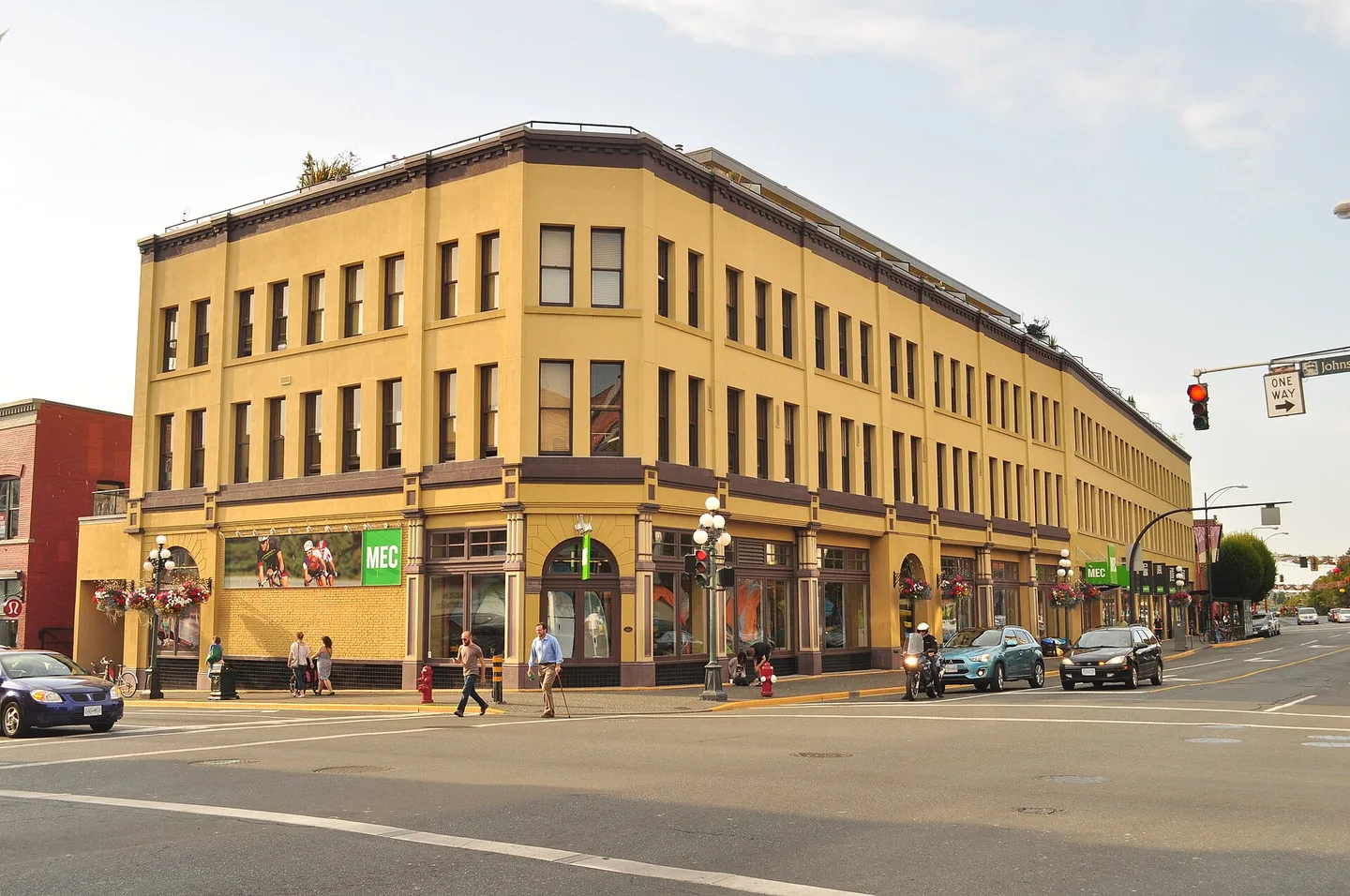
Daily routines around Victoria often involve shifting between breezy waterfront paths and sheltered commercial streets. Downtown avenues offer comfortable microclimates, but rounding a street corner towards the harbour instantly brings marine air into play. A flexible three-piece layering system handles these shifts without requiring trips back to our accommodation.
- Base layers made from breathable merino wool or moisture-wicking synthetic fibres keep skin dry.
- Middle insulating layers such as knitted jumpers or light down vests trap ambient warmth.
- Durable outer shells defend against sudden squalls and oceanic drafts along open harbours.
- Comfortable walking shoes with cushioned insoles support hours on concrete pavements.
Checking the general forecast before planning days outdoors helps determine which mid-layer weight to pull on. Consulting the seasonal climate patterns in Victoria highlights the driest months and cooler shoulder periods. During early spring and late autumn, packing a compact umbrella and water-resistant trench coat keeps urban exploration effortless.
Denim trousers, tailored chinos, and durable walking trousers suit general urban sightseeing throughout the day. Soft natural textiles dry reasonably fast and blend easily into local coffee houses and bookshops. Maintaining versatile casual clothing keeps packing light while remaining prepared for unpredictable island breezes. Cardigans and light overshirts work well when shifting between outdoor terraces and heated shops.
Smart-Casual Etiquette for Afternoon Tea and Dining
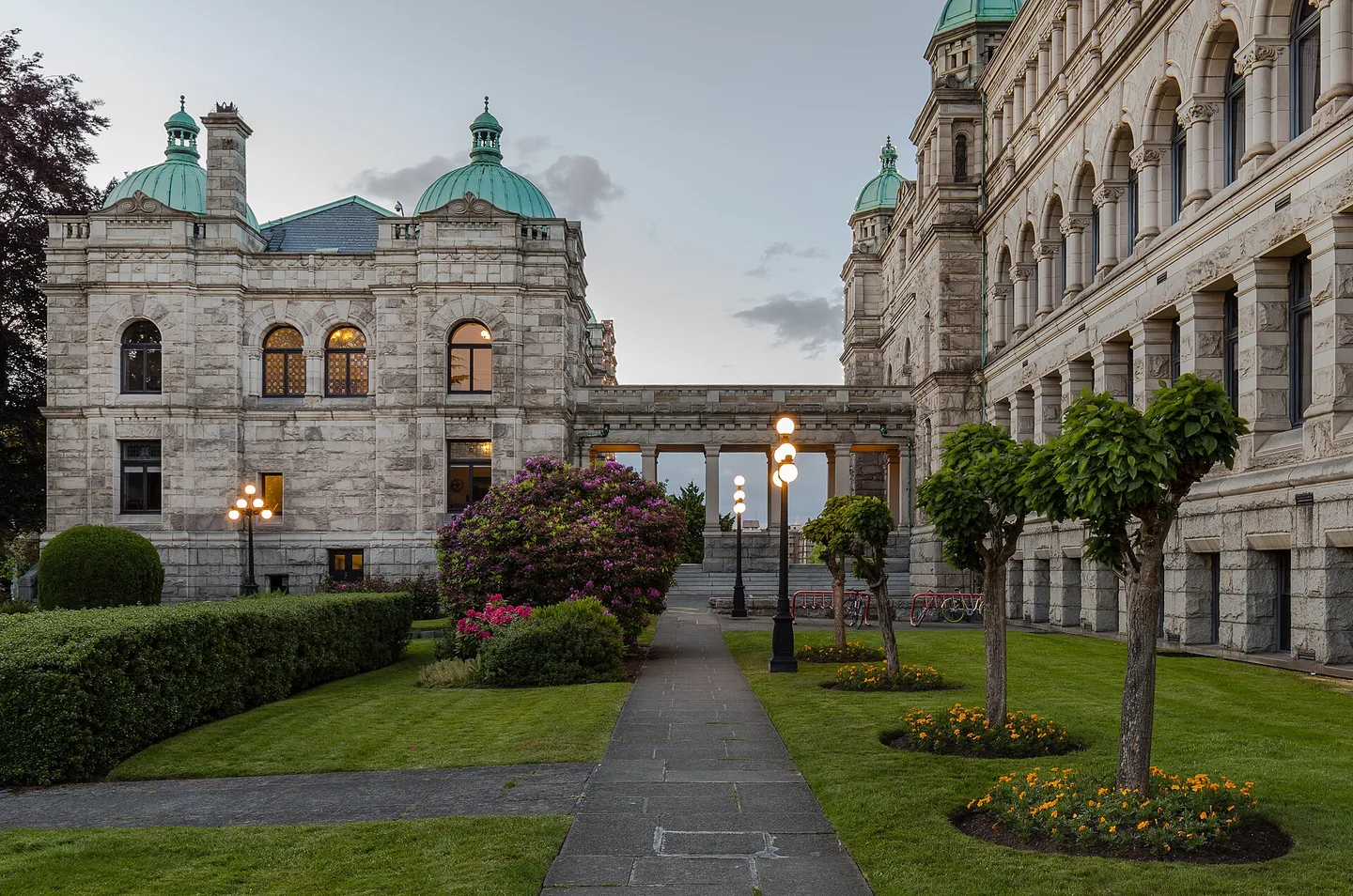
Victoria preserves a distinct culinary tradition where afternoon tea and evening harbour dining call for a polished appearance. While daytime sightseeing accepts casual walking clothes, historic venues like the Fairmont Empress observe relaxed smart-casual dress codes. Arriving in damp hiking boots or gym attire can feel out of place within classic heritage rooms.
Neat collared shirts, knit jumpers, smart blouses, and pressed trousers fit the dignified afternoon tea atmosphere perfectly. Tailored dark jeans paired with polished leather shoes or clean city loafers create an easy balance between comfort and elegance. Carrying a light indoor wrap or cardigan prevents chill under high heritage ceilings.
Transitioning from rugged shoreline trails to elegant dinner tables simply requires carrying a change of footwear and a clean top layer. When exploring the greater region around Victoria and Vancouver Island, separating outdoor gear from evening attire allows easy entries into premier dining rooms. Thoughtful packing keeps us warm along wild shorelines and suitably dressed for refined island hospitality.
Weather by month
Victoria is warmest in July, with average highs around 23°C, and coldest in February, when nights drop to about 3°C. November is the wettest month by rainfall (176 mm), with rain on about 17 days. For mild weather with fewer rainy days, aim for May, June, July, August and September.
| Month | Low | Range | High | Rain | Rainy days |
|---|---|---|---|---|---|
| Jan | 3°C | 7°C | 166 mm | 17 d | |
| Feb | 3°C | 7°C | 105 mm | 15 d | |
| Mar | 4°C | 10°C | 82 mm | 14 d | |
| Apr | 6°C | 12°C | 66 mm | 13 d | |
| May | 10°C | 17°C | 33 mm | 7 d | |
| Jun | 12°C | 20°C | 30 mm | 6 d | |
| Jul | 14°C | 23°C | 12 mm | 2 d | |
| Aug | 15°C | 23°C | 21 mm | 4 d | |
| Sep | 13°C | 19°C | 57 mm | 9 d | |
| Oct | 8°C | 14°C | 126 mm | 14 d | |
| Nov | 5°C | 9°C | 176 mm | 17 d | |
| Dec | 3°C | 7°C | 170 mm | 18 d |
Averages of daily values from 2015 to 2024. Rainy days are days with at least 1 mm of rain. Source: Open-Meteo · Compare destinations by month.
Official prices and opening hours
- BC Transit Victoria (DayPASS & Local Bus)Official site ↗
Where it is
- 1Victoria
- Victoria International Airport (YYJ) · about 25 km from Victoria in a straight line
- Vancouver International Airport (YVR) · about 86 km from Victoria in a straight line
- Directions in Google Maps
Stations and taxi ranks: OpenStreetMap. Airports: OurAirports. Distances are in a straight line.
Traveller tips
Real advice from people who have been to Victoria. Every tip is read by our team before it goes live.
No tips yet. Been here? Yours could be the first.
Thank you! Your tip will appear here after a quick review.
More in Victoria
Continue exploring Victoria with related neighbourhood, food, and planning guides

Fisherman's Wharf Float Homes, Water Taxis and James Bay
Victoria, Canada
Old Town Victoria, Chinatown, Fan Tan Alley and Market Square
Victoria, Canada
Victoria's Coal-Baron Castles: Craigdarroch and Hatley Estates
Victoria, Canada
Beacon Hill Park, Mile 0, and Dallas Road Waterfront Trail
Victoria, Canada
