Photo by Viktor Kirichenko on Unsplash
What to Wear in Vancouver: Layering and Weather Guide
Mastering the local climate means choosing breathable waterproof outerwear, flexible base layers, and sturdy footwear for coastal seawalls and damp trails.
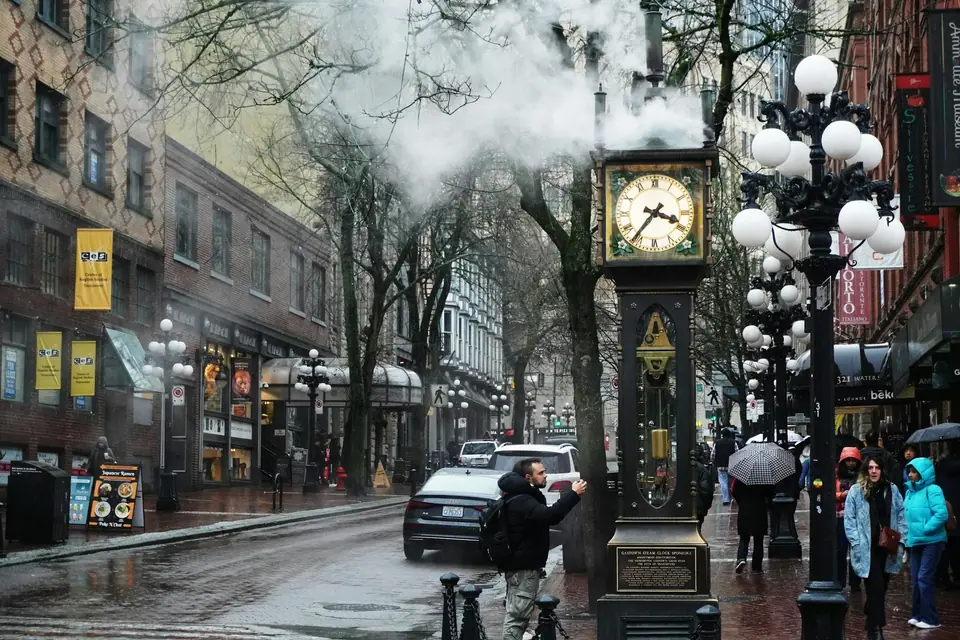
Vancouver experiences a temperate oceanic climate influenced directly by the Pacific Ocean and surrounding coastal mountains. Moist air rolling off the water brings frequent drizzle, sea breezes, and rapidly changing conditions throughout the day. Navigating this climate comfortably requires a practical three-layer approach rather than a single bulky coat. A breathable waterproof jacket with taped seams acts as your primary defence against unpredictable coastal showers.
Underneath that shell, mid-weight fleece or merino wool jumpers regulate body heat effectively when temperatures fluctuate between open waterfronts and sheltered city blocks. Synthetic base layers wick moisture away during brisk walks, keeping your skin dry. Cotton absorbs dampness quickly and dries very slowly in high humidity, so we advise avoiding heavy denim on persistently wet days. Equipping yourself properly allows easy transitions as skies clear into bright sunshine or clouds lower over the harbour.
When stepping out along harbour promenades, wind chill quickly becomes a deciding factor. The open water corridors channel sharp gusts, particularly across broad pedestrian paths and ferry terminals. An umbrella frequently turns inside out when caught in sudden shoreline drafts, making a hooded technical jacket far more reliable for daily wanderings.
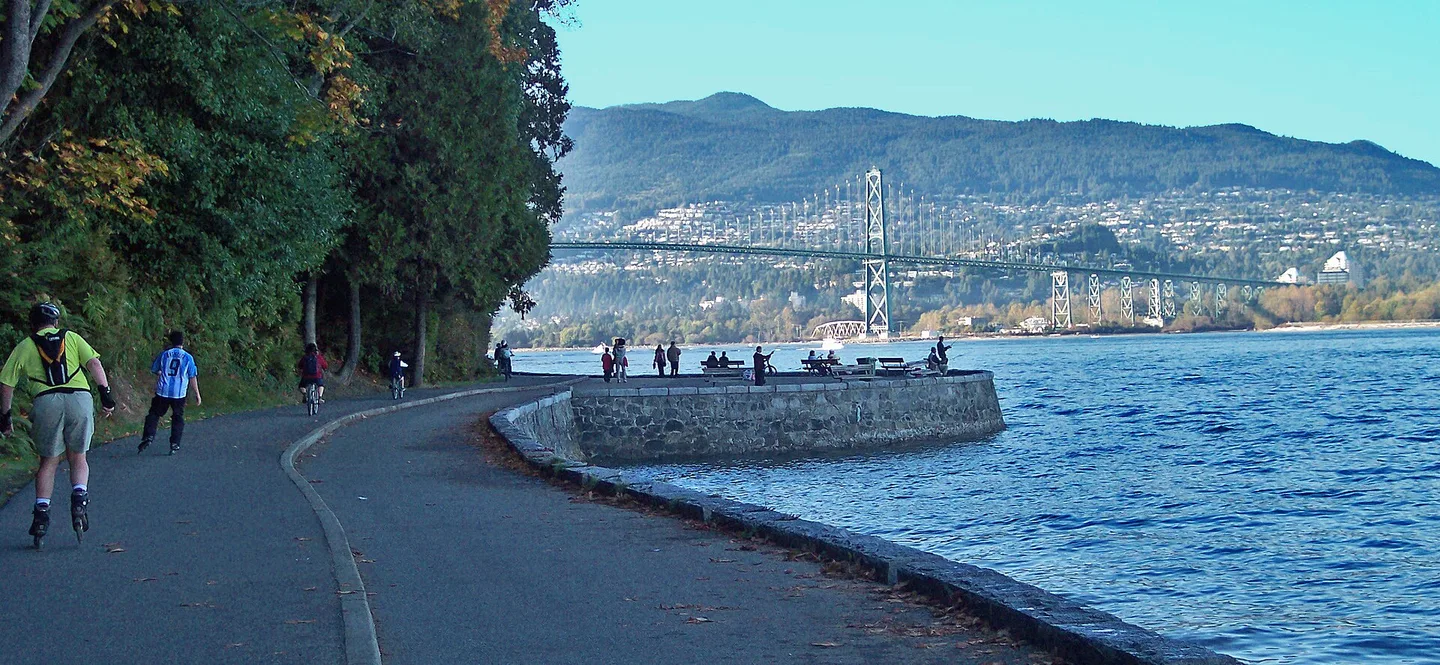
Footwear deserves equal consideration, especially if you plan an active circumnavigation on the Stanley Park seawall. Paved perimeter tracks and gravel diversions turn slick under coastal rainfall, demanding flat walking shoes or trainers with dependable rubber grip. Water-resistant leather trainers or treated trail shoes keep feet dry without appearing out of place in cafes. Breathable wool socks stop blisters and maintain warmth even when ocean mist hangs thick in the air.
Variable conditions mean you will adjust your layers multiple times while exploring across distinct waterfront districts. Heading from sea level to elevated ridges introduces swift drops in temperature, especially near dense hemlock stands. Carrying a compact water-repellent rucksack makes storing sheds effortless as your body heat builds during long ascents.
Coastal Packing Essentials
- Pack a lightweight, breathable waterproof shell jacket with an adjustable hood rather than relying solely on umbrellas.
- Choose flat walking trainers or treated trail shoes fitted with grippy rubber soles for wet boardwalks.
- Wear synthetic or merino base layers that dry quickly and retain warmth in damp conditions.
- Bring a compact daypack with a water-resistant lining to store discarded layers when the sun emerges.
- Include thin thermal gloves and a merino neck gaiter to shield against blustery marine gusts.
- Keep extra moisture-wicking socks on hand to swap out after extensive strolls in coastal drizzle.
Packing for Vancouver varies noticeably across the calendar, moving from dry summer afternoons to prolonged spells of autumn and winter rain. Knowing what outer garments to select helps you move between urban districts and forested waterfronts without shivering.
| Season | Outer Layer | Footwear | Key Accessory |
|---|---|---|---|
| Spring | Waterproof shell jacket | Water-resistant trainers | Compact knit beanie |
| Summer | Light windbreaker | Breathable walking shoes | Polarised sunglasses |
| Autumn | Insulated waterproof parka | Sturdy rubber-soled shoes | Wool scarf |
| Winter | Thermal coat with taped seams | Insulated walking boots | Fleece-lined gloves |
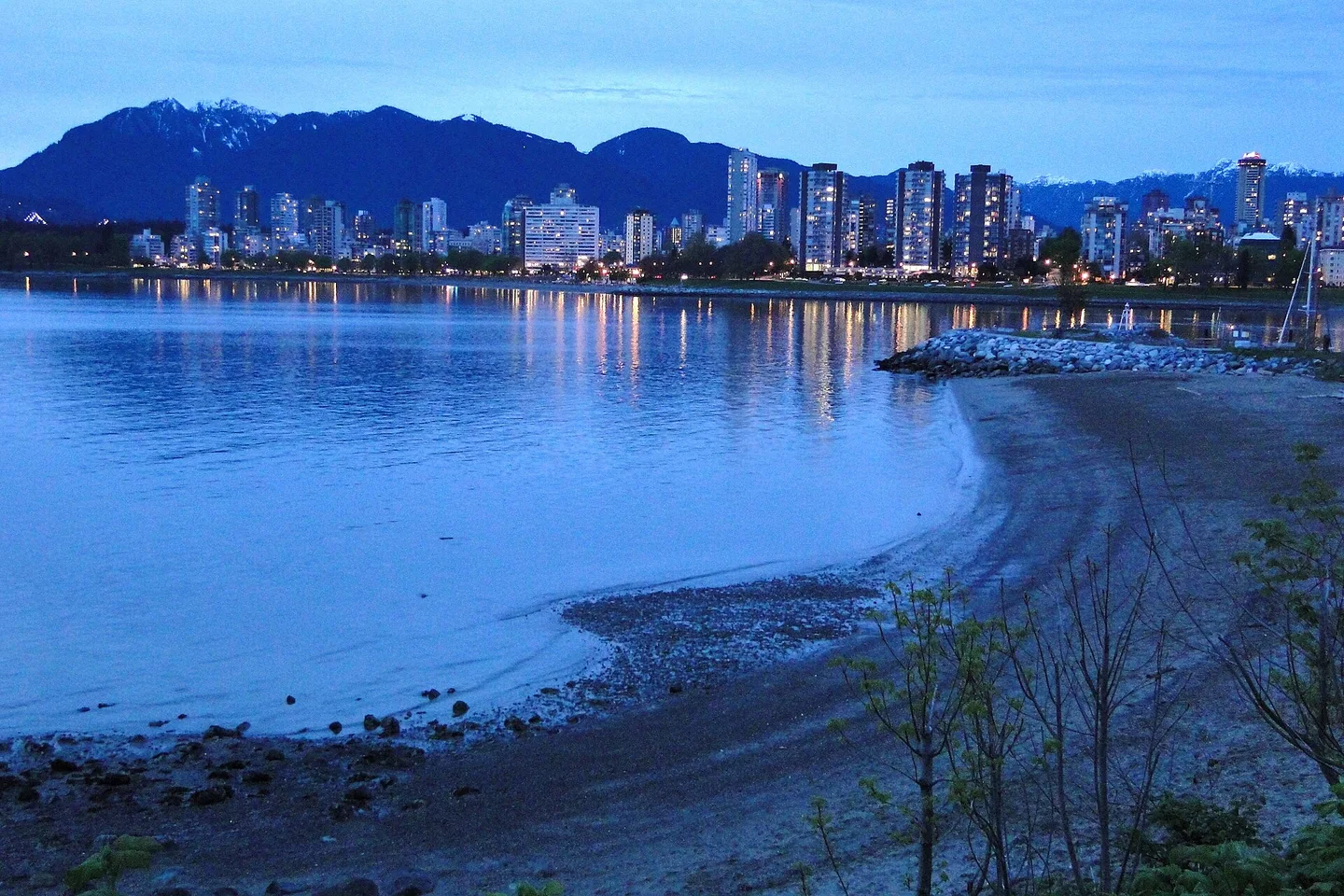
Springtime arrives with unsettled cloud formations, alternating between gentle sunshine and brisk showers. A light waterproof jacket over an insulating fleece keeps you warm when damp sea air blows across False Creek. Flexible layers allow you to adapt immediately as temperatures rise under midday clearings.
During the warmer months, afternoons bring pleasant warmth, yet shade and coastal winds cool things down quickly by dusk. Carrying a lightweight pullover or compact windbreaker lets you linger comfortably by the water. Regional climate patterns are detailed in our guide to the best time to visit Vancouver.
Autumn ushers in heavier rainfall and falling leaves that make stone pathways and wooden pedestrian bridges slick. A thigh-length waterproof coat offers added protection from splashing puddles during city explorations. Darker trousers made from water-resistant synthetic fabrics prevent road mist from soaking through your clothes.
Winter demands warmth combined with moisture resistance, as temperatures hover just above freezing with frequent wet spells. Heavy down jackets without waterproof coatings become soggy quickly in driving rain, so choose synthetic insulation under a seam-sealed shell. Thermal tights or base leggings beneath wind-blocking trousers keep legs protected on open boardwalks.
Vancouver maintains a relaxed, outdoor-focused dress code where technical apparel blends into everyday metropolitan life. Performance jackets, clean trail trousers, and heritage workwear boots are entirely acceptable in neighbourhood bistros, brewpubs, and cultural centres. Dining rooms rarely enforce stiff formal standards, though smart casual staples such as dark trousers and tailored knitwear work well for evening reservations.
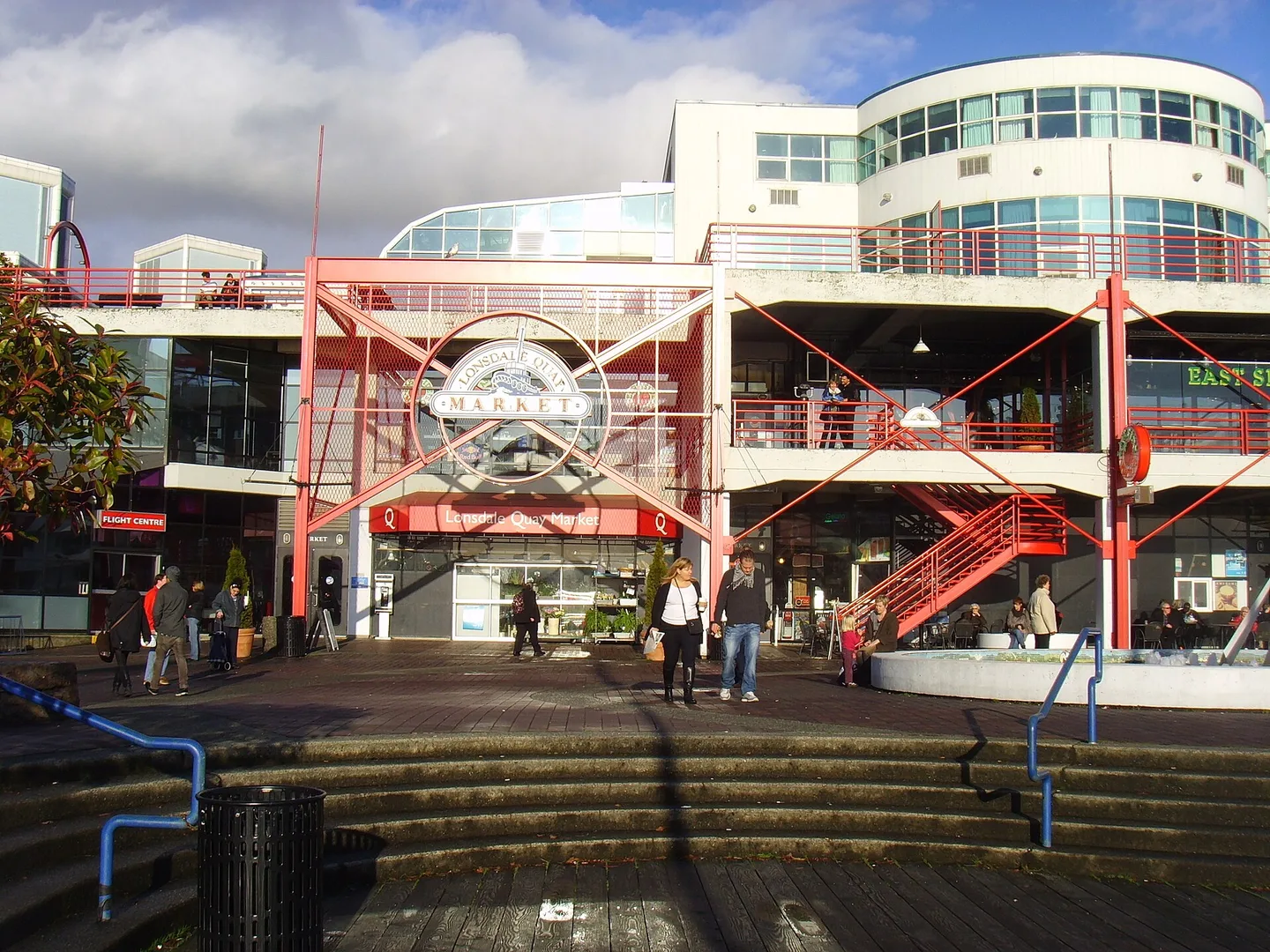
Heading across the inlet requires thoughtful preparation, especially when boarding harbour transport towards coastal attractions. Exploring forest canopies in North Vancouver brings darker canopy shade, cooler air pockets, and damp wooden suspension structures. Wearing a secure mid-layer and shoes with defined tread gives you secure footing along elevated paths. Preparing versatile clothing lets you enjoy active coastal trails and relaxed downtown dining with equal comfort.
Taking day excursions to surrounding islands and mountainous headlands requires extra vigilance regarding thermal protection. The maritime air feels significantly chillier when standing on the breezy open decks of passenger ferries. Travellers planning outer excursions can view trail ideas in our Vancouver day trips guide.
Weather by month
Vancouver is warmest in August, with average highs around 23°C, and coldest in February, when nights drop to about 1°C. November is the wettest month by rainfall (315 mm), with rain on about 19 days. For mild weather with fewer rainy days, aim for June, July, August and September.
| Month | Low | Range | High | Rain | Rainy days |
|---|---|---|---|---|---|
| Jan | 2°C | 7°C | 260 mm | 19 d | |
| Feb | 1°C | 7°C | 148 mm | 16 d | |
| Mar | 3°C | 9°C | 171 mm | 16 d | |
| Apr | 5°C | 12°C | 126 mm | 15 d | |
| May | 9°C | 16°C | 66 mm | 9 d | |
| Jun | 12°C | 19°C | 68 mm | 10 d | |
| Jul | 15°C | 22°C | 32 mm | 5 d | |
| Aug | 15°C | 23°C | 51 mm | 6 d | |
| Sep | 12°C | 18°C | 129 mm | 12 d | |
| Oct | 8°C | 13°C | 225 mm | 15 d | |
| Nov | 4°C | 9°C | 315 mm | 19 d | |
| Dec | 1°C | 6°C | 275 mm | 20 d |
Averages of daily values from 2015 to 2024. Rainy days are days with at least 1 mm of rain. Source: Open-Meteo · Compare destinations by month.
Official prices and opening hours
- Capilano Suspension Bridge Park (North Vancouver)Official site ↗
Where it is
- 1Vancouver
- Vancouver International Airport (YVR) · about 11 km from Vancouver in a straight line
- Directions in Google Maps
Stations and taxi ranks: OpenStreetMap. Airports: OurAirports. Distances are in a straight line.
Traveller tips
Real advice from people who have been to Vancouver. Every tip is read by our team before it goes live.
No tips yet. Been here? Yours could be the first.
Thank you! Your tip will appear here after a quick review.
More in Vancouver
Continue exploring Vancouver with related neighbourhood, food, and planning guides
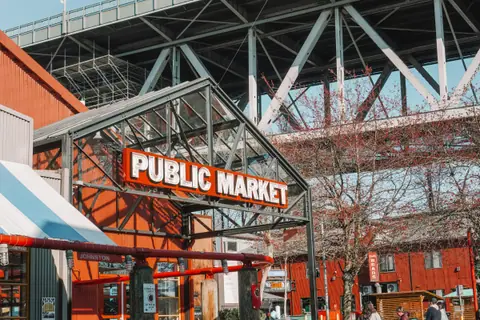
Granville Island: Public Market, False Creek Ferries, and Artisans
Vancouver, Canada
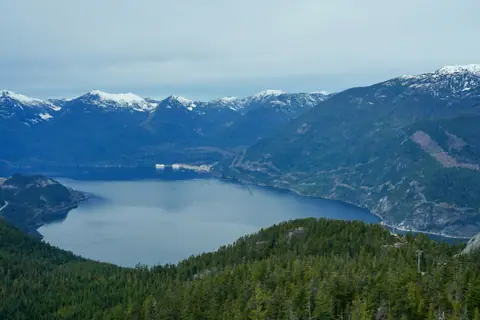
Day Trips from Vancouver across Rainforests and Coastal Fjords
Vancouver, Canada
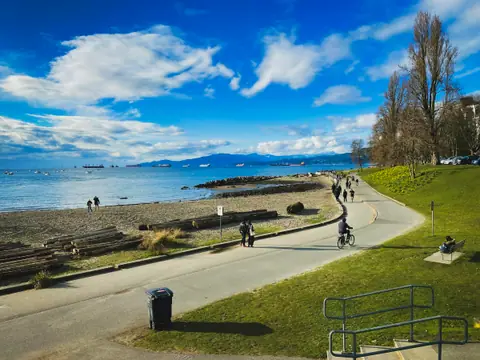
Where to Stay in Vancouver: Top Districts and Base Options
Vancouver, Canada
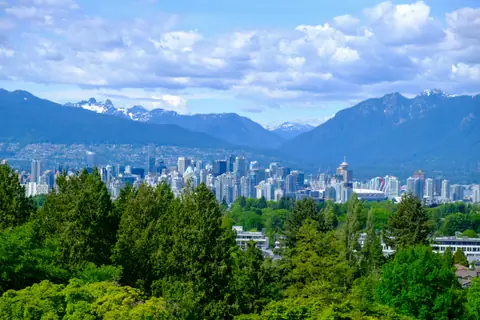
Three Days in Vancouver: Waterfronts, Markets, and Coastal Rainforests
Vancouver, Canada
