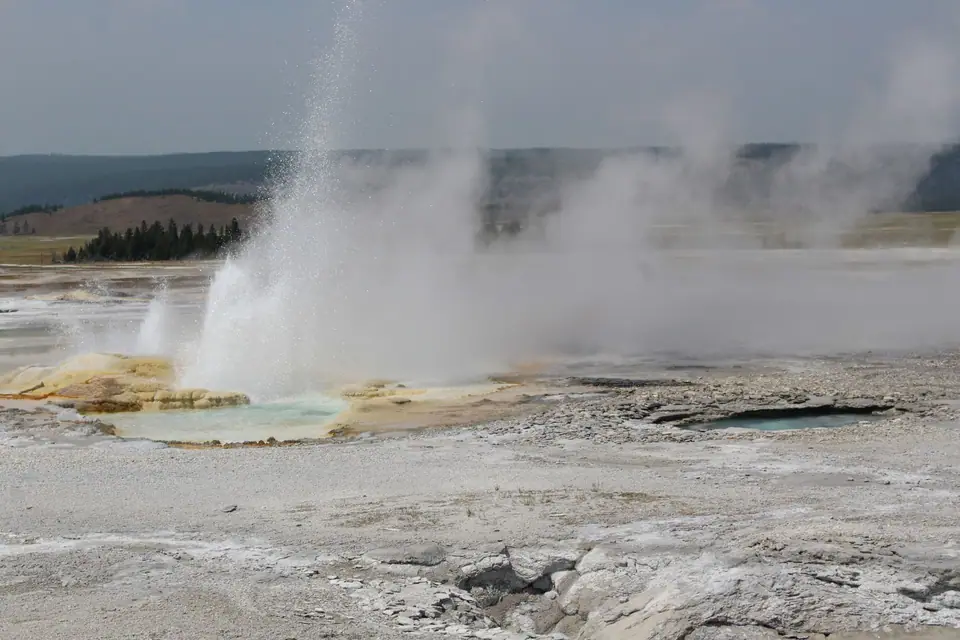
What to Wear in Yellowstone: 8,000-Foot Morning Layers, Bear Spray, Binoculars & Hat Straps
Why a July morning at Old Faithful starts near freezing (3°C), and why binoculars, bear spray and a chin-strap hat are essential.
Yellowstone's elevation catches nearly every summer visitor by surprise: the central plateau of the park, including Old Faithful, Yellowstone Lake and Canyon Village, sits between 2,250 and 2,500 metres (7,400 to 8,200 feet) above sea level. At that altitude, it can snow briefly in any month, and even in July and August, dawn wildlife drives in Lamar Valley or sunrise walks at Old Faithful start at a frosty 1°C to 5°C (34°F to 41°F) before warming to a sunny 25°C (77°F) in the afternoon.
Five Non-Negotiable Packing Items for Yellowstone
- The 3-Layer System (T-Shirt + Warm Fleece or Packable Puffer + Waterproof Wind Shell + Knit Beanie): never head out at dawn for Lamar Valley or Old Faithful without a warm fleece pullover or light down jacket, long trousers and a knit beanie hat. By late morning when the sun comes out, you will be walking the boardwalks in a short-sleeved shirt.
- A Pair of 8x42 or 10x42 Binoculars: this is the top item travellers regret forgetting. While bison walk beside your bumper, grizzly bears, black bears and grey wolves in Lamar and Hayden Valleys are legally viewed from 100 to 500 metres away on open hillsides. Keeping binoculars in your glovebox, or hiring a Spotting Scope on a tripod mount in Gardiner or West Yellowstone, turns a distant speck on a ridge into a mother grizzly with cubs.
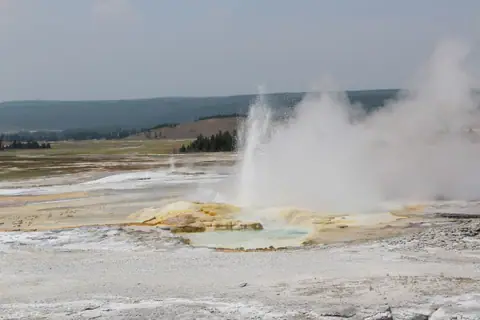
- A Sunhat with a Chin Strap & Polarised Sunglasses: thermal gusts on the Grand Prismatic Spring and Norris boardwalks blow caps into boiling acid pools every week, where it is illegal and dangerous to step off the boardwalk. Meanwhile, polarised sunglasses cut surface glare so you can see straight down into the deep turquoise vents of Morning Glory Pool and West Thumb.
- EPA-Approved Bear Spray: you cannot pack bear spray on a commercial flight. Buy a canister at an outdoor shop in Bozeman, Jackson or West Yellowstone, or hire a canister at the Bear Aware Kiosk at Canyon Village or Madison.
- Cushioned Walking Trainers & Trail Shoes: walking the wooden boardwalk loops of the Upper Geyser Basin, Norris, Mammoth and West Thumb adds up to 12 to 16 kilometres of walking a day. Check seasonal weather.
Weather by month
Yellowstone is warmest in July, with average highs around 25°C, and coldest in January, when nights drop to about -16°C. May is the wettest month by rainfall (58 mm), with rain on about 11 days. For mild weather with fewer rainy days, aim for July, August and September.
| Month | Low | Range | High | Rain | Rainy days |
|---|---|---|---|---|---|
| Jan | -16°C | -4°C | 42 mm | 10 d | |
| Feb | -15°C | -3°C | 36 mm | 9 d | |
| Mar | -10°C | 2°C | 40 mm | 9 d | |
| Apr | -6°C | 7°C | 46 mm | 9 d | |
| May | -1°C | 14°C | 58 mm | 11 d | |
| Jun | 3°C | 20°C | 56 mm | 10 d | |
| Jul | 6°C | 25°C | 38 mm | 7 d | |
| Aug | 5°C | 24°C | 36 mm | 7 d | |
| Sep | 1°C | 18°C | 40 mm | 7 d | |
| Oct | -4°C | 10°C | 38 mm | 7 d | |
| Nov | -11°C | 1°C | 40 mm | 9 d | |
| Dec | -16°C | -4°C | 44 mm | 10 d |
Averages of daily values from 2015 to 2024. Rainy days are days with at least 1 mm of rain. Source: Open-Meteo · Compare destinations by month.
Where it is
- 1Yellowstone
- Yellowstone Airport (WYS) · about 51 km from Yellowstone in a straight line
- Directions in Google Maps
Stations and taxi ranks: OpenStreetMap. Airports: OurAirports. Distances are in a straight line.
Traveller tips
Real advice from people who have been to Yellowstone. Every tip is read by our team before it goes live.
No tips yet. Been here? Yours could be the first.
Thank you! Your tip will appear here after a quick review.
More in Yellowstone
Continue exploring Yellowstone with related neighbourhood, food, and planning guides
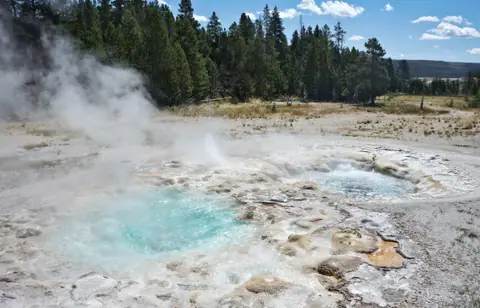
Mammoth Hot Springs: The Travertine Terraces, 1891 Fort Yellowstone & the 1903 Roosevelt Arch
Yellowstone, United States
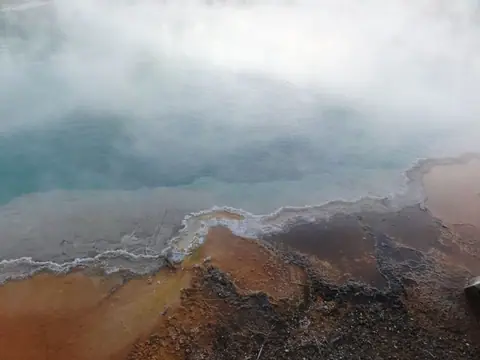
Norris Geyser Basin (Steamboat Geyser & Porcelain Basin) & Artists Paintpots
Yellowstone, United States
Yellowstone Lake, West Thumb Geyser Basin (Lakeside Cones) & Mud Volcano
Yellowstone, United States
Grand Teton National Park and Jackson Hole Day Trip from Yellowstone
Yellowstone, United States
