Middle East
Destinations in Middle East
Winter daylight brings mild outdoor conditions to desert canyons, river temples, and futuristic coastal skylines across the region.
Historic River Valleys, Desert Canyons, and Transit Hubs
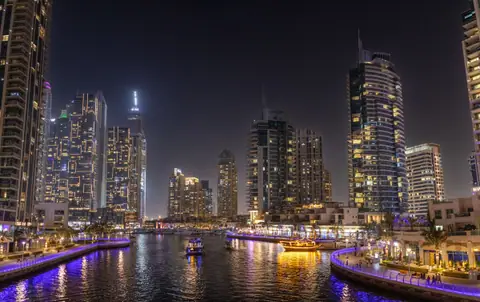
Travel across the region pairs ancient stone landscapes with rapid modern airport and urban transit infrastructure. Major international flight corridors converge at Dubai, where driverless metro lines connect passenger terminals directly to waterfront neighbourhoods, traditional creek piers, and central districts without highway gridlock.
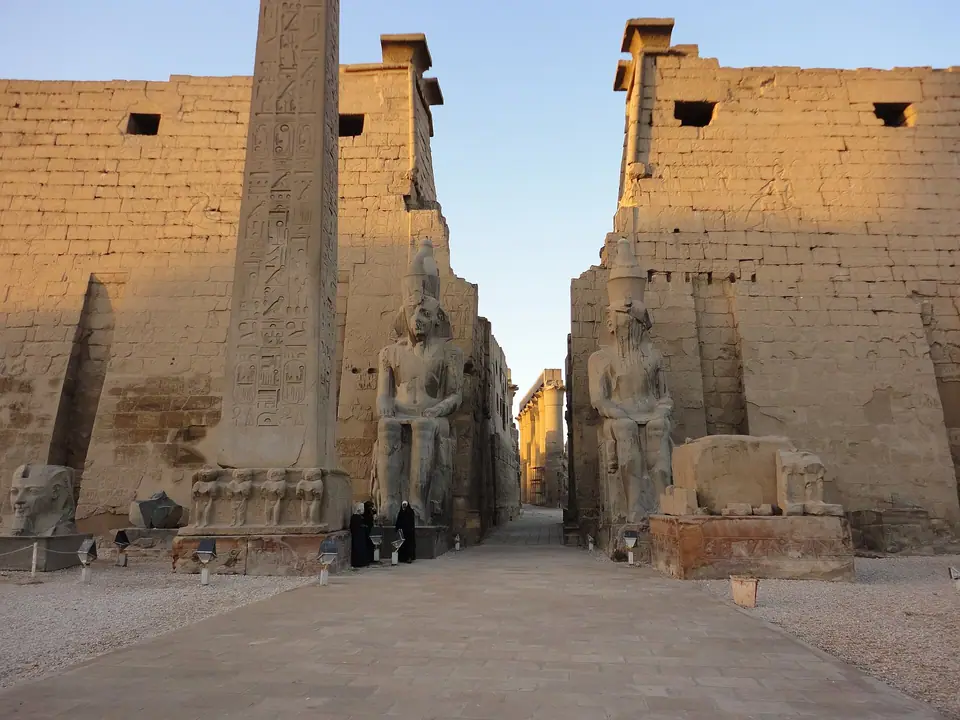
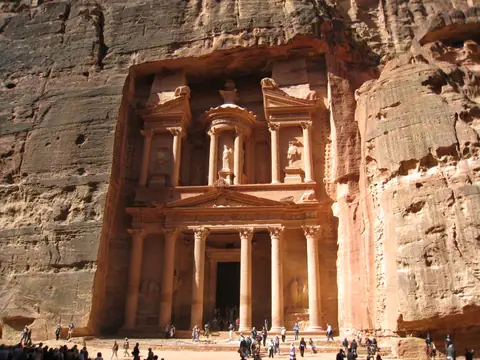
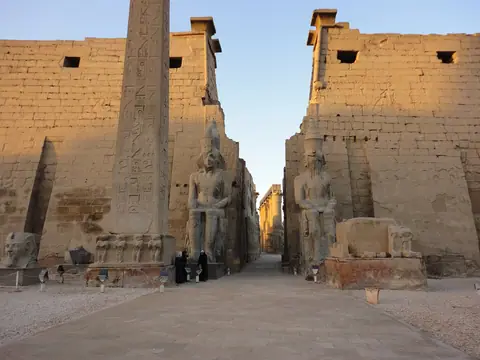
Historic overland routes branch southwards into sandstone canyons at Petra or follow fertile Nile riverbanks around Luxor. Major archaeological complexes sit exposed in desert wadis and river basins with scarce natural shade. Setting out soon after gates open preserves comfort and clears steep canyon trails before midday heat arrives.
Timing Desert Travel and Cultural Etiquette
Winter transforms outdoor exploration across deserts and coastal bays, turning punishing summer glare into crisp walking weather from late autumn through early spring. Even during mild winter days, arid air cools sharply once sunset drops behind canyon rims, calling for a packable fleece or windshell.
| Destination | Prime Walking Season | Practical Preparation |
|---|---|---|
| Dubai | November to March | Carry a light layer for strong indoor air conditioning year-round |
| Petra | March to May and September to November | Sturdy lugged soles grip worn sandstone steps; carry ample drinking water |
| Luxor | November to February | Book tomb passes via official portals; desert winds can stir dust quickly |
Weekend Schedules, Ramadan, and Heritage Access
Regional workweeks and Friday midday prayer intervals alter museum entry hours, municipal ferry frequency, and long-distance bus schedules differently across Jordan, Egypt, and Gulf hubs. During Ramadan, coastal restaurants shift service rhythms toward evening dining and heritage compounds may close earlier in the afternoon. Check official tourism boards and site portals directly before locking timed visits.
Verify entry visa requirements, regional pass eligibility, and drone bans ahead of arrival, as most desert kingdoms restrict recreational drone equipment tightly at airport customs.
When planning overland day trips from coastal hotels toward inland canyons or river valleys, confirm pickup zones and highway transit durations directly on official municipal carrier pages. Pre-booked morning transfers consistently beat late afternoon arrival bottlenecks across toll gates and historic citadel gates.
Clothing, Footwear, and Sun Protection
Pack loose, breathable natural fabrics covering shoulders and knees for mosques, historic alleys, and traditional souks. Wide-brimmed hats, high-factor sun protection, polarised sunglasses, and electrolyte packets stay essential across exposed stone valleys even in mild January daylight.
Footwear matters just as much on polished stone temple courts and dusty canyon trails as desert heat planning. Closed walking shoes with grippy rubber lugs prevent slips on worn sandstone steps, while slip-on sandals help when moving rapidly through mosque shoe racks.
Guides
Experiences
No bookable experiences here yet.
