Photo: Sherif hussein · CC BY-SA 4.0
Luxor
Divided by the Nile between East Bank temples and West Bank necropolises, UNESCO-listed Luxor preserves Karnak, the Avenue of Sphinxes, and the Valley of the Kings.
Quick decisions
How many days?
Plan at least 3 full days in Luxor. Spend Day 1 exploring the East Bank, including Karnak Temple, the Luxor Museum, and Luxor Temple. Dedicate Day 2 to the Valley of the Kings and Hatshepsut Temple, and Day 3 to Medinet Habu and Deir el-Medina.
Where should I stay?
Choose historic riverfront hotels along the East Bank Nile Corniche for walking access to Luxor Temple and the railway station. Alternatively, pick tranquil mud-brick garden guesthouses in Al-Gezira and Ramla on the West Bank near the ferry landing.
Do I need a car?
No car is needed in Luxor. Cross the Nile quickly on the municipal passenger ferry and walk the flat East Bank Corniche. On the West Bank, hire a private driver with a car for a half-day temple loop.
Best for
New Kingdom pharaonic temples, painted royal tombs, sunrise hot-air balloon flights over the Nile floodplain, sunset felucca sailing, and day trips to Dendera and Abydos.
Before you go
All Ministry of Tourism and Antiquities ticket windows in Luxor are cashless and accept bank cards. However, carry small cash notes in Egyptian Pounds for ferries, local taxis, and tea stalls.
Getting around
Fly into Luxor International Airport east of town or ride the overnight train from Cairo. Once in town, use the public Nile ferry and agreed-fare taxis rather than hailing street horse carriages.
Continue your trip
Pair Luxor with Cairo and the Grand Egyptian Museum to the north, or continue south along the Nile Valley to Aswan and Abu Simbel.
Overview
Stretching along the Nile south of Cairo in Upper Egypt, Luxor (Arabic: Al-Uqsur, "The Palaces") stands on the site of ancient Thebes. Known to the ancient Egyptians as Waset, the city was celebrated by the Greek poet Homer in the Iliad as "hundred-gated Thebes". Throughout the New Kingdom, Waset served as the religious and ceremonial capital of the Egyptian Empire. Inscribed as a UNESCO World Heritage Site under Ancient Thebes with its Necropolis, the city follows a sacred solar geography split cleanly by the Nile.
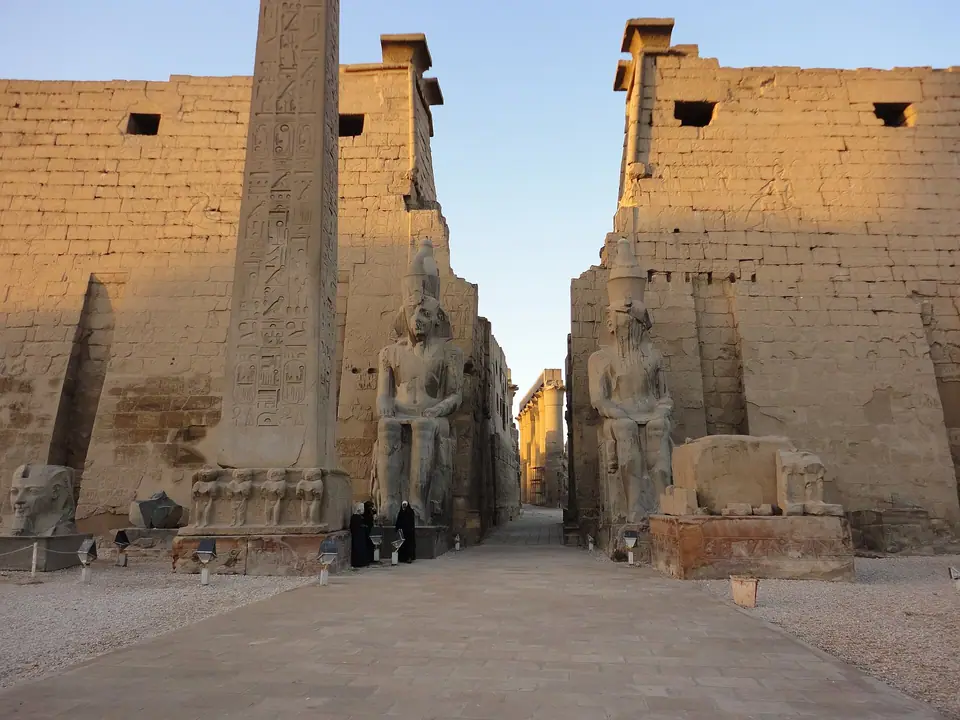
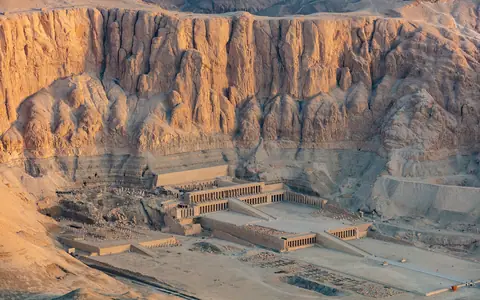
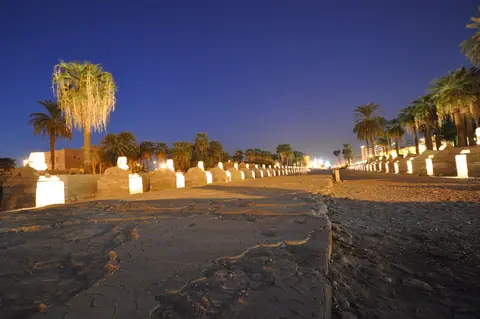
On the eastern bank, where the sun rises each morning, pharaohs built monumental stone sanctuaries for the living gods. Here the Karnak Temple Complex links southward via the restored Avenue of Sphinxes to Luxor Temple and the Abu el-Haggag Mosque. Nearby along the Nile Corniche stand the Luxor Museum and the Mummification Museum. Directly across the river on the West Bank, the sun sinks behind the pyramidal limestone peak of al-Qurn ("The Horn"). Beyond Medinet Habu, the Ramesseum, and Deir el-Medina, desert wadis conceal the rock-cut royal tombs of the Valley of the Kings. Just across the ridge stand the three-tiered Mortuary Temple of Hatshepsut at Deir el-Bahari and the Valley of the Queens.
Getting there
Fly into Luxor International Airport (LXR) just east of the Nile Corniche on direct domestic flights from Cairo or seasonal international services. You can also arrive at Luxor Railway Station on overnight or daytime express trains along the Nile Valley corridor from Cairo or Aswan. See our Luxor transport guide for airport transfers and rail tips. Once in town, cross between the East and West Banks via the municipal Nile ferry opposite Luxor Temple or the southern road bridge.
Where to stay
Choose the East Bank Corniche and Palace District for historic riverfront hotels (such as the Sofitel Winter Palace) and walkable access to Luxor Temple. South of the centre, Khaled Ibn El-Walid Street and Crocodile Island offer quiet resort gardens and Nile pools. Across the river, peaceful lanes in Al-Gezira and Ramla on the West Bank offer rooftop views of the Theban Hills and quick tomb access. Compare every neighbourhood in our Luxor accommodation guide.
Things to do
Walk through the sandstone columns of the Karnak Great Hypostyle Hall and Sacred Lake, and stroll the Avenue of Sphinxes into illuminated Luxor Temple. On the West Bank, descend into royal tombs in the Valley of the Kings. Nearby, admire the Punt reliefs at Hatshepsut's Temple at Deir el-Bahari. Tour the painted courtyards of Medinet Habu, the Ramesseum, and Deir el-Medina, or take a day trip north to Dendera and Abydos.
Food and drink
Dine on Upper Egyptian (Sa'idi) classics in our Luxor food guide. Try slow-simmered clay-pot tameya and ful medames served with sun-risen aish shamsi sourdough bread. Evening menus feature pigeon or duck stuffed with freekeh green wheat and layered koshary. Finish with roasted Nile perch and ruby-red karkadeh hibiscus tea.
Culture
Every sacred axis in Luxor was engineered around the annual Opet Festival and the Beautiful Feast of the Valley. During these celebrations, priests carried the gilded barques of the Theban Triad (Amun-Ra, Mut, and Khonsu) along the Avenue of Sphinxes and across the Nile. Today, living heritage continues in Upper Egypt's UNESCO-listed Tahteeb stick-dance traditions (inscribed in 2016) and handmade Sa'eed weaving (inscribed in 2020). Cultural continuity also shines during the annual Mawlid procession of Sheikh Yusuf Abu el-Haggag around the walls of Luxor Temple.
Weather by month
Luxor is warmest in June, with average highs around 41°C, and coldest in January, when nights drop to about 6°C. Rain is rare here, with almost no rainy days in any month. For mild weather with fewer rainy days, aim for February and December.
| Month | Low | Range | High | Rain | Rainy days |
|---|---|---|---|---|---|
| Jan | 6°C | 23°C | 0 mm | 0 d | |
| Feb | 8°C | 25°C | 0 mm | 0 d | |
| Mar | 12°C | 30°C | 0 mm | 0 d | |
| Apr | 17°C | 35°C | 0 mm | 0 d | |
| May | 21°C | 39°C | 0 mm | 0 d | |
| Jun | 24°C | 41°C | 0 mm | 0 d | |
| Jul | 25°C | 41°C | 0 mm | 0 d | |
| Aug | 25°C | 41°C | 0 mm | 0 d | |
| Sep | 22°C | 39°C | 0 mm | 0 d | |
| Oct | 18°C | 35°C | 0 mm | 0 d | |
| Nov | 12°C | 29°C | 0 mm | 0 d | |
| Dec | 8°C | 24°C | 0 mm | 0 d |
Averages of daily values from 2015 to 2024. Rainy days are days with at least 1 mm of rain. Source: Open-Meteo · Compare destinations by month.
Luxor on the map
Every place we cover in Luxor. Tap a category or pin to explore.
In-depth Luxor guides
Browse the guides grouped by topic: sights, neighbourhoods, food, transport, day trips and trip planning.
Sights, Landmarks & Parks
Key monuments, viewpoints, museums and nature trails.
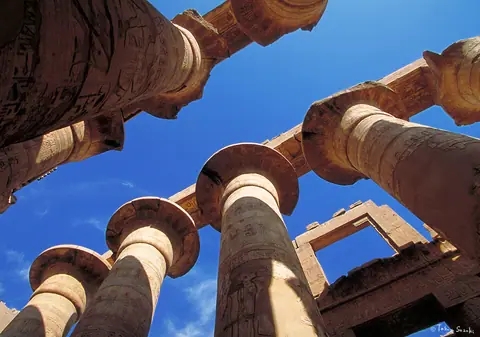 Things to Do in Luxor: Temples, Royal Tombs & Nile ExperiencesExplore essential things to do in Luxor, including key temples, royal tombs, and relaxing boat trips across the East and West Banks.
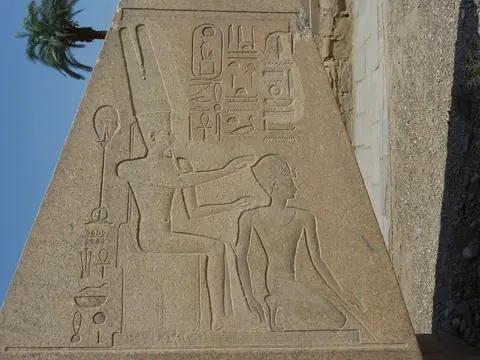 Karnak Temple Guide: Hypostyle Hall, Sacred Lake & Precinct of AmunExplore the Karnak Temple Complex in Luxor: the Great Hypostyle Hall, Hatshepsut's Obelisk, Sacred Lake, Open-Air Museum chapels, and temple route.
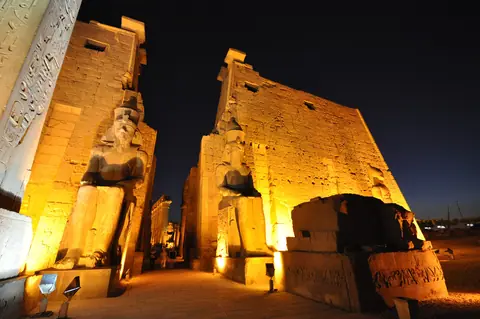 Luxor Temple Guide: Avenue of Sphinxes, Pylons & Evening WalkWalk the Avenue of Sphinxes into Luxor Temple: explore the monumental pylon, the living Abu el-Haggag Mosque, Amenhotep III's Colonnade, and Roman chapel frescoes.
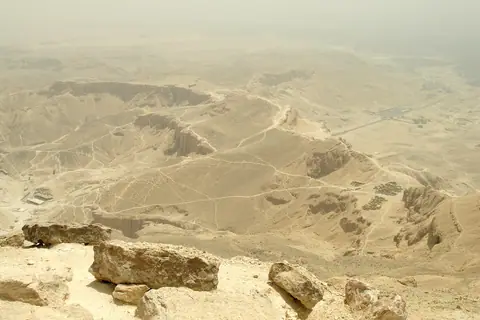 Valley of the Kings Guide: Royal Tombs, KV62 Tutankhamun & Seti IMaster the Valley of the Kings ticket system in Luxor: pick the best tombs on your base ticket, compare extra options, and beat the heat.
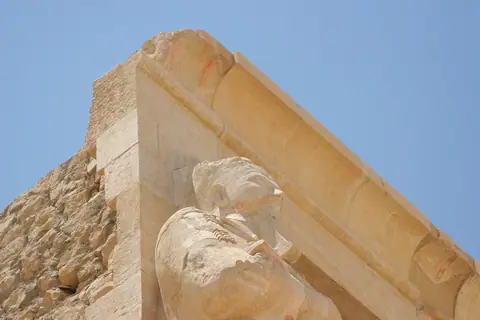 Hatshepsut Temple & Valley of the Queens: Deir el-Bahari & NefertariExplore Queen Hatshepsut's terraced temple at Deir el-Bahari, the Punt and Birth colonnades, the Tombs of the Nobles, and the Valley of the Queens.
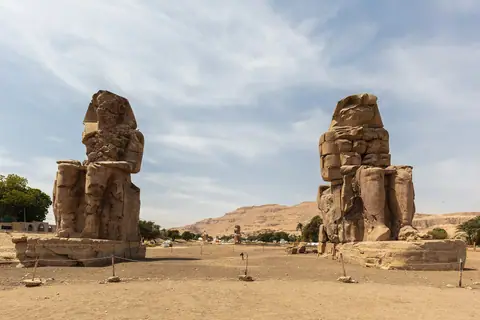 Southern West Bank Guide: Medinet Habu, Ramesseum & Deir el-MedinaExplore Luxor's Southern West Bank circuit: painted reliefs at Medinet Habu, the artisan tombs of Deir el-Medina, the Ramesseum, and Colossi of Memnon.
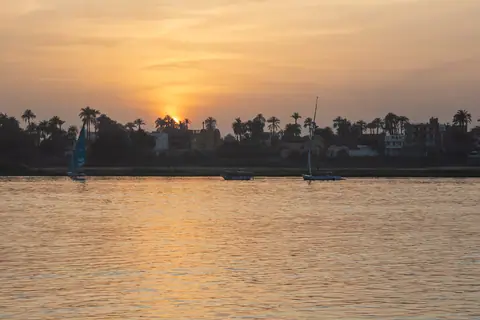 Luxor Museum, Mummification Museum & Sunset Nile Felucca GuideExplore the Luxor Museum and Mummification Museum along the East Bank Corniche, followed by a tranquil wooden felucca sail across the Nile.
Neighbourhoods & Where to Stay
Districts, historic quarters and the best bases for your stay.

Food & Drink
Local dishes, markets, cafés and dining districts.

Getting Around & Arrival
Airport transfers, public transit, passes and driving rules.

Day Trips & Excursions
Easy half-day and full-day trips from the city.
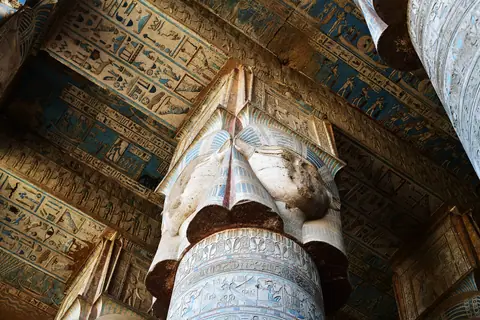
Trip Planning & Itineraries
When to visit, what to pack and day-by-day routes.
 Luxor: East vs West Bank, Cashless Tickets & Local TipsMaster Luxor's East Bank and West Bank layout, cashless antiquities ticketing, Luxor Pass tiers, Nile crossings, and how to avoid carriage and alabaster traps.
 Best Time to Visit Luxor: Desert Seasons, Winter Sun & Heat StrategyPlan your trip to Luxor with seasonal weather insights, shoulder-season mornings, and practical ways to handle summer canyon heat.
 What to Wear in Luxor: Temple Etiquette, Tomb Heat & Packing TipsPack smart for Luxor: breathable linen layers for subterranean royal tombs, grippy closed shoes for wooden tomb ramps, UPF sun gear, and modest Sa'idi dress etiquette.
 Luxor 3-Day Itinerary: East Bank Temples & West Bank Necropolis RouteFollow our 3-day Luxor itinerary covering Karnak, Luxor Temple, the Valley of the Kings, Hatshepsut Temple, Medinet Habu, Deir el-Medina, and sunset felucca sails.
Need your embassy or consulate in Egypt? See embassies and consulates in Egypt.
Reviews
Log in to write a review.
No reviews yet.