Photo: turizm-art · CC BY-SA 4.0
Things to Do in Luxor: Temples, Royal Tombs & Nile Experiences
Explore essential things to do in Luxor, including key temples, royal tombs, and relaxing boat trips across the East and West Banks.
With impressive surviving pharaonic monuments across the Nile valley, Luxor rewards travellers who balance headline stone colossi with quieter artisans' tombs and river experiences. Rather than rushing through stone complexes at midday when tour coaches pack the sites, sequence your sightseeing around morning desert shade. Reserve late-afternoon relief lighting for the West Bank temples and evening hours for floodlit East Bank walks. Foot passengers cross between the East and West Banks aboard the municipal passenger ferry or a private motor launch. Below are top experiences in Luxor to help structure your itinerary across both riverbanks.
Walk among the columns of the Karnak Temple Complex
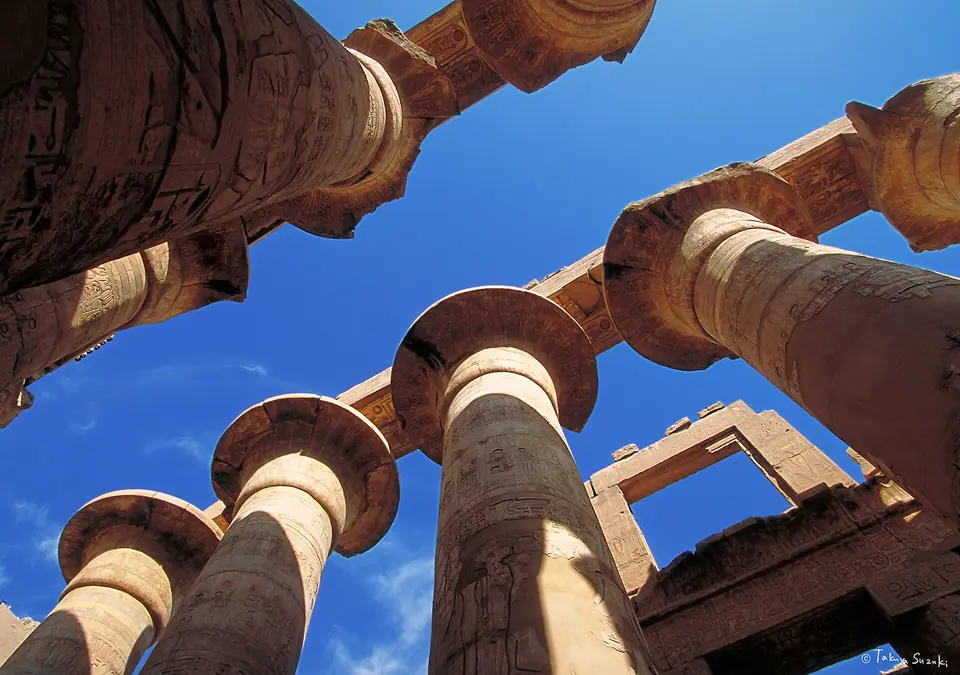
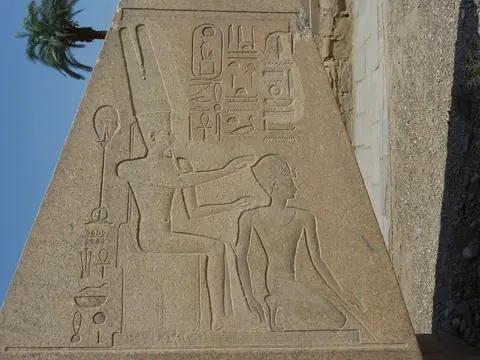
The Karnak Temple Complex is an extraordinary religious sanctuary expanded across centuries by successive pharaohs. Visitors can book tickets online via the official Egyptian monuments website before setting out for the day. Enter through the avenue of ram-headed criosphinxes to stand inside the Great Hypostyle Hall, where soaring sandstone columns and towering papyrus pillars catch natural sunbeams. Walk east to inspect the pink granite Obelisk of Hatshepsut, the Sacred Lake, and the Open-Air Museum chapels.
The layout of the precinct provides an overview of pharaonic building styles spanning thousands of years of royal patronage. Early arrivals catch soft sunlight filtering through the central stone colonnade onto carved inscriptions. Stone pylons, ceremonial halls, and perimeter enclosures invite quiet contemplation before large tour parties assemble in the main courtyards. Allocate ample time to walk past colossal royal statues, monumental temple gateways, and sacred water basins across the expansive complex grounds.
Descend into the painted royal sepulchres of the Valley of the Kings
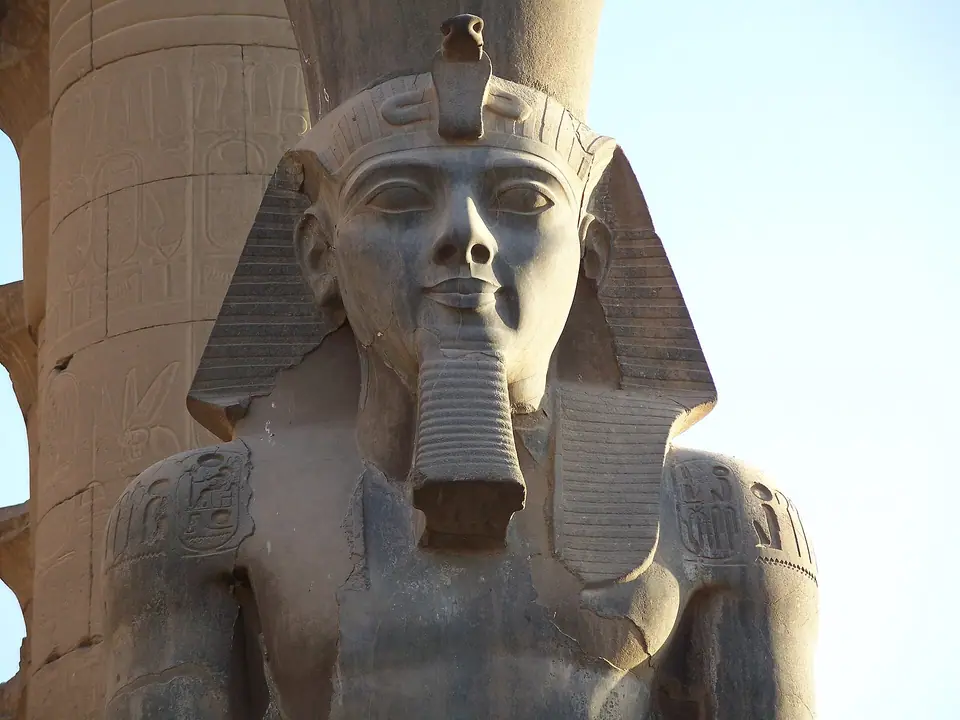
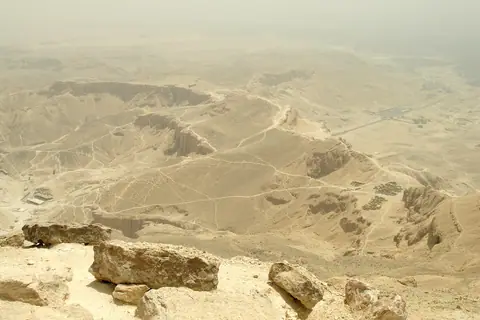
Hidden beneath the desert peak of al-Qurn, the Valley of the Kings contains remarkable rock-cut tombs excavated for royalty. Standard tickets grant entry into several open tombs, including chambers such as KV11 (Ramesses III), KV2 (Ramesses IV), and KV6 (Ramesses IX). Additional tickets grant access to special tombs including KV62 (Tutankhamun) and KV17 (Seti I). Smartphone photography is popular, but remember that bringing professional photography equipment into Egypt requires a permit, and drones are strictly prohibited.
The winding mountain approaches lead down into subterranean corridors painted with intricate funerary texts, religious litanies, and celestial charts. Subterranean temperatures can rise noticeably inside the rock chambers, so descend into deeper burial crypts early in the day. The subterranean walls display vivid mythological depictions illustrating the passage of the deceased ruler into the afterlife. Preserved astronomical ceilings feature protective deities and celestial boat journeys across the night sky, demonstrating extraordinary decorative skill.
Stroll the Avenue of Sphinxes into illuminated Luxor Temple
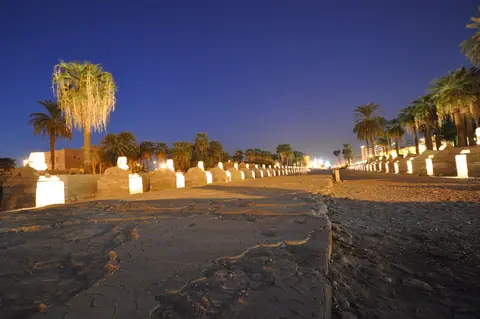
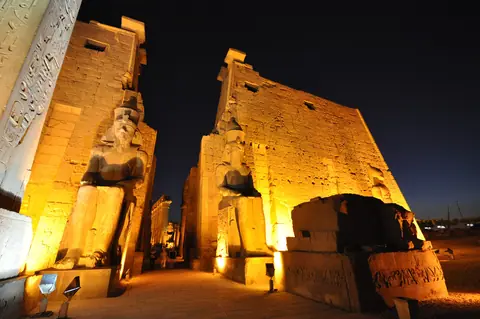
The historic Avenue of Sphinxes links Karnak directly to Luxor Temple. Tickets for Luxor Temple can be booked online through the official Egyptian monuments platform. Visit around sunset to appreciate both changing natural light and evening floodlights across the masonry. Inspect the towering pylon of Ramesses II, its granite obelisk, the historic Abu el-Haggag Mosque, the grand Colonnade of Amenhotep III, and the Roman chapel.
This riverside sanctuary stands right in the town centre, making it accessible on foot from East Bank waterfront accommodations. Floodlights highlight relief carvings showing divine festivals, offering bearers, and royal rituals that decorated the ancient limestone walls. Walking through the open courtyards after dusk reveals dramatic stone shadows cast by imposing statues of seated rulers. The surviving mosque integrated into the upper walls illustrates the continuous spiritual significance of the site through diverse historical eras.
Climb Hatshepsut's cliff terraces and the Tombs of the Nobles
Across the mountain ridge from the royal wadi, two Eighteenth Dynasty highlights showcase ancient craftsmanship:
- Mortuary Temple of Queen Hatshepsut at Deir el-Bahari. Visitors can book tickets online for Hatshepsut Temple in Luxor. Its colonnaded limestone terraces rise directly into the cliff amphitheatre. Inspect the detailed carvings depicting historic expeditions and deities in our Deir el-Bahari guide.
- The Tombs of the Nobles at Sheikh Abd el-Qurna. Stop at the West Bank ticket counter to buy tickets for tombs such as Ramose (TT55) and Sennefer (TT96). Ramose preserves exceptional limestone carvings, while Sennefer features an underground chamber painted with green grapevines.
The sheer limestone cliffs of Deir el-Bahari provide an imposing natural frame for the symmetrical terraces of Hatshepsut's temple. Relief carvings along the covered porticos depict maritime journeys to the land of Punt, recording transport vessels, exotic flora, and regional fauna. In contrast, the private tombs of court officials at Sheikh Abd el-Qurna offer intimate glimpses into daily Egyptian working life. Agricultural tasks, river banquets, musical performances, and familial gatherings replace the austere theological books found inside royal sepulchres.
Tour Medinet Habu, Deir el-Medina, Ramesseum, and Valley of the Queens
Along the southern West Bank mortuary belt, several sites preserve original paint and deep stone carving:
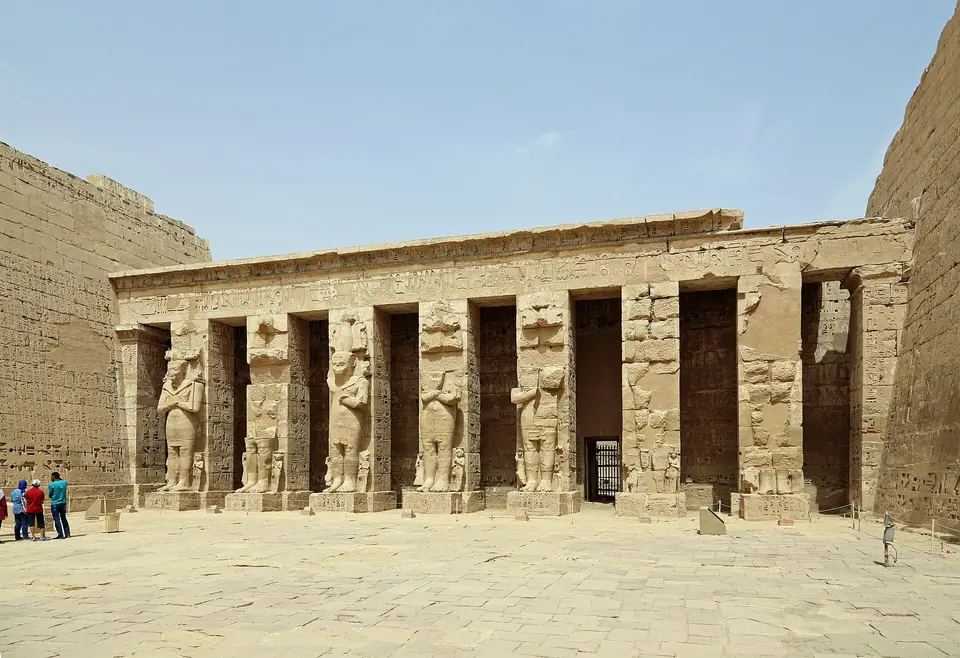
- Medinet Habu (Mortuary Temple of Ramesses III). Entered through a fortified gateway, this complex preserves deeply incised hieroglyphs. Look up under the peristyle court porticos to see surviving turquoise and lapis-coloured ceiling pigments.
- Deir el-Medina (The Artisans' Village & Tombs). Walk the stone street where the royal tomb builders lived. Descend into vaulted burial chambers such as Sennedjem (TT1) and Inherkhau (TT359), which show scenes of ancient mythology.
- The Ramesseum and the Colossi of Memnon. Pause to view the twin seated statues known as the Colossi of Memnon. Continue to the Ramesseum to stand beside the fallen granite colossus of Ramesses II.
- Valley of the Queens. This royal burial ground contains tombs of royal princes and queens, where well-preserved wall reliefs show figures interacting with guardian deities.
Medinet Habu remains notable for its defensive outer mudbrick walls and relief scenes celebrating historic defensive engagements. The deep chisel work protected inscriptions from natural desert erosion and intentional later erasure by successor monarchs. Over at Deir el-Medina, the ancient village foundations outline residential rooms, kitchen cellars, and narrow public alleyways once used by working craftsmen. Their nearby family tombs display golden-yellow backgrounds and detailed funerary compositions executed with remarkable personal pride.
Visit East Bank museums, sail the Nile, and experience local heritage
Round out your stay with cultural insights and river journeys:
- Luxor Museum and Mummification Museum. Step inside the air-conditioned Luxor Museum on the East Bank Corniche to see sculpture displays, royal mummies, and decorative stone blocks from Karnak.
- Nile Boat Journeys. Charter a traditional wooden sailboat or motor launch along the Corniche for peaceful river views. Overcrowding and poor safety standards have caused accidents on Red Sea ferries and Nile cruises, so select reputable operators with care.
- Upper Egyptian Stick Fighting. Look out for tahteeb, an ancient Egyptian stick-fighting practice that was inscribed in 2016 on UNESCO's Representative List of the Intangible Cultural Heritage of Humanity. Practised mostly by Saeedy men in Upper Egypt, duels use long sticks to folk music where striking is forbidden. For culinary ideas, browse our Luxor food guide.
The modern galleries along the river Corniche present masterworks recovered from temple excavations in clear, uncluttered cases. Display lighting illuminates royal portraits, golden grave goods, and sacred ritual vessels without distracting decorative backgrounds. Gliding across the Nile in the late afternoon offers cooler breezes and views of palm groves fronting the desert bluffs. Cultural celebrations across the region frequently feature musical gatherings where traditional stick duels showcase athletic discipline and heritage pride.
Essential travel advice for Luxor
Avoid rushing during the hottest parts of the day by spacing your tomb visits across early morning windows. Wear sun protection, carry water, and take a midday break so you return refreshed for late-afternoon photography. In Egypt, you can report crimes to the tourist police by dialing 126. Note that regulations require written permission before photographing citizens, taking pictures of children is prohibited, and photographing near military property is strictly against the law. Drinking alcohol anywhere other than licensed restaurants, bars, private homes, or tourist resorts is illegal. If travelling off road in desert areas, always use a qualified guide and get an official permit from the Ministry of Interior.
Where it is
- 1Luxor
- Luxor International Airport (LXR) · about 7 km from Luxor in a straight line
- Directions in Google Maps
Stations and taxi ranks: OpenStreetMap. Airports: OurAirports. Distances are in a straight line.
Traveller tips
Real advice from people who have been to Luxor. Every tip is read by our team before it goes live.
No tips yet. Been here? Yours could be the first.
Thank you! Your tip will appear here after a quick review.
More in Luxor
Continue exploring Luxor with related neighbourhood, food, and planning guides
Luxor 3-Day Itinerary: East Bank Temples & West Bank Necropolis Route
Luxor, Egypt
Karnak Temple Guide: Hypostyle Hall, Sacred Lake & Precinct of Amun
Luxor, Egypt
Luxor Temple Guide: Avenue of Sphinxes, Pylons & Evening Walk
Luxor, Egypt
Valley of the Kings Guide: Royal Tombs, KV62 Tutankhamun & Seti I
Luxor, Egypt
