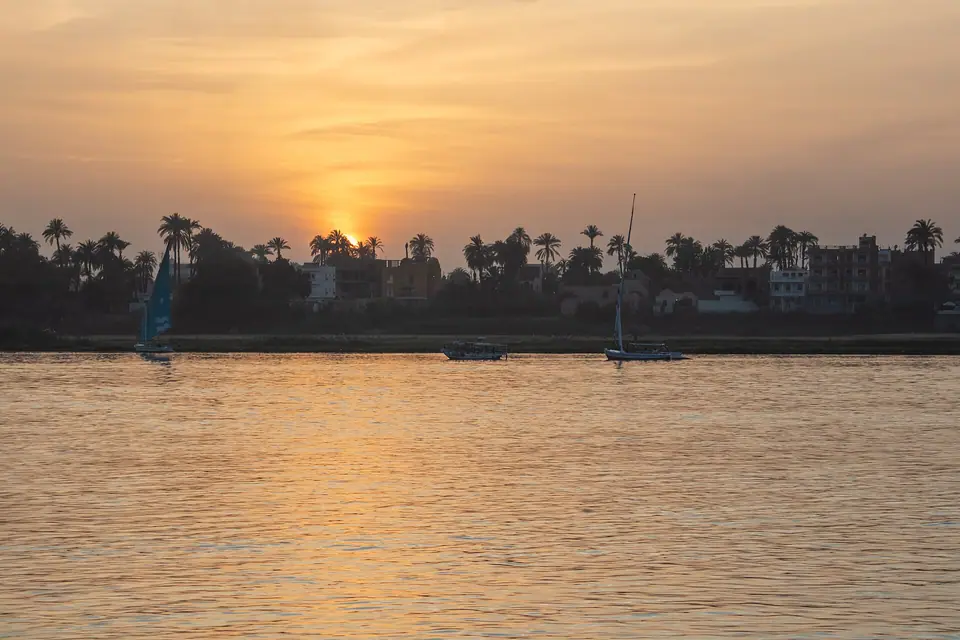
Photo: Diego Delso · CC BY-SA 4.0
Luxor Museum, Mummification Museum & Sunset Nile Felucca Guide
Explore the Luxor Museum and Mummification Museum along the East Bank Corniche, followed by a tranquil wooden felucca sail across the Nile.
Mornings in Luxor belong to the monumental stone temples and rock-cut tombs of the West Bank. In the afternoon and evening, the air-conditioned museums and breezy decks of the East Bank Nile Corniche offer a cool counterpoint. North of Luxor Temple stand two fine institutions: the Luxor Museum and the Mummification Museum. Right below the promenade sit the wooden docks where canvas-sailed felucca boats cast off toward Banana Island (Geziret el-Mozh). Below is how to combine these riverside experiences on your journey.
| Experience / Museum | Location on East Bank | Tickets & Access | Planning Notes |
|---|---|---|---|
| 1. Luxor Museum | Corniche el-Nil (north of Luxor Temple) | Check the official site | Ideal for evening gallery viewing |
| 2. Mummification Museum | Corniche el-Nil (near ferry dock) | Check the official site | Good brief introduction to embalming |
| 3. Sunset Nile Felucca Sail | Corniche Felucca Docks | Negotiate directly with captain | Sail as the sun sets behind the hills |
| Banana Island Boat Excursion | Upriver on the West Bank shore | Negotiate directly with captain | Pleasant afternoon river trip |
Inside the Luxor Museum: The 1989 Statue Cachette, Akhenaten Talatat Wall, and Royal Mummies
Situated between Luxor Temple and Karnak, the Luxor Museum occupies a modern riverfront building designed by Egyptian architect Mahmoud El-Hakim. It is widely regarded as a beautifully curated regional museum in Egypt. Instead of crowding thousands of cases together, the galleries showcase selective masterworks under theatrical spotlights with clear English and Arabic labels. For admission fees and opening hours, check the official site or consult the Luxor Pass options:
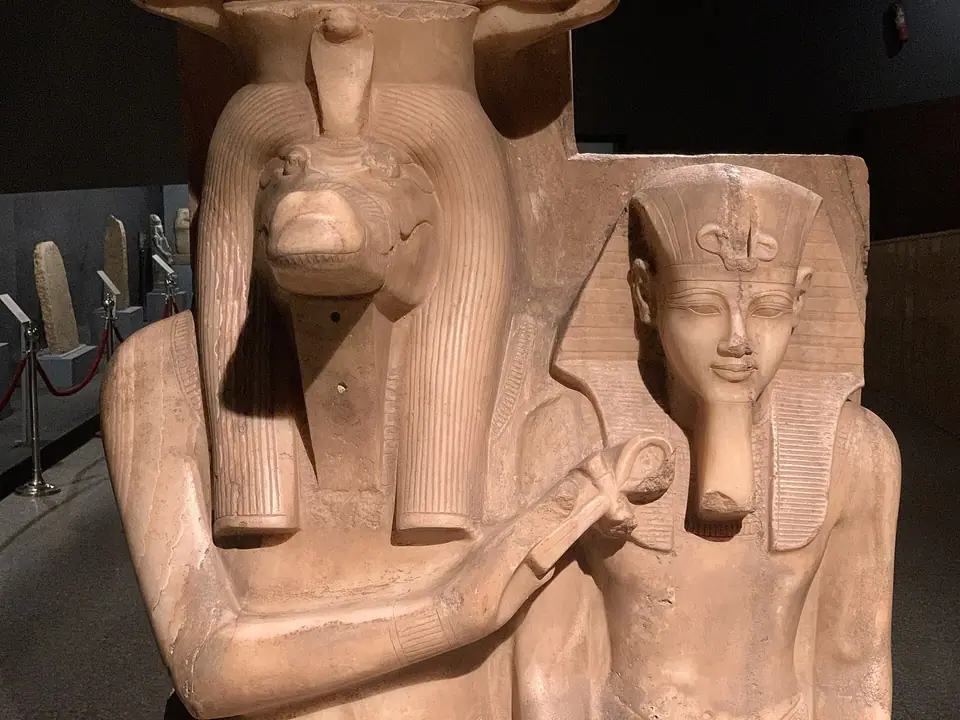
- The Luxor Temple Statue Cachette Hall (Basement Gallery). Descend the ramp into the sunken cachette wing. It houses pristine New Kingdom statues unearthed beneath the Solar Court of Amenhotep III at Luxor Temple. Protected from air and deliberate defacement in a sacred burial pit for centuries, their stone surfaces retain an impressive polish. Stand before the pink quartzite statue of Amenhotep III wearing the Double Crown upon a ceremonial sled. Nearby gleam the statue of Horemheb kneeling before Atum, the goddess Hathor, and the alabaster dyad of the crocodile god Sobek embracing Amenhotep III. Viewing these sculptures provides an illuminating perspective on ancient royal craftsmanship and sacred rites.
- Ground Floor Masterpieces (Amenhotep, son of Hapu, and Tutankhamun's Cow Goddess). On the main level, examine the gilded wood-and-lapis head of the cow goddess Mehet-Weret, wooden model boats, and shabti figures recovered from Tutankhamun's tomb (KV62). Other highlights include the scribal statue of royal architect Amenhotep, son of Hapu, and a green schist statue of Thutmose III. Nearby stands the Kamose Stela recording the campaign against the Hyksos. These artefacts demonstrate the breadth of artistic achievement across ancient dynastic lineages.
- The Royal Mummies of Ahmose I and Ramesses I (and the Talatat Wall of Akhenaten). Walking up the upper ramp brings you past a climate-controlled alcove holding two unwrapped royal mummies. Here rest Eighteenth Dynasty founder Pharaoh Ahmose I and Nineteenth Dynasty founder Pharaoh Ramesses I. Directly above, a reconstructed wall displays painted sandstone talatat blocks dismantled from Karnak. Built originally for Pharaoh Akhenaten, the wall preserves lively Amarna scenes of palace workshops, offering bearers, and the rayed sun disc of the Aten. The architectural assembly reveals the distinctive domestic aesthetic of the Amarna age.
The Mummification Museum: Understanding ancient embalming traditions
Located on the Corniche promenade just north of Luxor Temple opposite the Mina Palace Hotel, the Mummification Museum occupies the former visitors' centre wing. For entry fees and operating schedules, check the official site, and the visit prepares you well for the funerary iconography of the West Bank tombs.
- Tools, Natron Salt, and the Mummy of High Priest Masaharta. Dimly lit like a burial shaft, the gallery walks you through the ancient Egyptian embalming process recorded by Herodotus and temple papyri. Cases display bronze brain-extraction hooks, obsidian incision blades, and bags of natural natron salt from Wadi El-Natrun used to desiccate the body. Beside them sit aromatic pine and myrrh resins and the Sons of Horus canopic jars (Imsety, Hapi, Duamutef, and Qebehsenuef) for the internal organs. This detailed presentation demystifies the practical and religious preparation for the afterlife.
- Human and Sacred Animal Mummies. At the centre of the hall rests the well-preserved mummy of Masaharta, High Priest of Amun. His painted linen cartonnage coffins sit beside him. Surrounding cases hold mummified sacred animals offered as votive gifts. These include a linen-wrapped Nile crocodile for Sobek, cats for Bastet, baboons for Thoth, and rams for Khnum. The variety of creatures underscores how thoroughly sacred biology permeated everyday spiritual devotions.
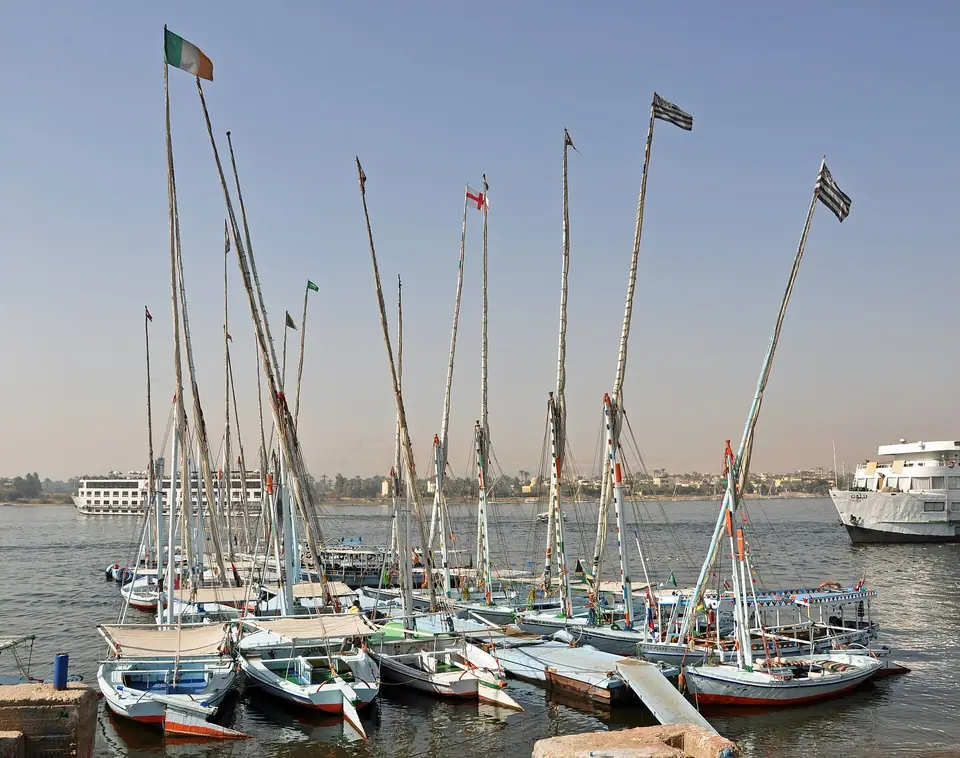
How to charter a sunset wooden felucca sail to Banana Island without middlemen
Few moments in Upper Egypt match drifting quietly across the Nile under a white lateen sail. At dusk, the West Bank limestone cliffs glow rose-gold above the water.
- Book Directly with a Captain at the Corniche Docks (No Street Touts). Skip the commission agents who approach you on the upper pavement outside the Winter Palace. Walk directly down the stone steps to the lower river moorings along the promenade in the late afternoon. Inspect the cushioned wooden boat yourself and agree on the exact duration and total price directly with the boat captain (ra'is). Dealing with the skipper ensures total clarity over itinerary details and sail times.
- Felucca Charters and the Wind Factor. Agree on the total boat fare in cash with the captain before embarking on your sail. Because the Nile flows south-to-north while the prevailing breeze blows north-to-south, feluccas tack between wind and current. If the wind drops completely after sunset, a small motorboat may give the felucca a brief tow back to the East Bank dock. Confirm in advance that any tow is included in your agreed fare. This precaution prevents unwanted financial disagreements at the conclusion of an otherwise peaceful voyage.
- The Banana Island (Geziret el-Mozh) Excursion. For a longer river trip upstream, agree on a boat fare plus any small local entry charge at the island landing. On Banana Island, shaded irrigation paths wind beneath banana plants, date palms, and mango trees. Visitors finish the walk by sampling sweet local bananas at a garden table. The tranquil orchard paths provide a quiet contrast to the lively town centre upriver.
Cultural context and Upper Egyptian heritage
Visiting Upper Egypt involves engaging with traditions that extend beyond stone monuments and temple foundations. Having ratified the UNESCO Intangible Cultural Heritage Convention on 3 August 2005, Egypt preserves several living folk traditions across the Nile Valley. Regional craft methods reflect deep communal memory, such as handmade weaving in Upper Egypt (Sa'eed), which was inscribed on UNESCO's Urgent Safeguarding List in 2020. Centuries of community performance also flourish here; tahteeb, the traditional Egyptian stick game, was inscribed on the UNESCO Intangible Cultural Heritage Representative List in 2016. UNESCO additionally recognises Egyptian traditional hand puppetry (inscribed in 2018) and the oral folk epic Al-Sirah Al-Hilaliyyah (inscribed in 2008). These practices illustrate the living fabric that sustains Upper Egyptian life in company with ancient archaeological wealth.
Traveller tips
Keep in mind that museum schedules along the riverfront can vary, so check the official site before planning your day. Digital entry passes for major Theban monuments can be reserved in advance through the official Ministry ticketing website. Official e-ticket customer assistance is available by telephone at +20235317344 or via email at tourism_info@efinance.com.eg. Relax during the warm midday hours at your East Bank hotel before boarding a late afternoon felucca sail. Afterwards, stroll along the Corniche into the Luxor Museum for an evening visit as mapped out in our 3-day Luxor itinerary. Finish your evening with a clay-pot tagine from our Luxor dining guide. Non-flash smartphone photography is permitted inside both East Bank museums. Keep your camera flash switched off inside the dimly lit royal mummy room.
Where it is
- 1Luxor Museum, Mummification Museum & Sunset Nile Felucca
- Luxor International Airport (LXR) · about 7 km from here in a straight line
- Directions in Google Maps
Stations and taxi ranks: OpenStreetMap. Airports: OurAirports. Distances are in a straight line.
Traveller tips
Real advice from people who have been to Luxor. Every tip is read by our team before it goes live.
No tips yet. Been here? Yours could be the first.
Thank you! Your tip will appear here after a quick review.
More in Luxor
Continue exploring Luxor with related neighbourhood, food, and planning guides
Valley of the Kings Guide: Royal Tombs, KV62 Tutankhamun & Seti I
Luxor, Egypt
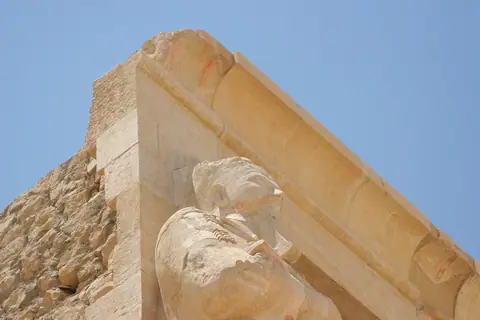
Hatshepsut Temple & Valley of the Queens: Deir el-Bahari & Nefertari
Luxor, Egypt
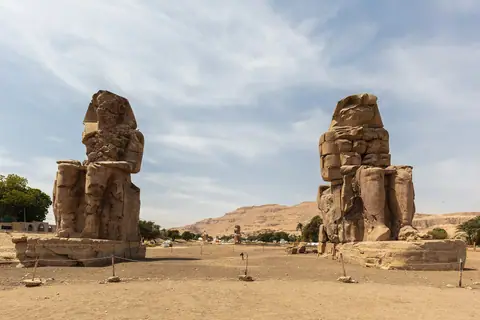
Southern West Bank Guide: Medinet Habu, Ramesseum & Deir el-Medina
Luxor, Egypt
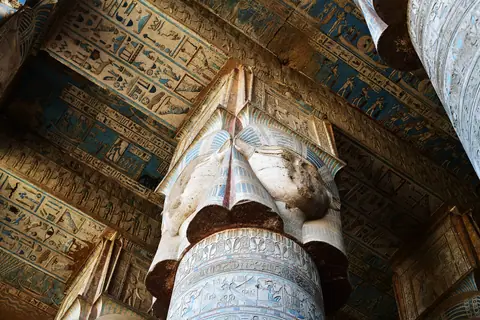
Dendera & Abydos Day Trip from Luxor: Hathor & Seti I Temples
Luxor, Egypt
