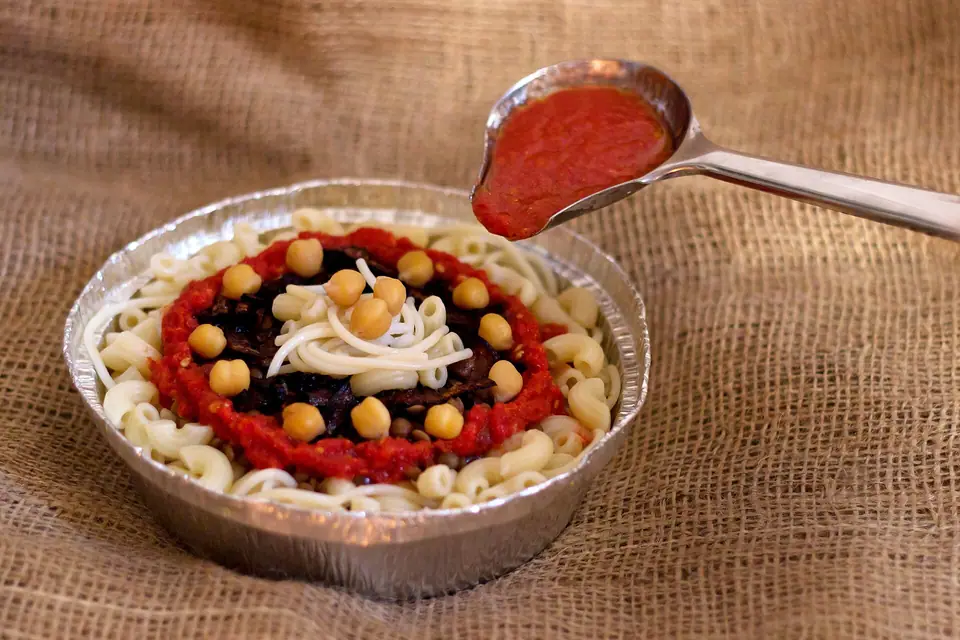
Photo: Basma · CC BY-SA 4.0
What to Eat in Luxor: Upper Egyptian Tagines, Aish Shamsi & Karkadeh
Taste authentic Upper Egyptian (Sa'idi) cuisine in Luxor: sun-risen aish shamsi bread, slow-baked clay-pot tagines, stuffed pigeon with freekeh, koshary, and karkadeh.
Dining in Luxor offers a delicious window into the culinary heritage of Upper Egypt (Al-Sa'id). Its clay-oven stews, sun-leavened sourdough loaves, and smoked green-wheat stuffing differ markedly from the food of Alexandria or Cairo. West Bank farmers harvest sugarcane, okra, fava beans, dates, and crimson hibiscus calyces across the fertile Nile floodplain. Rooted in that harvest, Sa'idi cooking relies on unglazed earthenware pots (tagines or bram) and wood-fired mud ovens. Below are the essential Upper Egyptian dishes, drinks, and trusted restaurants on both banks of the Nile.
| Dish / Speciality | Ingredients & Preparation | Dietary Profile |
|---|---|---|
| Aish Shamsi ("Sun Bread") | Thick Upper Egyptian sourdough wheat round risen directly in the desert sun before baking in a mud oven | Vegan / Vegetarian staple |
| Sa'idi Clay-Pot Tagine (Bram) | Beef, lamb, or Nile perch slow-baked in an earthenware pot with okra (bamya), potatoes, or caramelized onions | Halal meat, poultry, or vegetarian okra/aubergine |
| Hamam Mahshi (Stuffed Pigeon) | Squab stuffed with smoky roasted green wheat (freekeh) or spiced rice, braised and crisped in ghee | Classic Egyptian celebratory poultry dish |
| Ful Medames, Ta'ameya & Koshary | Slow-stewed fava beans, crispy green fava-bean falafel with coriander, and lentil-macaroni-chickpea koshary | Vegetarian / Vegan staple |
| Aswan Karkadeh & Sugarcane Juice | Whole-flower crimson hibiscus infusion (hot or iced) and fresh-pressed green sugarcane juice (asab) | Caffeine-free herbal tea & Fresh juice |
Signature Upper Egyptian (Sa'idi) dishes to order in Luxor
When reading a menu on the East Bank Corniche or in West Bank Al-Gezira, skip generic buffets. Look instead for these regional specialities:
- 1. Aish Shamsi (Traditional Upper Egyptian "Sun Bread"). Found across Upper Egypt between Sohag, Luxor, and Aswan, aish shamsi is a living descendant of pharaonic temple offering loaves. You can spot identical round loaves carved on the walls of Karnak and the Valley of the Kings. Every morning across the West Bank villages of Qurna and Ramla, bakers shape thick rounds of sourdough wheat dough on bran discs. They set the loaves outdoors in the direct morning desert sun so solar warmth leavens the yeast, then bake them in a clay oven. Tear off warm wedges to scoop up tahini, baba ghanoush, and white mish cheese.
- 2. Earthenware Clay-Pot Tagines (Tagine Bamya, Tagine Akkawi, and Sayadiya). In Egyptian cuisine, a tagine is a deep unglazed red-clay casserole dish rather than a conical lid. Kitchens bring the clay pot straight from a hot oven to your table. Order Tagine Bamya bil-Lahma, featuring tender cubes of lamb or veal baked with baby okra pods, garlic, coriander, and tomato sauce. Other favourites include vegetarian Tagine Torly and fresh Nile Perch (Samak Bayad) baked in clay with cumin and lemon.
- 3. Hamam Mahshi bil-Freekeh (Pigeon Stuffed with Green Wheat) and Roasted Duck: Across Upper Egypt, farm-raised squab (hamam) and duck (batt) are prized meats. Unlike northern recipes that often stuff pigeon with white rice, Upper Egyptian cooks prefer freekeh (roasted green durum wheat). Simmered with cinnamon, allspice, and onions, the smoky grain is stuffed under the skin before the bird is roasted golden brown.
- Molokhia, Koshary, and Ta'ameya (Vegetarian Staples). Vegetarian and vegan travellers eat royally in Luxor. For breakfast, order ta'ameya, Egyptian falafel made from crushed fava beans blended with fresh parsley, cilantro, dill, and leeks. Pair the emerald-green patties with slow-simmered ful medames fava beans dressed with cumin and olive oil. For lunch, try molokhia, finely chopped jute mallow greens simmered in broth with a sizzling tasha of fried garlic and coriander. Street stalls also ladle out bowls of koshary, layering lentils, rice, macaroni, chickpeas, spicy tomato sauce, and crispy onions.
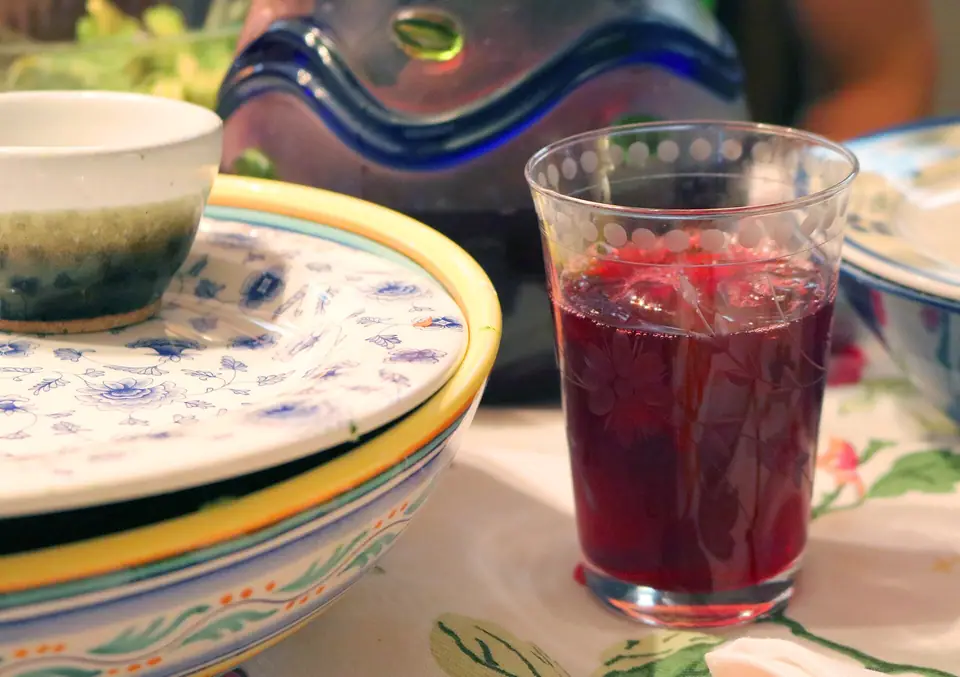
- Whole-Flower Karkadeh, Sahlab, and Fresh Sugarcane Juice (Asab). Luxor and neighboring Aswan cultivate prized dark-crimson karkadeh (Hibiscus sabdariffa) blossoms. Almost every restaurant and West Bank guesthouse greets you with a chilled glass of ruby-red iced karkadeh, or serves it steaming hot in winter. When buying dry karkadeh in the market near Luxor Temple, always choose whole dried hibiscus calyces (karkadeh wara') rather than crushed powder dust. On warm afternoons, stop at a local juice press for freshly crushed green sugarcane juice (asab).
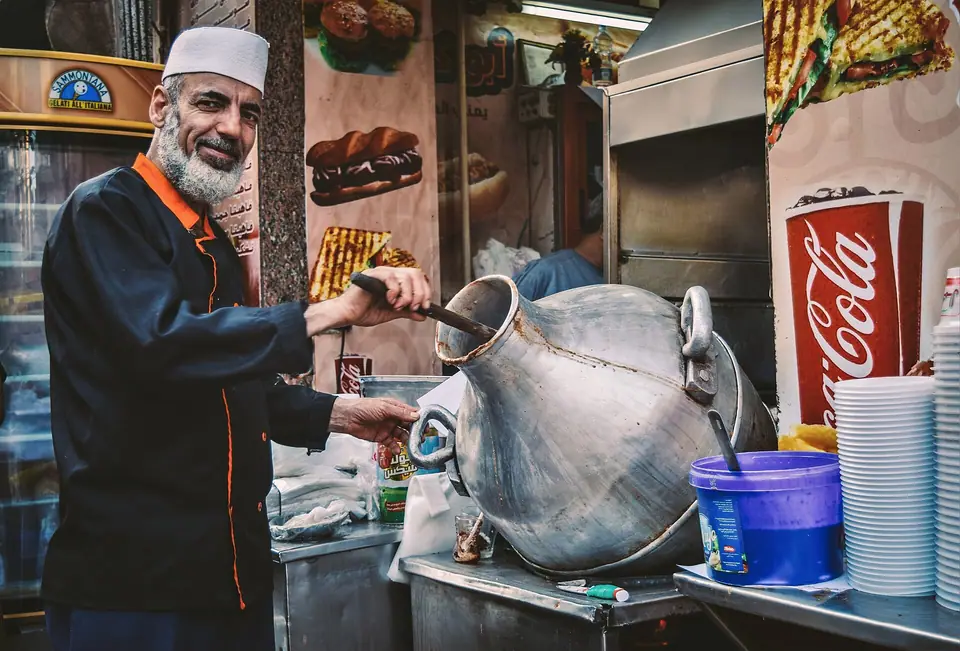
Where to eat on the East Bank and West Bank
Skip unmarked cafés right outside the temple exit gates that hand out menus without printed prices. Dine instead at established local kitchens on both banks:
- East Bank Favourites (Around Luxor Temple, Station Street, and Corniche). For clay-pot tagines and rooftop views over the illuminated Avenue of Sphinxes and Abu el-Haggag Mosque, head to Al-Sahaby Lane Restaurant atop the Nefertiti Hotel. Another top choice is Sofra Restaurant & Café, housed inside a restored townhouse near Television Street serving stuffed pigeon and duck with freekeh. For a historic splurge, book a table on the Victorian terrace of the Restaurant or Royal Bar at the Sofitel Winter Palace. For fast, spotless local koshary and grilled chicken, look along Mahatta Street (Station Street) and Television Street.
- West Bank Garden Cafés (Al-Gezira, Ramla, and the Memnon Road). After your morning loop through the Valley of the Kings or Medinet Habu, stop at a shaded garden restaurant in West Bank Al-Gezira. Welcoming West Bank spots include Nile View Restaurant, Sunflower Restaurant, and the courtyard kitchen of Marsam Hotel. They serve lentil soup, roasted chicken, tahini, and aish shamsi under shaded pergolas.
Food safety, bottled water, and restaurant tipping
With daytime desert heat across Upper Egypt, maintaining hydration and stomach comfort is essential during a 3-day Luxor itinerary:
- Sealed Bottled Water and Ice. Never drink tap water in Luxor, and use bottled water for brushing your teeth if you have a sensitive stomach. Buy sealed mineral water from East Bank supermarkets along Television Street. Stick to cooked-to-order piping-hot tagines, peeled fruits (like Banana Island bananas and oranges), and hot hibiscus tea.
- Checking the Bill (Service Charge, Taxes, and Tipping). Sit-down restaurants and hotel dining rooms in Luxor typically add a service charge and taxes to the bill. Check the bottom of the menu for tax and service notes. Even when a service charge is printed on the receipt, it goes to the house rather than directly to your waiter. Leaving a modest cash tip in Egyptian pounds on the table for attentive service is standard and deeply appreciated.
Traveller tips
Before boarding your train or flight out of Luxor, stroll through Sharia el-Souq (Savoy Market street) north of Luxor Temple. Pick up a bag of whole dried Aswan karkadeh hibiscus flowers as a fragrant souvenir. Beside hibiscus blossoms, spice merchants in Sharia el-Souq stock green cardamom pods and roasted cumin. Many stalls also blend Upper Egyptian dukkah with toasted sesame and coriander. For dessert after your evening tagine, order a warm clay dish of Om Ali. This flaky Egyptian puff-pastry bread pudding is baked with milk, raisins, pistachios, and coconut.
Across the Nile Valley, date palms form the agricultural backbone of rural village life and sweet desserts. UNESCO recognises the knowledge, skills, traditions, and practices associated with the date palm as living cultural heritage across the Arab world. On the West Bank around Al-Gezira and Ramla, walled palm groves produce soft, honey-sweet dates. Locals enjoy them fresh in autumn or simmered with warm milk in winter.
Dining on a rooftop terrace overlooking the East Bank Corniche or inside a shaded West Bank garden courtyard highlights Upper Egyptian hospitality and warm herbal infusions.Where it is
- 1Luxor
- Luxor International Airport (LXR) · about 7 km from Luxor in a straight line
- Directions in Google Maps
Stations and taxi ranks: OpenStreetMap. Airports: OurAirports. Distances are in a straight line.
Traveller tips
Real advice from people who have been to Luxor. Every tip is read by our team before it goes live.
No tips yet. Been here? Yours could be the first.
Thank you! Your tip will appear here after a quick review.
More in Luxor
Continue exploring Luxor with related neighbourhood, food, and planning guides

Best Time to Visit Luxor: Desert Seasons, Winter Sun & Heat Strategy
Luxor, Egypt
What to Wear in Luxor: Temple Etiquette, Tomb Heat & Packing Tips
Luxor, Egypt
Where to Stay in Luxor: East Bank Corniche vs West Bank Villages
Luxor, Egypt
Luxor 3-Day Itinerary: East Bank Temples & West Bank Necropolis Route
Luxor, Egypt
