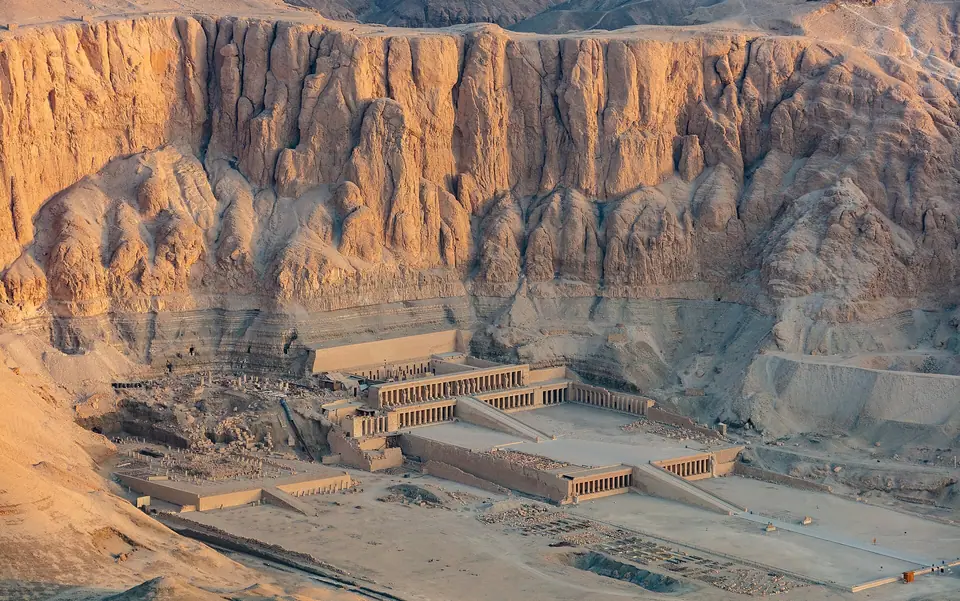
Photo: Diego Delso · CC BY-SA 4.0
What to Wear in Luxor: Temple Etiquette, Tomb Heat & Packing Tips
Pack smart for Luxor: breathable linen layers for subterranean royal tombs, grippy closed shoes for wooden tomb ramps, UPF sun gear, and modest Sa'idi dress etiquette.
Packing for Luxor requires preparing for three contrasting microclimates on the very same day. You will start in a chilly river breeze when crossing the Nile by open boat at dawn. Later in the morning, you move into blinding white-limestone solar reflection across the shadeless desert plazas of Deir el-Bahari and Karnak. Moments later, you descend into still, humid subterranean air inside the deep shafts of the Valley of the Kings. At the same time, Luxor is the heart of traditional Upper Egypt (Al-Sa'id). Rural social norms here are noticeably more conservative than in coastal Red Sea resorts. Below is a practical field guide to footwear, breathable fabrics, sun gear, and dress etiquette.
| Environment | Ground & Air Conditions | Recommended Footwear & Clothing | What to Avoid |
|---|---|---|---|
| 1. Valley of the Kings & Tombs | Steep wooden ramps, still underground air, and zero breeze | Lightweight linen or cotton trousers, short-sleeved shirt, and closed rubber-soled walking shoes | Heavy synthetic fabrics, slick leather soles, or loose flip-flops on steep ramps |
| 2. Open Desert Temples (Karnak & Hatshepsut) | Uneven sandstone flagstones, loose gravel, and intense upward UV glare | Cushioned trail sneakers, wide-brimmed hat with chin cord, UV400 sunglasses, and UPF overshirt | Bare shoulders, sleeveless tank tops, or thin-soled fashion sandals |
| 3. Dawn Nile Ferry & Balloon Flights | River wind chill before sunrise, followed by rapid warming later | Peelable three-layer system: breathable base tee, light fleece or windbreaker, and cotton scarf | Dressing without warm layers for the early morning boat crossing |
Footwear for temple flagstones, gravel avenues, and steep wooden tomb ramps
Following our Luxor itinerary, you will walk long distances across ancient uneven sandstone blocks at Karnak. You will also cross desert gravel in the Valley of the Kings, and climb wooden walkways inside subterranean chambers:
- Why Closed-Toe Cushioned Walking Shoes Win. Pack broken-in, breathable mesh running shoes, lightweight trail sneakers, or supportive closed-toe walking shoes with grippy rubber outsoles. Fine desert dust coats the wooden ramps inside tombs like KV11 and KV17. This dust makes smooth leather soles or loose slide sandals slippery on the steep descent.
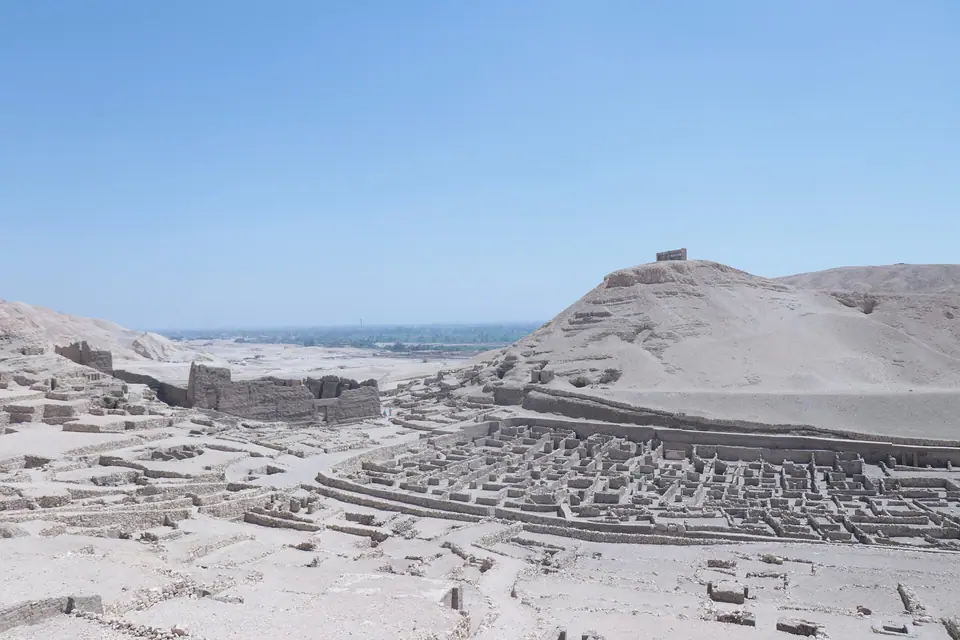
- Keep Ankles and Toes Protected from Sand and Stone. Inside Deir el-Medina and the Tombs of the Nobles, visitors climb narrow iron ladders and rock-cut stairs. Rough stone thresholds quickly punish open flip-flops. Pair your sneakers with moisture-wicking cotton or merino ankle socks so hot sand does not rub blisters between your toes.
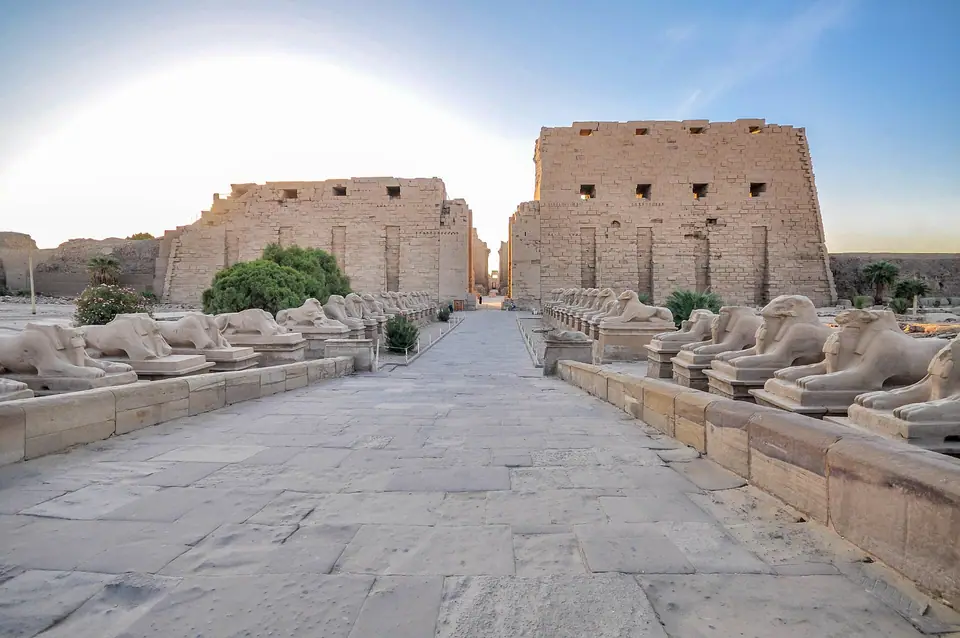
Beating subterranean tomb heat and desert limestone glare
Outdoor winter air in the Valley of the Kings often feels pleasantly cool. However, stepping deep underground into a sealed rock-cut corridor feels warm and humid. Visitors exhaling inside narrow shafts with no cross-ventilation push underground temperatures high year-round:
- Choose Loose Natural Fibres (Linen and Lightweight Cotton). Leave clingy polyester dresses and heavy denim jeans at home. Loose-fitting pure linen or lightweight woven cotton trousers, maxi skirts, culottes, and button-down shirts allow air to circulate across your skin. They also shield your arms and legs from direct UV radiation. Pale colours (white, sand, khaki, and light blue) reflect solar heat across the open courts of Deir el-Bahari.
- Pack a Handheld Folding Fan and Microfibre Cooling Cloth. Electric fans are prohibited inside fragile painted burial chambers to prevent dust circulation. Carrying a simple folding hand fan (or rechargeable neck fan) and a damp handkerchief makes a huge difference inside KV9 and KV11.
- Essential Sun Protection for the Limestone Amphitheatres. The pale limestone cliffs of the West Bank reflect sunlight from below as well as above. Wear polarized UV400 sunglasses, a crushable wide-brimmed sun hat, and broad-spectrum high-factor broad-spectrum sunscreen. Carry a large lightweight cotton scarf (shawl) to drape over the back of your neck.
Modest dress etiquette in Upper Egypt (Al-Sa'id) and active mosques
Foreign visitors can wear normal swimwear inside enclosed hotel pool gardens on the East Bank. However, walking through Luxor's streets, markets, and West Bank villages calls for modest dress:
- Shoulders and Knees Covered for Both Men and Women. In Upper Egyptian culture, short shorts, crop tops, and sleeveless vests attract unwanted attention. Modest clothing ensures a far more comfortable walk through the bazaar and on the Nile ferry. Cover your body from shoulders to below the knees with linen trousers, a midi skirt, and a short-sleeved linen shirt. This modest profile keeps you cooler in the desert sun and earns immediate warmth from local families.
- Entering the Living Mosque of Abu el-Haggag at Luxor Temple. If you step inside the thirteenth-century Mosque of Sheikh Yusuf Abu el-Haggag at Luxor Temple, remove your shoes at the threshold. Carry a pair of thin socks in your daypack so you do not walk barefoot on hot stone. Both men and women should cover their legs, and women should drape a cotton scarf loosely over their hair.
- What to Wear for a Sunrise Hot-Air Balloon Flight. Balloon baskets launch just before sunrise when West Bank field temperatures feel chilly. Once airborne, the overhead propane burners radiate gentle warmth above the basket. Wear closed-toe flat sneakers, which are mandatory for climbing in and out of the wicker basket. Pair long trousers and a breathable t-shirt with a zip-up fleece that you can stow in your daypack later.
Daypack checklist for a full West Bank loop
Before boarding the morning ferry across the Nile, check that your daypack holds your physical Visa and Mastercard bank cards. Pack small cash notes and plenty of sealed drinking water per person. Add electrolyte rehydration sachets, tissues, hand sanitiser for desert restrooms, lip balm, and a smartphone power bank. Pair this checklist with our Luxor weather guide and orientation guide.
Seasonal packing adjustments: Winter nights vs summer desert heat
Your packing list shifts noticeably between the cool winter peak and the hot shoulder or summer months in Upper Egypt. If travelling in winter, pack a warm mid-layer fleece, a windproof jacket, and a knit beanie for early hot-air balloon pickups. Evening felucca rides over the water turn decidedly cool once the sun drops behind the cliffs. Many mud-brick guesthouses on the West Bank have high vaulted ceilings and cool stone floors. Pack warm indoor socks or light travel slippers for winter mornings.
If visiting in warmer months, leave heavy jackets behind and pack two lightweight long-sleeved UV-protective sun shirts. You can rotate and rinse one shirt each afternoon at your hotel so it dries quickly on the balcony. Fast-drying linen trousers and breathable merino-blend socks prevent chafing during humid subterranean tomb visits. Carry a compact travel umbrella or sun parasol if you are sensitive to direct solar glare while walking along the shadeless Avenue of Sphinxes. A small microfibre towel soaked in cold water around your neck keeps core body temperatures comfortable while climbing the ramps at Deir el-Bahari. Store your camera batteries and sunscreen in an insulated pouch inside your daypack so direct desert heat does not degrade them. Packing a small tube of fragrance-free moisturiser and saline nasal spray helps counter the very low relative humidity of the Upper Egyptian desert.
Traveller tips
If you arrive in Luxor without a breathable linen shirt or wide cotton scarf, skip the souvenir stalls outside Karnak. Walk instead into the tailors and fabric shops along Cleopatra Street or Television Street on the East Bank. There you can buy a lightweight cotton galabeya tunic or soft woven cotton scarf. Local tailors can custom-stitch a loose cotton shirt quickly for fair rates. Always wash new dark-dyed scarves once in cold water before wearing them over a white shirt in the desert heat.
Weather by month
Luxor is warmest in June, with average highs around 41°C, and coldest in January, when nights drop to about 6°C. Rain is rare here, with almost no rainy days in any month. For mild weather with fewer rainy days, aim for February and December.
| Month | Low | Range | High | Rain | Rainy days |
|---|---|---|---|---|---|
| Jan | 6°C | 23°C | 0 mm | 0 d | |
| Feb | 8°C | 25°C | 0 mm | 0 d | |
| Mar | 12°C | 30°C | 0 mm | 0 d | |
| Apr | 17°C | 35°C | 0 mm | 0 d | |
| May | 21°C | 39°C | 0 mm | 0 d | |
| Jun | 24°C | 41°C | 0 mm | 0 d | |
| Jul | 25°C | 41°C | 0 mm | 0 d | |
| Aug | 25°C | 41°C | 0 mm | 0 d | |
| Sep | 22°C | 39°C | 0 mm | 0 d | |
| Oct | 18°C | 35°C | 0 mm | 0 d | |
| Nov | 12°C | 29°C | 0 mm | 0 d | |
| Dec | 8°C | 24°C | 0 mm | 0 d |
Averages of daily values from 2015 to 2024. Rainy days are days with at least 1 mm of rain. Source: Open-Meteo · Compare destinations by month.
Where it is
- 1Luxor
- Luxor International Airport (LXR) · about 7 km from Luxor in a straight line
- Directions in Google Maps
Stations and taxi ranks: OpenStreetMap. Airports: OurAirports. Distances are in a straight line.
Traveller tips
Real advice from people who have been to Luxor. Every tip is read by our team before it goes live.
No tips yet. Been here? Yours could be the first.
Thank you! Your tip will appear here after a quick review.
More in Luxor
Continue exploring Luxor with related neighbourhood, food, and planning guides
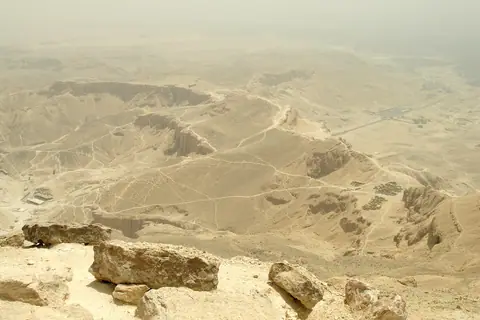
Valley of the Kings Guide: Royal Tombs, KV62 Tutankhamun & Seti I
Luxor, Egypt
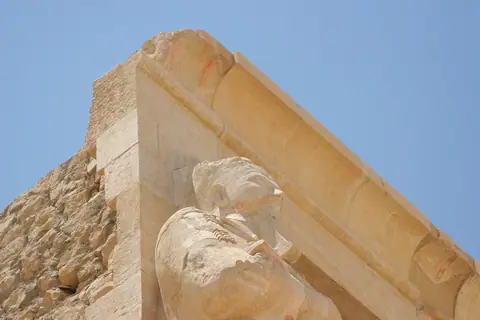
Hatshepsut Temple & Valley of the Queens: Deir el-Bahari & Nefertari
Luxor, Egypt
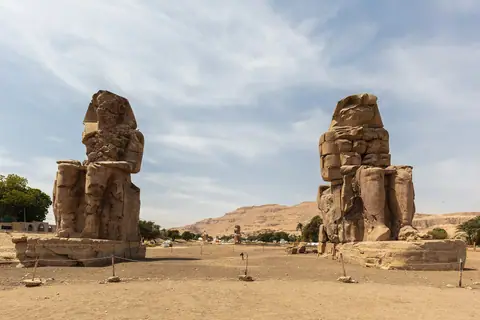
Southern West Bank Guide: Medinet Habu, Ramesseum & Deir el-Medina
Luxor, Egypt

Luxor Museum, Mummification Museum & Sunset Nile Felucca Guide
Luxor, Egypt
