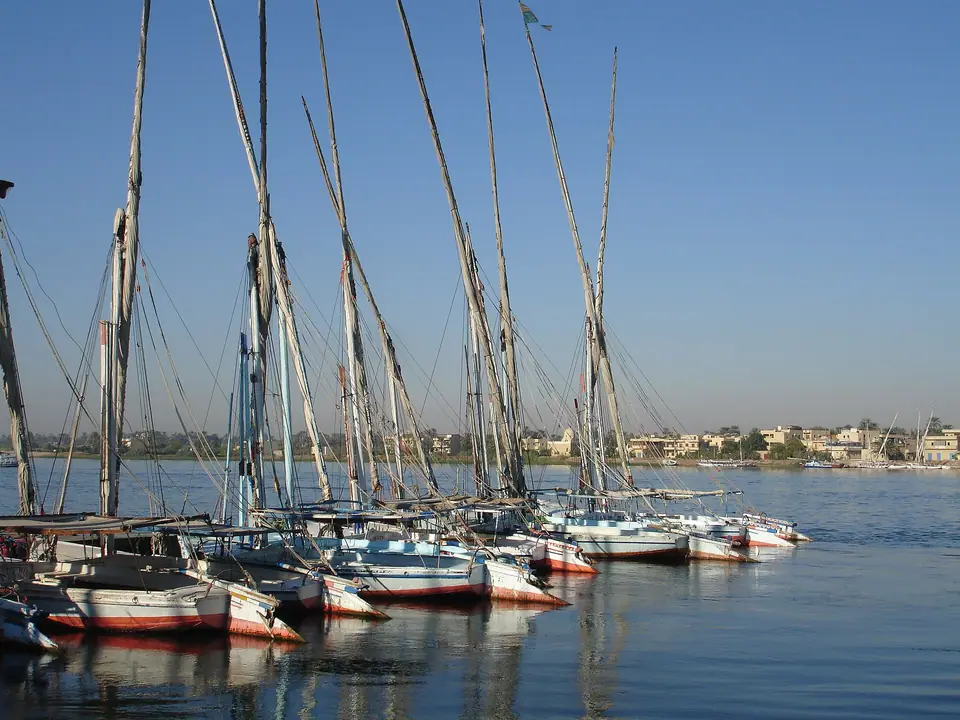
Photo: Crashsystems · CC BY-SA 4.0
Luxor: East vs West Bank, Cashless Tickets & Local Tips
Master Luxor's East Bank and West Bank layout, cashless antiquities ticketing, Luxor Pass tiers, Nile crossings, and how to avoid carriage and alabaster traps.
Standing on the banks of the Nile south of Cairo, Luxor (ancient Thebes, or Waset) is an extraordinary open-air museum. UNESCO inscribed the ancient capital and its necropolis. Yet visitors who arrive without a clear operational plan often lose valuable hours to simple logistical mistakes. Bank-card payment rules at remote desert ticket booths, aggressive horse-carriage (calèche) price bait-and-switches, and midday canyon heat can quickly derail a schedule. Below, we break down how the city is divided across the Nile and how ticketing works.
| Zone | Core Monuments | Nile Crossing & Transit | Best Time of Day |
|---|---|---|---|
| 1. East Bank (City of the Living) | Karnak Temple, Luxor Temple, Avenue of Sphinxes, Luxor & Mummification Museums | Walkable Corniche or short local taxi ride | Dawn at Karnak, and evening for illuminated walks at Luxor Temple |
| 2. Northern West Bank (Royal Wadis) | Valley of the Kings (KV), Hatshepsut Temple (Deir el-Bahari), Tombs of the Nobles | Public ferry plus West Bank taxi, or drive via Al-Baghdadi Bridge | Morning before desert rock heat builds inside the limestone canyon |
| 3. Southern West Bank (Mortuary Belt) | Medinet Habu, Ramesseum, Colossi of Memnon, Deir el-Medina, Valley of the Queens | Public ferry plus a short West Bank taxi loop along the canal road | Morning or afternoon for warm relief lighting |
Solar geography: Why the Nile splits Luxor into the East Bank and West Bank
Ancient Egyptian cosmology mapped the daily cycle of the sun god Ra directly onto the landscape of the Nile Valley at Thebes. Understanding that east-west axis is the foundation of planning your 3-day Luxor itinerary:
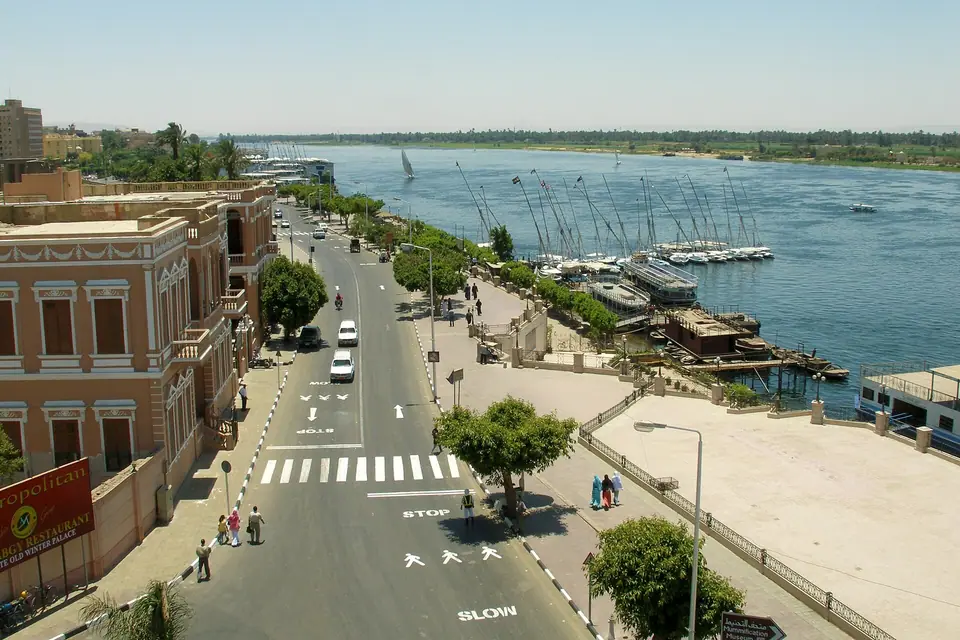
- The East Bank (Al-Barr ash-Sharqi): Temples of the Living, Hotels, and Rail Hub. Because the sun rises in the east, pharaohs built their state cult temples on the eastern floodplain. Here stand Luxor Temple right on the central Corniche and the colossal Karnak Temple Complex. The excavated Avenue of Sphinxes links the two sanctuaries directly through town. The East Bank also houses the railway station, bazaar streets, museums, and riverfront hotels.
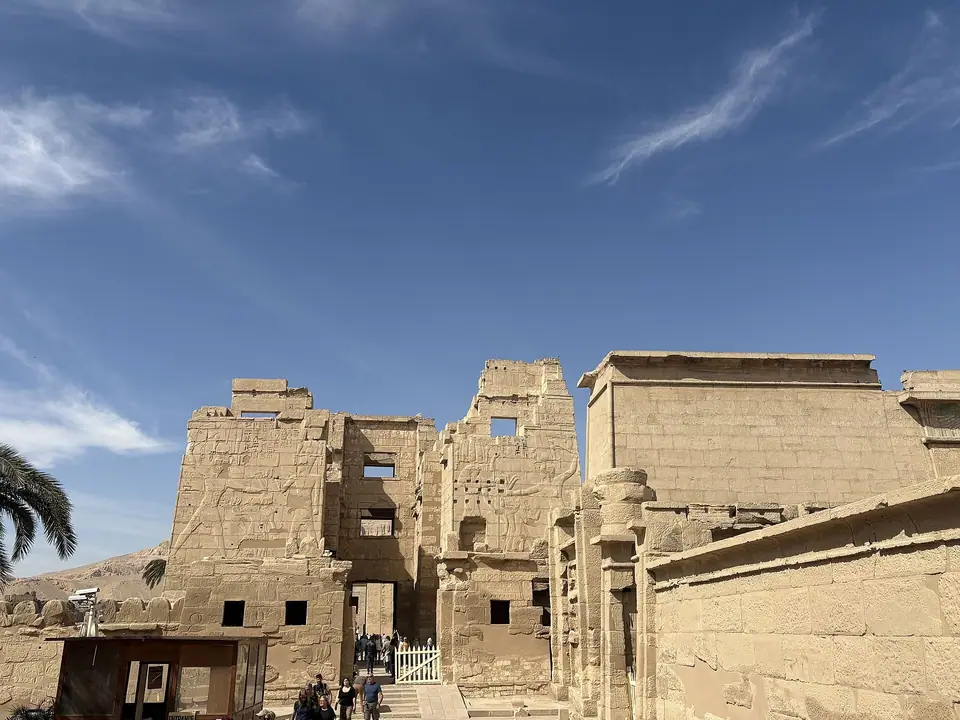
- The West Bank (Al-Barr al-Gharbi): The Theban Necropolis and Mortuary Temples. Across the Nile, green fields stretch to the foot of the bone-dry Theban Hills. The natural pyramid peak of al-Qurn crowns the desert ridge above the valley. Along the edge of the irrigated cultivation stand royal mortuary temples, including the Colossi of Memnon, Ramesseum, and Medinet Habu. Deeper in the cliffs lie the Valley of the Kings and Deir el-Bahari. Nearby valleys hold the Valley of the Queens and Deir el-Medina.
Cashless ticket windows, entry fees, and the Luxor Pass breakdown
Every archaeological site and museum in Luxor is administered by Egypt's Ministry of Tourism and Antiquities (MOTA). Before setting out, master three ticketing rules that apply across Upper Egypt:
- Cashless Card-Only Ticket Windows. You cannot pay with cash at official temple or tomb ticket booths in Luxor. All ticket windows accept bank cards. Carry two cards from different banks in case a desert terminal has a connection glitch. Alternatively, you can pre-purchase official QR-code e-tickets on the Ministry portal (egymonuments.com) to save time, with customer support available at +20235317344.
- Centralised West Bank Ticket Inspectorates. Major sites like the Valley of the Kings, Hatshepsut Temple, and Medinet Habu have their own on-site card terminals. However, smaller West Bank sites do not sell tickets at their gates. These include the Tombs of the Nobles at Sheikh Abd el-Qurna, the Ramesseum, and the Asasif tombs. Tell your driver to stop at the West Bank Antiquities Ticket Office right opposite the Colossi of Memnon on the main road. You can buy all your minor-site tickets there in one quick stop.
- Individual Tickets vs the Luxor Pass. For current entry prices, check the official site before travel. If you plan to visit most monuments over several days, compare the two tiers of the official Luxor Pass. The pass is sold at the Karnak or Valley of the Kings visitor centres. Bring your original passport and a photocopy.
- Standard Luxor Pass: This pass covers entry for consecutive days to open archaeological sites and museums on both banks. It excludes Seti I (KV17) and Nefertari (QV66). Note that the Standard Pass covers KV62 (Tutankhamun) and KV9 (Ramesses V & VI).
- Premium Luxor Pass: This tier includes everything in the Standard Pass plus entry to the magnificent Tomb of Seti I (KV17). It also covers the Tomb of Nefertari (QV66) whenever it is open to visitors. Always check its restoration status with MOTA before buying the Premium tier.
Field defense: How to avoid Luxor's classic tourist traps
Luxor is safe to walk day and night, with dedicated Tourism and Antiquities Police checkpoints along the Corniche and West Bank roads. However, persistent street touts target unprepared visitors with predictable gambits:
- The Cheap-Fare Horse Carriage (Calèche) Bait-and-Switch. Drivers along the East Bank Corniche routinely call out cheap quotes for one hour. Once the ride ends down a backstreet, the driver claims he meant foreign currency per person. Many also demand an exorbitant feed tip for the horse. Skip hailing street carriages altogether. Walk the flat Corniche or use agreed-fare taxis covered in our Luxor transport guide.
- The "Ferry Is Closed Today" Boat Tout Lie. Private motorboat touts wait at the top of the ramp by the public Nile ferry dock opposite Luxor Temple. They frequently claim that "the public ferry is broken or closed to foreigners today". Ignore the claim and walk straight down to the municipal turnstile. The public ferry crosses frequently around the clock for a modest cash fare.
- The Mandatory West Bank "Alabaster Factory" Detour. Low-priced West Bank tours and bargain taxi drivers often cut short your visit to Medinet Habu or Deir el-Medina. They then park outside a roadside stone workshop in Qurna. There, actors stage a brief carving demonstration before steering you into a high-pressure showroom selling machine-made calcite bowls. When hiring a private driver, state clearly before departure: "No alabaster shops, no papyrus shops, no perfume stops."
- Tomb Guardian "No-Ticket / Rope-Drop" Baksheesh Traps. Inside temples and tombs, attendants wearing galabeyas may wave you behind a rope barrier. Some point out a relief or offer to take a phone photo. Immediately afterwards, they demand a tip. Keep your hands in your pockets and decline unsolicited guiding with a polite "La, shukran" ("No, thank you"). Never hand your phone to an attendant inside a tomb.
Practical planning advice
Although ticket booths are cashless, carry cash in small banknotes each day in a separate front pocket. You will need cash for the public Nile ferry, the Valley of the Kings electric taf-taf train, bottled water, and small restroom tips. Withdraw Egyptian Pounds from official bank ATMs along the East Bank Corniche. Do this before crossing to the West Bank, where working ATMs are scarce. Pair this orientation with our guides to Luxor's desert climate, temple dress etiquette, and where to stay on the East and West Banks.
Under UK FCDO travel guidance, Luxor, Qina, Aswan, Abu Simbel, and the Valley of the Kings are exempt from the general Western Desert advisory. The desert highway connecting Baris and Luxor is also exempt. Throughout the Nile Valley, Upper Egypt celebrates rich UNESCO-listed cultural heritage. Recognised traditions include the Tahteeb stick game (inscribed in 2016) and handmade Sa'eed weaving (inscribed in 2020).
Where it is
- 1Luxor
- Luxor International Airport (LXR) · about 7 km from Luxor in a straight line
- Directions in Google Maps
Stations and taxi ranks: OpenStreetMap. Airports: OurAirports. Distances are in a straight line.
Traveller tips
Real advice from people who have been to Luxor. Every tip is read by our team before it goes live.
No tips yet. Been here? Yours could be the first.
Thank you! Your tip will appear here after a quick review.
More in Luxor
Continue exploring Luxor with related neighbourhood, food, and planning guides
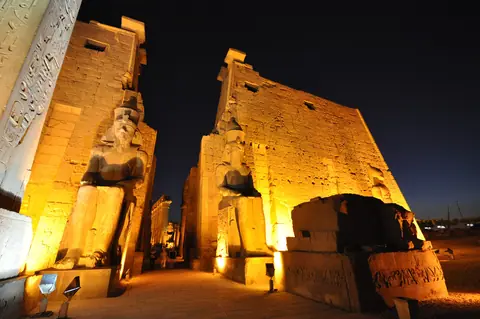
Luxor Temple Guide: Avenue of Sphinxes, Pylons & Evening Walk
Luxor, Egypt
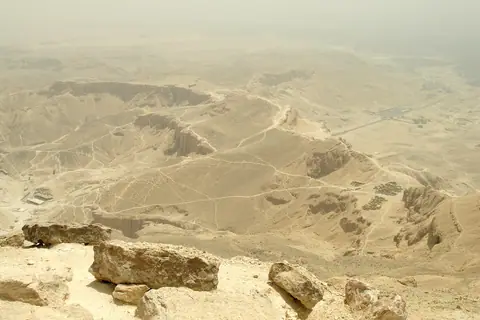
Valley of the Kings Guide: Royal Tombs, KV62 Tutankhamun & Seti I
Luxor, Egypt
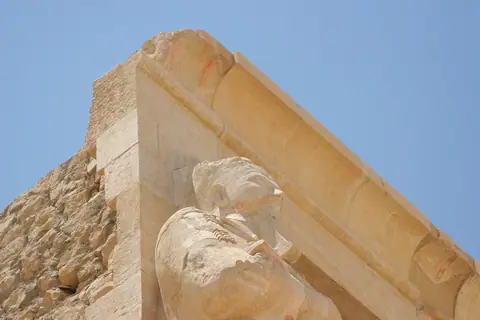
Hatshepsut Temple & Valley of the Queens: Deir el-Bahari & Nefertari
Luxor, Egypt
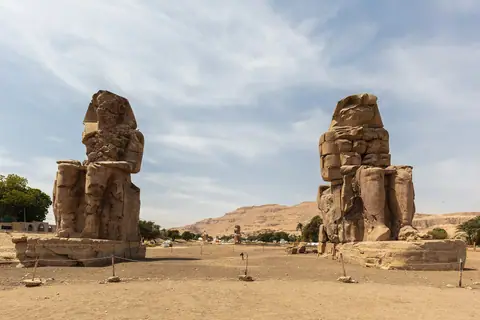
Southern West Bank Guide: Medinet Habu, Ramesseum & Deir el-Medina
Luxor, Egypt
